What Local Conditions Do
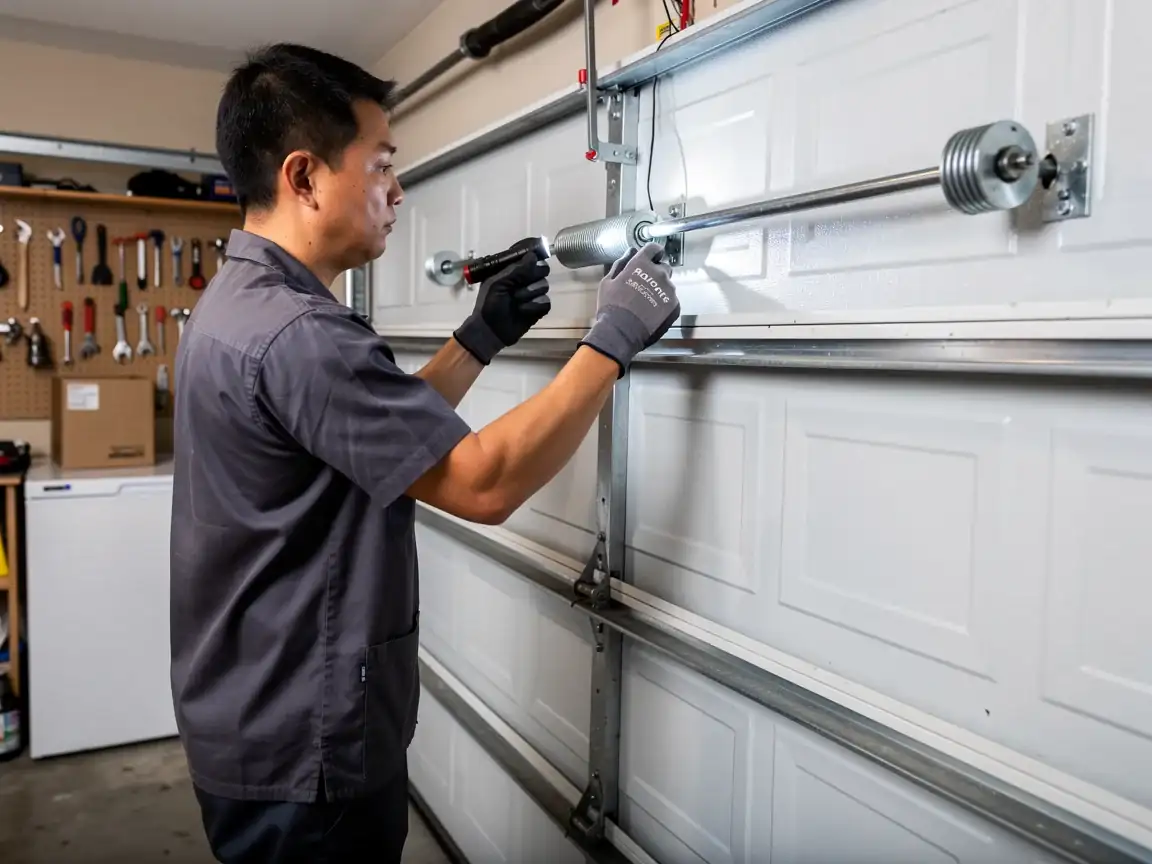
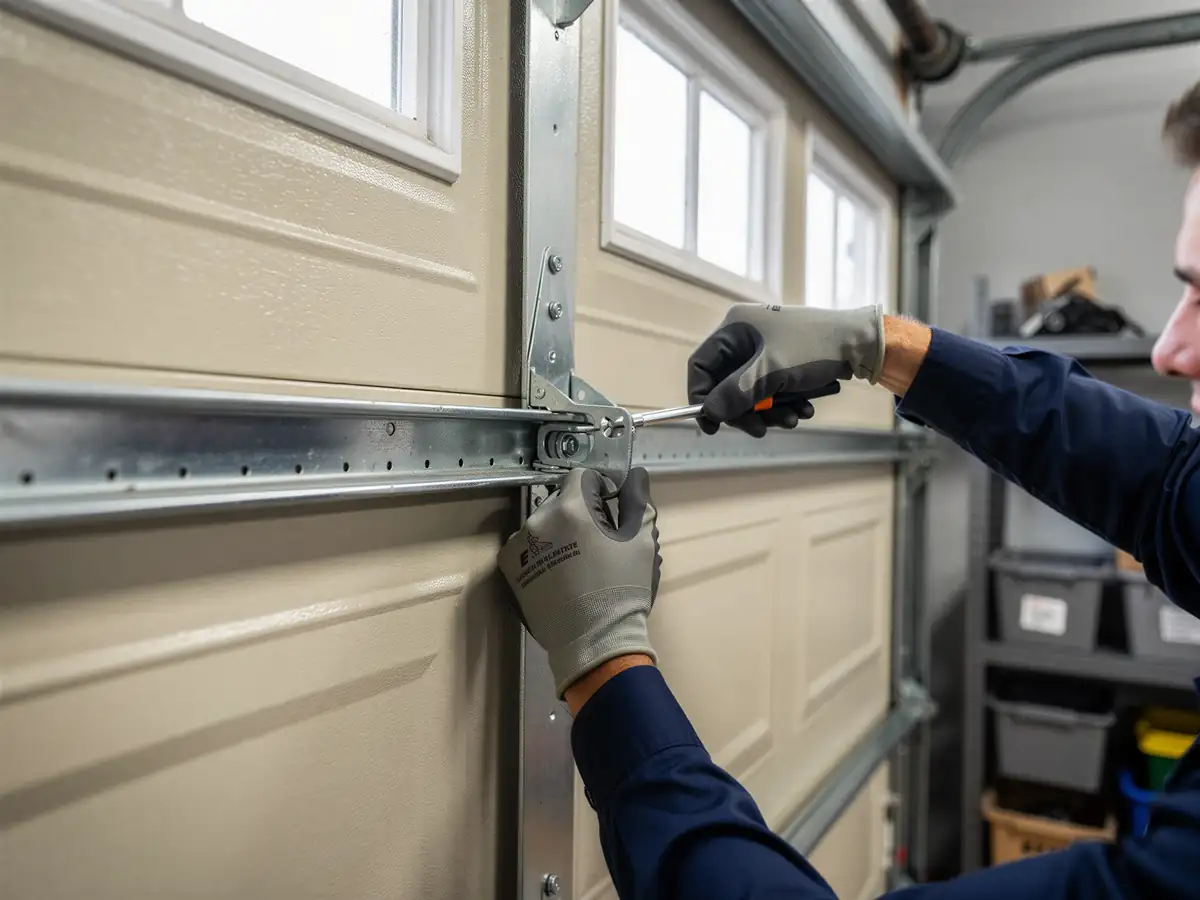
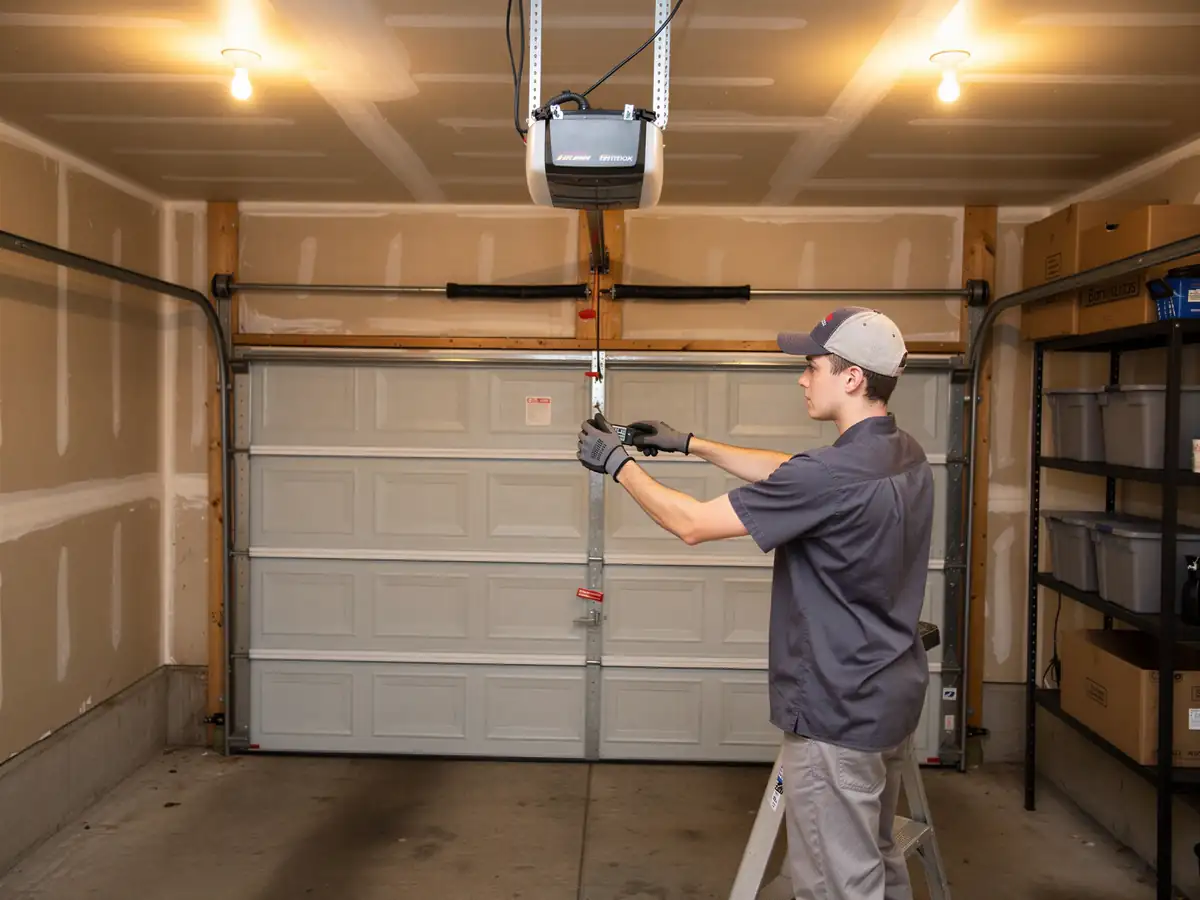
Most houses in the Azle service area went up between 1953 and 2010, with the median build year landing around 1991. That matters because a door installed in 1991 is pushing 35 years of cycles on the same torsion spring and the same stamped steel track, and a lot of owners have never touched it since the builder walked off the job. Across the 24 named areas we work in, the bulk of the stock is 1980s and 90s construction, which means similar hardware, similar openers, and similar failure points showing up on the same streets within a few years of each other. The climate band here runs moderate heat, not the extreme swings you get further west or in true desert country. That's good news for springs - you don't get the brutal expansion-contraction cycling that shortens spring life in hotter zones - but it still means summer heat softens grease in the opener's drive gear and makes nylon rollers brittle over time. A door built to 1991 code, running on original hardware, under moderate heat stress, ages differently than a door built last year. That's the baseline we work from on every call.
Leaving It Alone
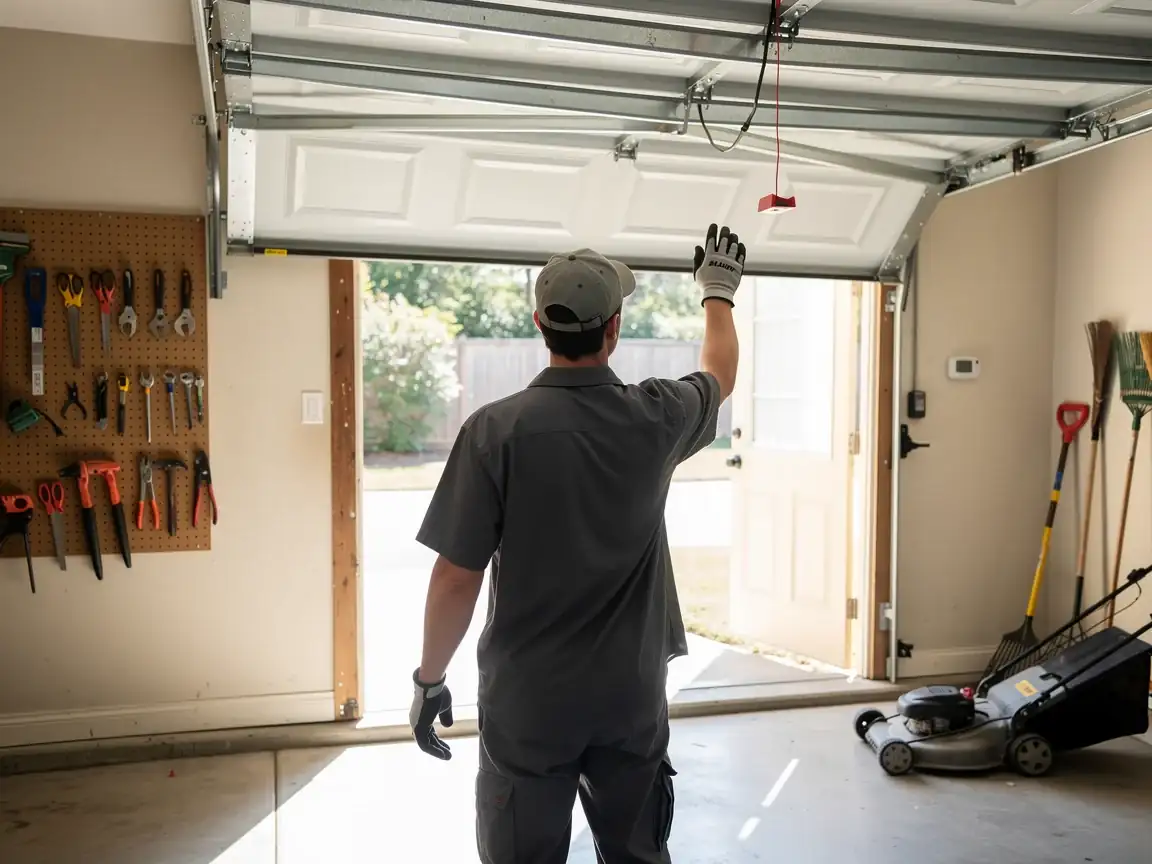
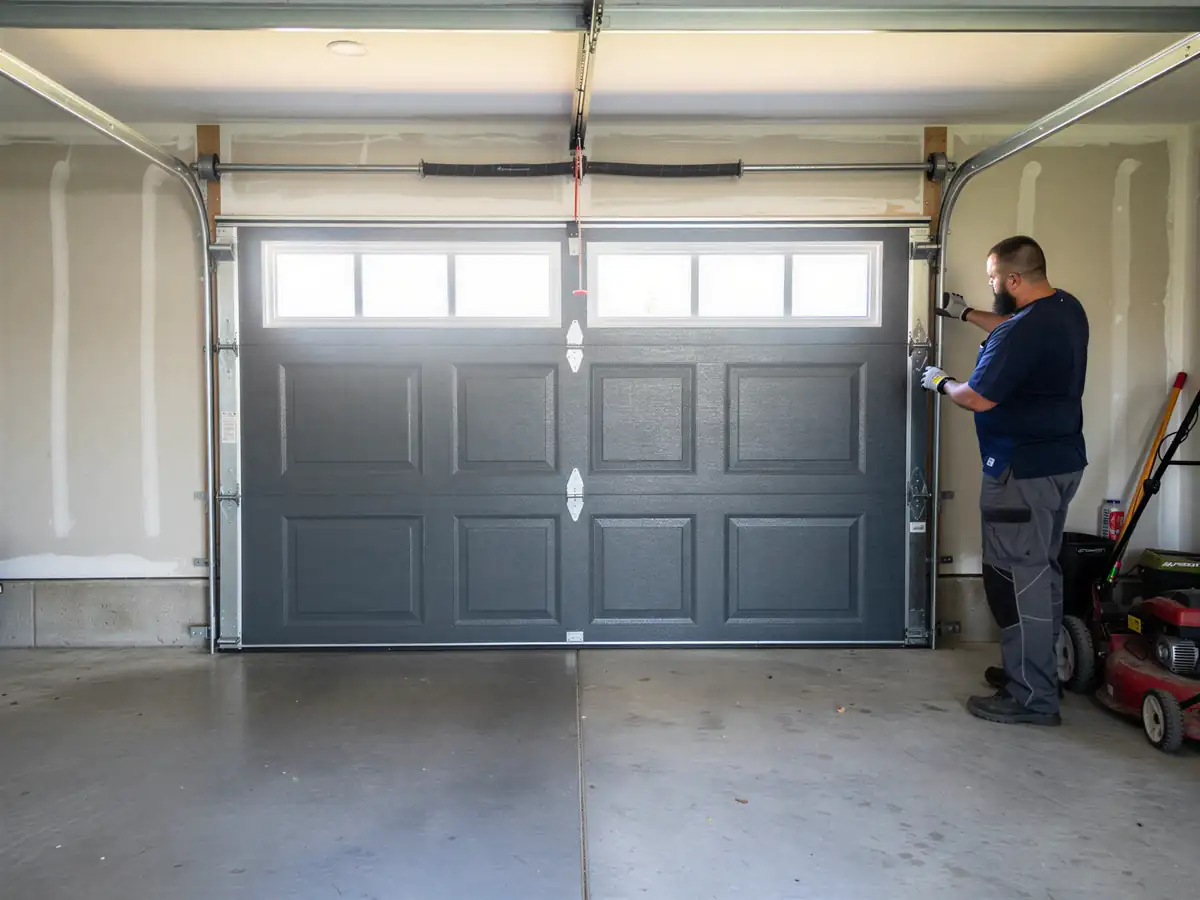
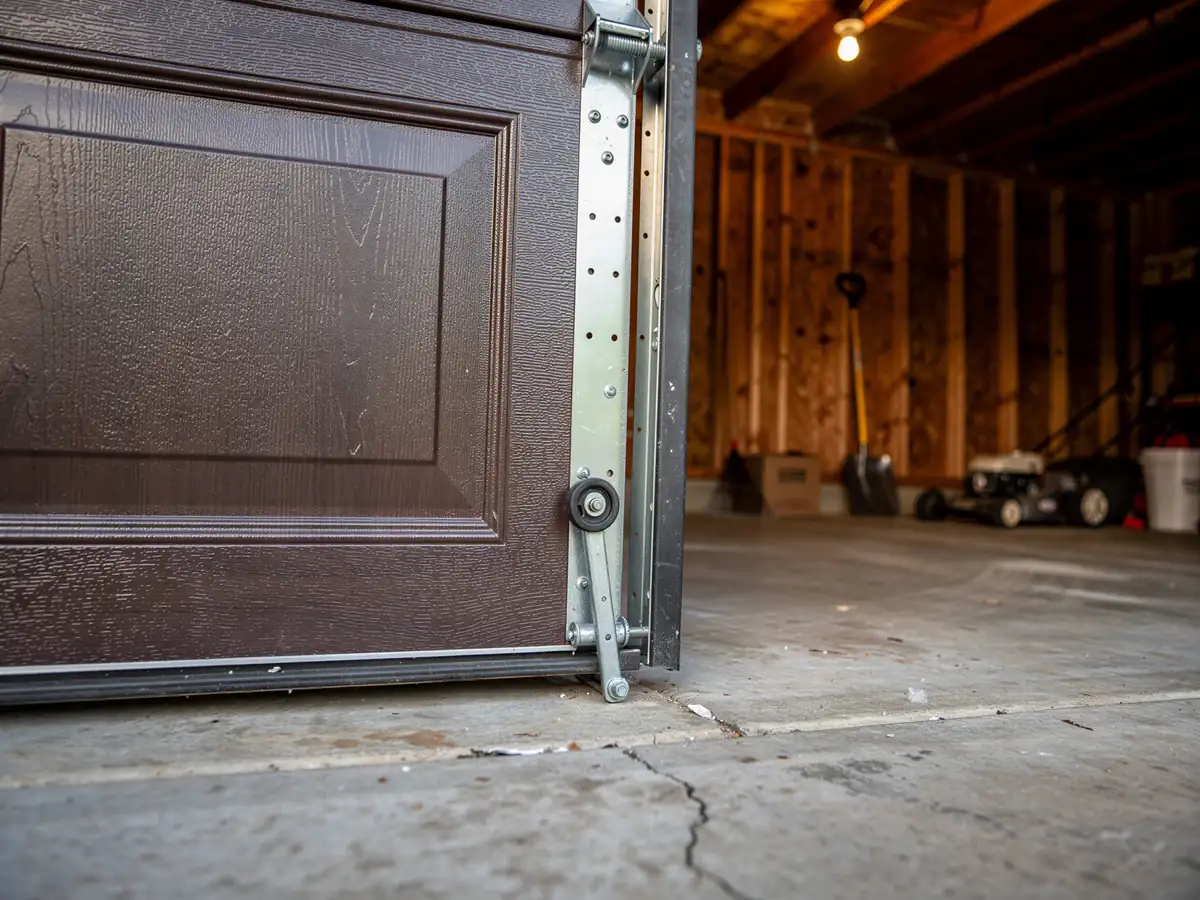
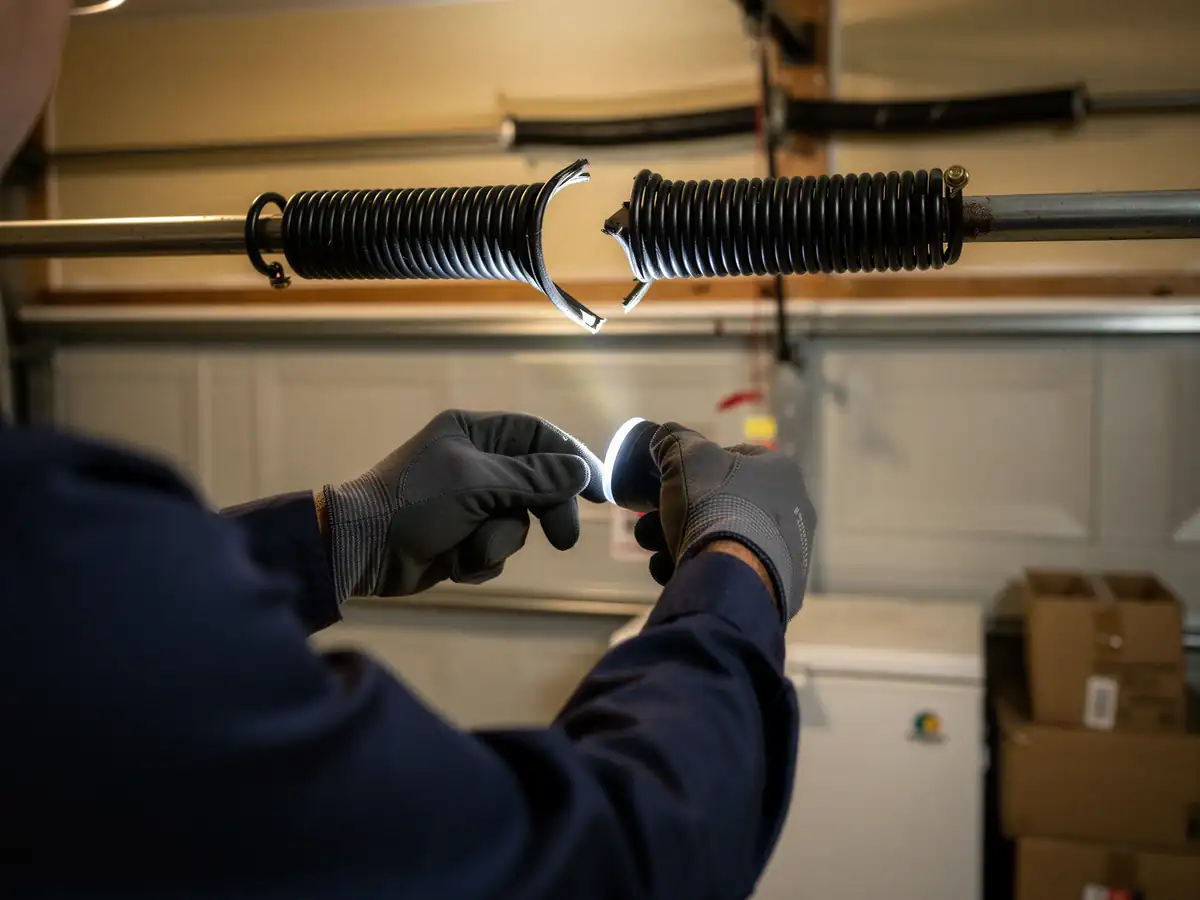
Not every noise or stiff spot means you need a truck out. A door on 1980s or 90s hardware that still opens smooth and closes square, with maybe a squeak at the top of the track, can usually wait. Lubricating the rollers and hinges yourself, tightening visible hardware, and keeping the track clear of debris will carry an older door a long way under our moderate heat conditions. We'd rather you spend $10 on spray lubricant than pay a truck roll for a squeak. Where we draw the line: if the door is original to a house built in the early 1990s and the spring has never been replaced, that's borrowed time, not a maintenance item - springs have a cycle count, not a calendar, and nothing about leaving it alone changes that math.
The Situation
With 19,518 owner-occupied houses across this service area and a median household income of $90,970, most of what we see is routine wear on doors that were installed right the first time and just need parts that match their age - not a full teardown. We don't stock every obsolete spring size or every discontinued opener logic board, so a repair on an older door sometimes means a short wait on a part rather than a same-day fix, and we'll tell you that up front instead of promising something we can't deliver. Given how much of the housing stock here dates to the 1980s and 90s, we see the same handful of failure patterns over and over, and that repetition is what lets us diagnose a problem over the phone before we ever load the truck.