This Area's Housing
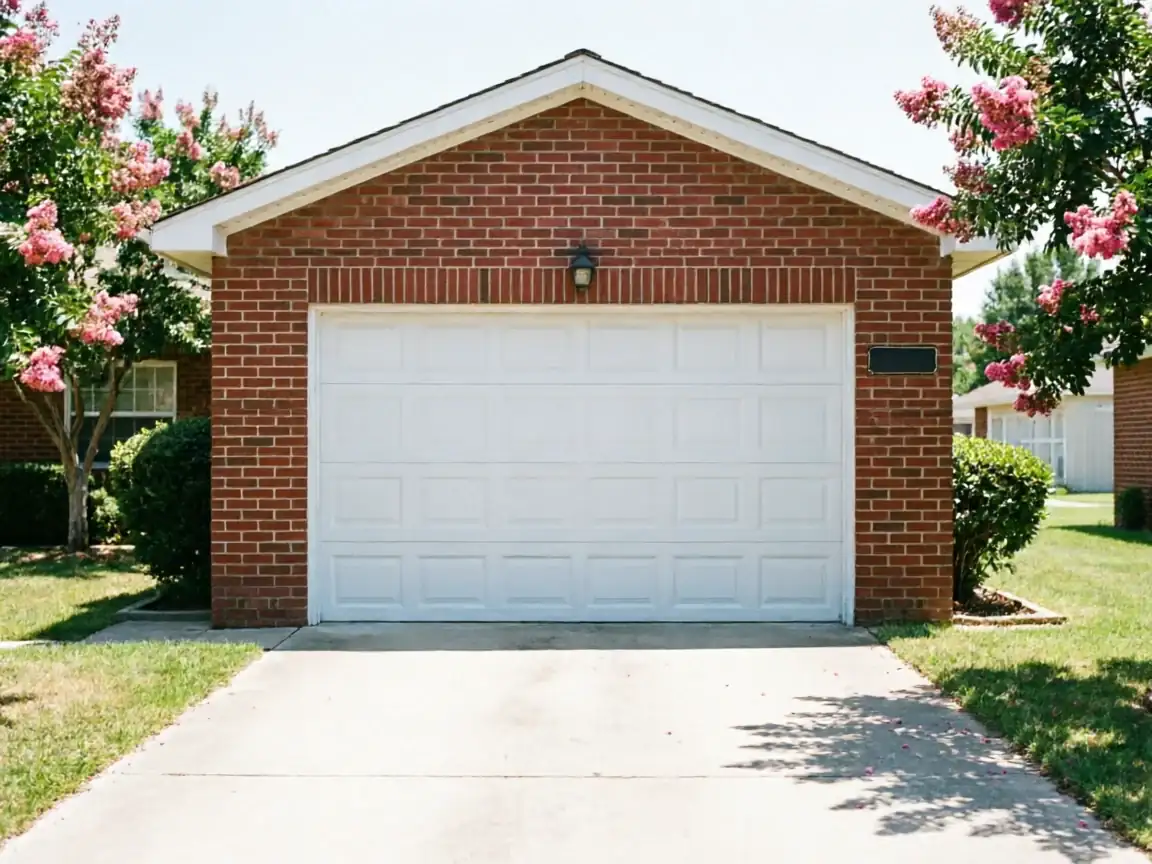
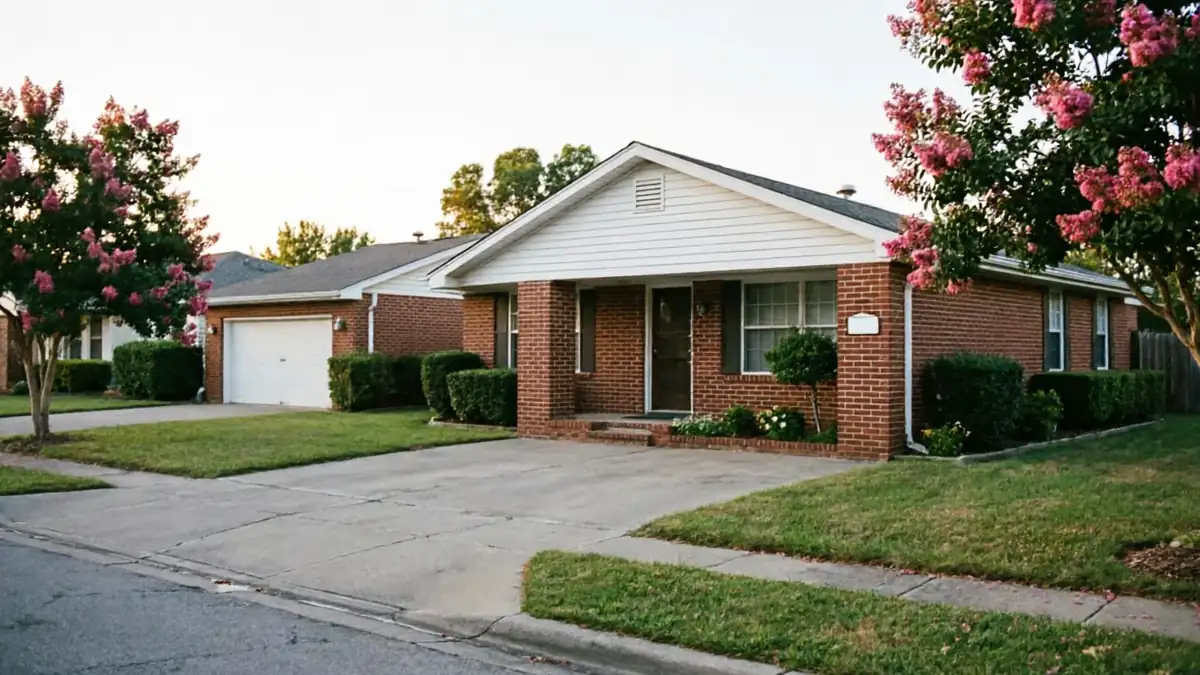
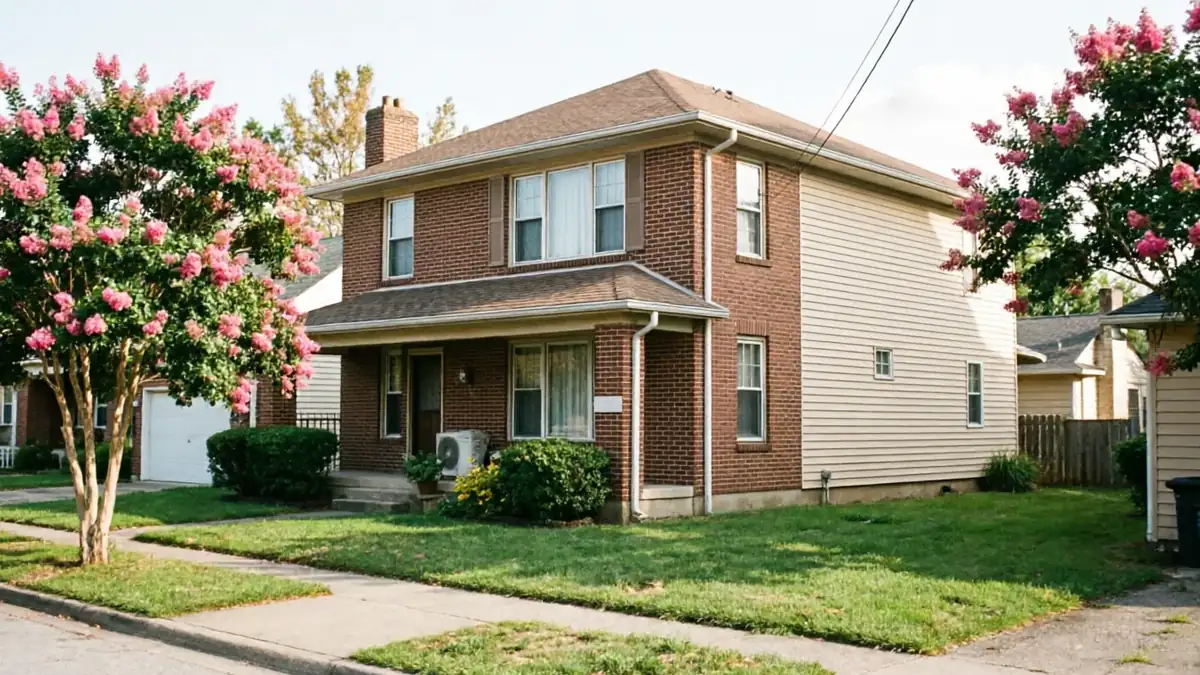
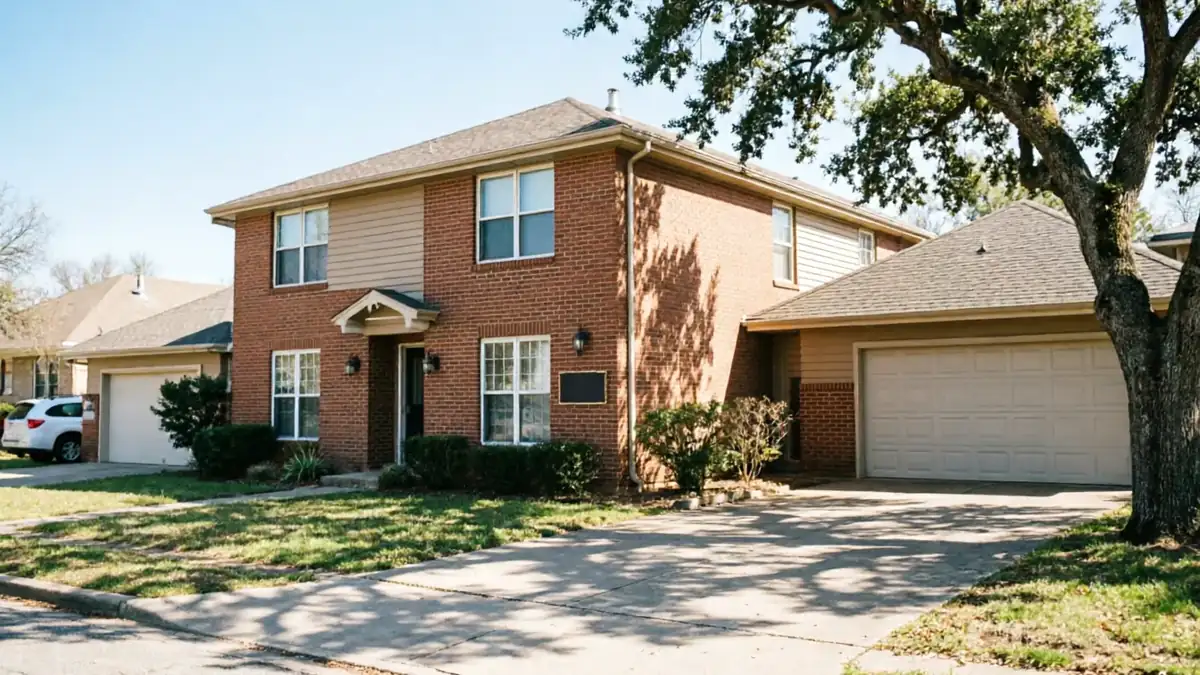
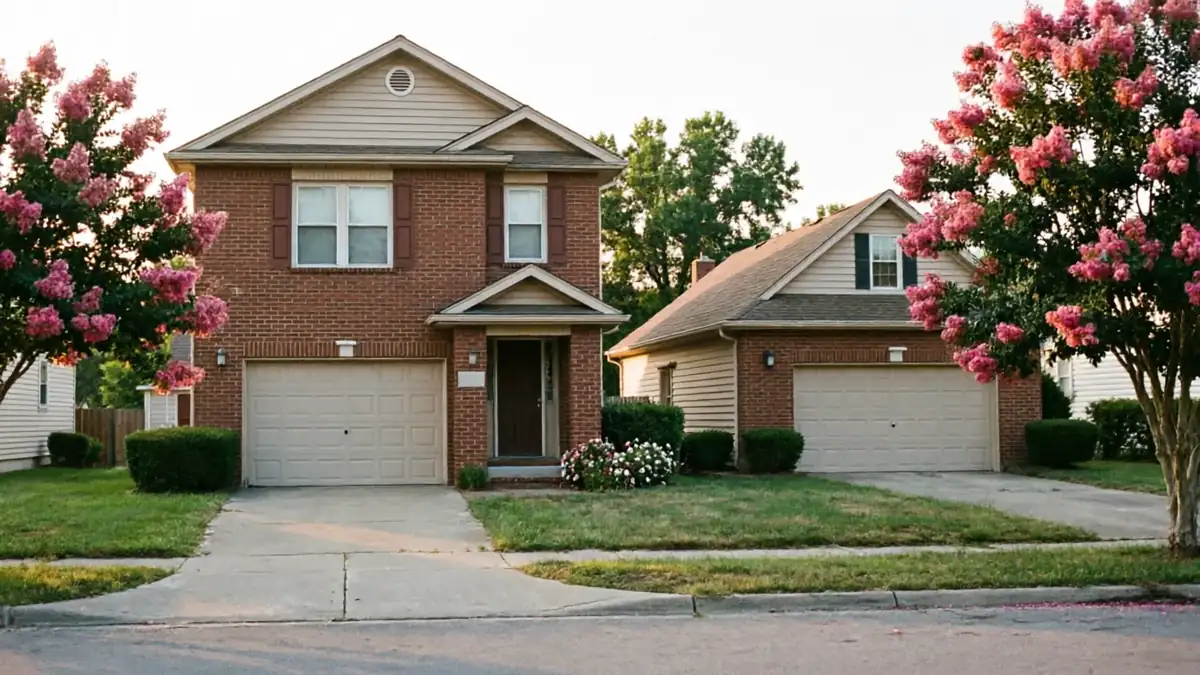
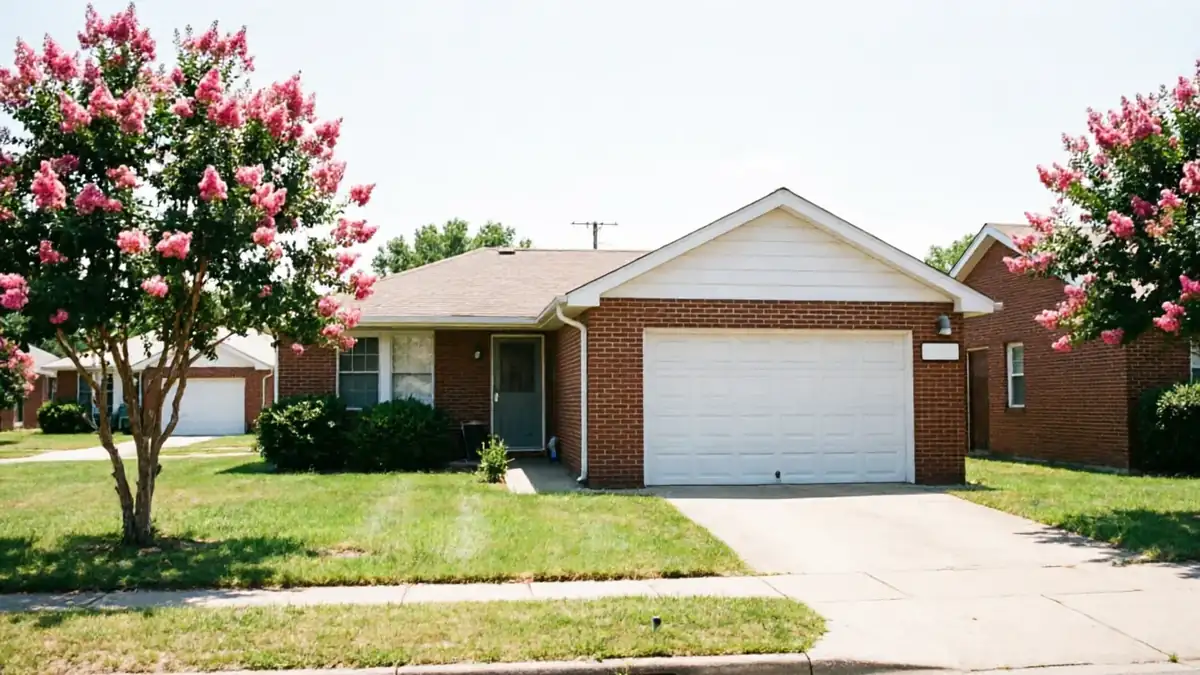
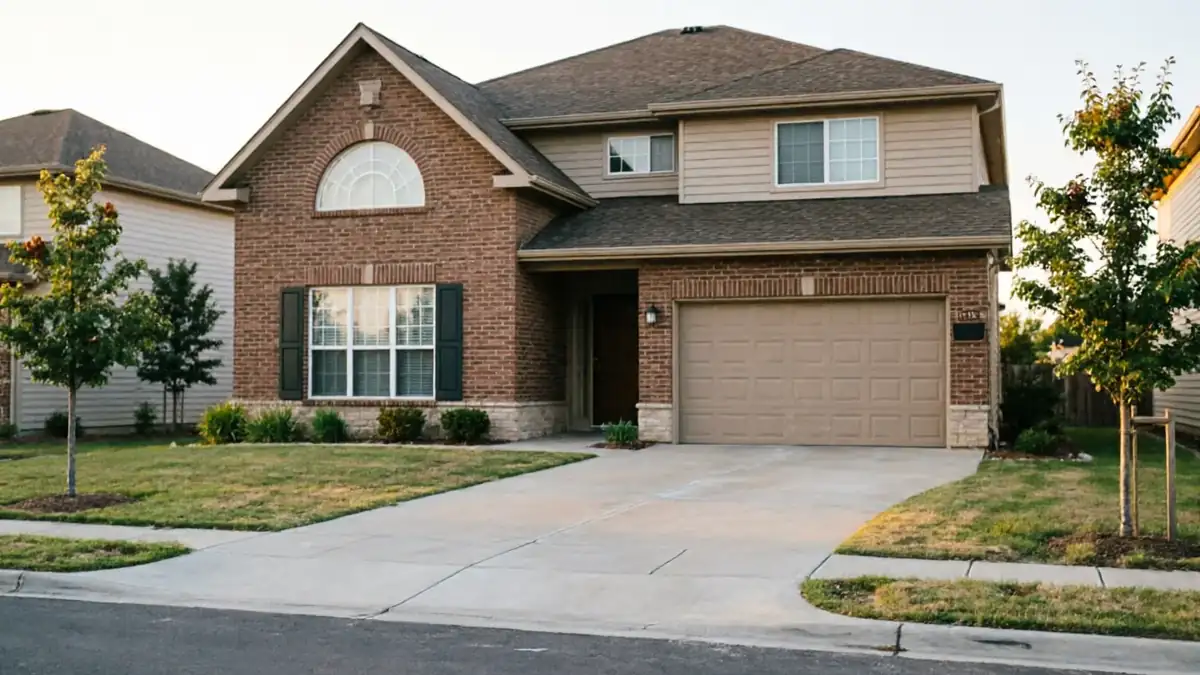
Reno sits about 4 miles from our shop in Azle, and the housing stock here skews younger than you might expect for this part of the county. The median build year in Reno is 1992, compared to a wider range of 1953 to 2010 (median 1991) across the whole service area. That one-year gap sounds trivial, but it means Reno is squarely inside the era when builders standardized on extension-spring openers and lighter-gauge steel tracks rather than the older torsion setups you still find in the 1960s pockets of other towns we cover.
With roughly 1,102 households in Reno and a median income of $92,857 - a bit above the $90,970 median across our broader coverage area - this is a town of mostly owner-occupied single-family homes built in one steady wave rather than decades of patchwork infill. That matters for parts availability. If your door and opener went in with the house, there's a decent chance your neighbor three doors down has the identical setup, down to the spring size and the bracket pattern.
What We Will Not Take On
We don't carry every obsolete opener logic board on the truck, and if your Reno home still has its original early-90s opener, the circuit board inside it may no longer be manufactured. We'll tell you straight if a part needs to be special-ordered rather than promise a same-visit fix we can't deliver.
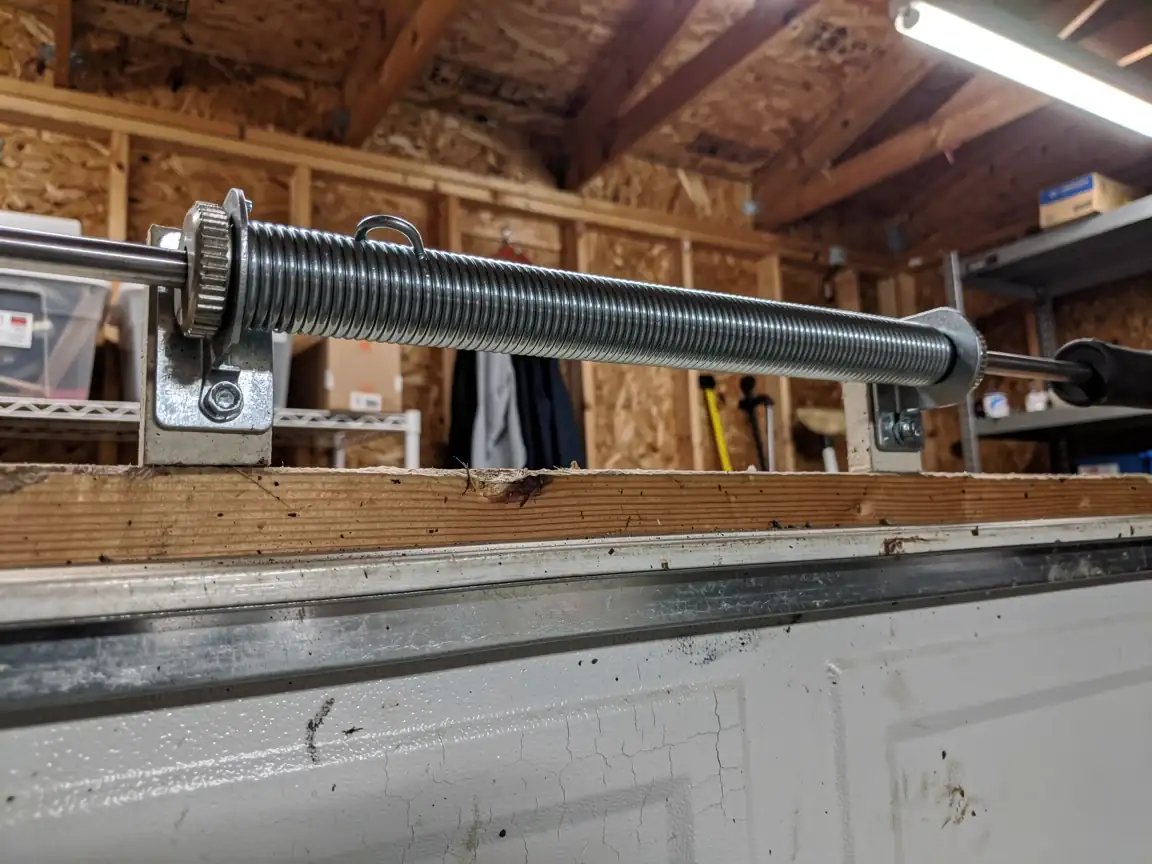
We also won't patch a torsion spring that's already stretched past safe tolerance just to save you money today - that's how people lose fingers. If the spring is fatigued, we replace it, full stop. And we don't do cosmetic touch-up work on panels with structural rust; if the door's frame is compromised, repainting a dent doesn't fix what's underneath. Being honest about what a repair can't solve is part of doing this job right.
How That Shows Up in the Door
Because most Reno houses went up around 1992
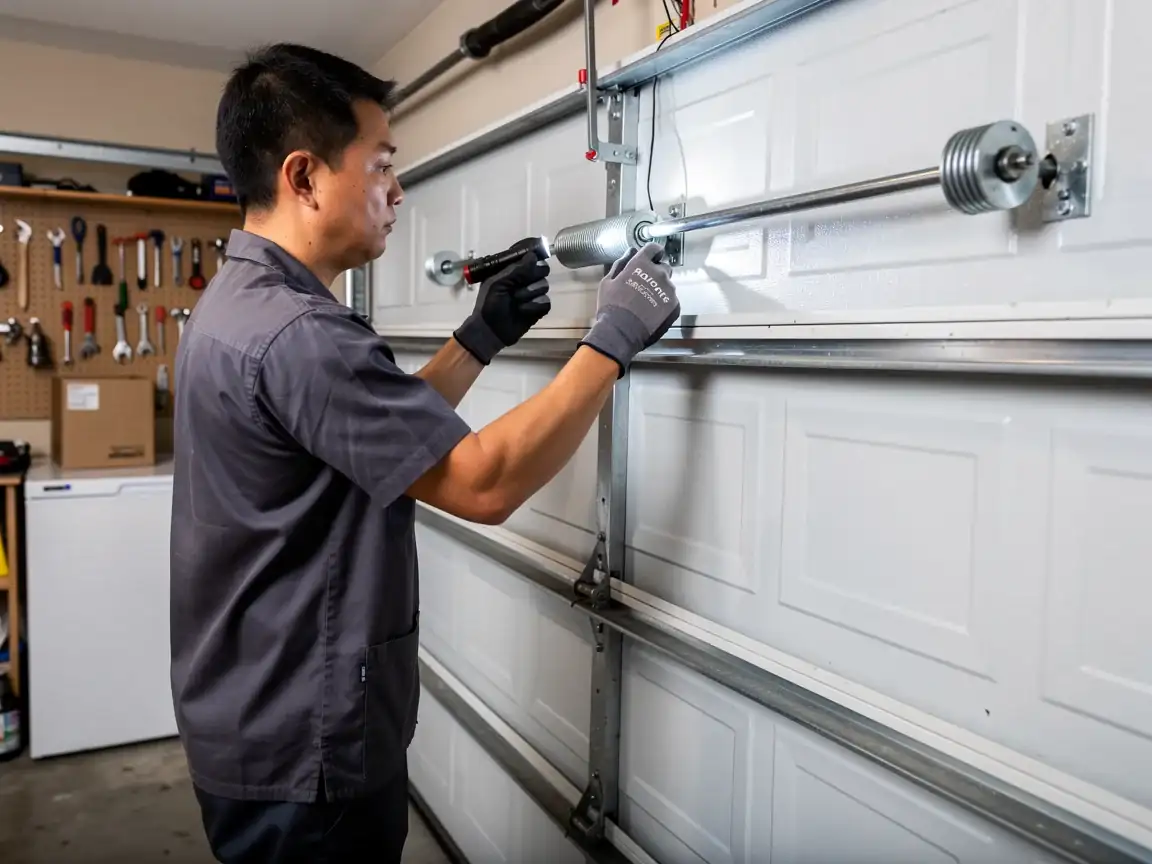
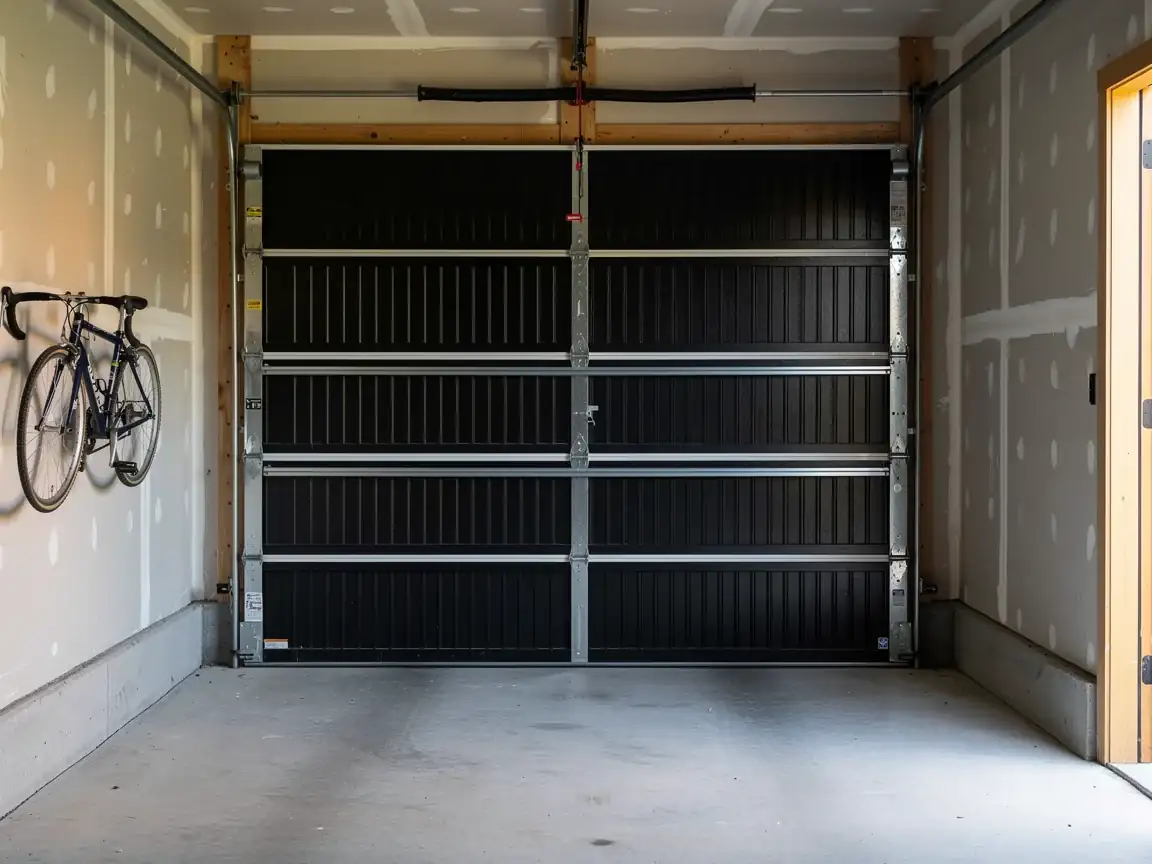
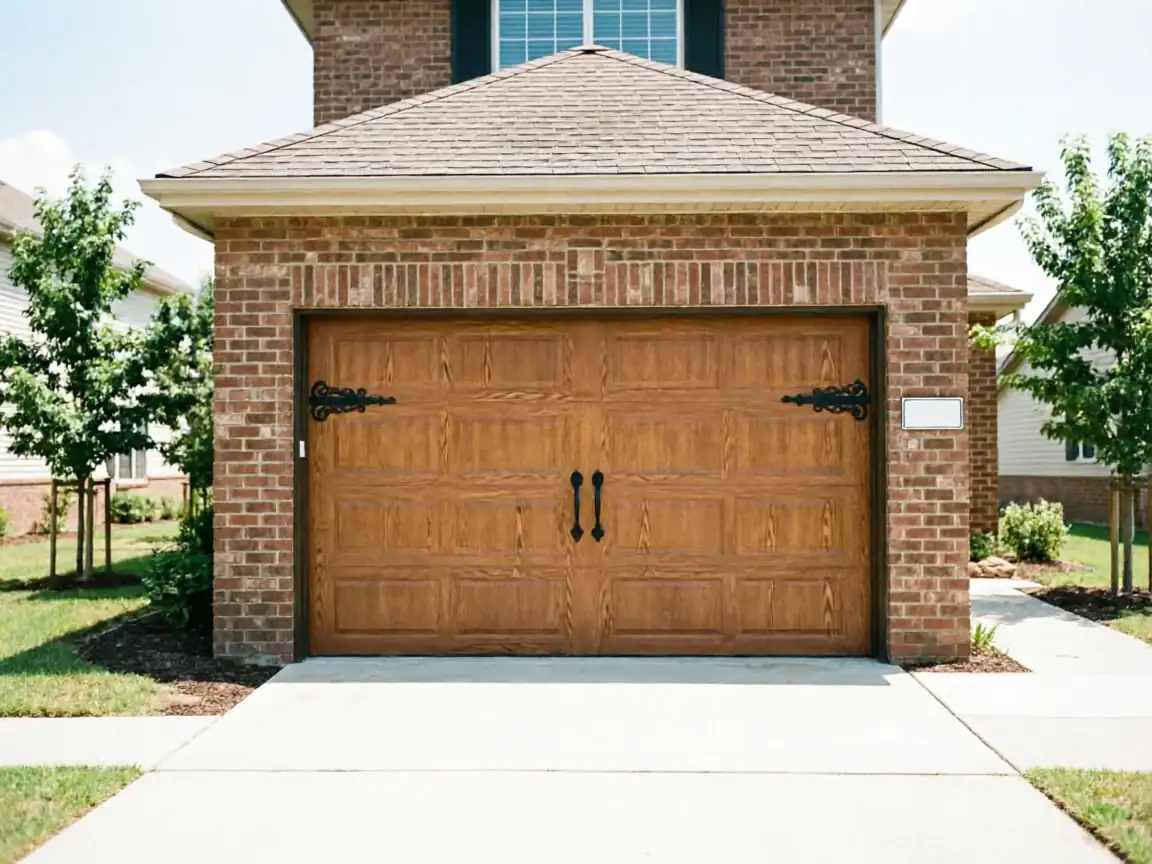
The common failure point is wear, not design flaws. Doors from this era used steel panels with foam-core insulation and standard torsion springs rated for a specific 16-18 year service life - which means a lot of Reno's original springs are now well past due, even if they haven't failed yet. We see more spring replacements here than opener replacements, because the openers of that period, if maintained, tend to outlast their first spring.
- 18 year
The moderate heat band this area sits in doesn't put the same strain on doors that extreme cold or coastal humidity would elsewhere
So you're less likely to see warped panels or rusted-through bottom brackets purely from weather. What we do see is lubrication neglect - nylon rollers from the early '90s that were never designed to be maintenance-free, now grinding dry in tracks that haven't been cleaned in two decades.
The Calls We Get From Here
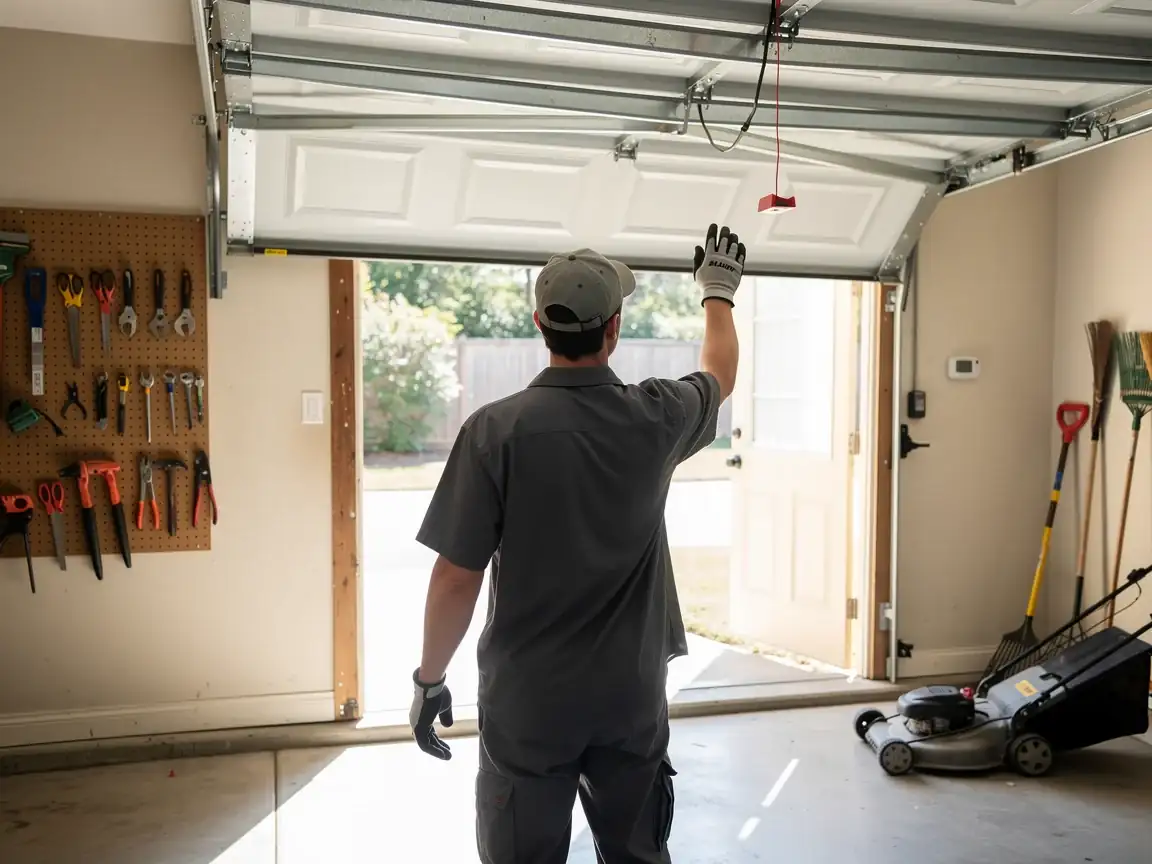
Out of Reno, the calls that come in most often are broken torsion springs on doors original to the house, and opener motors that run but no longer lift - usually a sign the capacitor or gear set gave out around the same 25-30 year mark the door itself is approaching. We also get calls about doors that reverse unexpectedly partway up, which on a home this age is often a misaligned safety sensor rather than anything wrong with the spring or track.
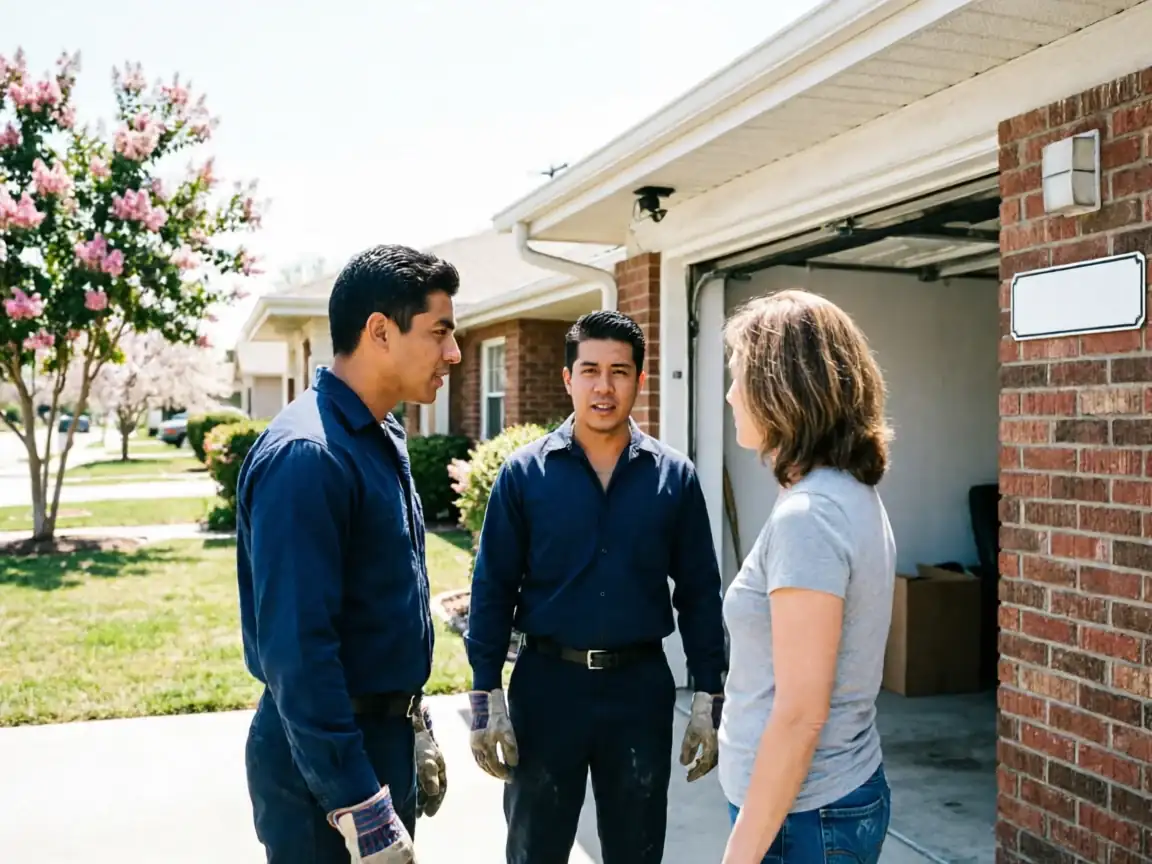
Fewer calls come in about full door replacement, which tracks with the age of the stock - most Reno doors haven't hit the point where replacement beats repair, though that'll shift over the next several years as more springs and openers reach end of life together. We travel out from Azle for these calls; we don't keep a standing crew stationed in Reno, so scheduling runs through the same dispatch as the rest of our coverage area.