This Area's Housing
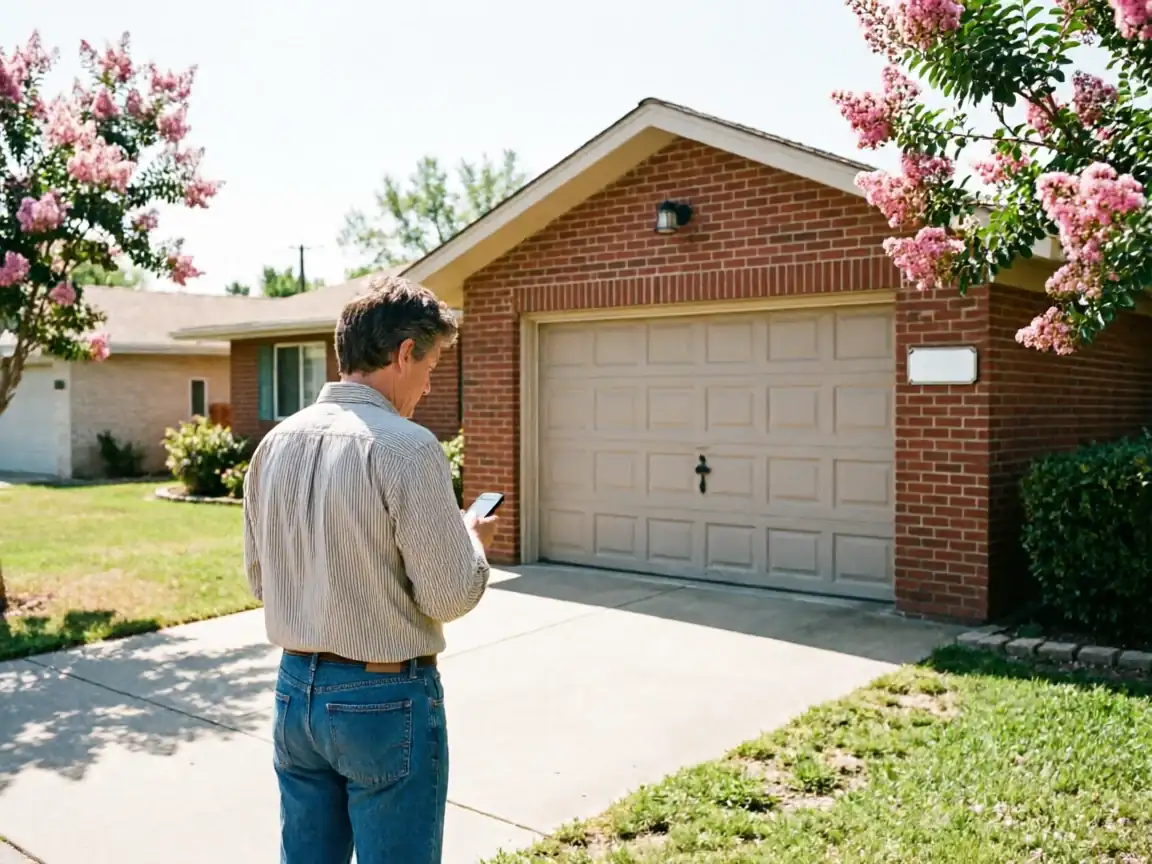
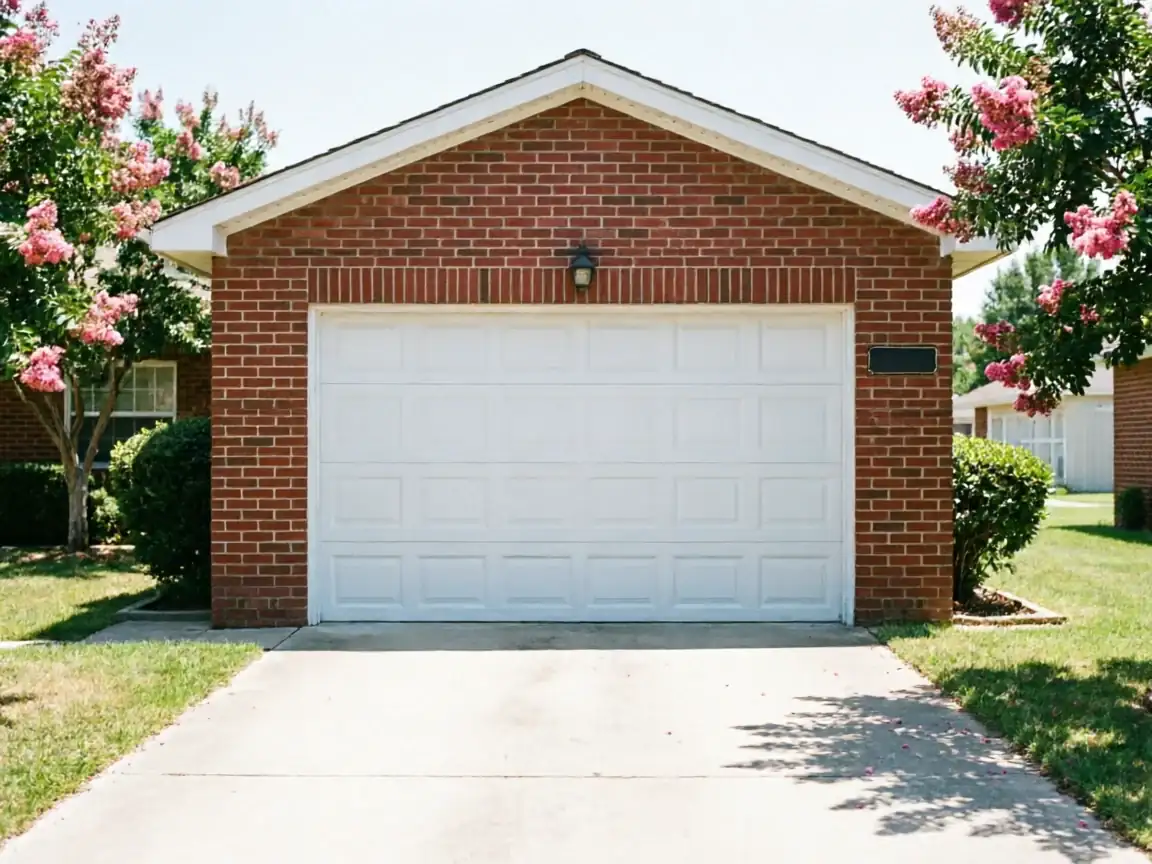
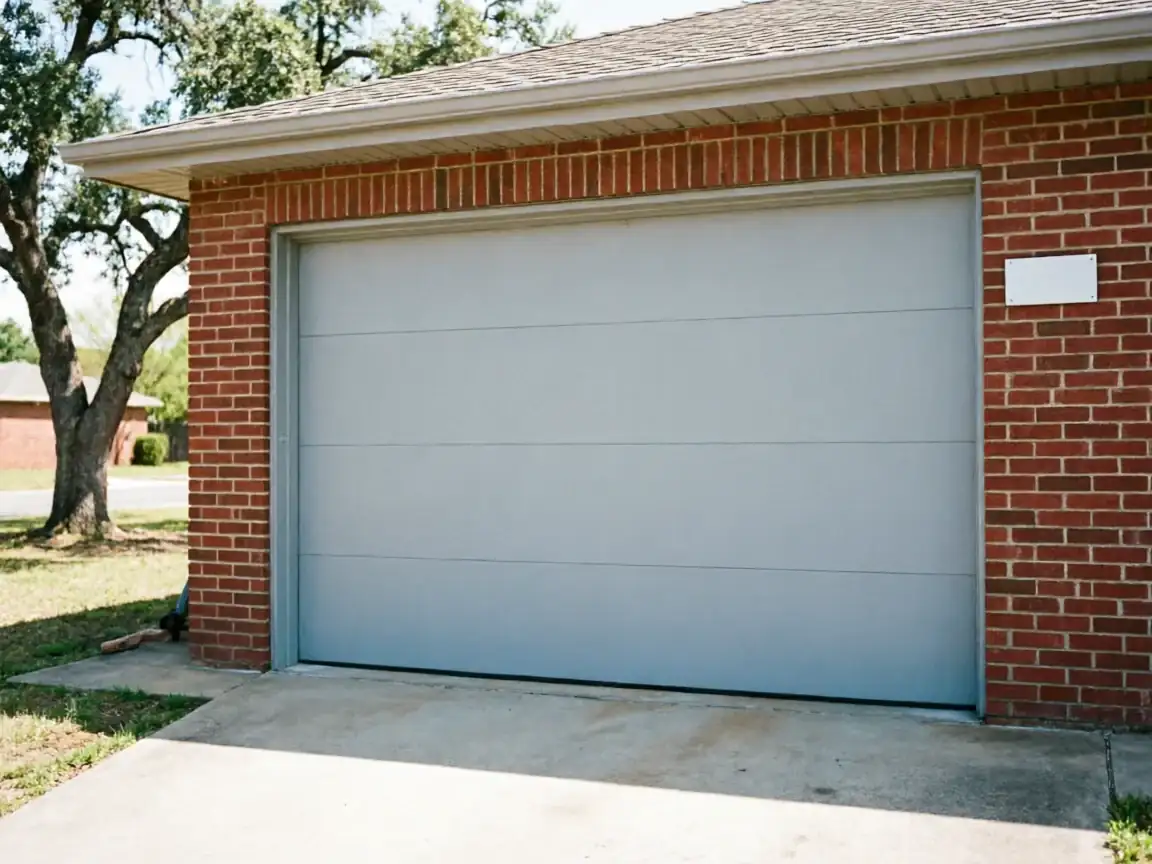
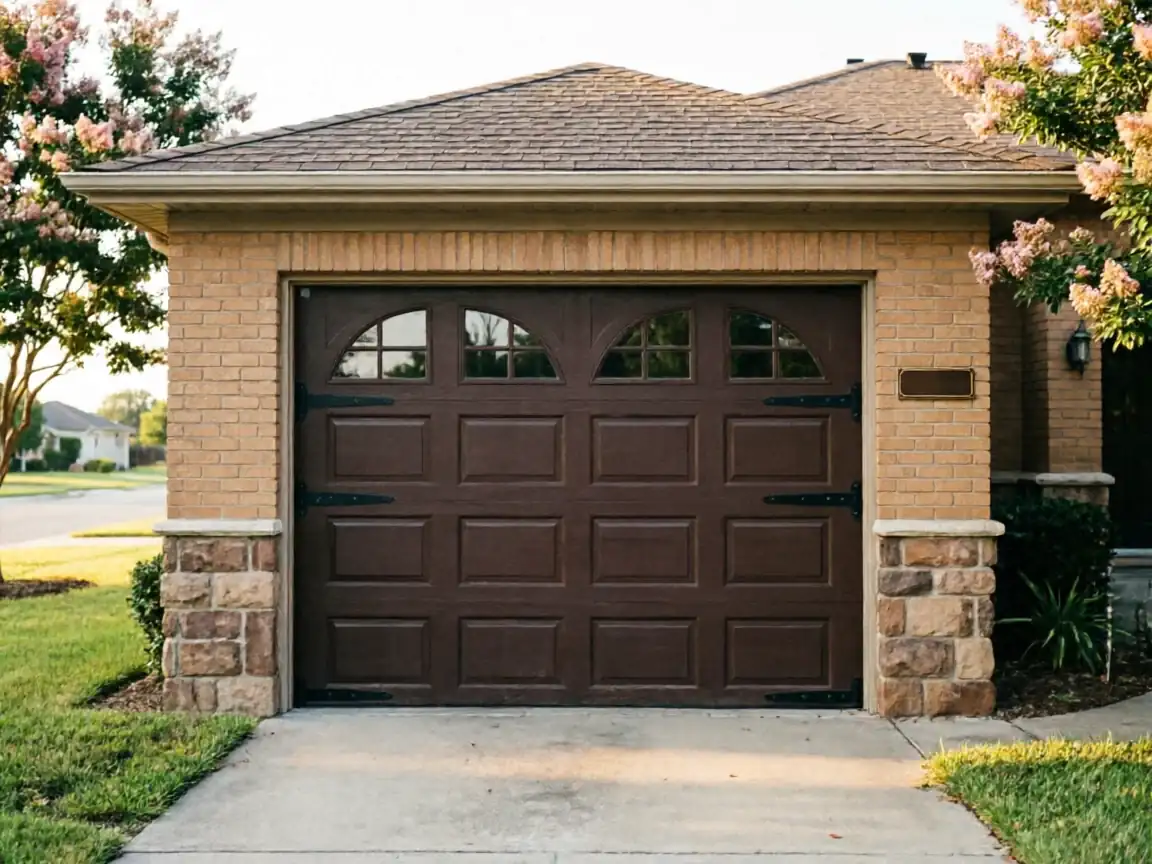
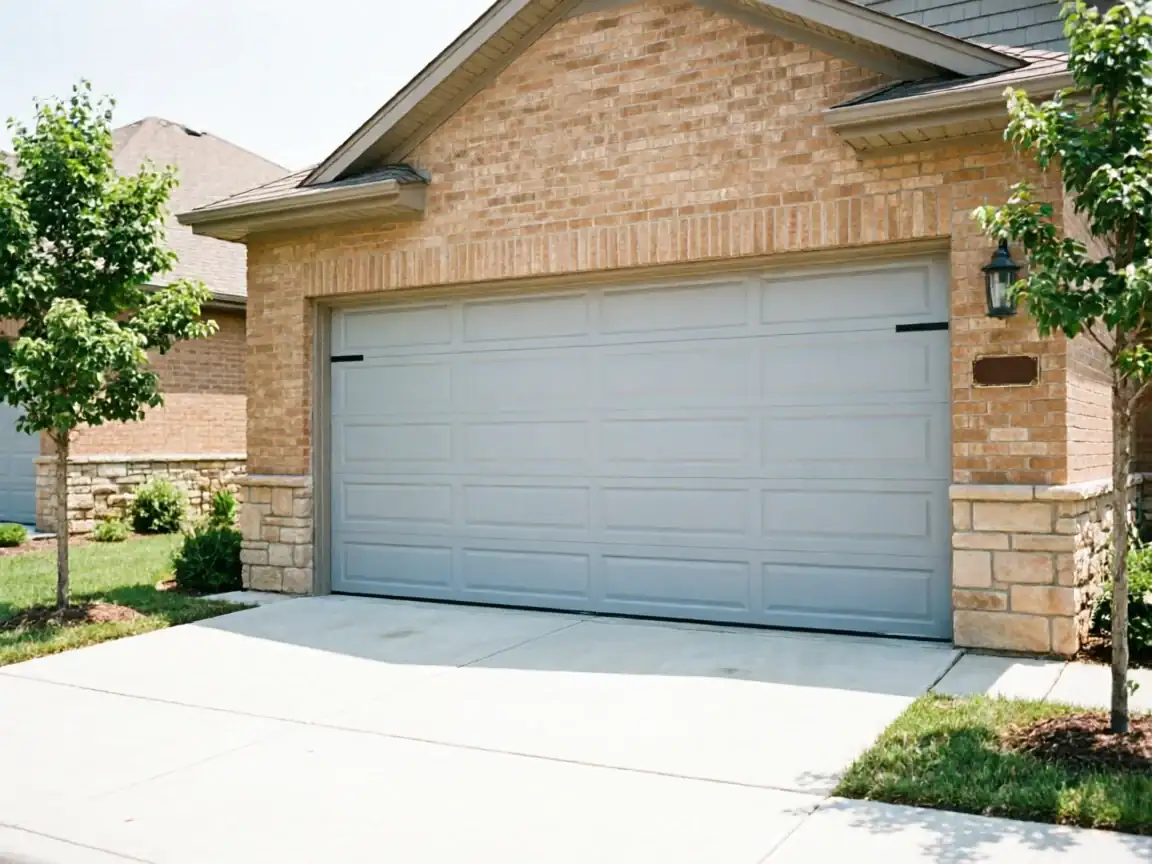
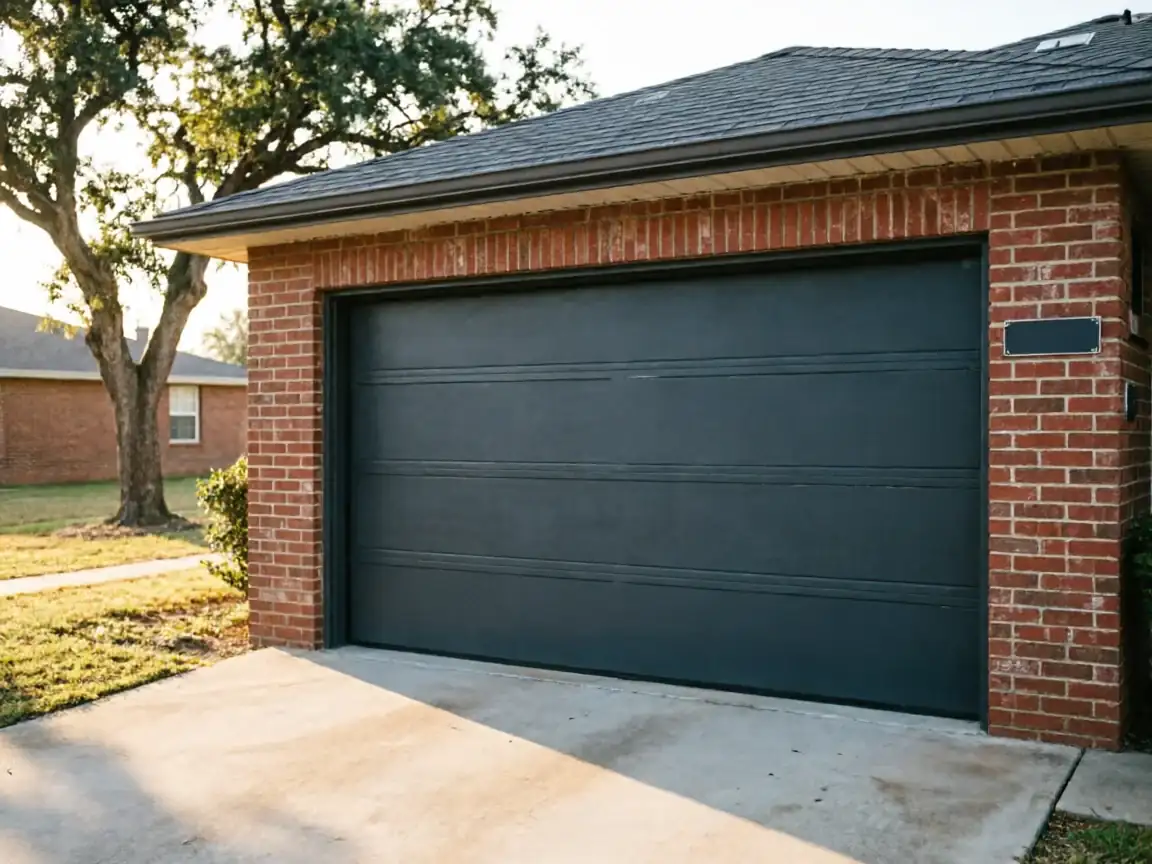
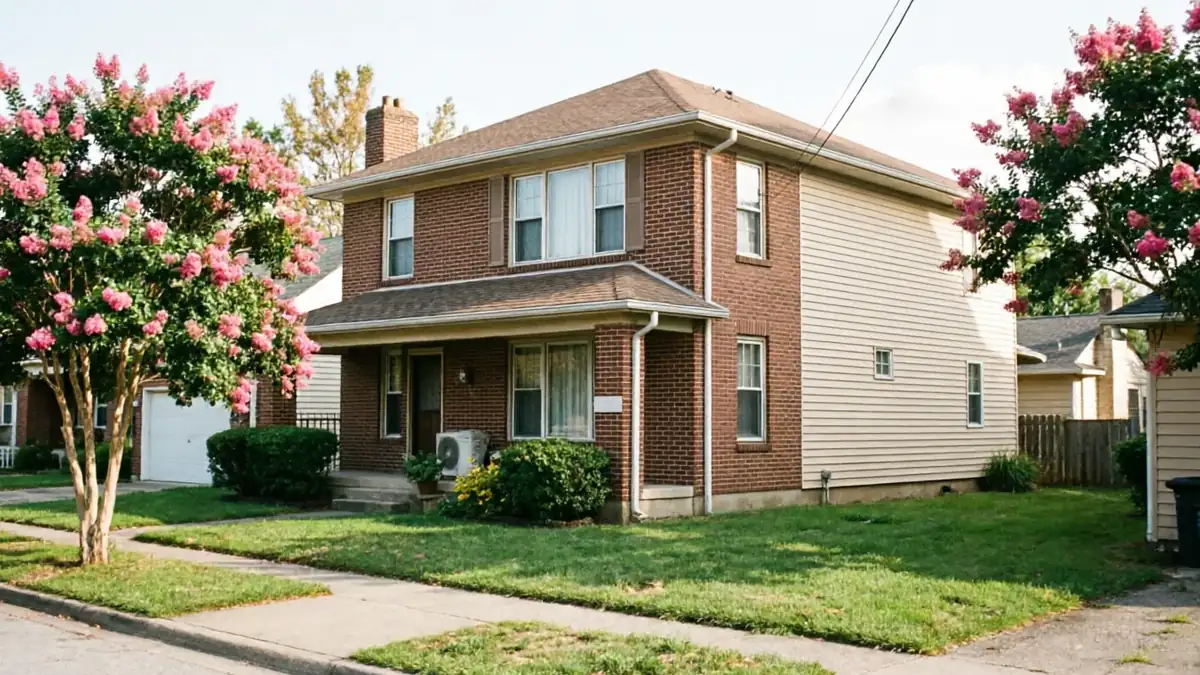
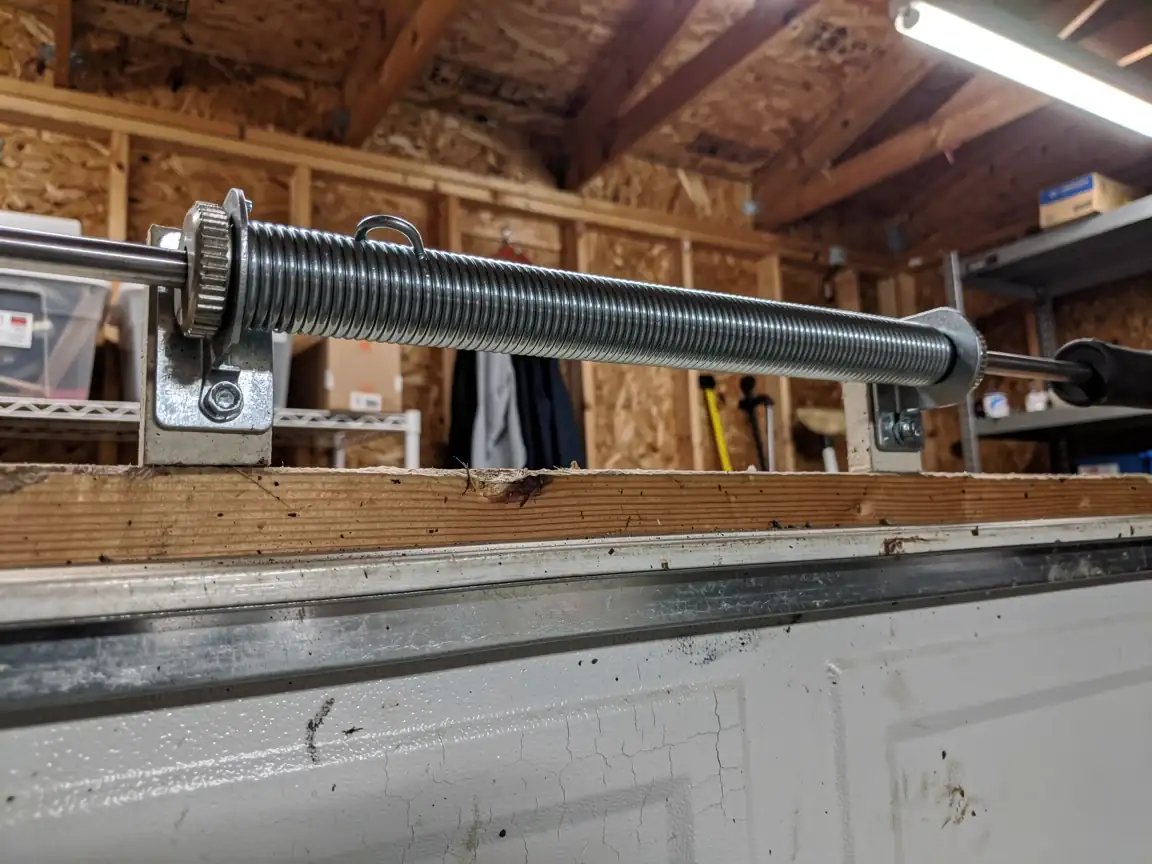
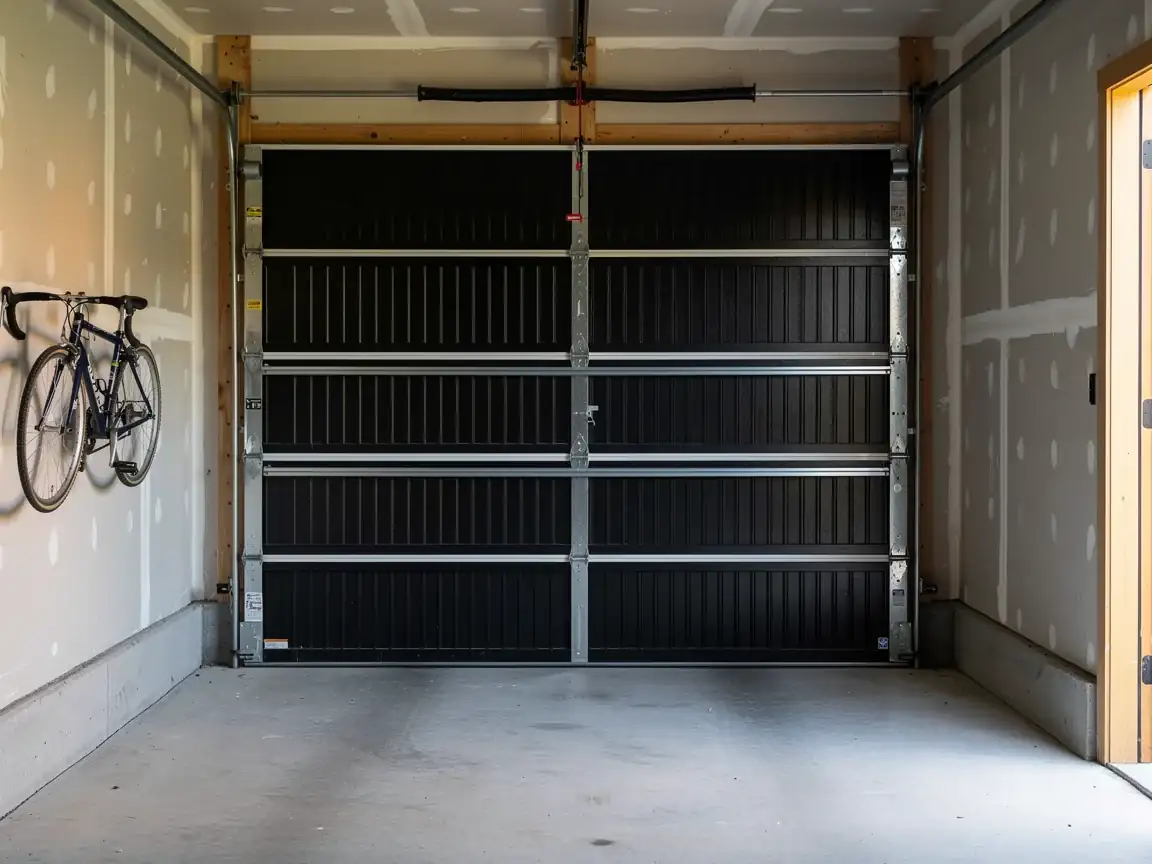
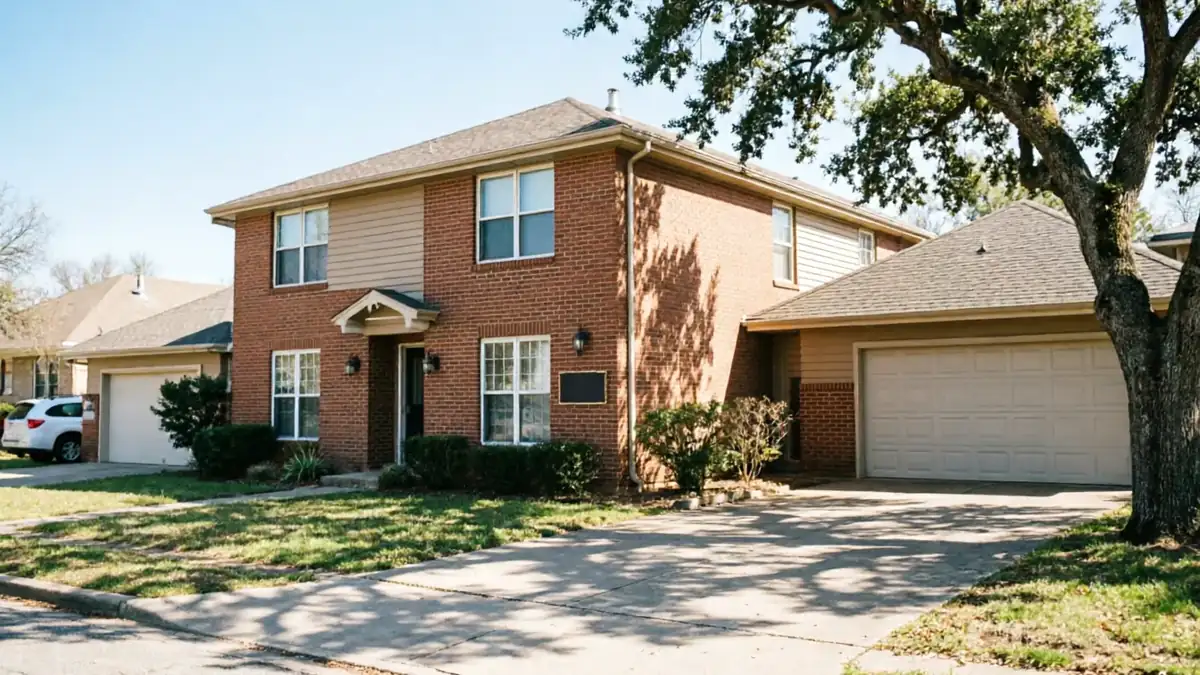
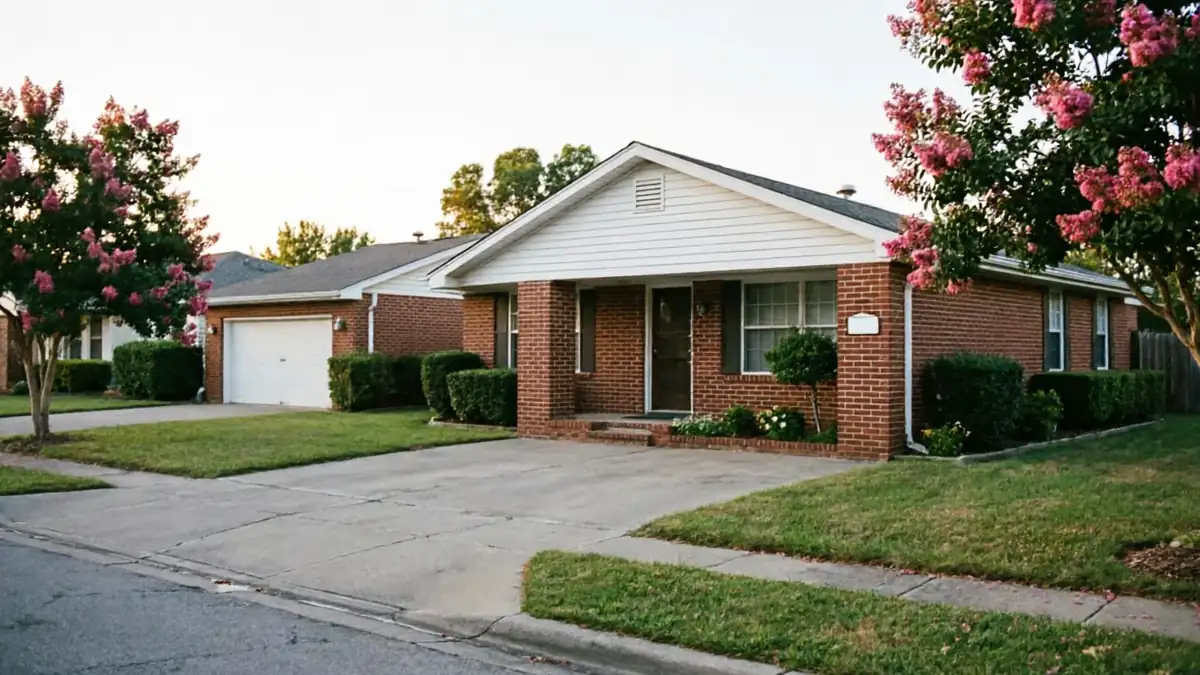
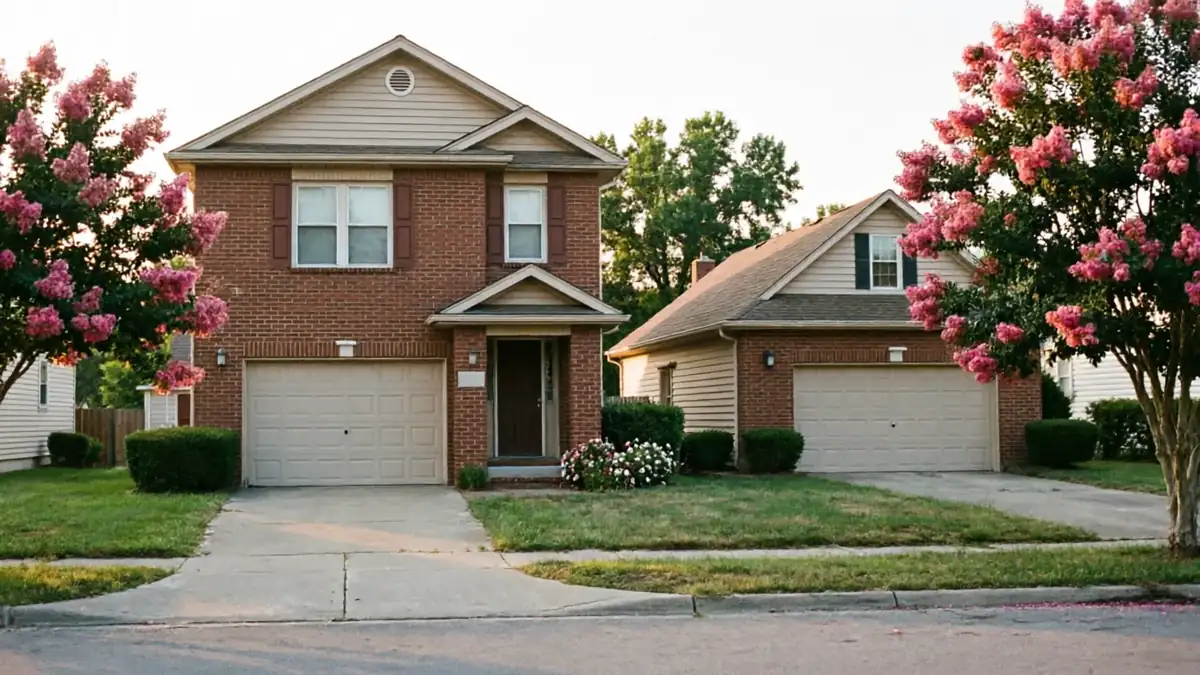
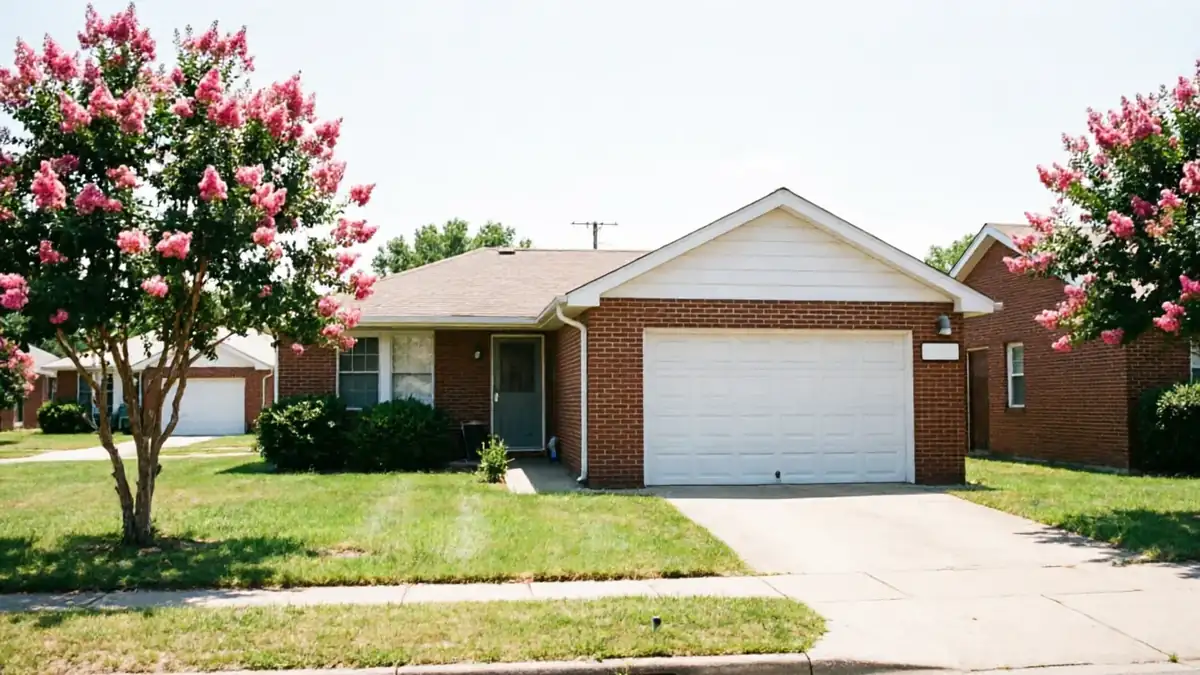
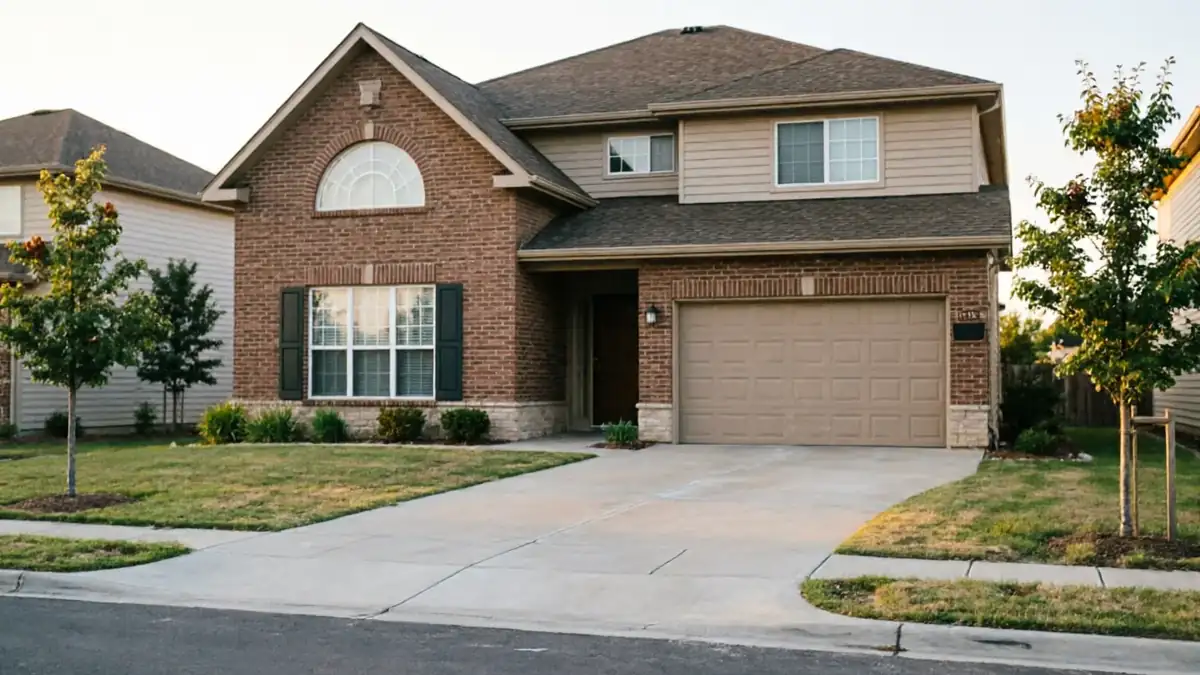
Lake Worth's housing stock centers on 1967, which puts it a good two decades ahead of when most of the wider service area got built out - the broader market here runs on a median closer to 1991. That gap matters more than it sounds like it should. A door installed when a Lake Worth home went up in the late 1960s is running on hardware that predates the torsion-spring setups that became standard in newer construction. You're more likely to find extension springs mounted along the horizontal tracks, single-layer steel panels, or in some cases the original wood-core door nobody's gotten around to replacing. With around 1,793 households in this area and a median income of $83,869 - below the $90,970 average across the full service area - we see a lot of repair-first decisions here rather than straight replacements. That's not a knock on the area. It's just a different calculation than you'd run in a neighborhood where every garage went up in 2005.
What We Will Not Take On
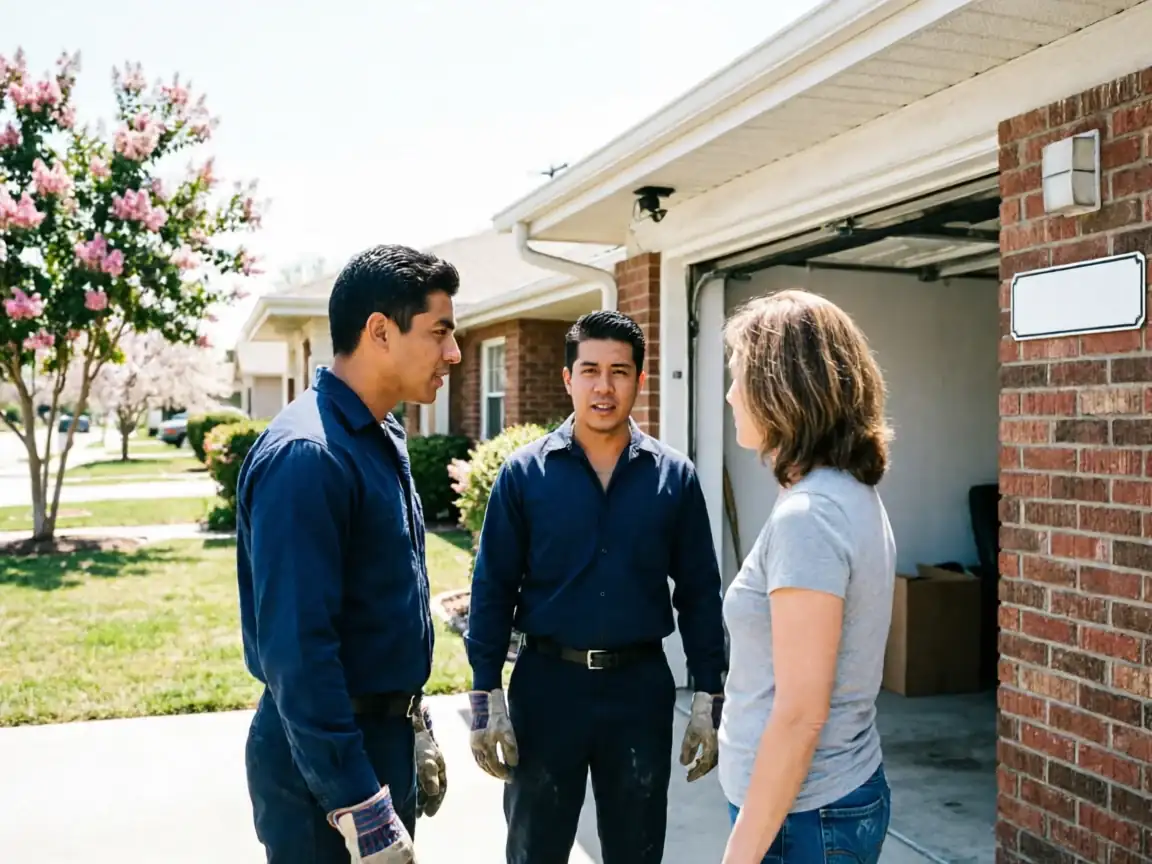
We run out of Azle, about 8 miles from Lake Worth, and we don't keep a second location or a dedicated crew stationed here. That means we're not the call for an emergency where you need someone in your driveway in the next fifteen minutes - we're driving in like everyone else. We also won't tell you a 1967-era wood panel door is worth refinishing and fixing indefinitely just to avoid a sales pitch. Past a certain point - rot in the bottom panel, a frame that's racked, hardware so obsolete the parts aren't made anymore - patching it is money spent on a door that's going to fail again in a year or two. We'll say so plainly instead of running up a repair bill on something that should be replaced. What we won't do is guess at your situation over the phone and quote a fix sight unseen; doors this old vary too much house to house for that to be honest work.
The Calls We Get From Here
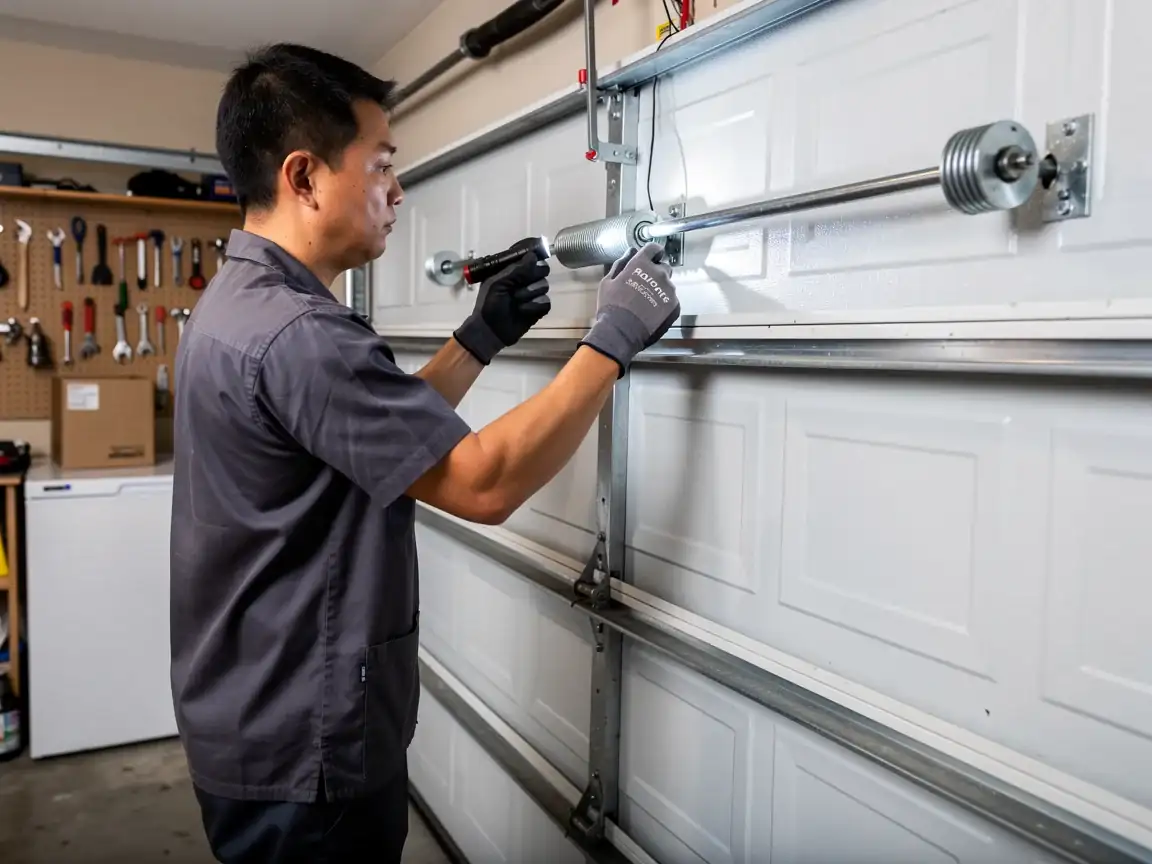
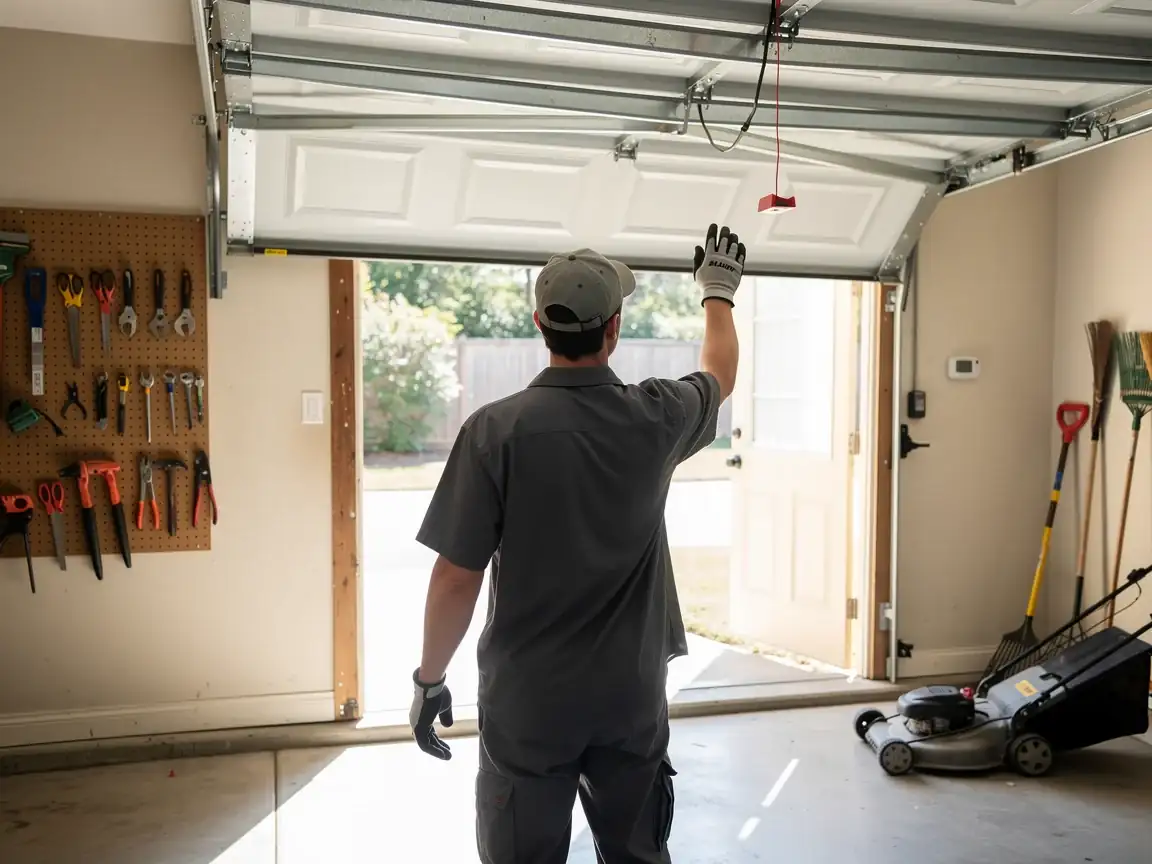
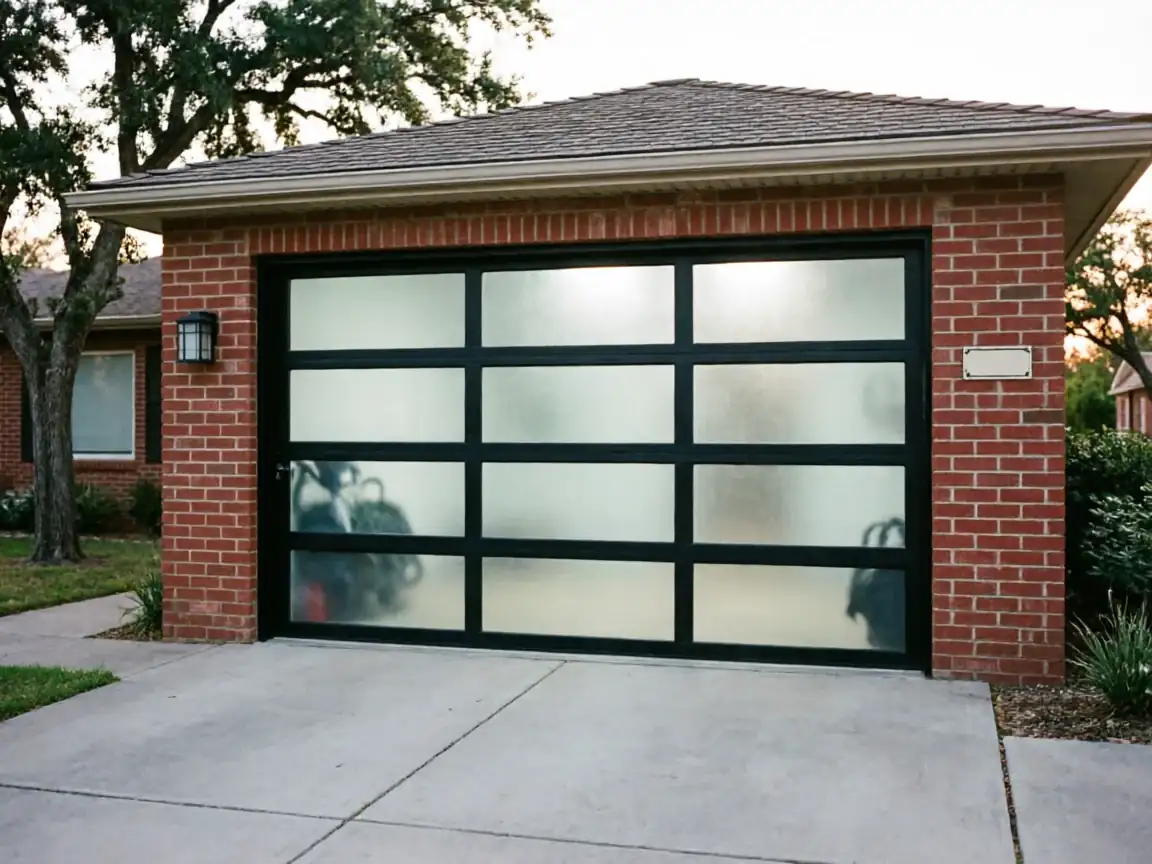
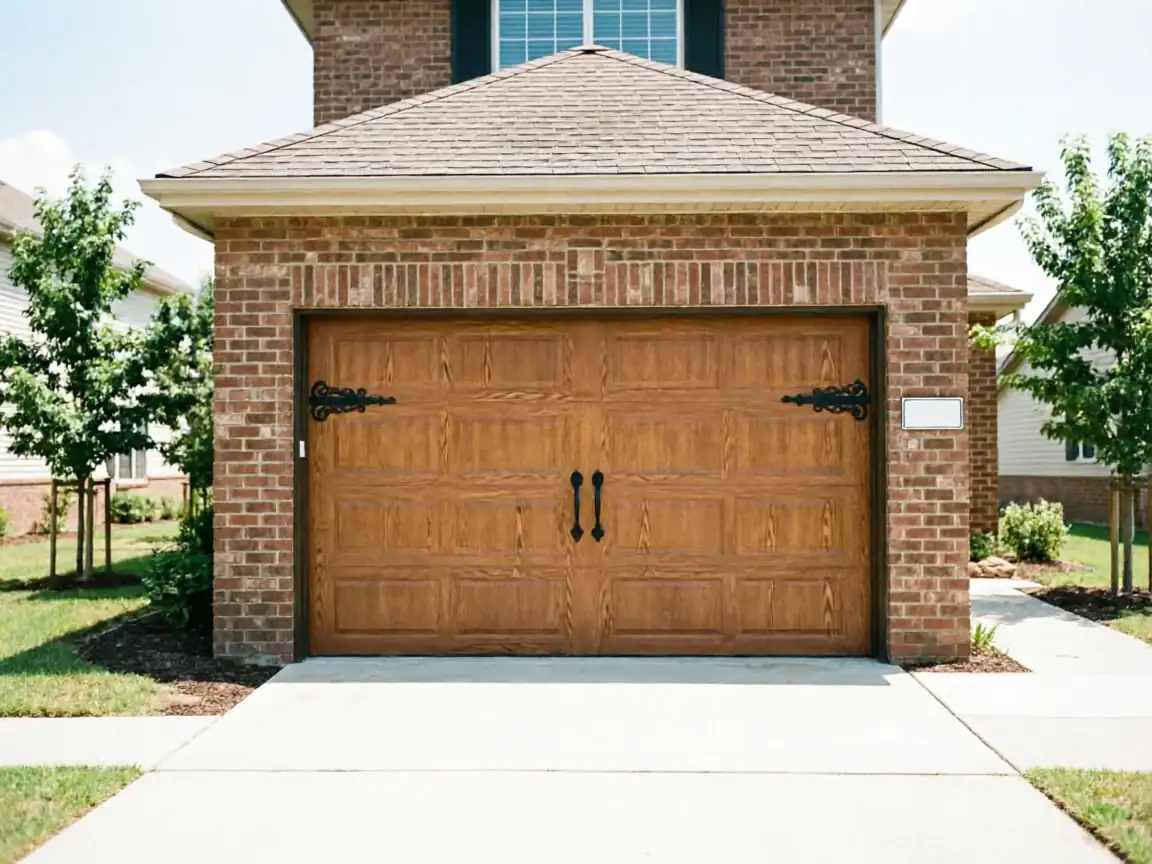
Most of what comes in from Lake Worth falls into a few categories: a spring that's finally given out after decades on the same coil, an opener that's been retrofitted once or twice and is now straining against a door it wasn't matched to, or a track that's bent enough to throw the door off alignment. We also get calls where a homeowner wants a second opinion before sinking money into a door that might be past the point of repair - given the age of the stock here, that's a fair question to ask before any work starts. We're not going to pretend every one of these is a quick fix. Some are. Others need an honest conversation about whether the smarter move is a new door built for current hardware instead of another patch on the original.