What Local Conditions Do
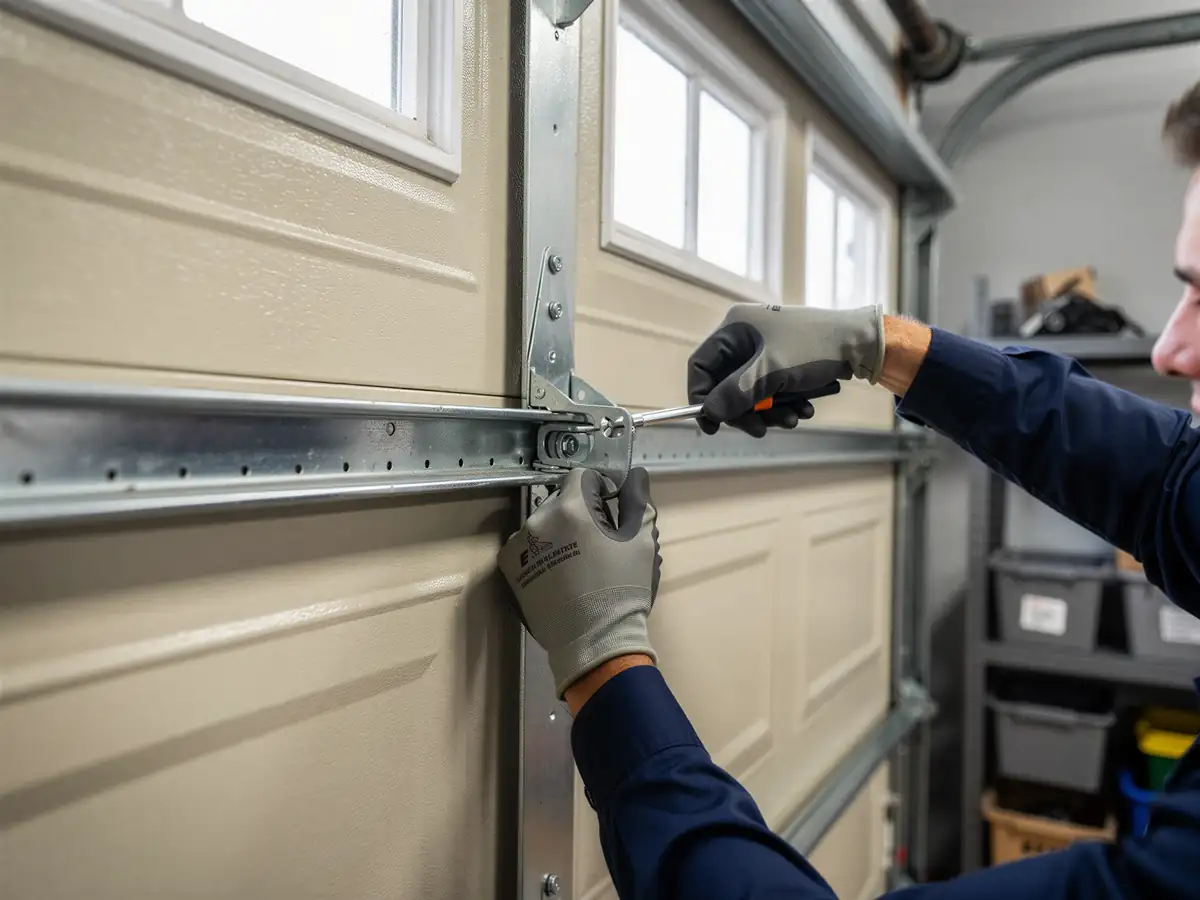
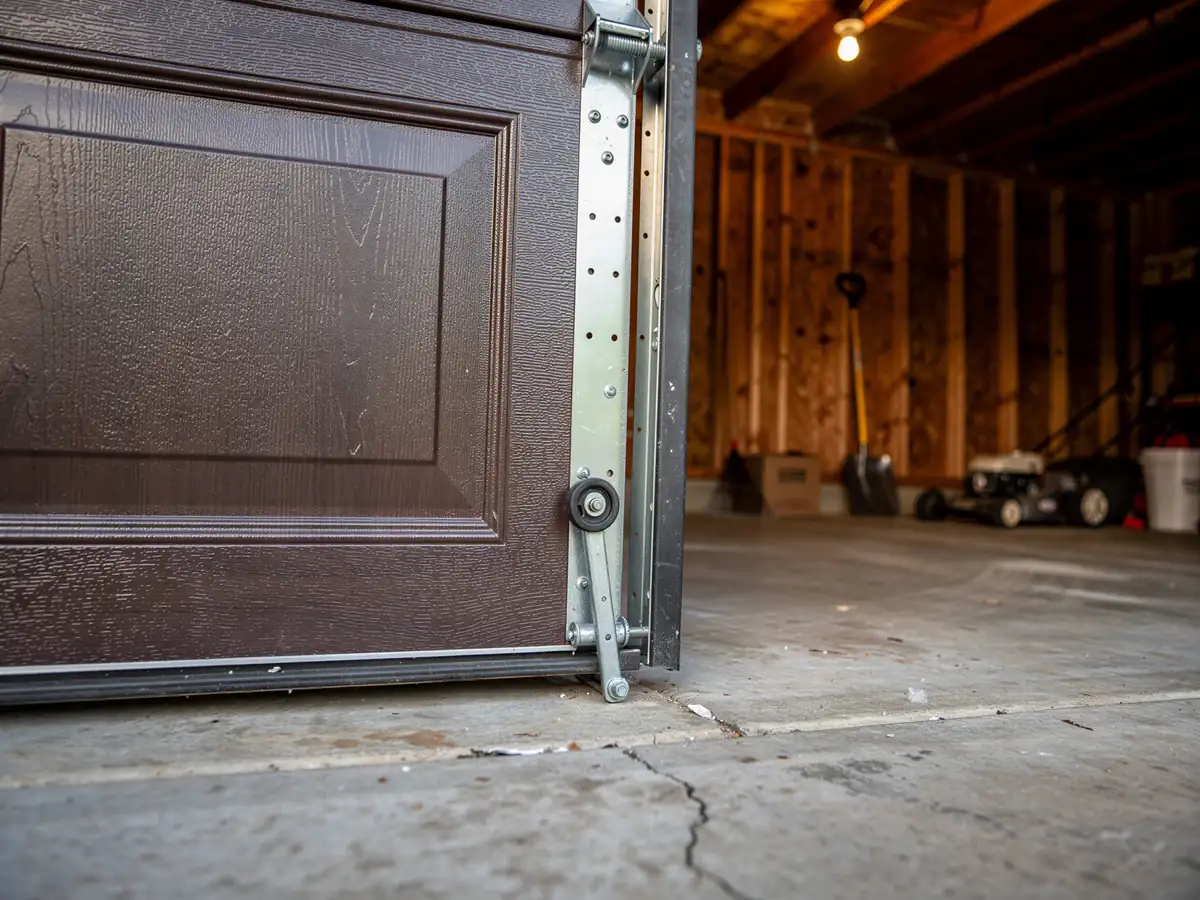
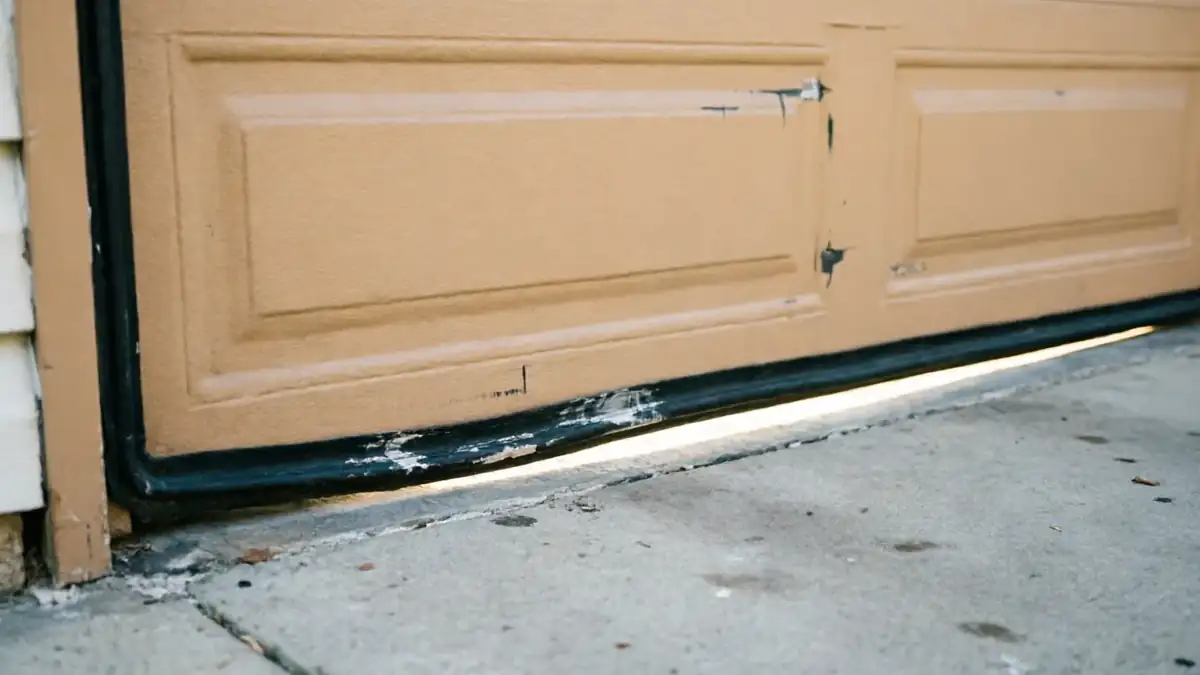
Azle sits in a moderate heat climate band, not a deep-freeze one, so the draught problem here isn't about pipes bursting behind the garage wall. It's about rubber. Across the 24 named areas we work, most houses went up in the 1980s and 90s, inside a broader range of 1953 to 2010 with a median build year of 1991. Doors from that era came with vinyl bottom seals and side astragals sized to aluminum retainer channels that were standard then. Thirty-some summers of heat cycling - the seal expanding in the afternoon sun, pulling back at night - dries that vinyl out and works it loose from the channel long before anyone notices daylight under the door. That's the actual mechanism behind the draught, not a mystery gap that appeared overnight. Newer doors in the area, built closer to 2010, use seal profiles that hold up longer under the same heat load, which is part of why two houses a block apart can be in very different shape. The moderate heat band also means we're not dealing with ice-expansion cracking the way colder climates do - the failure here is slower, more gradual, and easier to catch early if you look at the seal instead of waiting for a cold draught to announce it.
Leaving It Alone
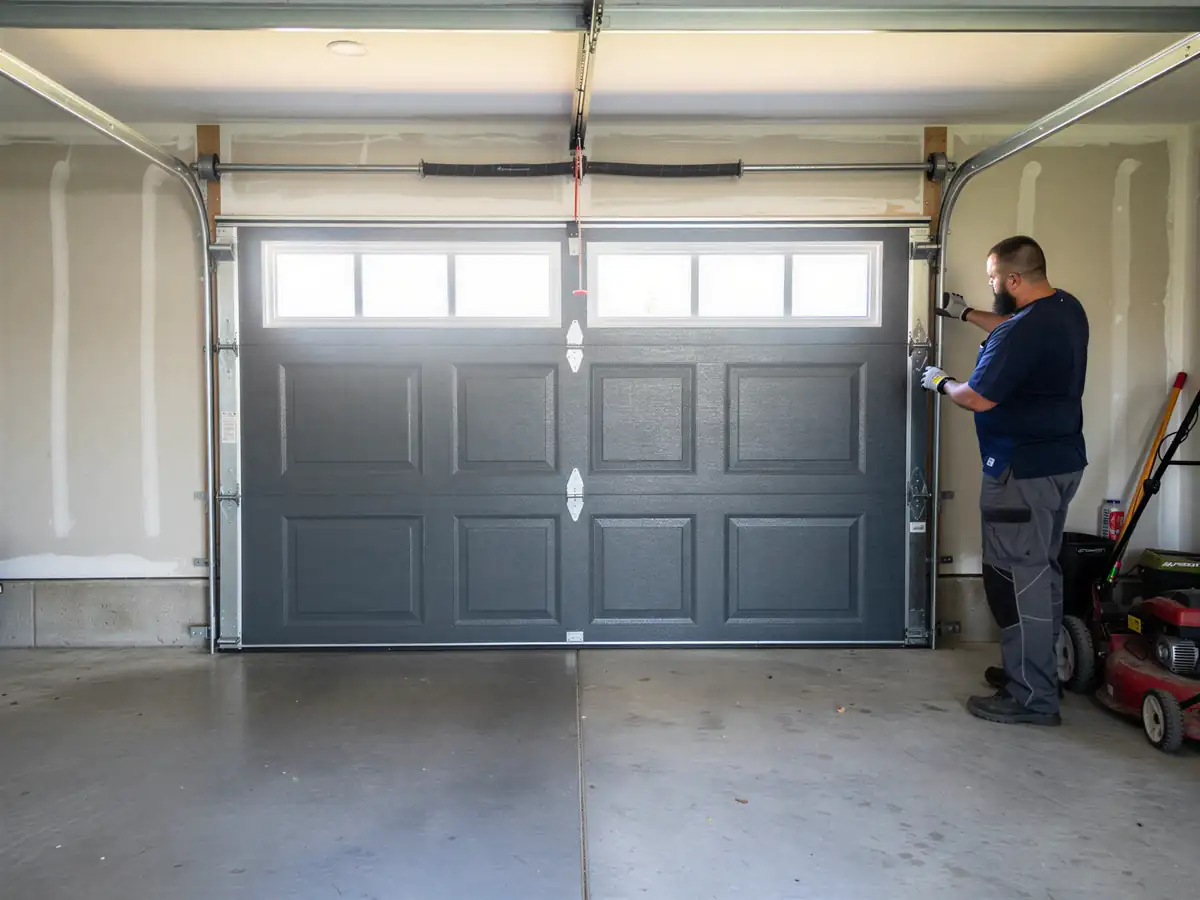
Not every draught needs a truck. If the seal is still pliable, sits flush along most of its length, and you can't see daylight under the closed door except at one short stretch, that's a seal that's aging normally for its 1980s-90s hardware and isn't an emergency. With median household income in the area at $90,970, most owners here can afford to fix things properly rather than patch them twice, so there's little upside to a quick-fix seal glued over a cracked one - it'll pull loose again within a season of Texas heat. The honest limitation: we don't stock every seal profile for every door era that went into this area between 1953 and 2010. Some retainer channels used on older builds need a special-order seal, and that can mean a few days' wait rather than a same-day fix. If your door is one of the older ones and the gap is cosmetic rather than a performance problem - no bugs, no debris, no real airflow - it's fair to wait for the right part instead of forcing a universal seal into a channel it wasn't built for.
The Situation
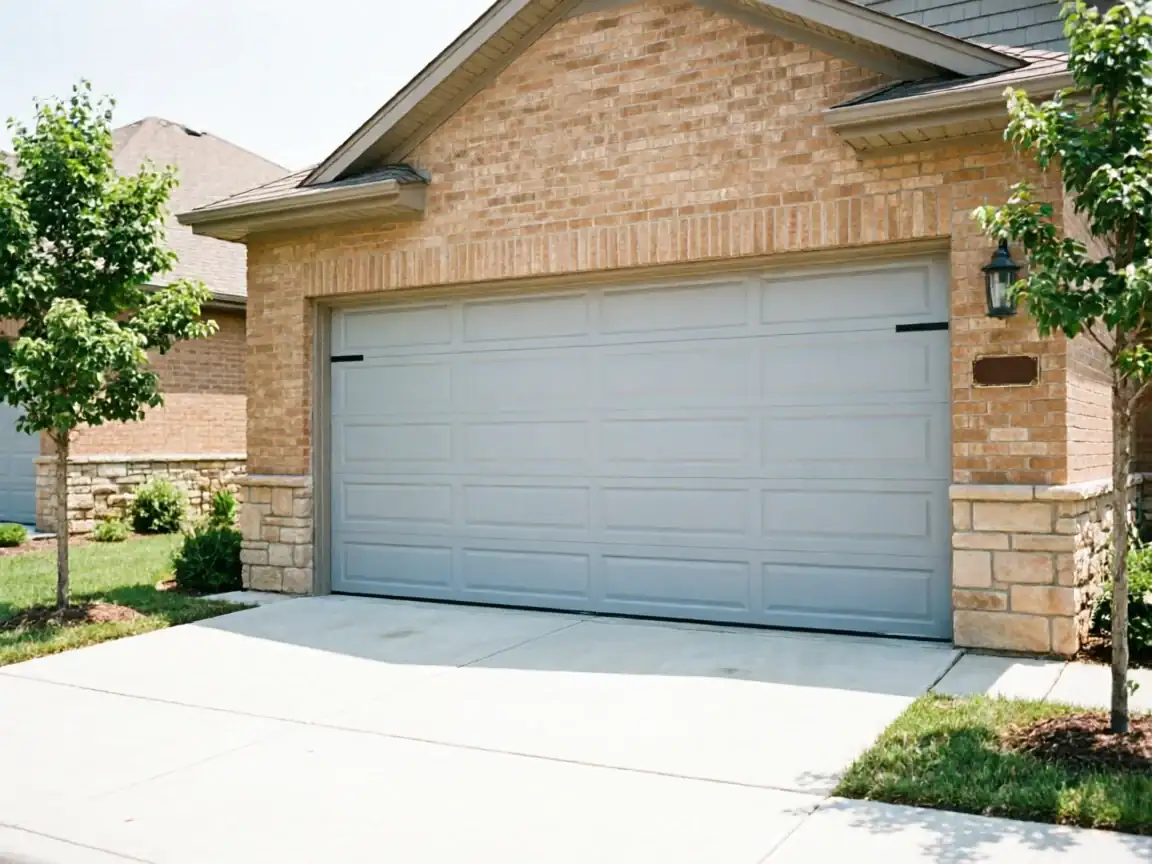
Azle Garage Door Pros works a service area built mostly in the 1980s and 90s, with houses ranging as far back as 1953 and as recent as 2010 - a median year of 1991 that puts a lot of original door hardware squarely into its fourth decade. Across the area there are 31,213 households and 19,518 owner-occupied houses, which is a meaningful number of garages carrying seals and springs from the same building boom. The towns we're closest to give a sense of the ground we cover: Reno is about 4 miles out, Pecan Acres and Lakeside around 6, with Lake Worth, Newark, and Briar all within roughly 9 miles. Further out - Springtown, Sansom Park, Aurora, Westworth Village - run 10 to 11 miles, with River Oaks, Willow Park, Haslet, Westover Hills, Rhome, and Boyd a bit past that. It's a wide stretch of mostly older, owner-occupied housing stock sitting in the same moderate heat band, which is exactly the combination that produces the seal and draught calls we see most - not a new-construction problem, a thirty-year-old-vinyl problem.