Can You Do This Yourself
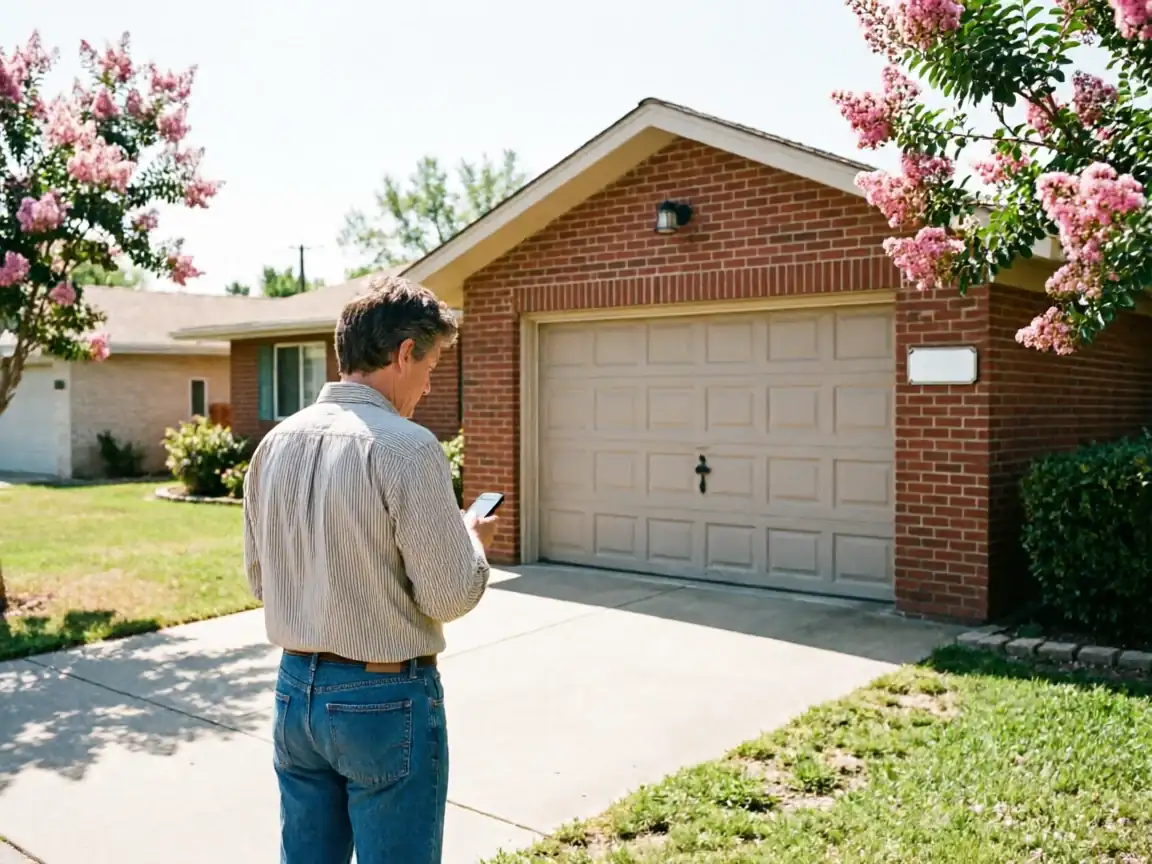
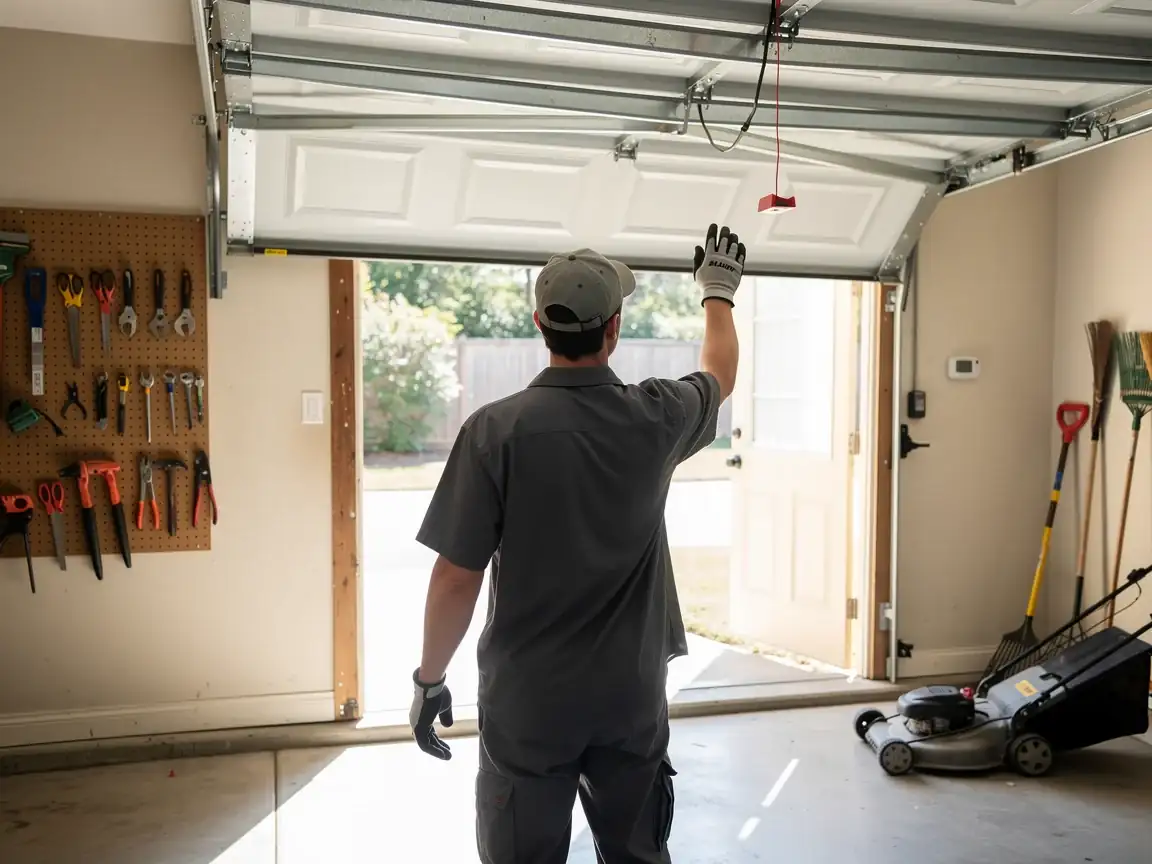
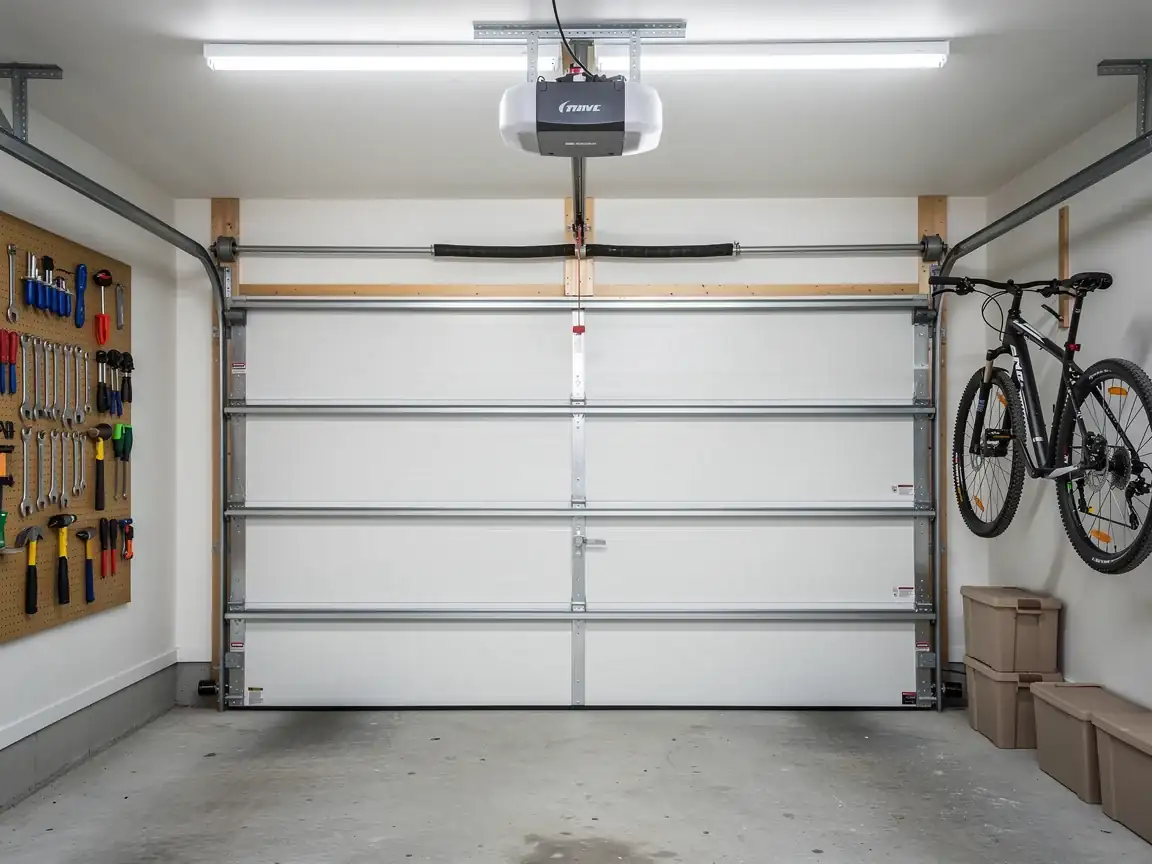
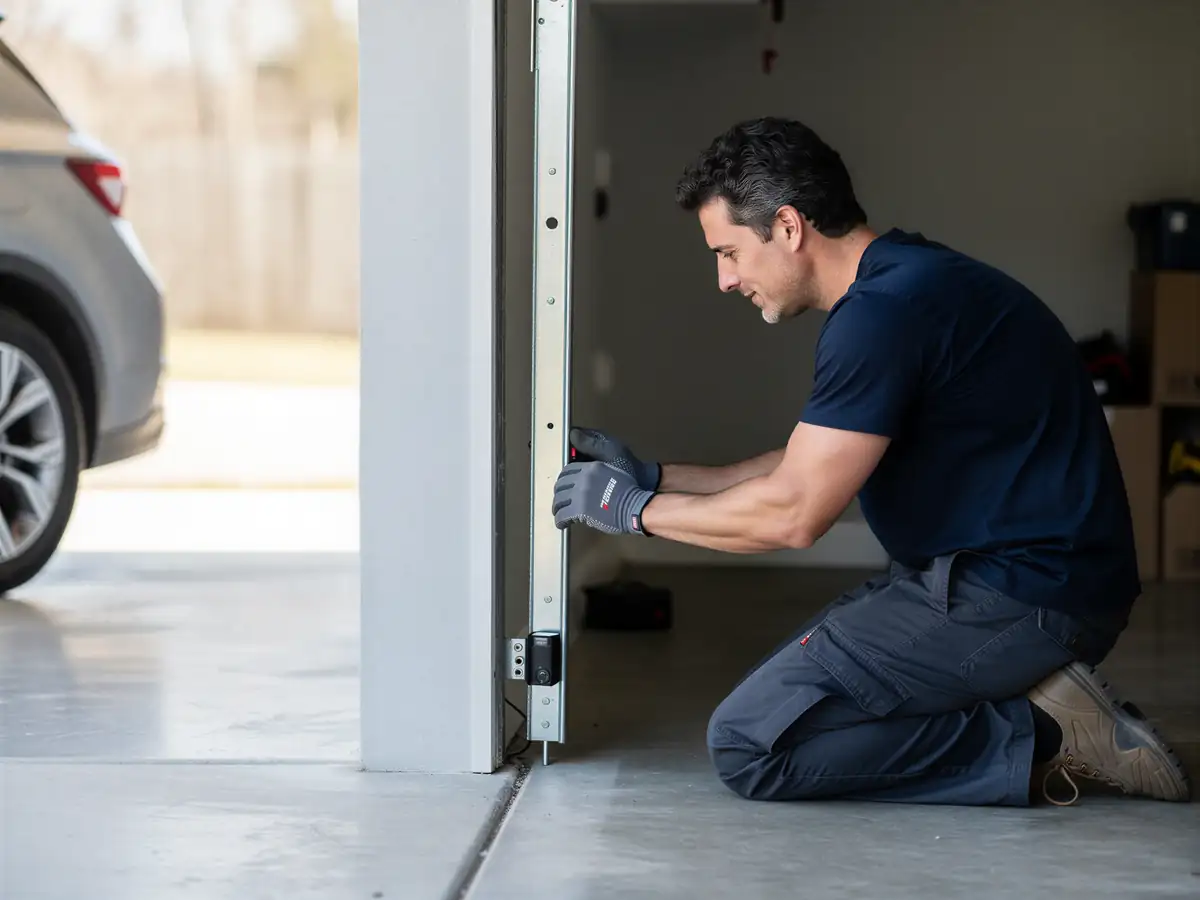
Some opener problems are a five-minute fix. If the remote stopped working but the wall button still opens the door, change the battery first, then reprogram the remote per the manual on the motor unit. If the door won't move at all and the light on the opener is blinking, count the blinks and check them against the manufacturer's code chart taped inside most unit housings - that tells you whether it's a safety-sensor fault, which you can often clear yourself by realigning the two eye sensors at the bottom of the track.
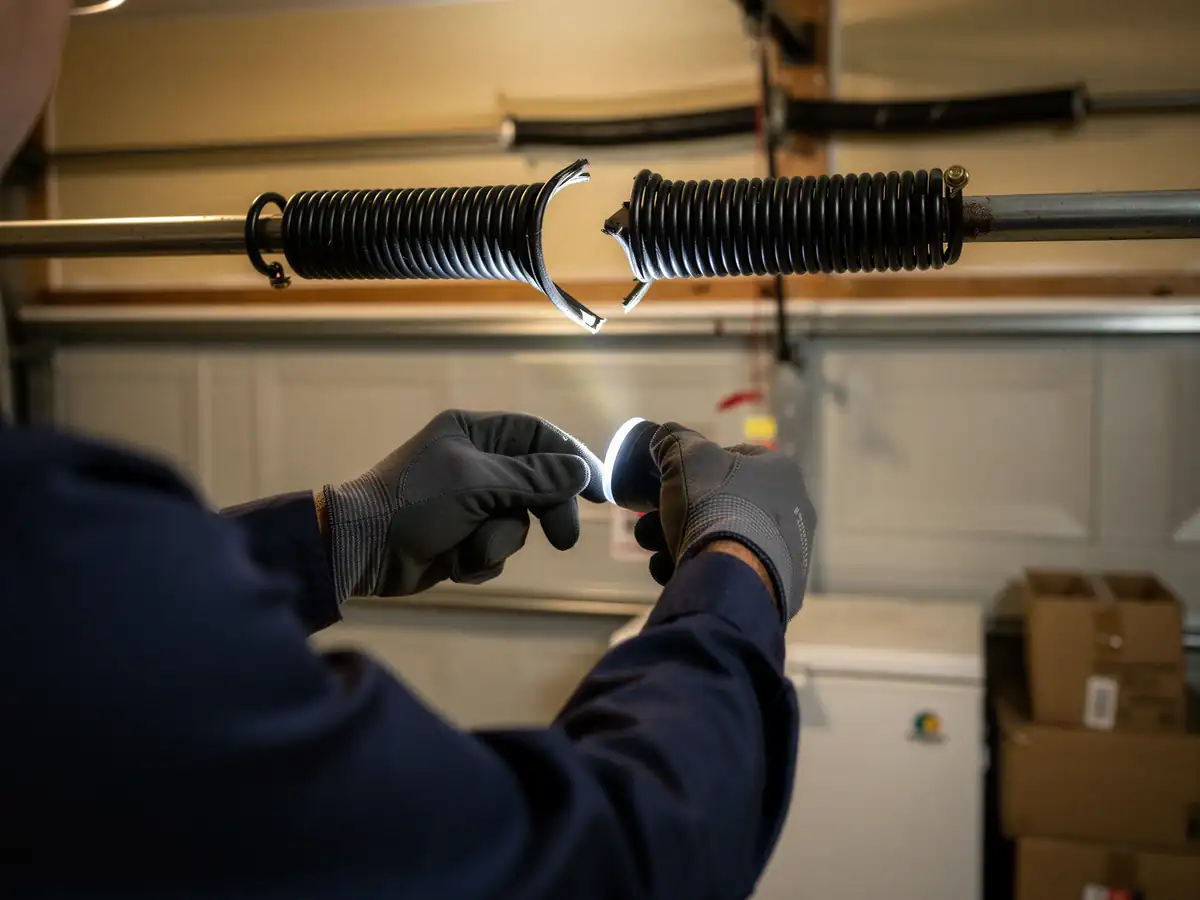
What you shouldn't touch: anything involving the opener's drive gear, the circuit board, or a motor that hums but doesn't turn. Those jobs mean partial disassembly of a spring-loaded system, and a mistake there can drop a door on a hand or a car. If the opener is original to a house built in the 1980s or 90s - which describes a lot of the stock in this service area - parts for that specific chain-drive unit may not be sold anymore, and guessing at a fix can turn a $150 repair into a full replacement. If you've tried the sensor realignment and the remote reset and the door still won't respond, that's the point to call instead of keep tinkering.
What the Fix Involves
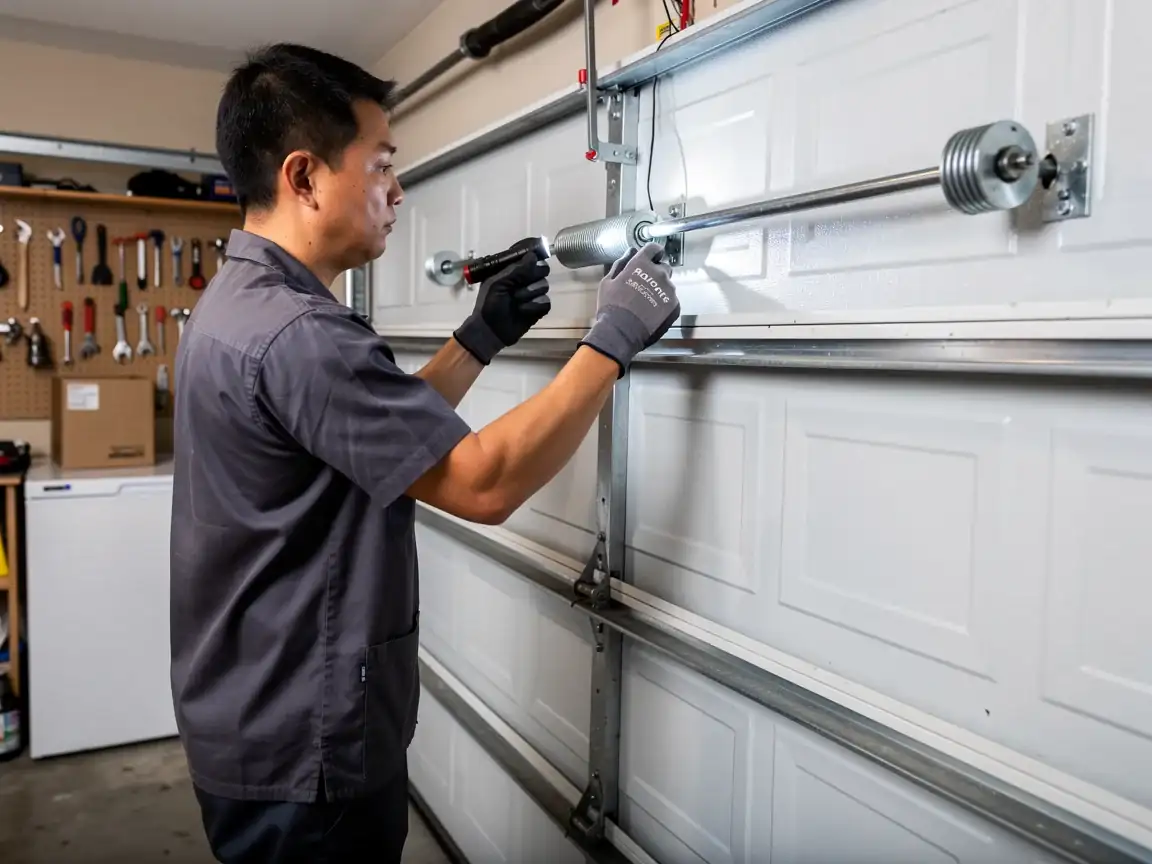
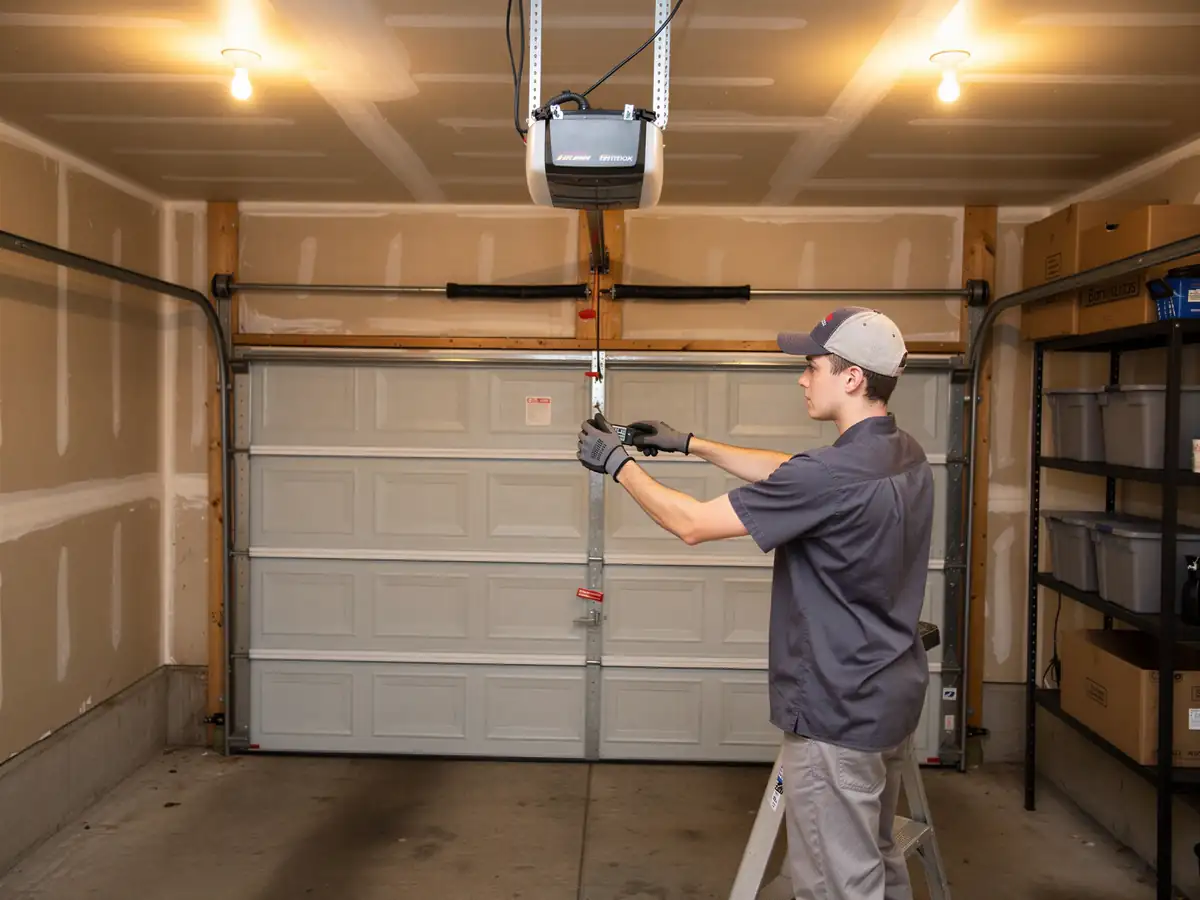
A proper opener repair starts with ruling out the cheap stuff: power to the outlet, the wall switch wiring, the sensor alignment, and the remote's signal. Past that, we're into the drivetrain - chain, belt, or screw depending on what the house came with - checking for stripped gears inside the motor housing, which is the single most common failure we see on units that have been running fifteen-plus years.
If the motor itself has gone - burnt windings, a capacitor that's died, a circuit board that's fried - replacement is usually the better call than repair, especially once a unit is past the age where the manufacturer still stocks boards for it. We'll tell you straight when that's the case rather than billing for a patch that won't hold. Travel limits, force settings, and sensor calibration get reset and tested at the end of every job regardless of what broke, because a door that closes but doesn't sense an obstruction correctly is a liability we're not willing to leave behind us.
Why It Happens Here
Housing across this service area was built mostly between 1953 and 2010
With the midpoint landing around 1991, and that matters directly for openers. A huge share of houses are still running the chain-drive unit that was installed when the garage was framed - older owners never had a reason to swap it out if it kept working, so these motors are routinely 25 to 35 years old and well past the point where internal gears, capacitors, and circuit boards hold up reliably.
- 35 years
The area's climate band runs moderate on heat
Which is kinder to openers than a freeze-thaw cycle would be, but it still means the motor housing and the gear lube inside it spend long summer stretches at high operating temperature. That accelerates wear on the nylon drive gear specifically - it's the part that strips first in units of this vintage, and it's often the quiet cause behind a motor that hums loudly but doesn't turn the shaft. With a median household income of $90,970 across the area, most owners here can afford to replace an opener outright once it's past repair rather than keep nursing a unit that's going to fail again in six months.
- $90,970 median household income
How It Shows Up
The most common complaint we hear is a door that hums or clicks but doesn't move - that's almost always a stripped drive gear or a slipping belt/chain, not the motor itself. Close behind that: a remote that worked yesterday and does nothing today, which is either a dead battery, a lost code after a power outage, or occasionally a receiver board going bad inside the unit.
A door that reverses immediately after it starts to close points to the safety sensors, either misaligned or blocked by something in the garage. A door that's noticeably slower than it used to be, or that strains audibly partway through the cycle, usually means the gear is partially stripped and getting worse - it'll keep working until it doesn't, often with no warning in between. Openers that cycle fine in cooler months but hesitate or stall during the hottest stretch of summer are showing heat-stressed capacitors or overworked gear lube, which lines up with how many of these units are original to houses now three to four decades old.