This Area's Housing
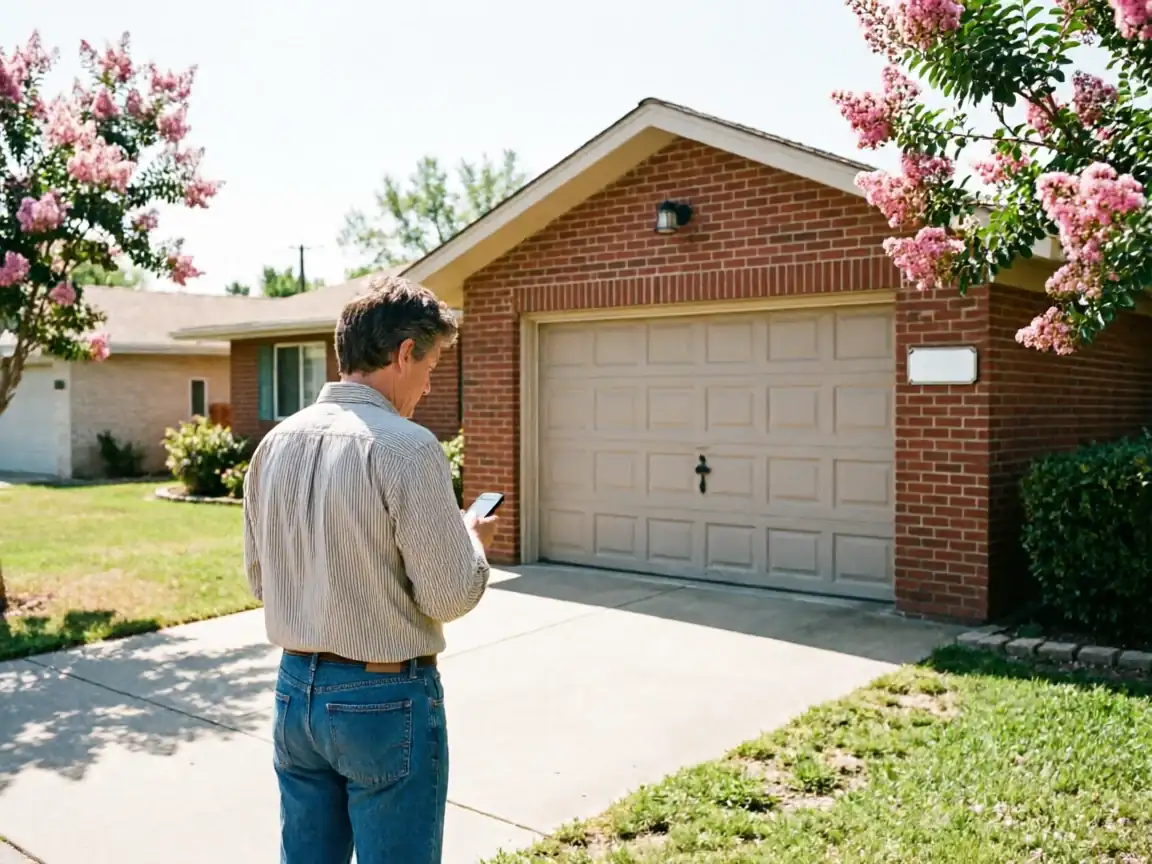
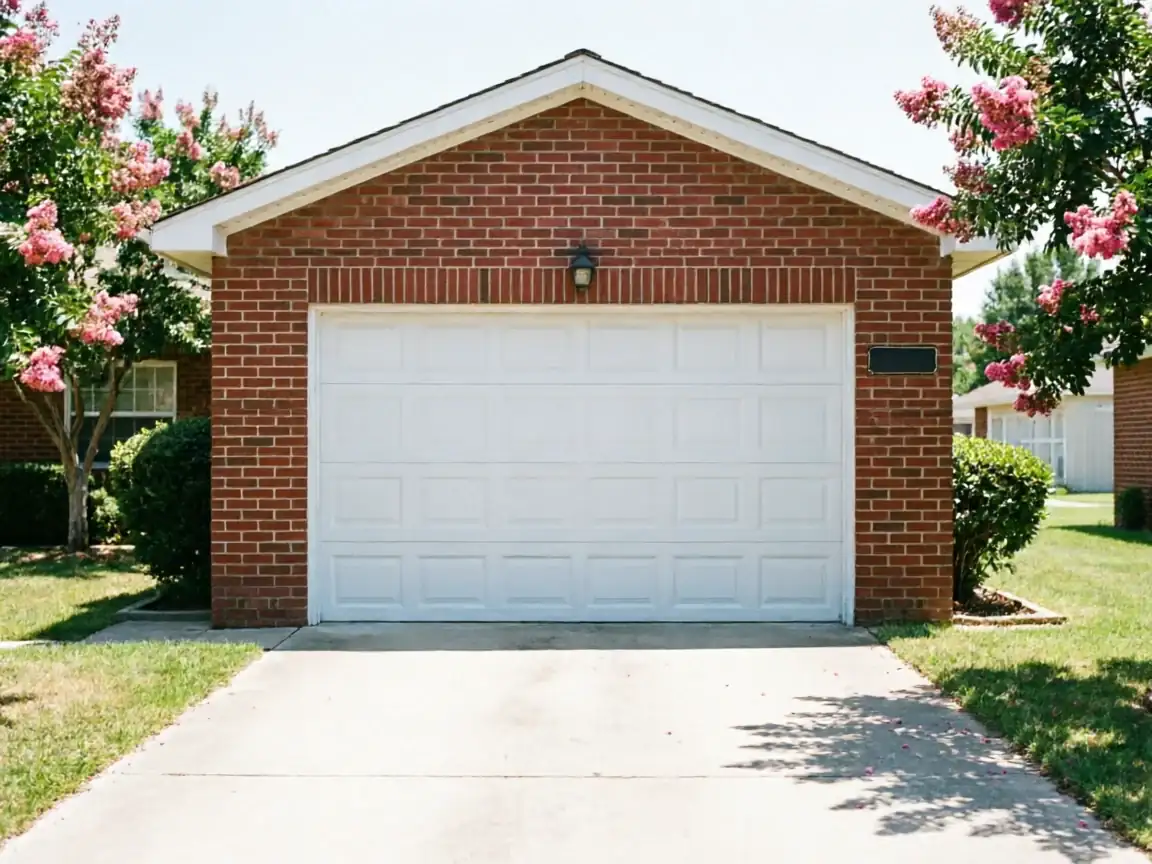
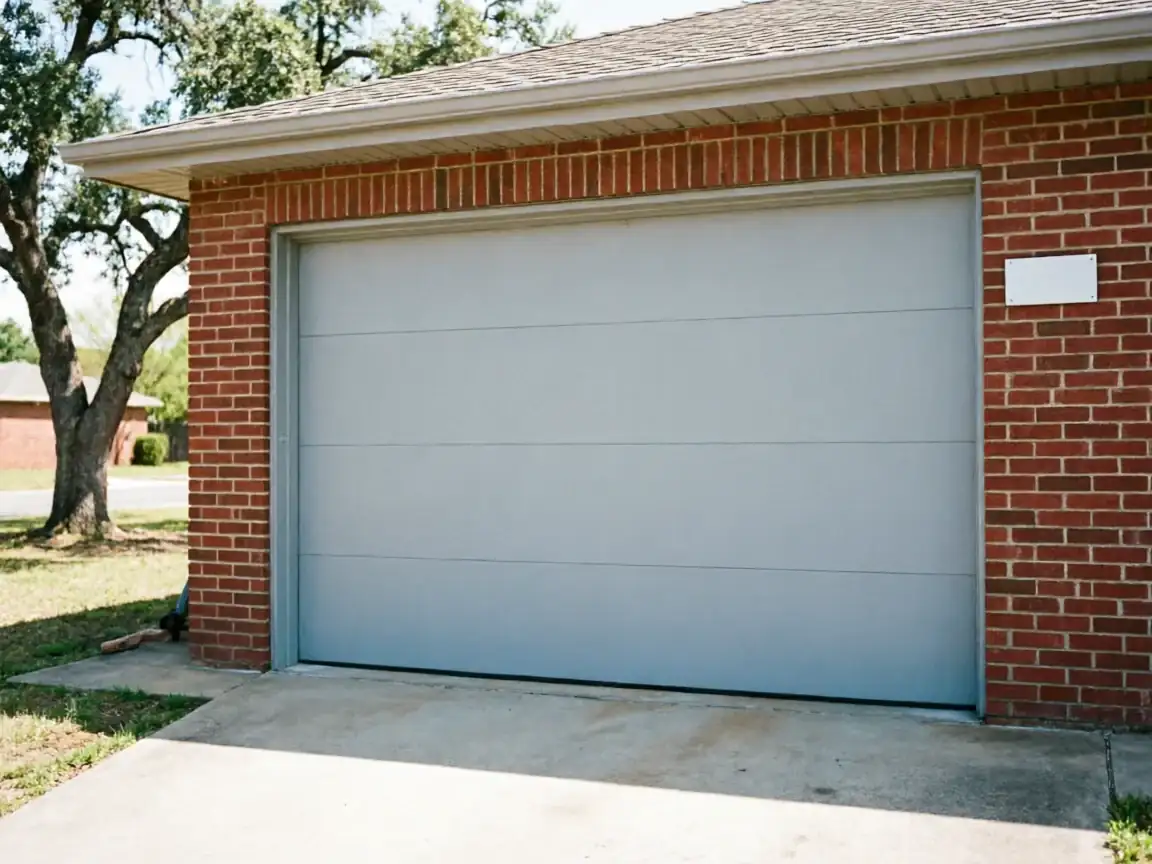
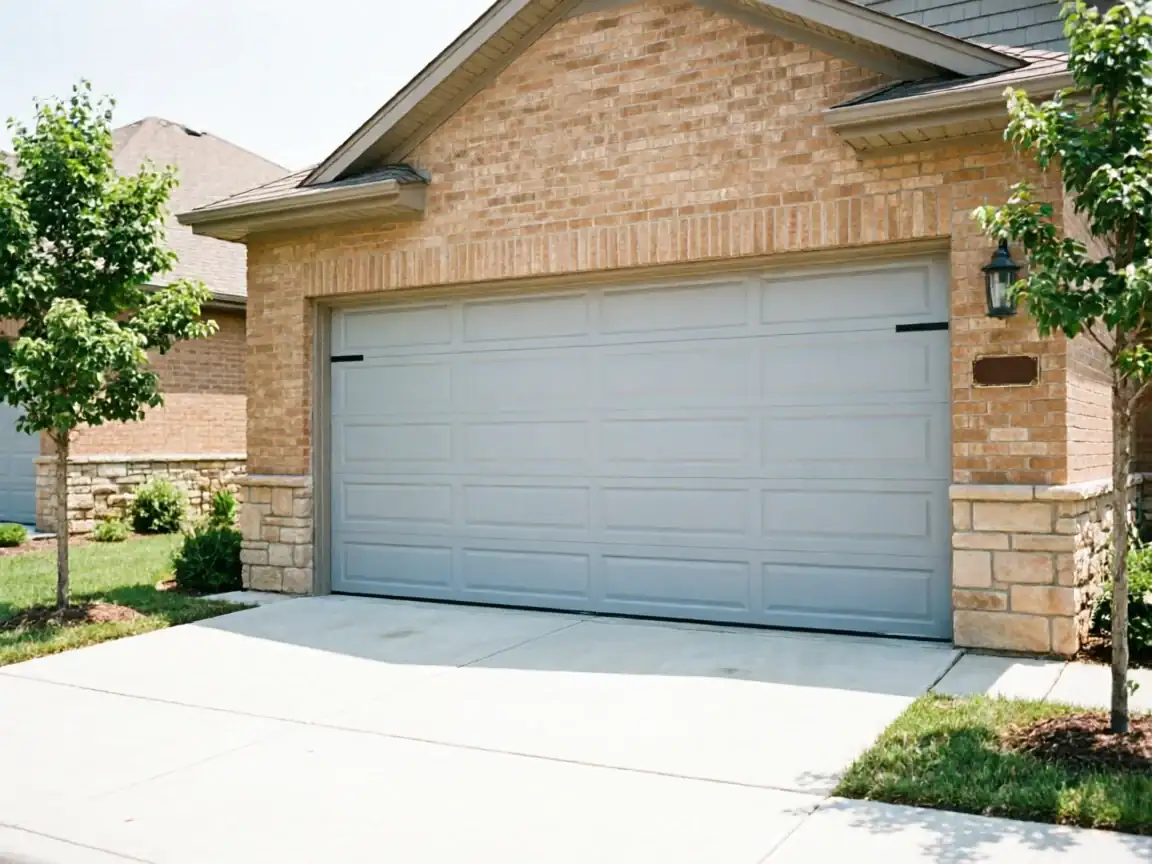
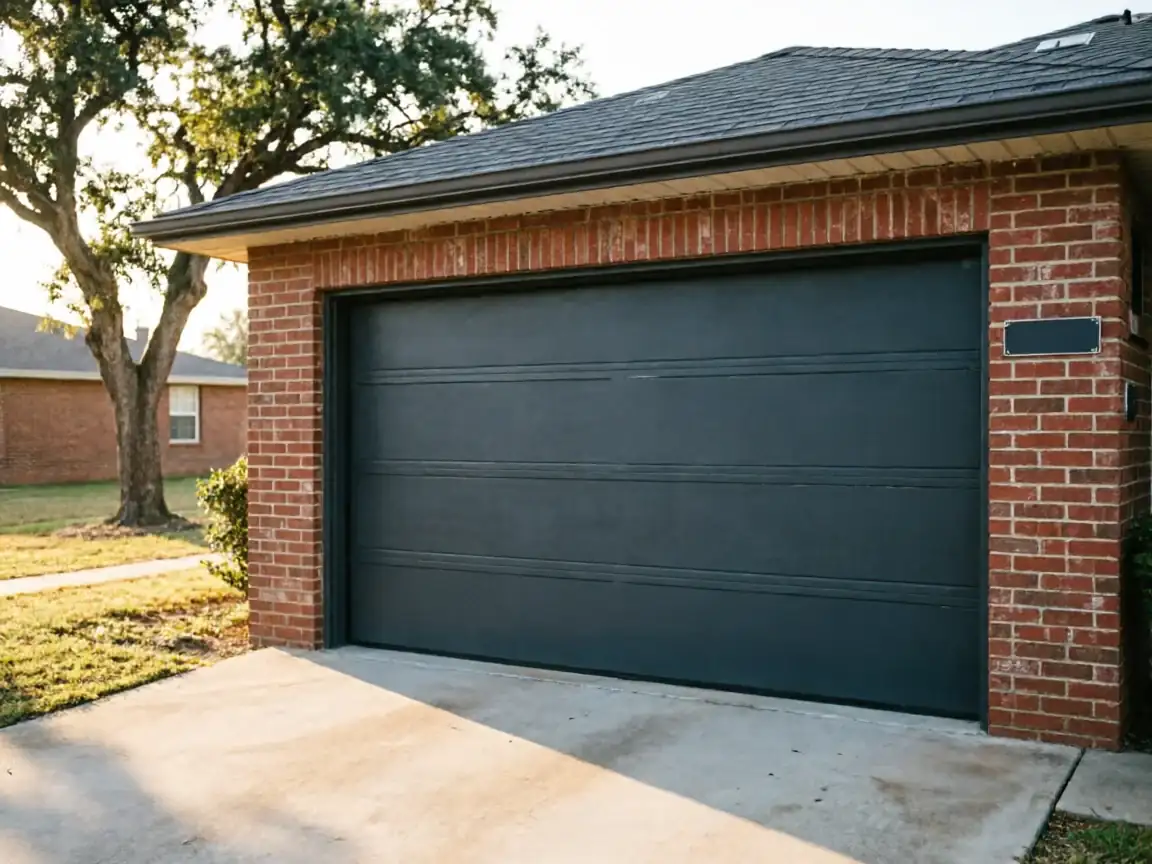
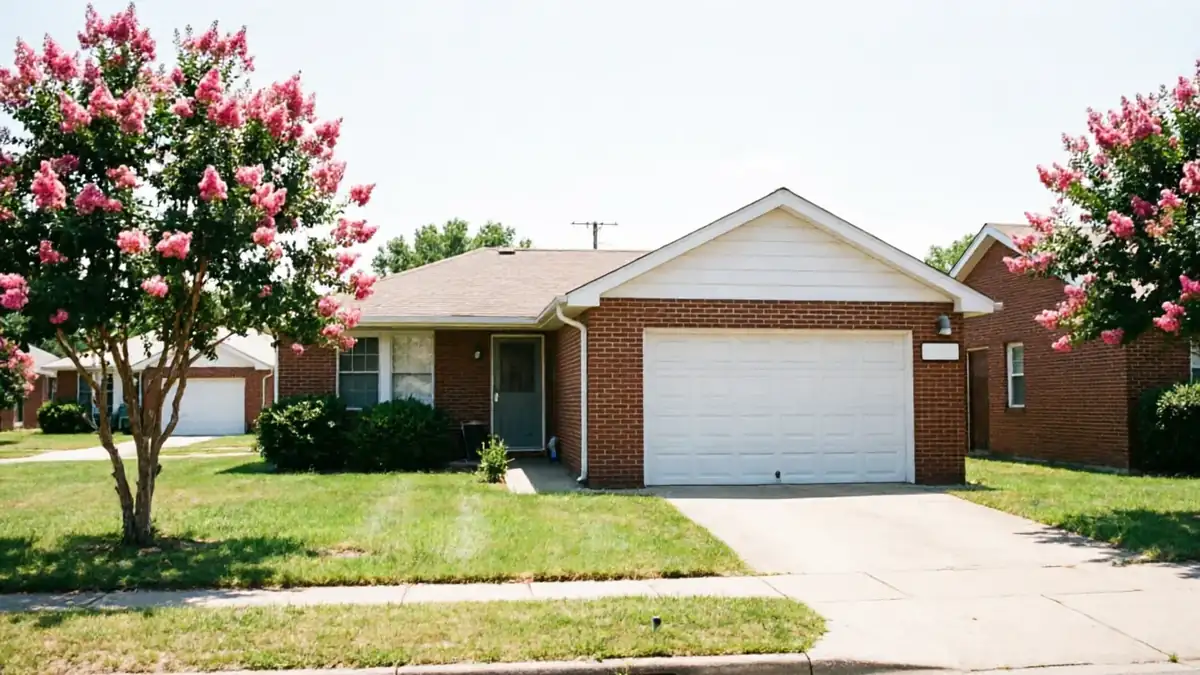
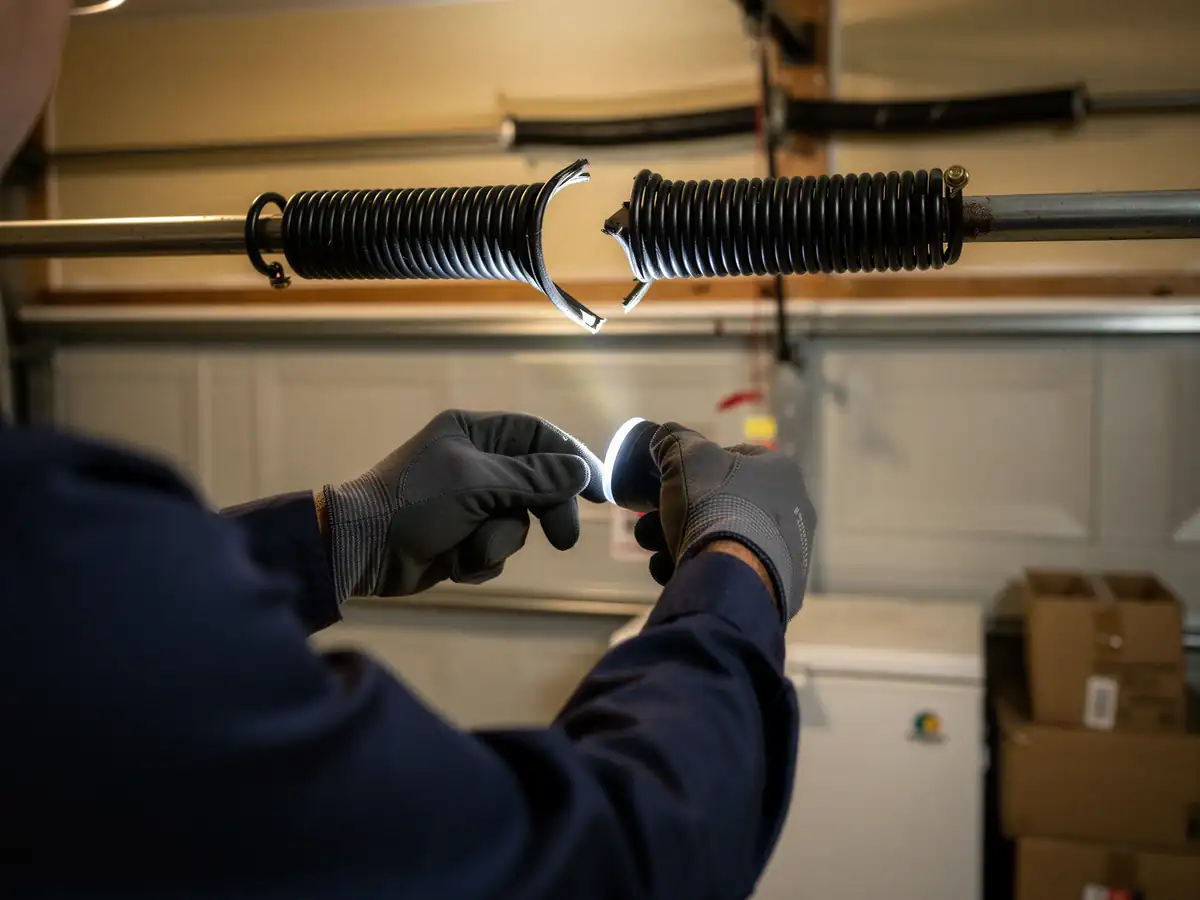
Springtown's houses went up around a single point in time - the median build year here is 1986 - which is a narrower window than Azle's overall housing stock, which spans 1953 to 2010 with a median around 1991. That five-year gap matters more than it sounds. Homes built in the mid-80s almost always shipped with 7-foot garage openings and extension springs running along the horizontal tracks, not the torsion bars that became the builder default in the following decade. Across Azle's broader service area, the stock is mostly 1980s-90s construction spread over two dozen named areas, so Springtown isn't an outlier - it's just clustered tighter around one era than most. With 1,176 households in the area, the doors we see here are a narrower slice of that range: mostly original steel panel doors, non-insulated, on hardware that's now pushing four decades old. A handful of newer infill homes have torsion setups, but they're the exception, not the rule, when we're out this way.
What We Will Not Take On
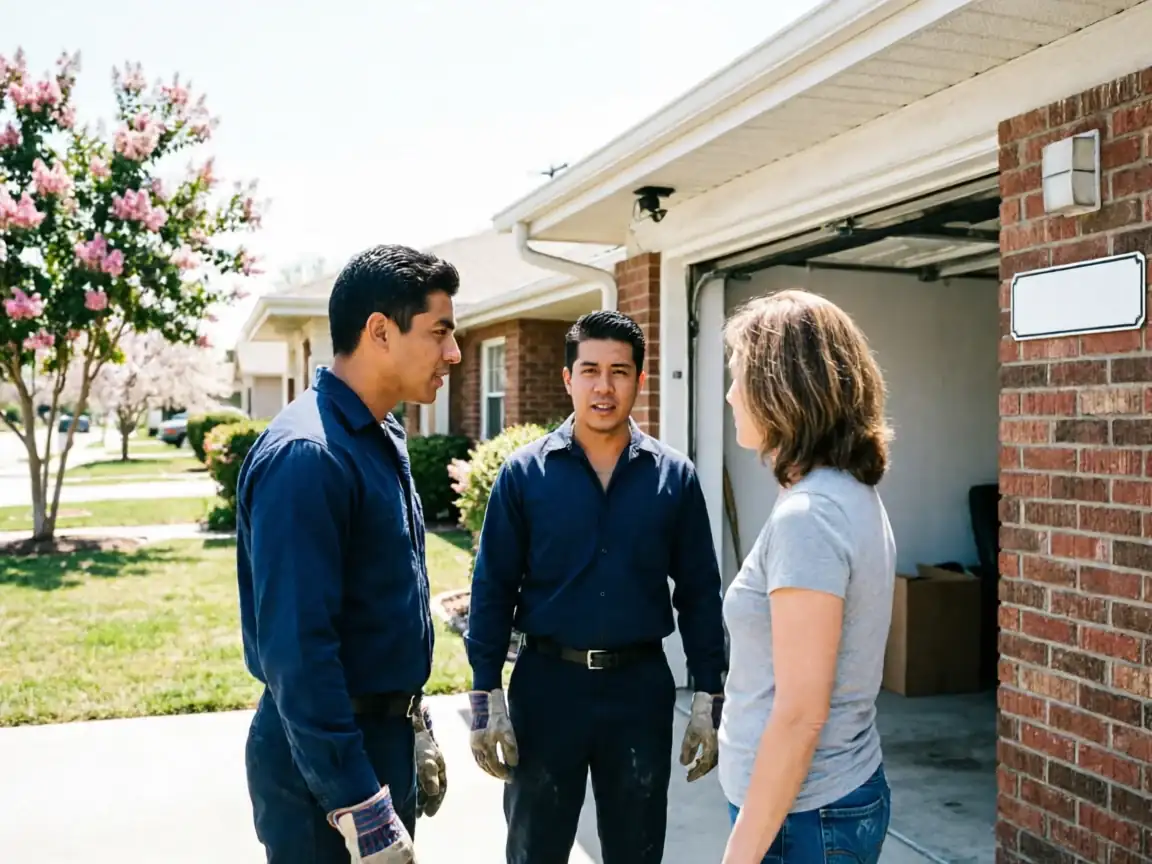
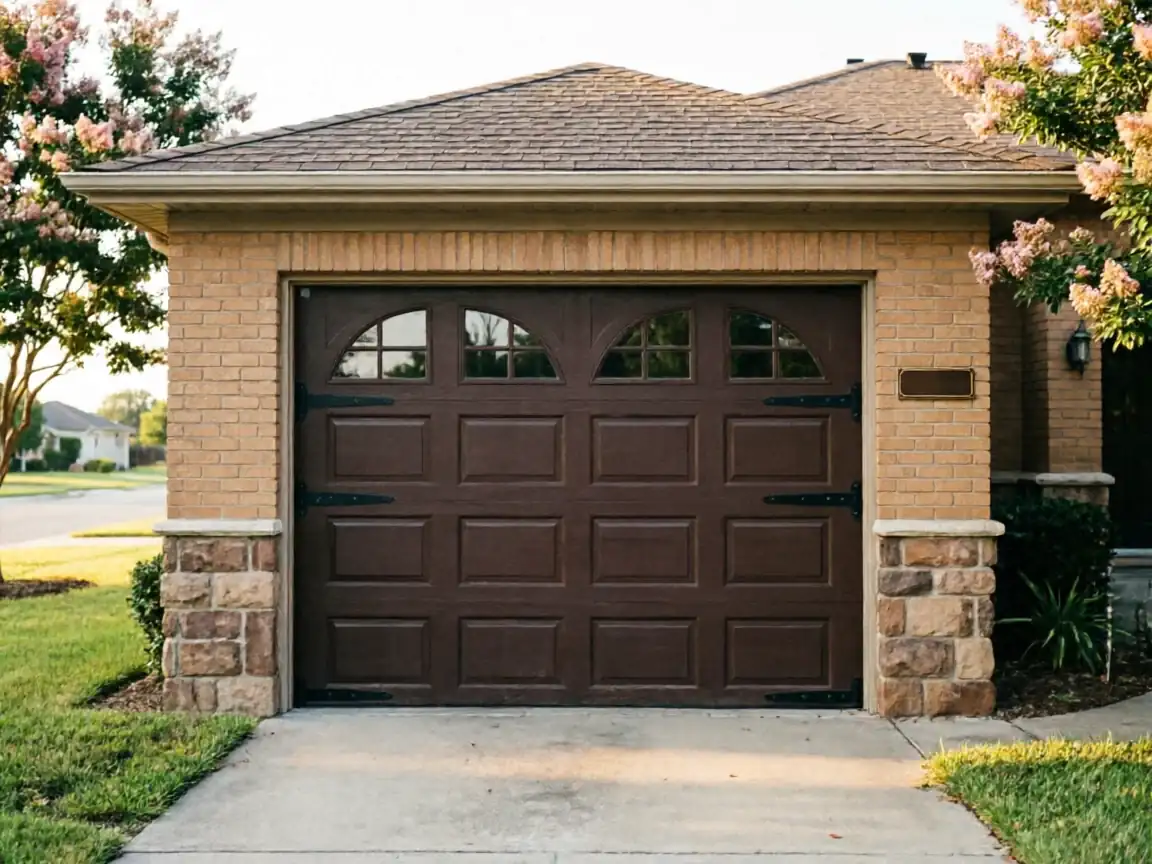
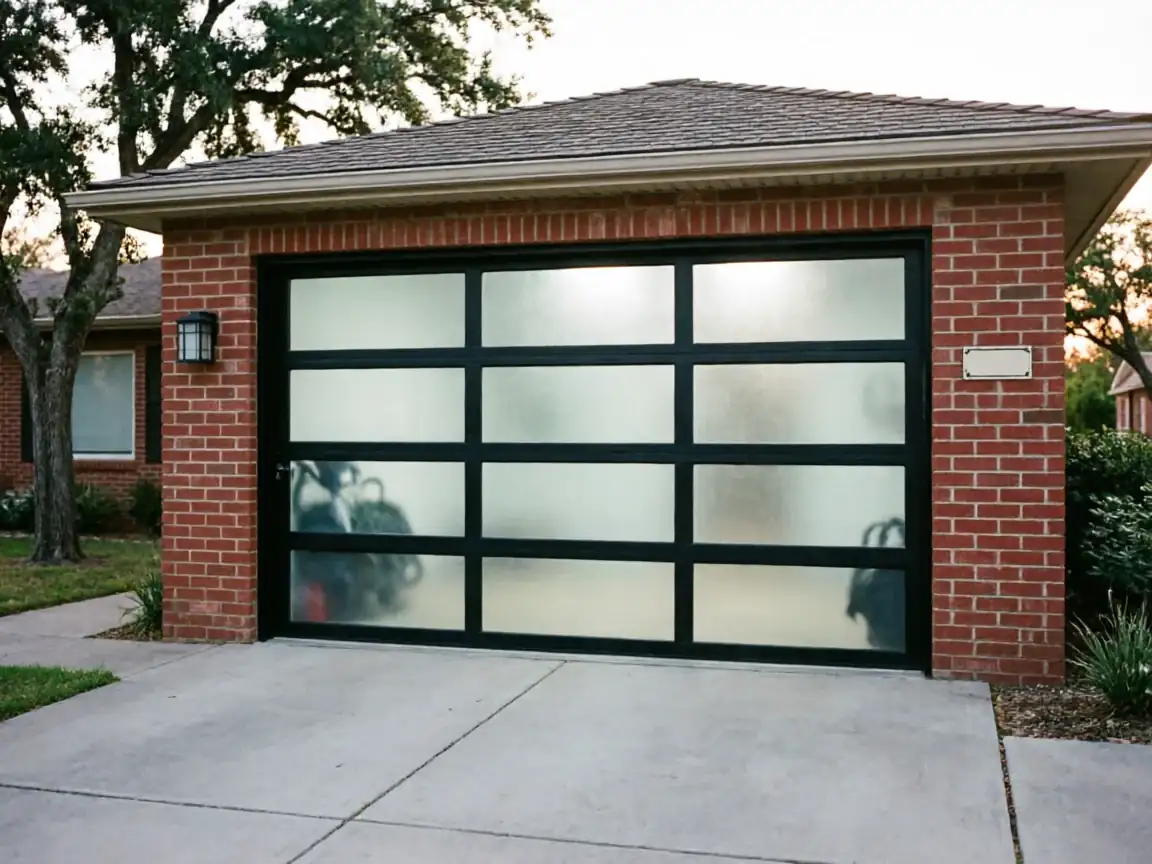
We're honest about what we drive out for. We don't carry stock for custom architectural glass doors or restoration work on original wood doors - those jobs need parts and lead times we can't promise from a truck based in Azle, 10 miles off. We also won't quote a same-day fix sight unseen on a door that's showing header or jamb damage; if the frame's compromised, that's a carpentry problem before it's a door problem, and we'll say so rather than bolt new hardware to a bad opening. On a 1980s door with original hardware, sometimes the honest answer is that a new door costs less over five years than chasing parts for the old one - we'll tell you that up front instead of running up a repair bill first.
The Calls We Get From Here
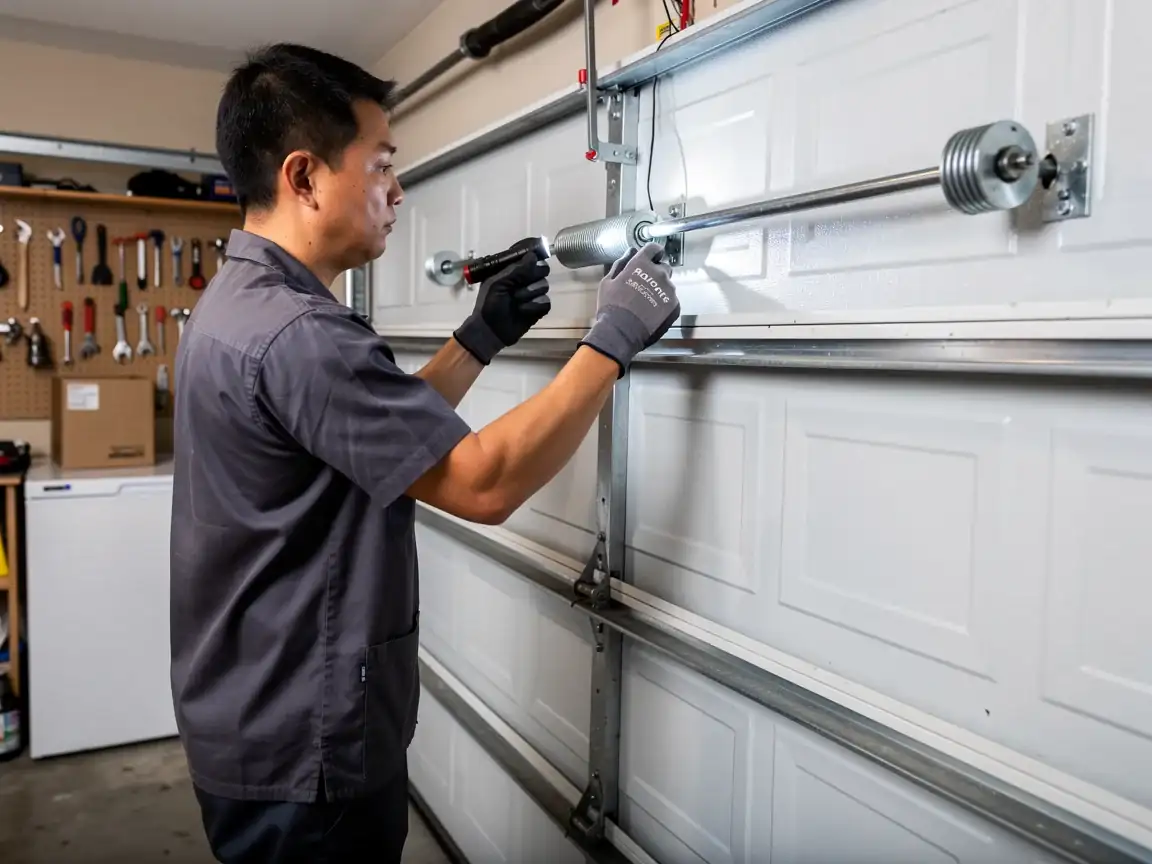
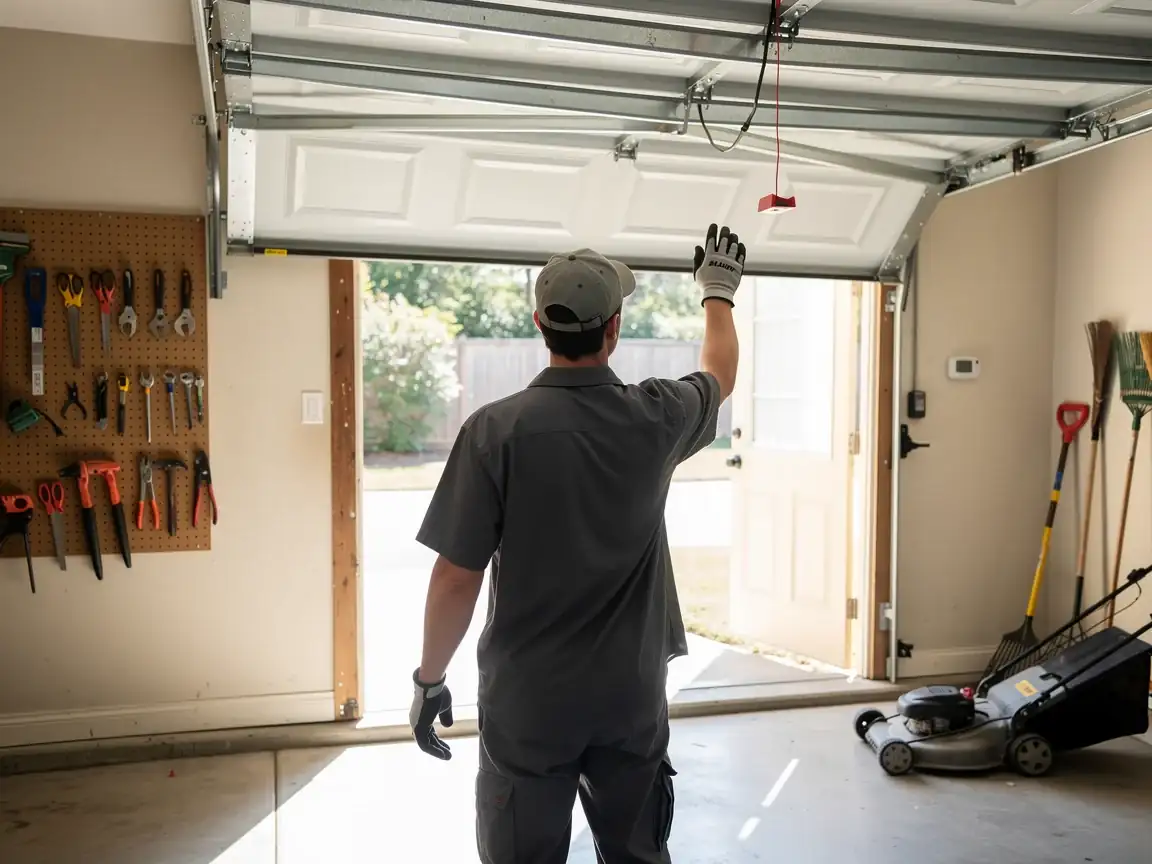
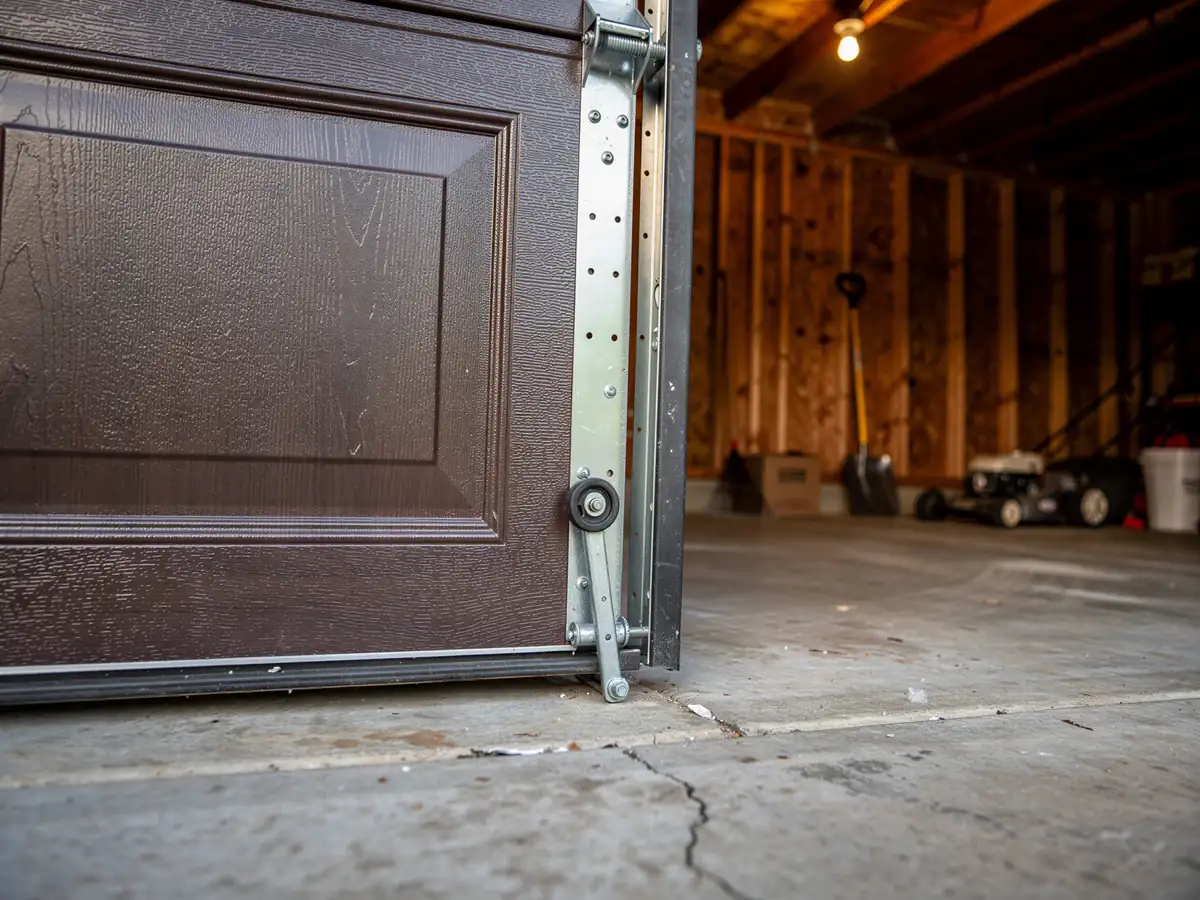
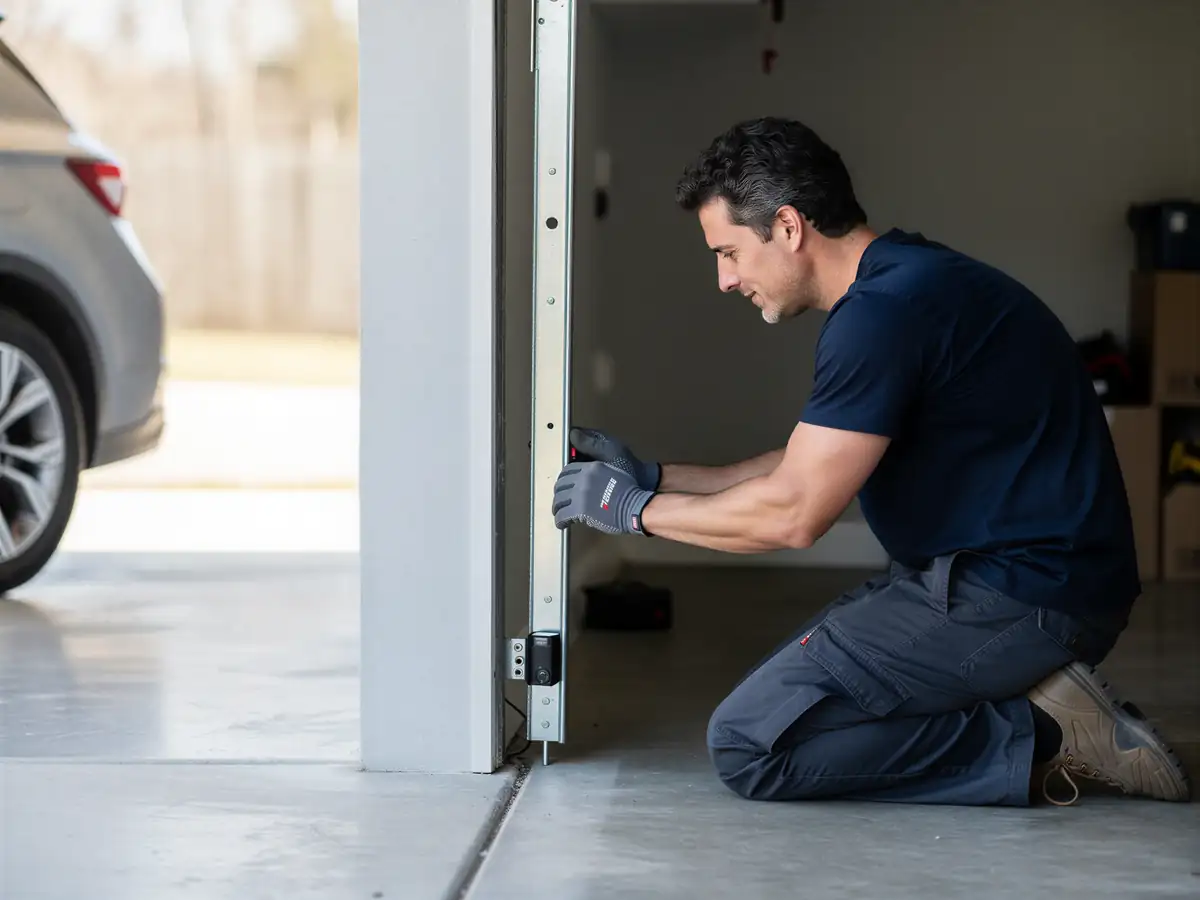
The call we get most from Springtown is a snapped extension spring cable, usually on a door that's never been serviced since the house was built. Second most common is a dead opener on one of the original chain-drive units - the capacitor or the gear set, not the whole motor. We also get calls about doors that have started sagging on one side, which on a door this age is almost always a worn pulley or a stretched cable rather than anything structural. At a median household income of $70,254, which runs below the wider service area's $90,970, more owners here ask us to repair what's there rather than replace the whole door outright, and on hardware this age that's often the right call - provided the springs and cables are swapped as a set, not one at a time.