Serving Azle, TX & nearby
(817) 985-1241
Azle, TX

The Noise Your Garage Door Is Making Isn't Random

Most Azle homes were built between 1953 and 2010, with the bulk going up in the 80s and 90s. Here's what your door's noises are telling you about that hardware.

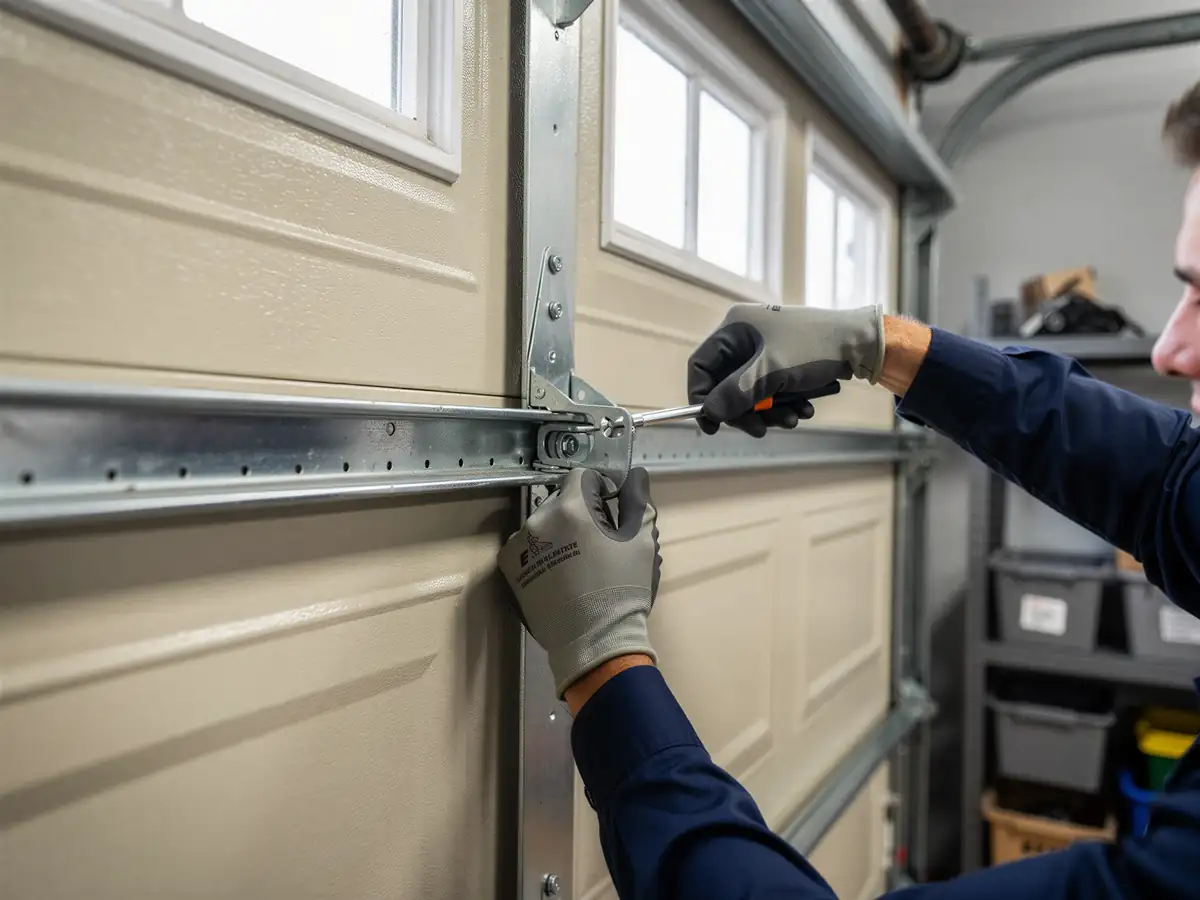
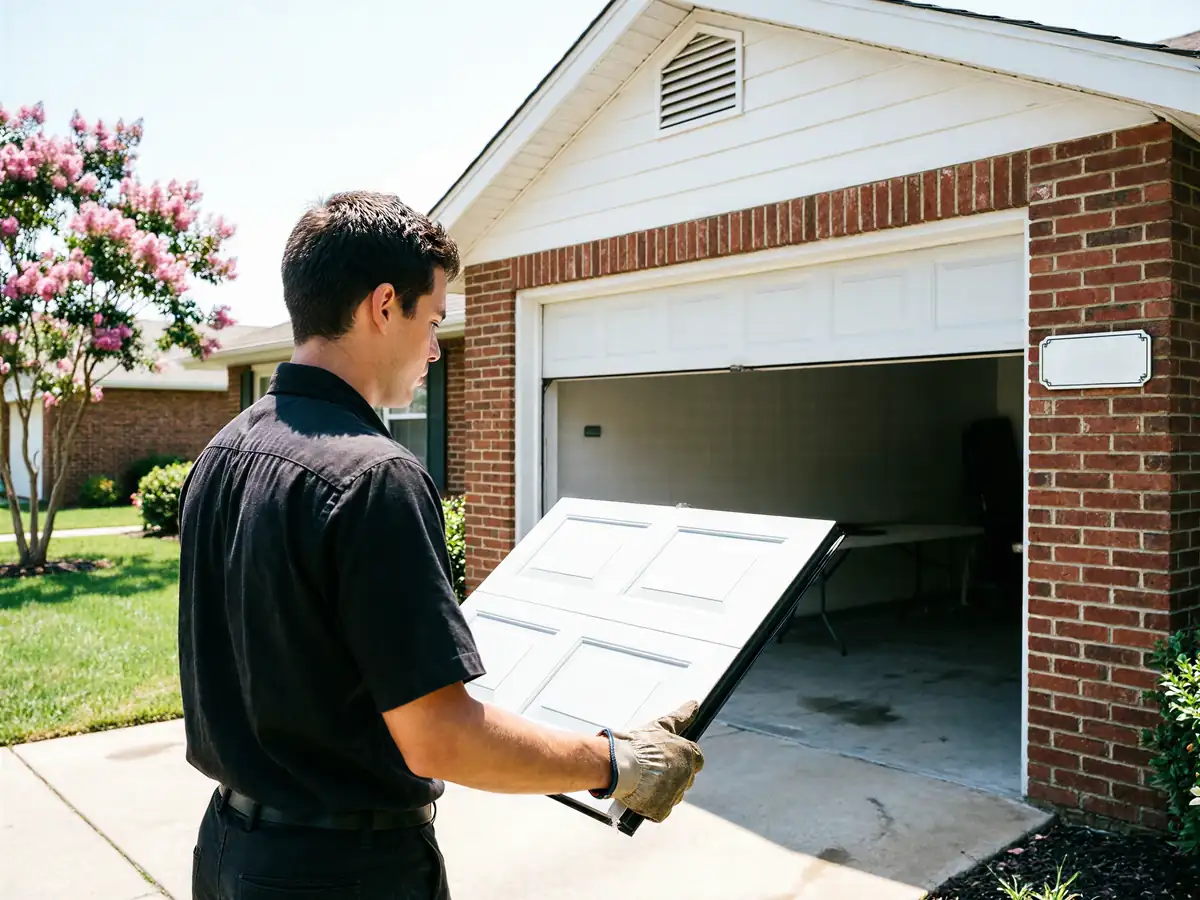
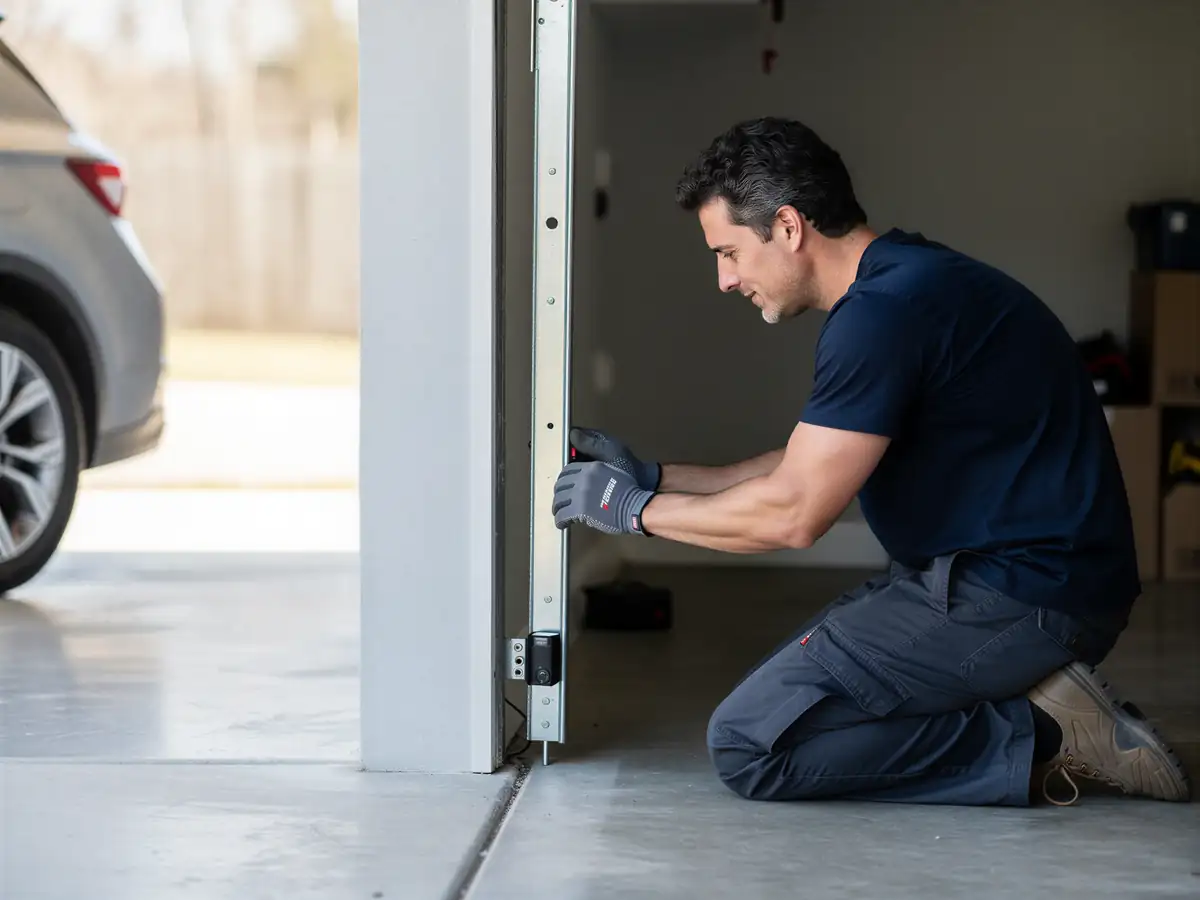
A technician stands in a garage looking at a damaged beige garage door.

What Local Conditions Do

Housing in this service area was mostly built between 1953 and 2010, with the median falling around 1991 and the bulk of the stock going up through the 1980s and 90s across the 24 named areas we work in. That means a lot of garage doors out there are running on hardware that's 25 to 35 years old - torsion springs rated for a certain number of cycles, rollers that were steel or cheap nylon before the sealed-bearing versions became standard, and openers from an era before soft-start and soft-stop motors were common. The climate band here is moderate heat, not the kind of extreme swing that cracks concrete overnight, but summer heat still does its slow work: it dries out factory grease on tracks and hinges, and it lets steel cables expand and contract enough, year over year, that fraying starts at the drum end before anyone notices. A door that sounded fine in April can start grinding by August, and it's not a coincidence - it's thermal cycling catching up to hardware that was already near the end of its service life based on when the house was built.

Leaving It Alone

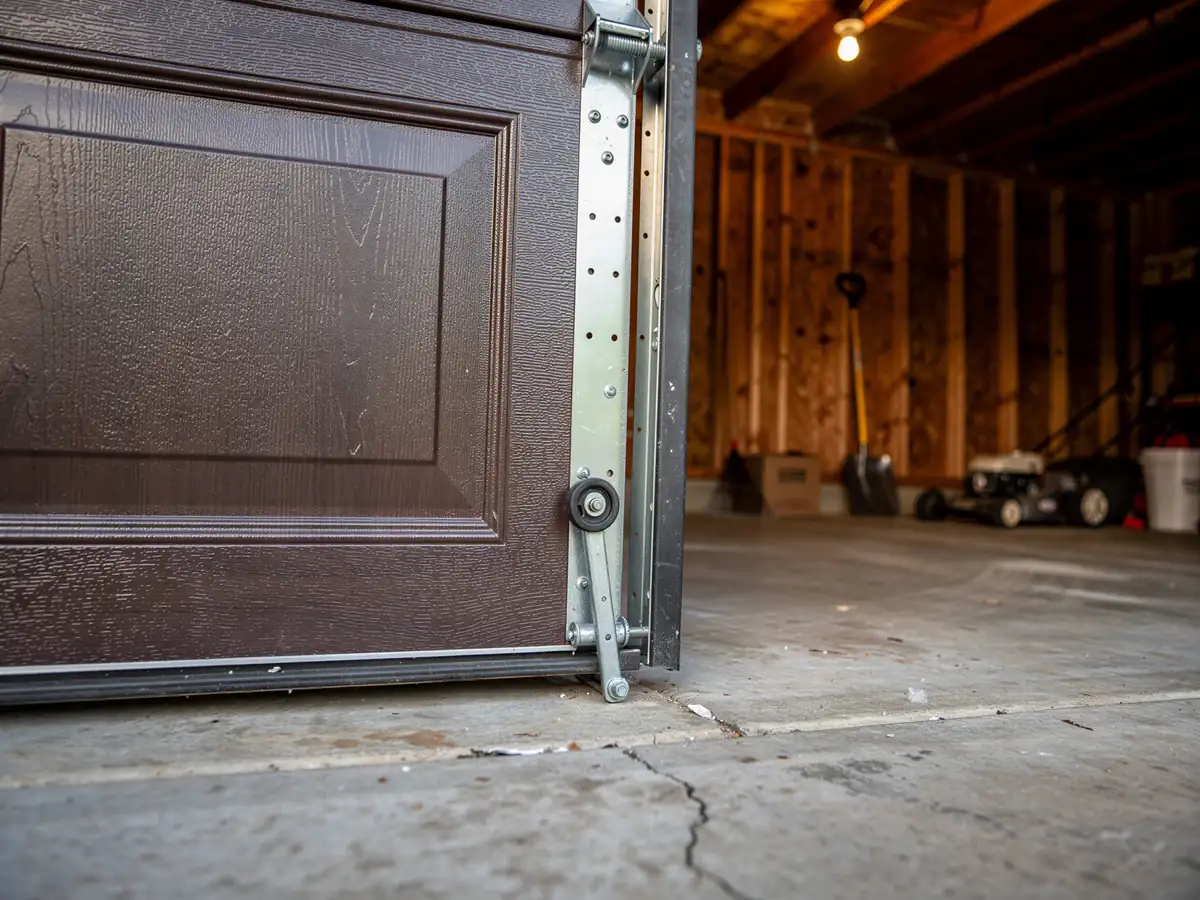
A single sharp pop when the door opens is usually a spring settling in its cradle, not yet a failure - but on a door built in the 80s or 90s, that pop is the sound of a spring that's already logged most of its rated cycles. A rhythmic thunk once per rotation almost always means a flat spot on a roller, and with the age of hardware common in this area, that roller is probably original. You can leave a quiet squeak alone for a while; lubricant dries out here, it doesn't freeze, so a worn track isn't an emergency the way it might be somewhere with hard winters. What you shouldn't leave alone is a grinding or scraping sound that changes pitch as the door moves - that's metal on metal, usually a bent track or a cable walking off a drum, and on older doors that's close to the point where the whole thing can jump off its rail.

When to Call Someone

Call when the noise is new and getting louder over a week or two, not fading. On a door that's been running since the 1990s stock went up, a changing sound usually means a part is finishing its life, not just needing oil. Call immediately if you hear a loud bang followed by the door refusing to move - that's very likely a broken torsion spring, and with original springs still common on houses from that build era, it's one of the most frequent calls we get. We don't recommend opening the door yourself once a spring's gone; the cable and drum system on an unbalanced door can do real damage fast. If the noise is coming from the opener itself - a high-pitched whine under load - that's often a stripped gear, common once a chain-drive unit from the 80s or 90s hits its age.

The Situation

Here's the honest part: we can't always tell you over the phone whether a noise means a $20 tune-up or a spring replacement. Some sounds only reveal themselves once someone's hands are on the door, watching it move under load. What we can tell you is that given how much of the housing in this area dates to the 1953-2010 window, with most of it clustered in the 80s and 90s, a lot of the doors making noise right now aren't broken yet - they're just old enough that every part is wearing out at close to the same time. That's not a reason to panic and replace everything. It's a reason to get the noise looked at before a $40 roller job turns into cables, drums, and a spring on the same visit.
How it works

From “it’s stuck” to “it’s fixed”

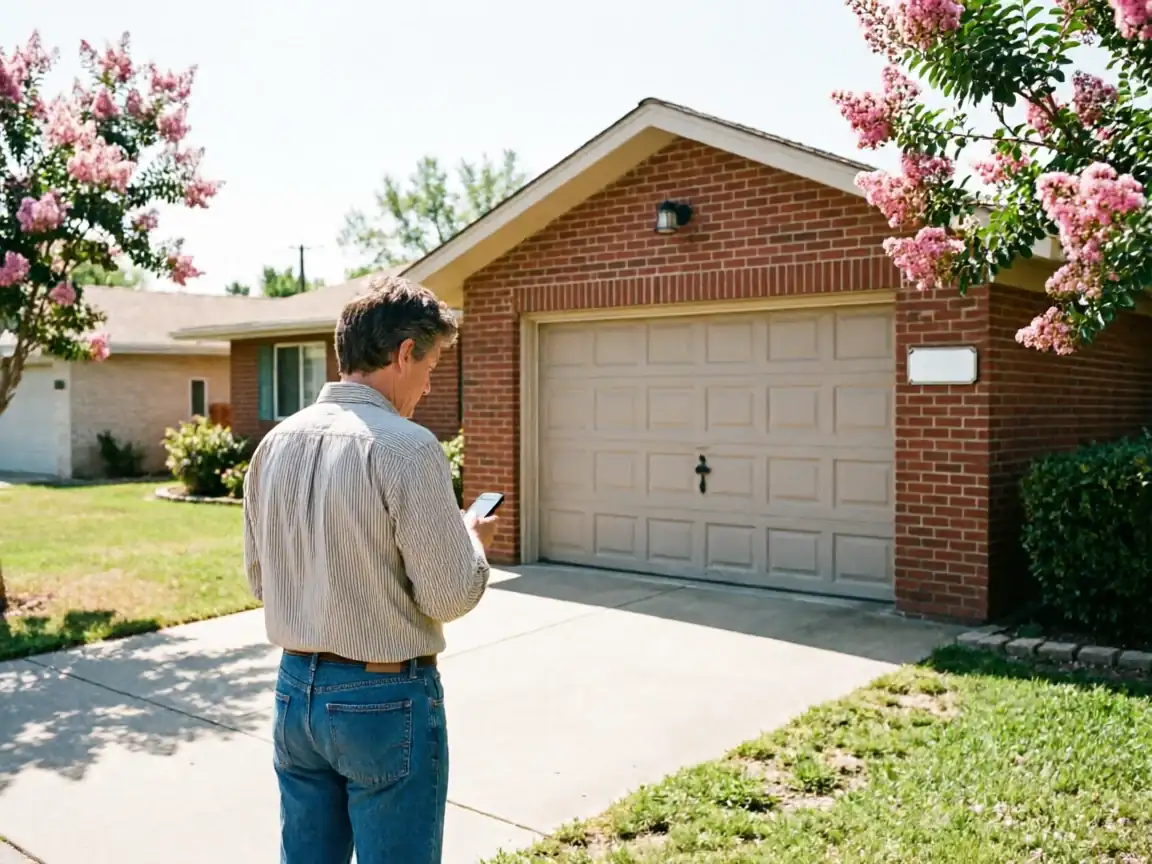
A man stands in a driveway looking at his phone, facing a house with a garage door.

Tell us what’s wrong

Describe the symptom - won’t open, loud bang, opener runs but the door won’t move.

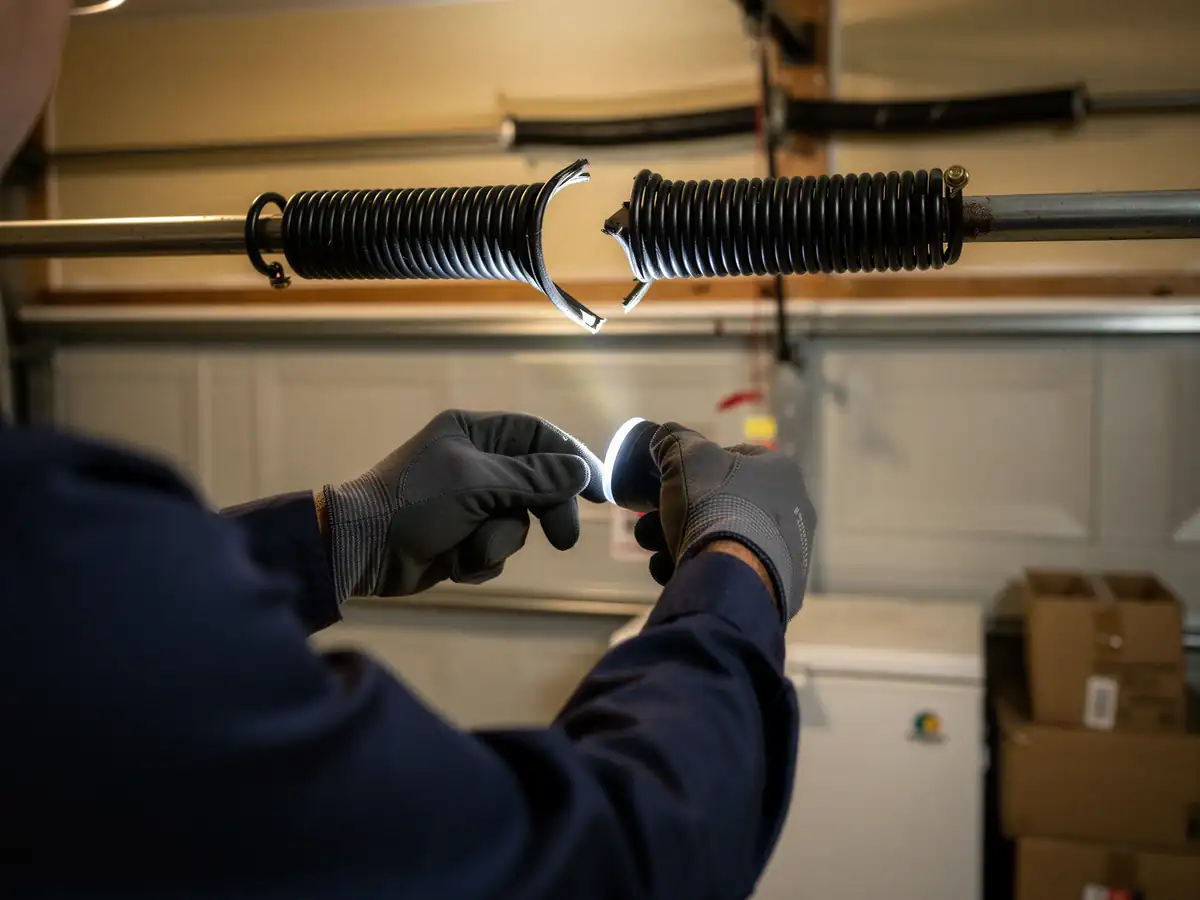
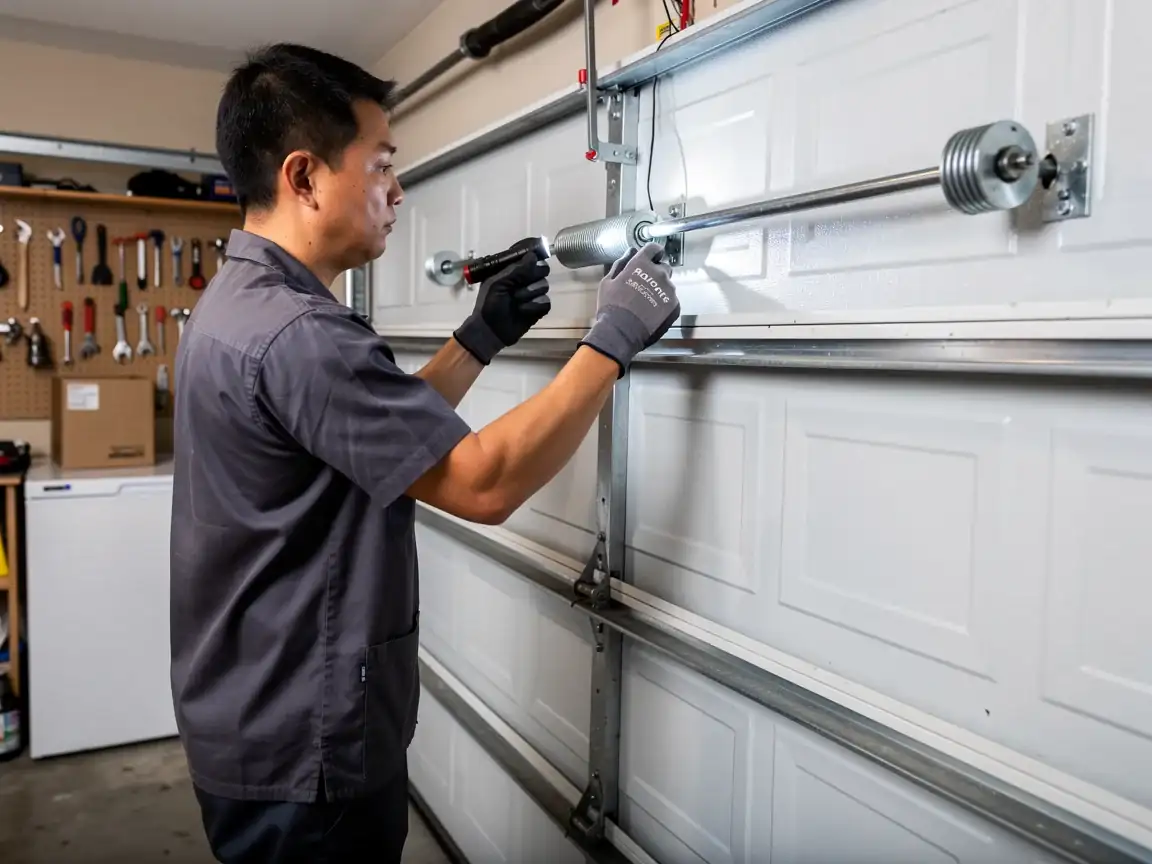
A technician shines a flashlight on a garage door torsion spring.

On-site diagnosis

A technician tests the door under power and by hand and finds what actually failed.

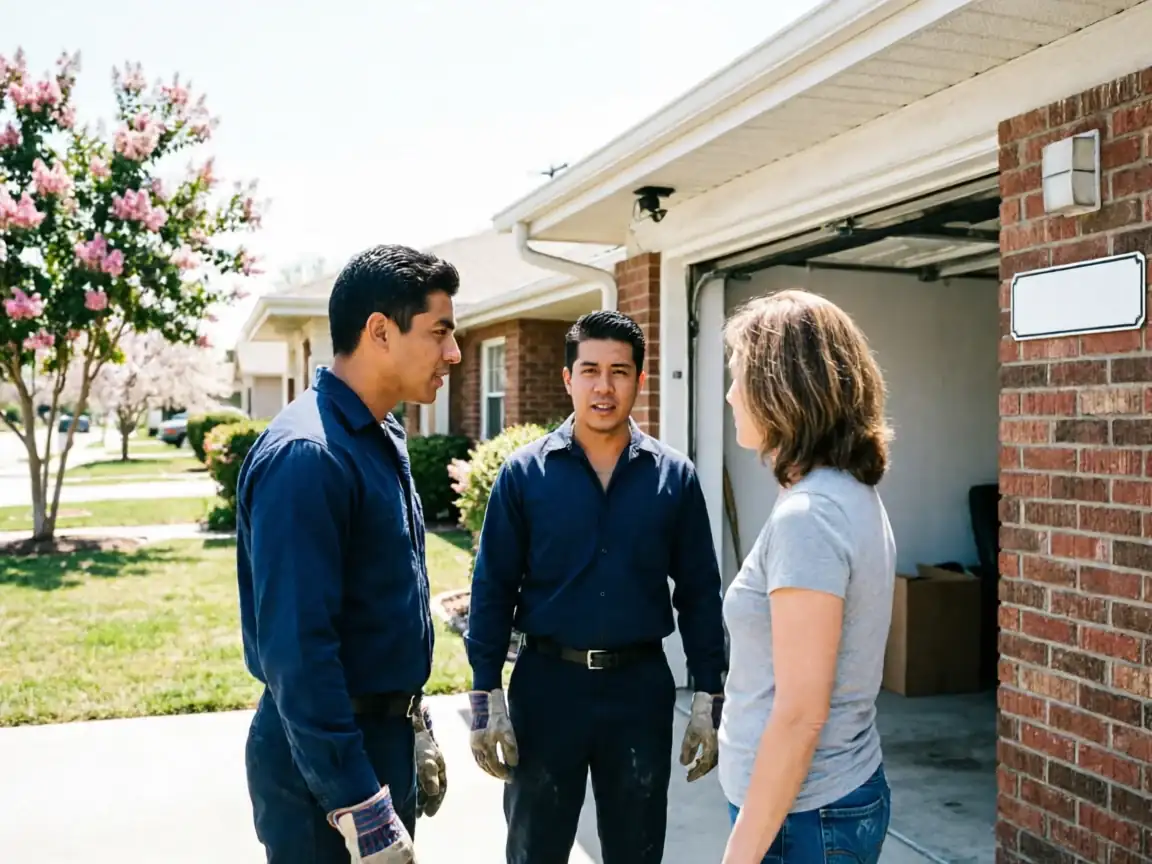
Two technicians in blue uniforms talk to a woman in front of a garage.

Clear, up-front plan

You get the fix that’s needed and what drives the cost - before any work starts.

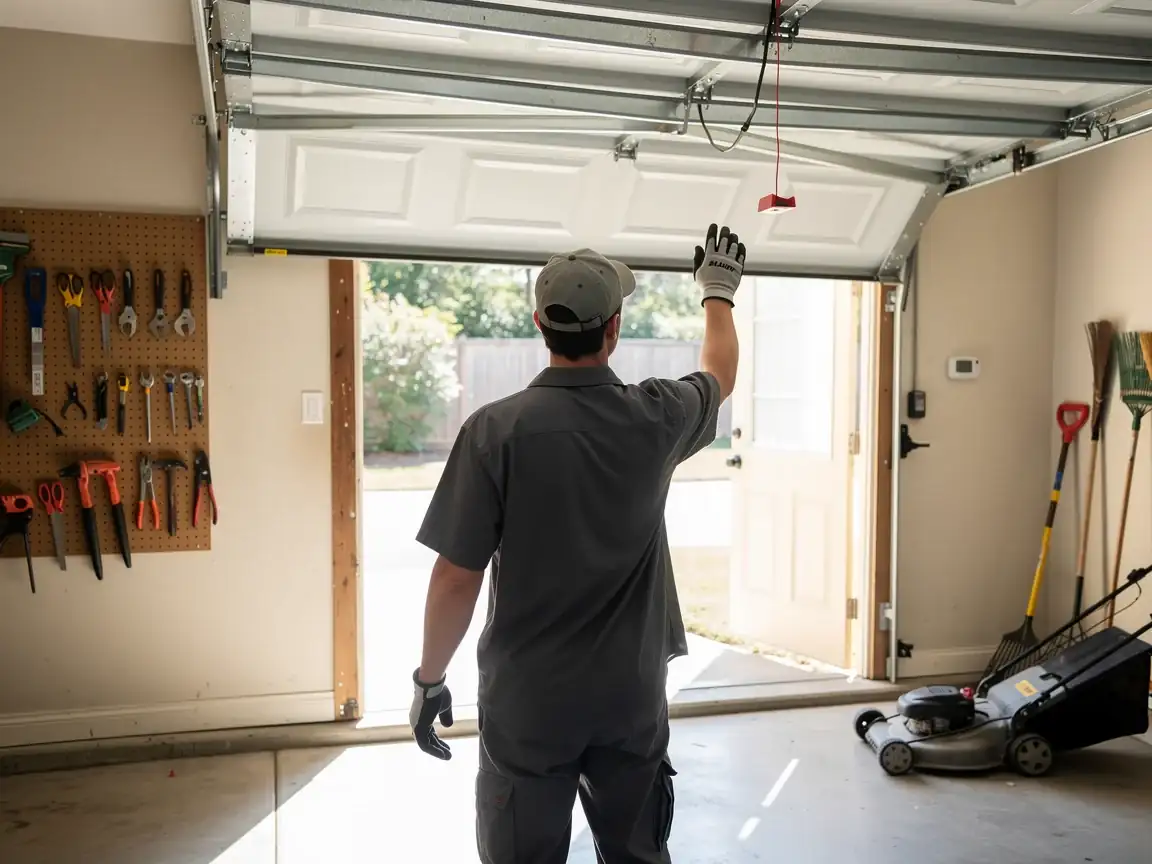
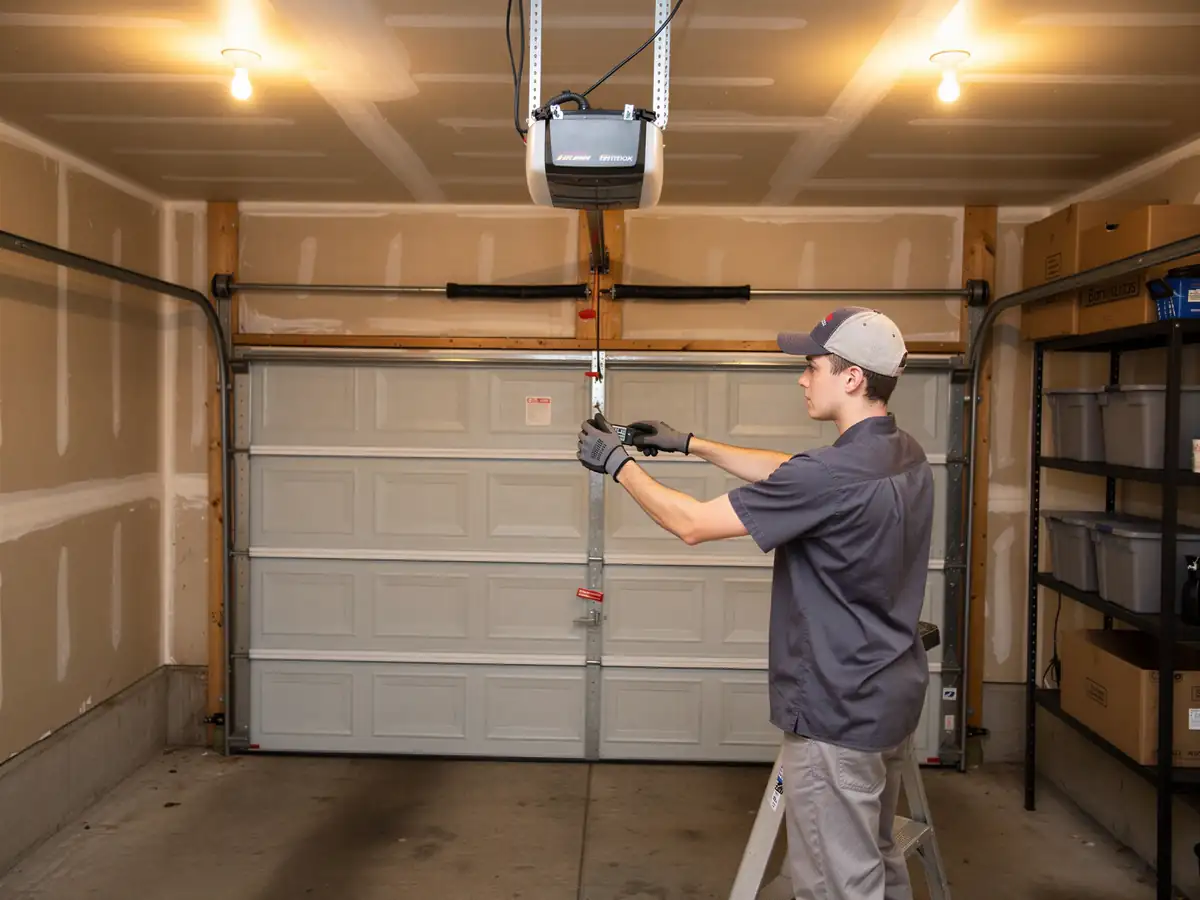
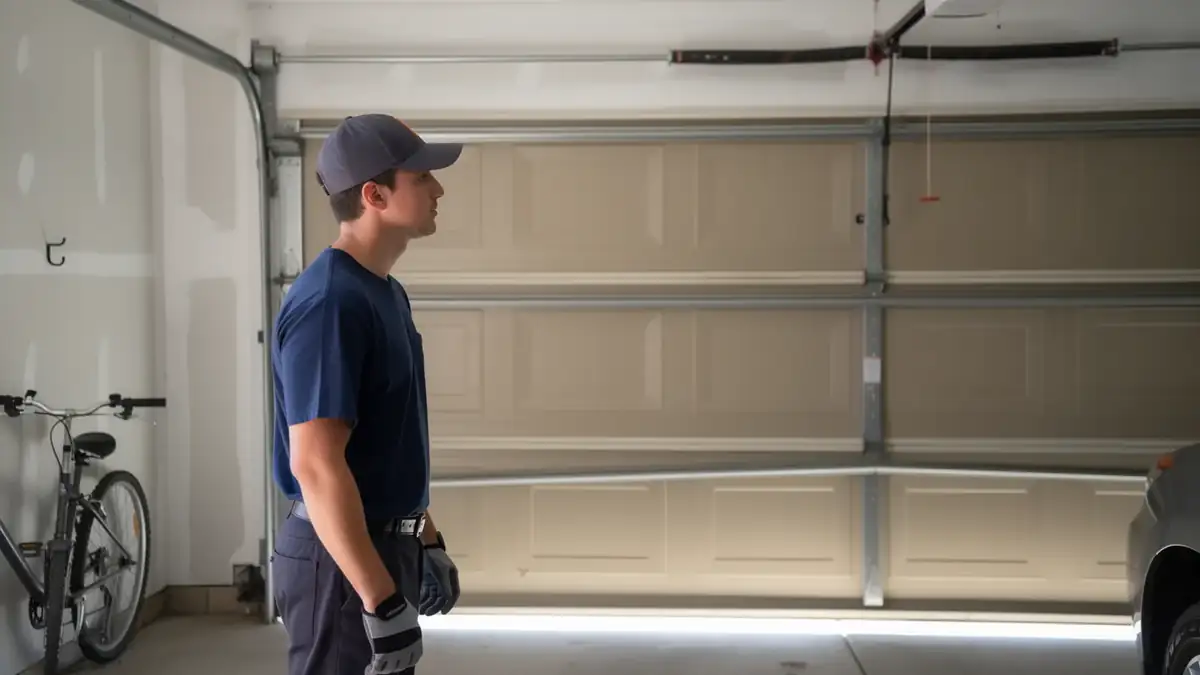
A technician in a gray uniform and gloves is looking at an open garage door.

Repaired & tested

The repair is done, the door is set true and tested, and the work area left clean.

Not sure which repair your door needs in Azle, TX? Describe what it’s doing - every job starts with a diagnosis.

How we work

What to expect

Diagnosis firstEvery visit starts by finding what actually failed - not a pre-written parts list.
The right part for the doorSprings and openers matched to the door’s weight and age, so the fix holds up.
Straight answersWhen a repair makes more sense than a replacement - or the reverse - you hear it plainly.
Clean, careful workTension released safely, hardware set true, the door tested under power before we leave.
What we do

Garage Door Services

Repair and installation work for Azle homes and businesses.

Questions

Frequently asked

Straight answers about garage door repair in Azle. Still unsure? Ask us directly.

My garage door squeaks but still opens fine. Does it need repair now?

Not urgently. A squeak usually means dried-out lubricant, and the moderate heat here is enough to dry factory grease over the years without the extreme swings that cause bigger damage. Lubricating hinges and rollers is a reasonable DIY step. If the squeak turns into a grind or starts changing pitch, that's when to call.

Why does my door suddenly sound louder in summer?

Heat makes metal expand and dries out old lubricant faster, and a lot of the hardware in this area is original to houses built in the 80s and 90s. A door that was quiet in spring can start sounding rough once summer heat has worked on dry tracks and aging cables for a few months straight.

Is a loud bang from my garage door always a broken spring?

Usually, yes, especially paired with the door refusing to open or feeling very heavy to lift by hand. Given how much of the housing stock here dates back to 1953-2010, a good number of homes are still running original or long-overdue torsion springs, which makes this one of our more common calls.

Can I just replace the noisy roller myself?

You can, on doors where the roller isn't load-bearing in a way that risks the track. But on hardware this old, one worn roller often means the others are close behind, and a bent track from a seized roller is a different job than a simple swap. If you're not sure which you're looking at, it's worth a second set of eyes.

Ready to get your garage door sorted?

Tell us what it’s doing and where you are in Azle - we’ll take it from there.

Request a QuoteCall