Can You Do This Yourself
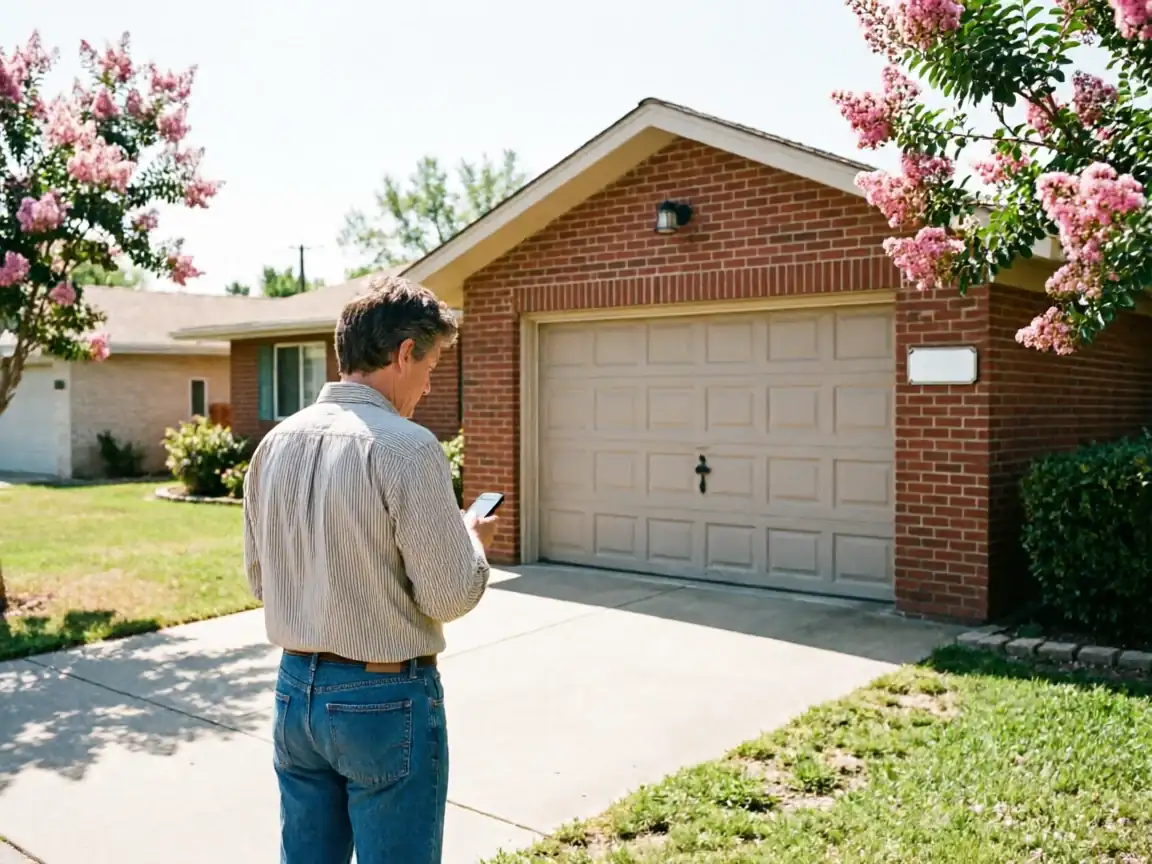
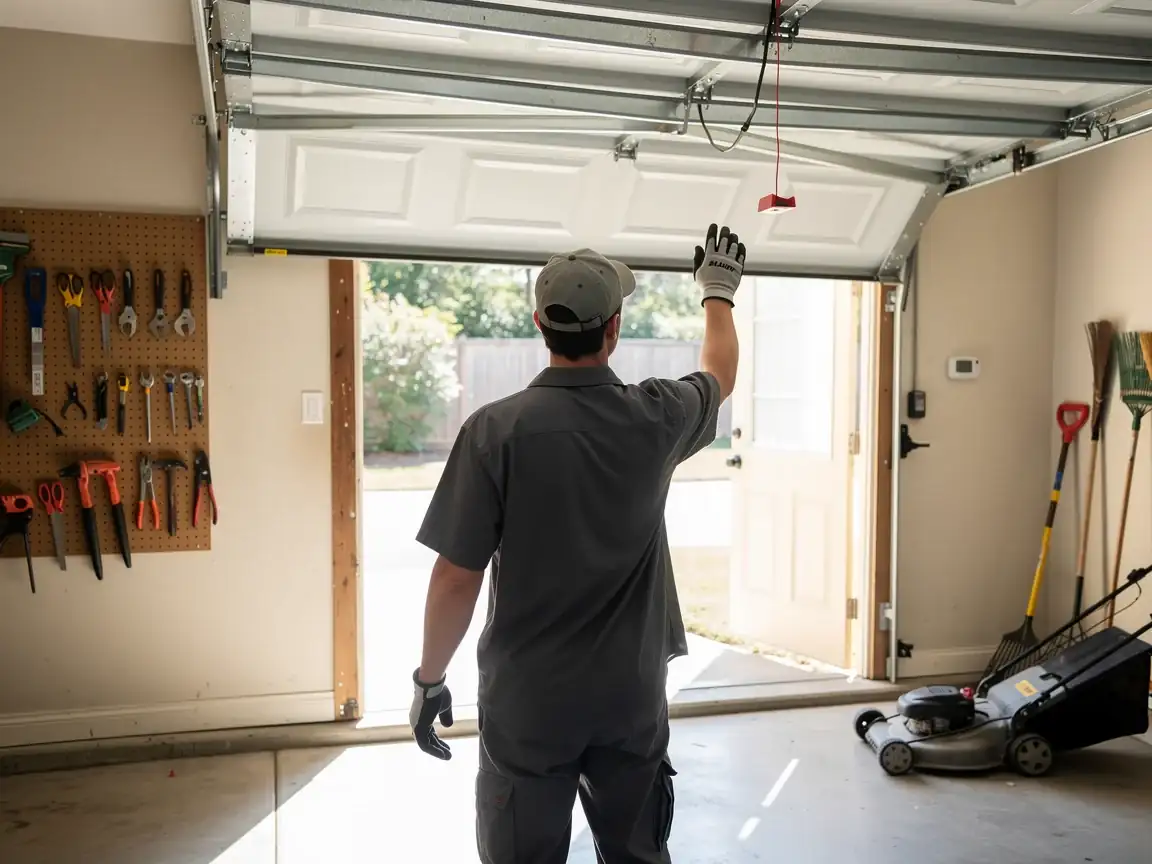
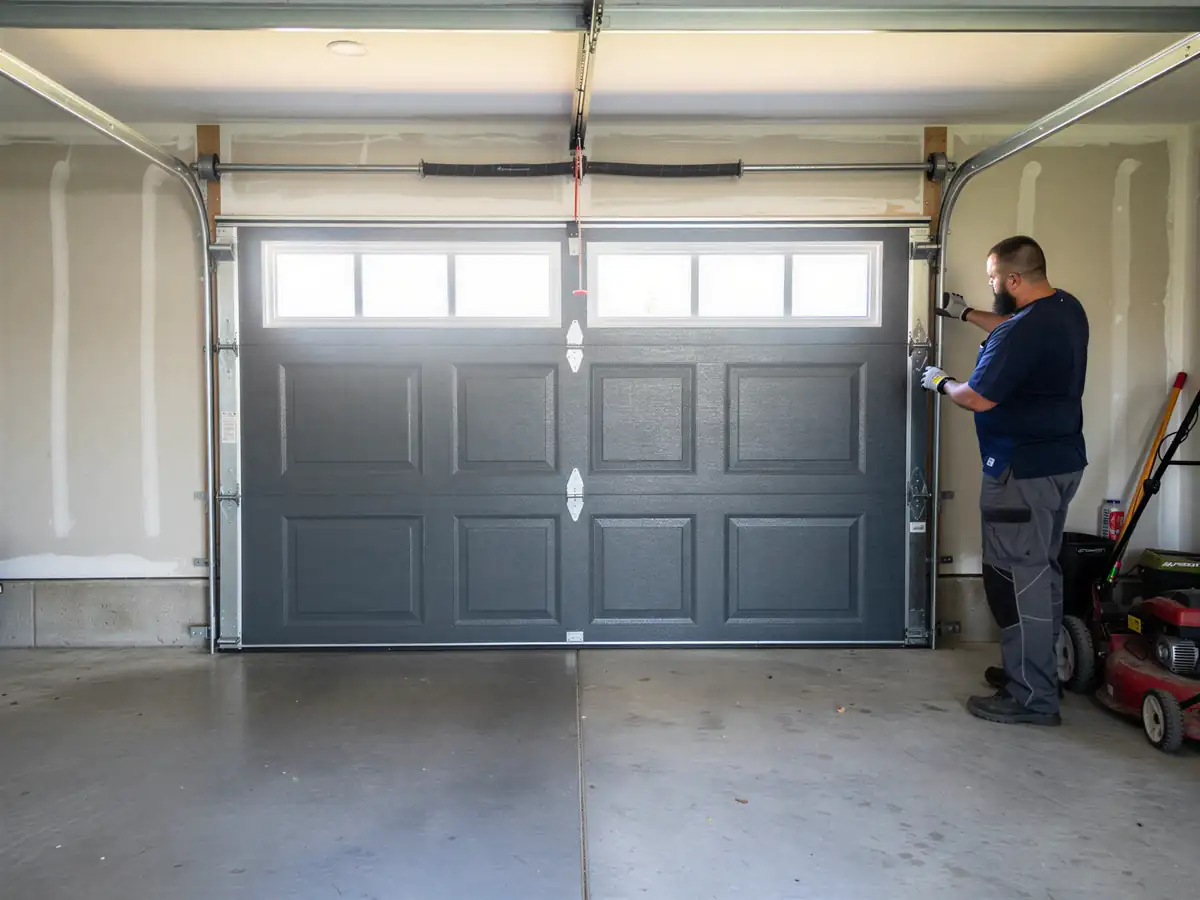
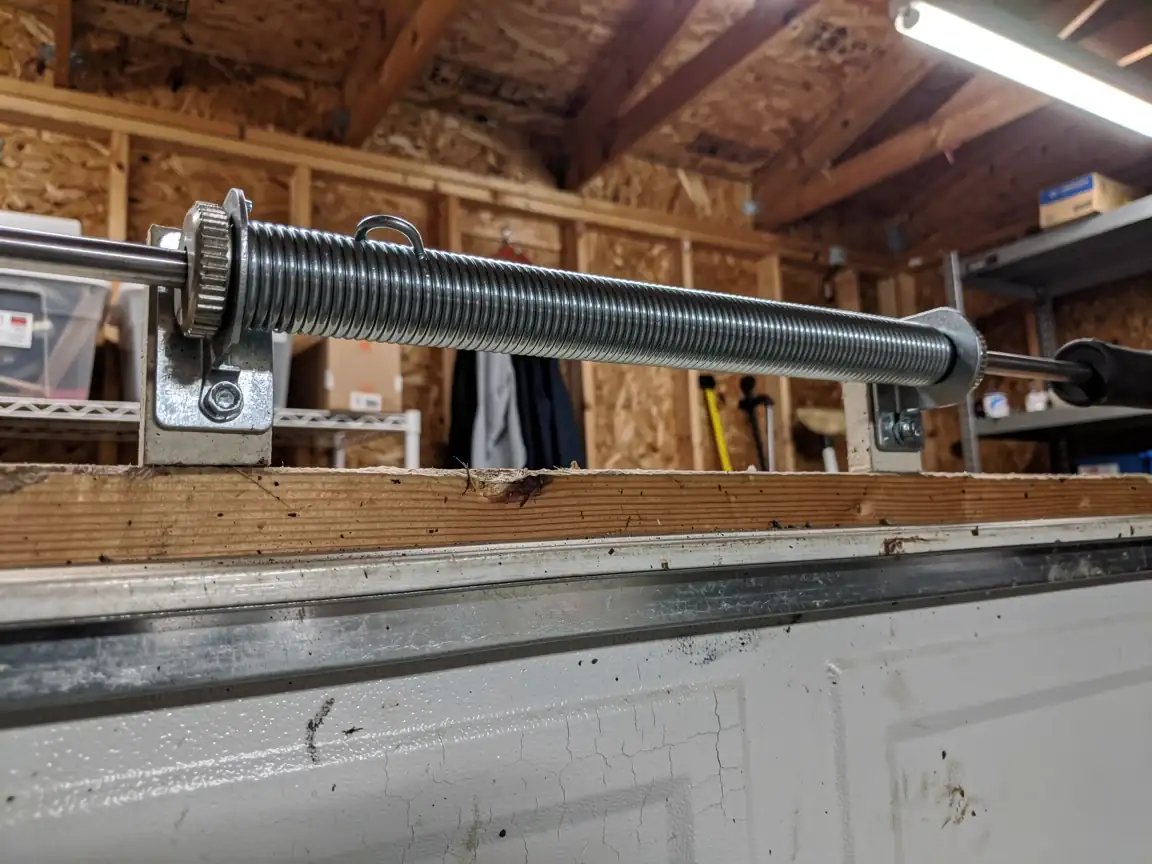
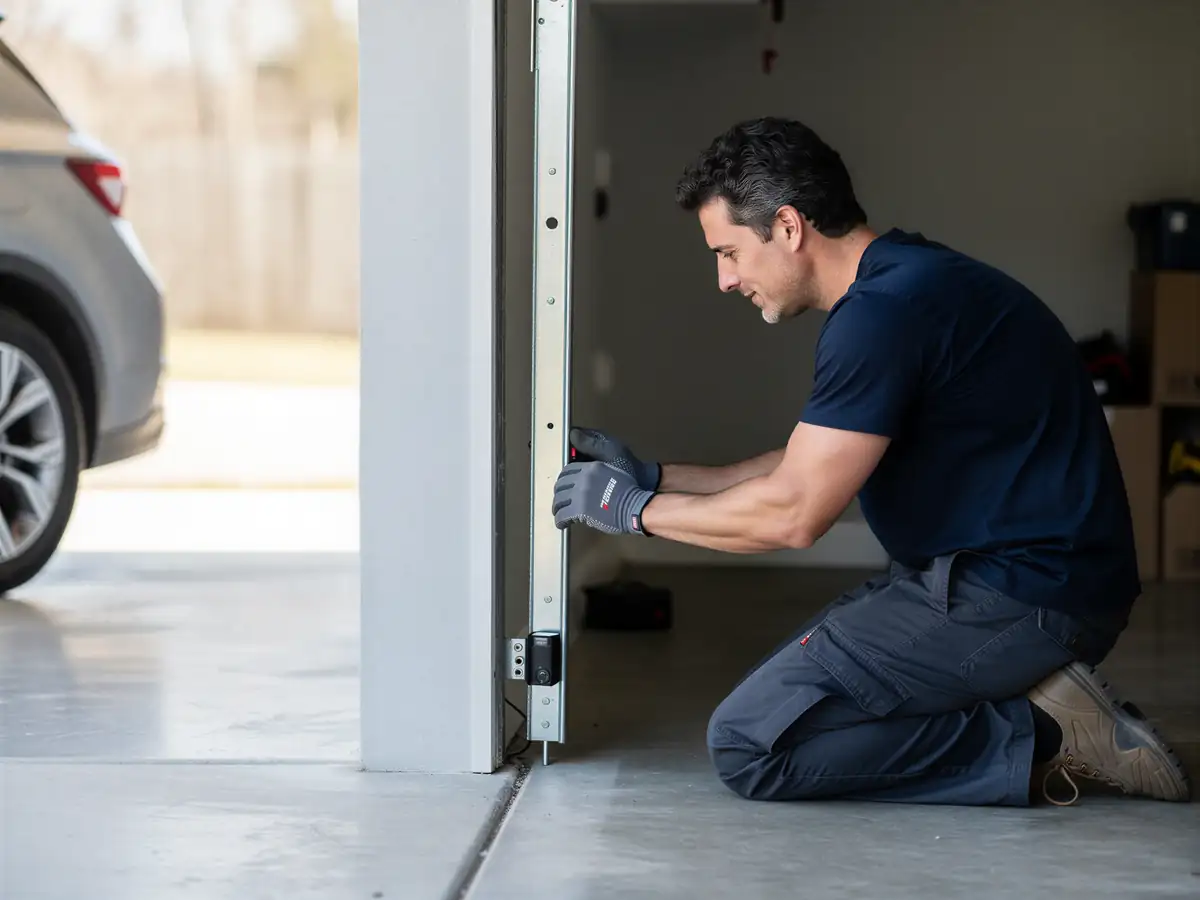
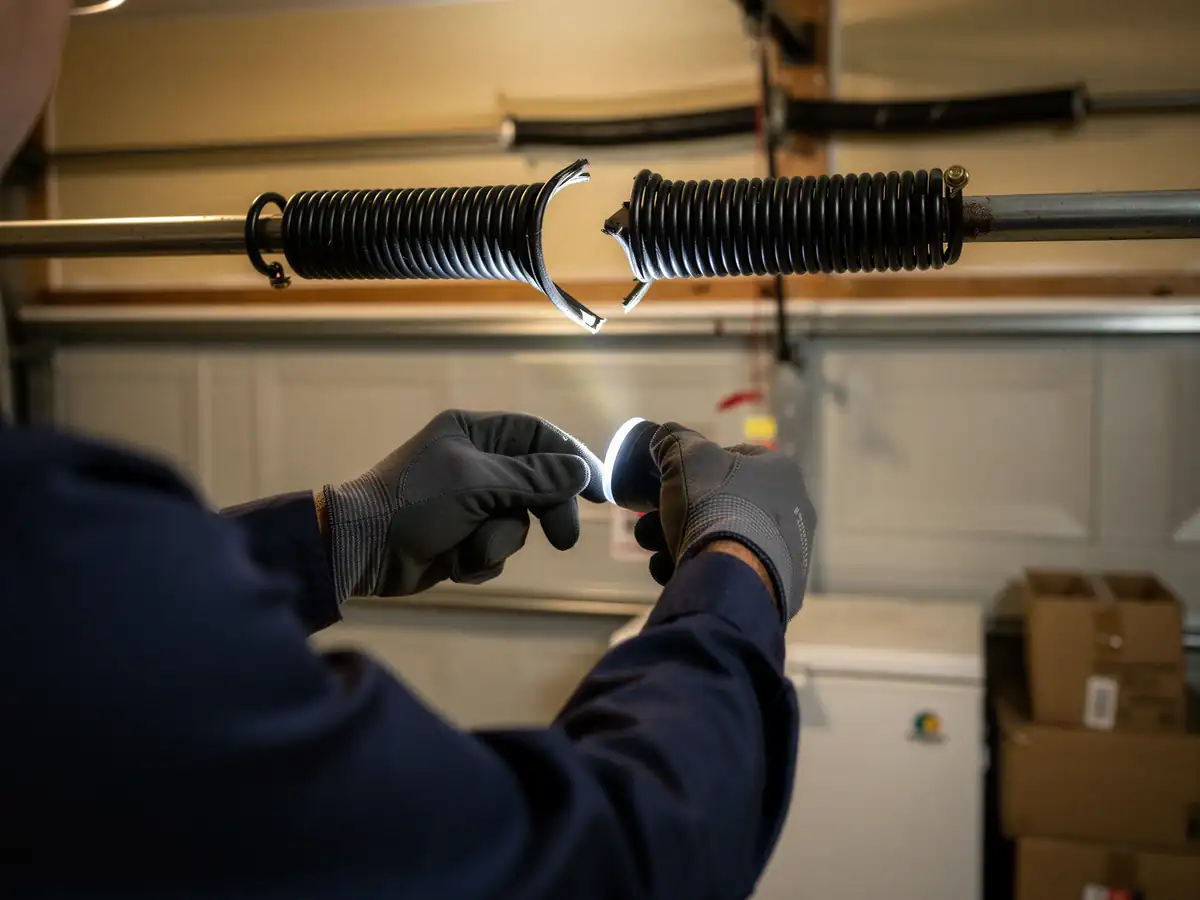
If a panel has popped loose from one roller but the door is still mostly square in the opening, you can sometimes walk it back by hand with the opener disconnected. That's the limit of what's safe without the right clamps. Once a cable has come off a drum, or the door is racked diagonally in the frame, the torsion spring is still under full load even though the door looks dead. People lose fingers reaching into that gap. We won't talk you through re-threading a cable over the phone, and any shop that does isn't thinking about your hand. If the door moved less than an inch off true and nothing is bent, a careful owner can sometimes reseat a roller. Past that point - bent track, a cable off the drum, or the door hanging crooked - it's a bar-and-clamp job, not a weekend one. Calling first costs you a trip charge at worst. Forcing it yourself can cost you the track, the panel, and a trip to urgent care.
What the Fix Involves
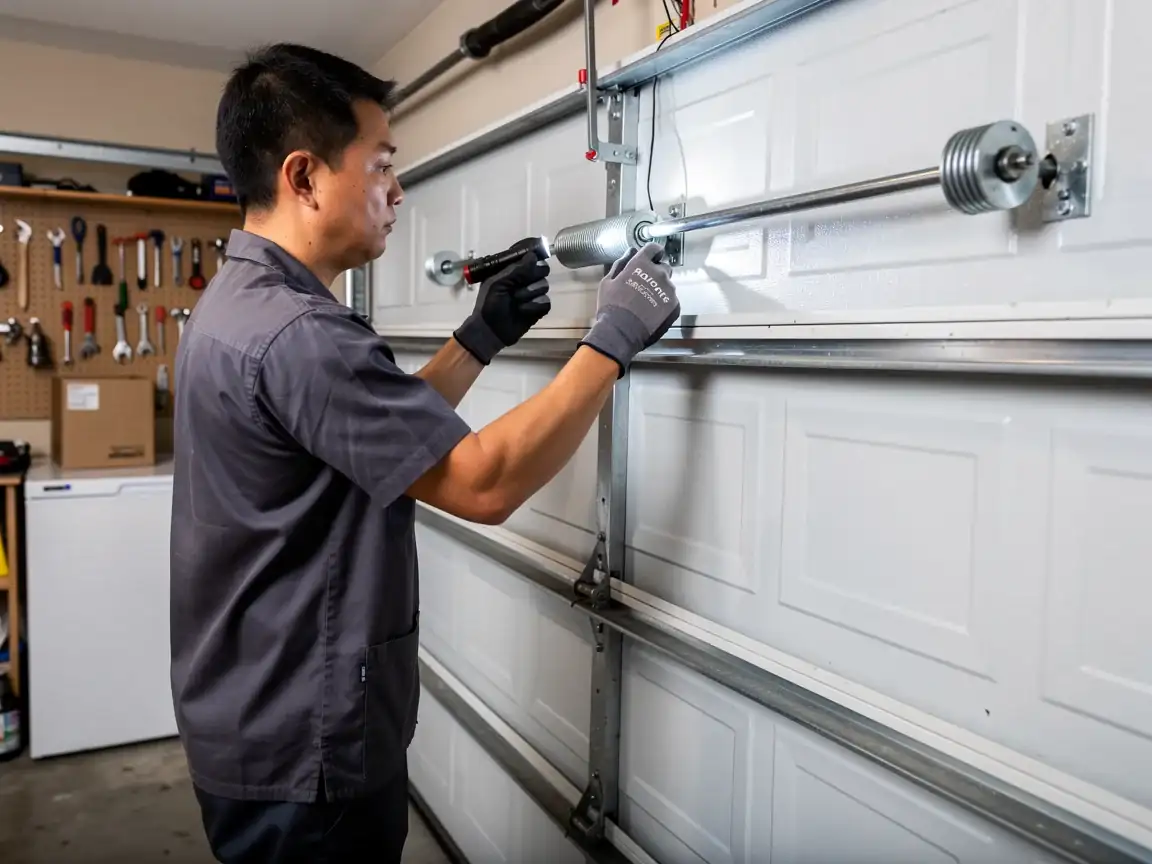
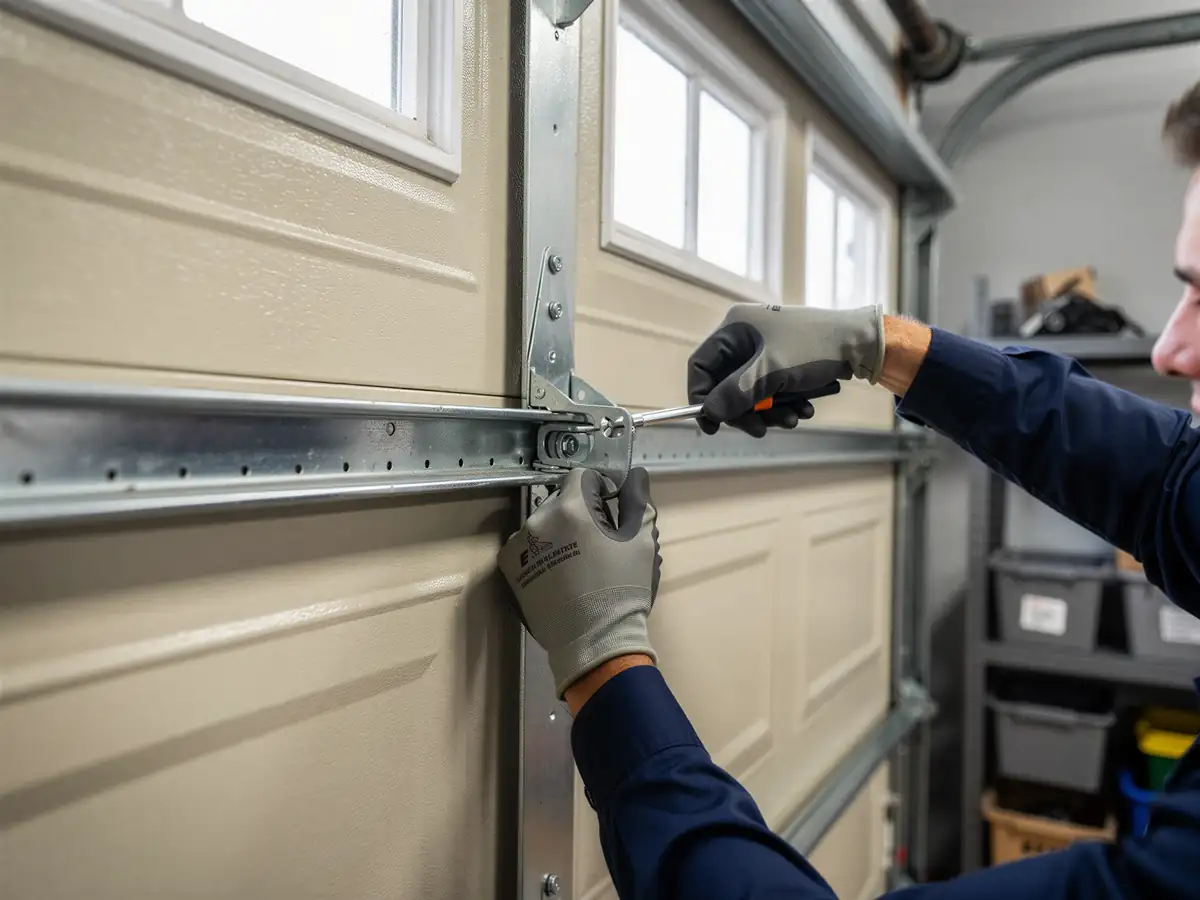
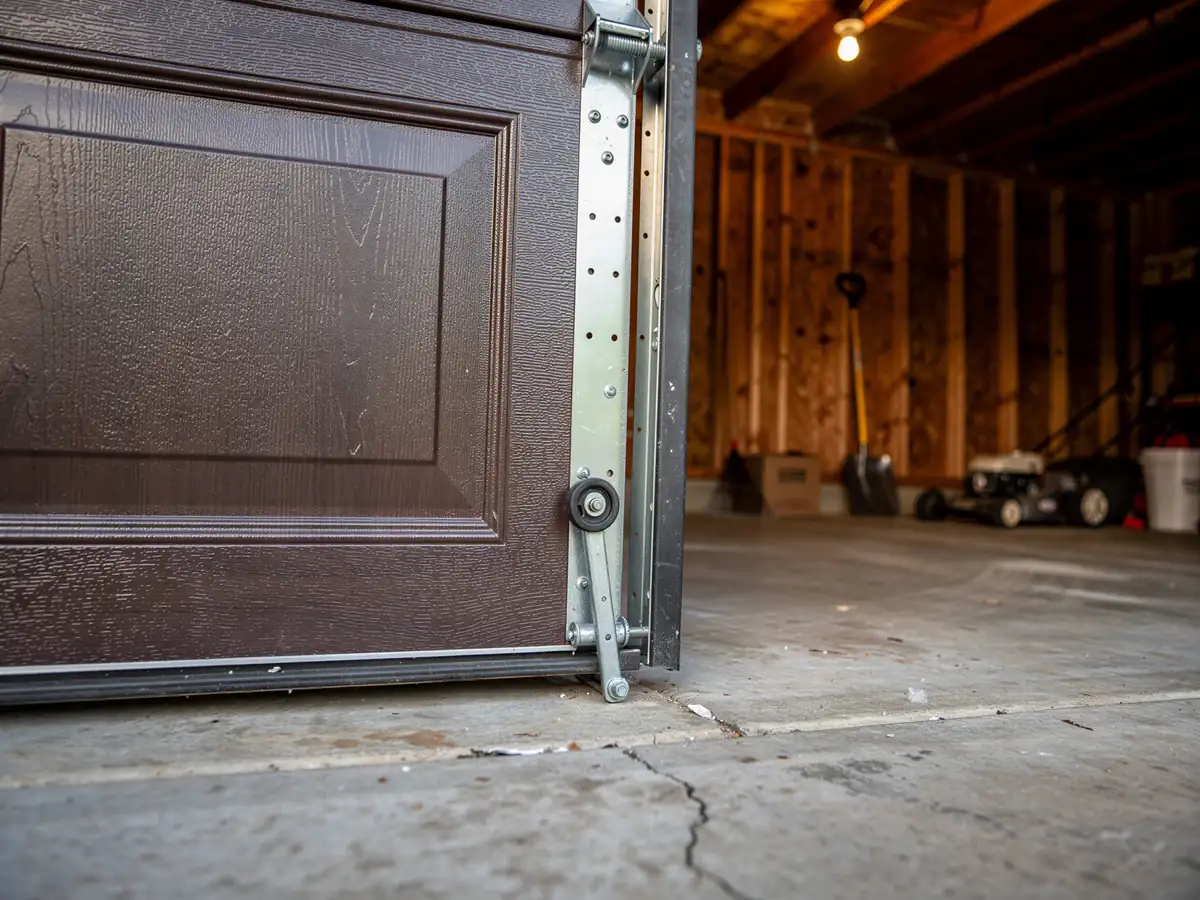
Most off-track calls start with the same check: is the track bent, or did a roller just jump the rail? If the rail's still straight, it's a matter of releasing tension, guiding the roller back into the channel, and checking every bracket bolt down the run - loose brackets are usually why it happened at all. If the track is bent, even slightly, it gets replaced rather than hammered straight; a track that's been bent once flexes easier the second time and the door will walk off again within months. We also check the cable drums while we're in there, since a door that jumps track on one side often has a cable starting to fray on the other. Parts for older production hardware aren't always on the truck - if your house still has its original 1990s track and brackets, that piece sometimes has to be ordered, which can mean a short wait before the final fix rather than a same-visit close.
How It Shows Up
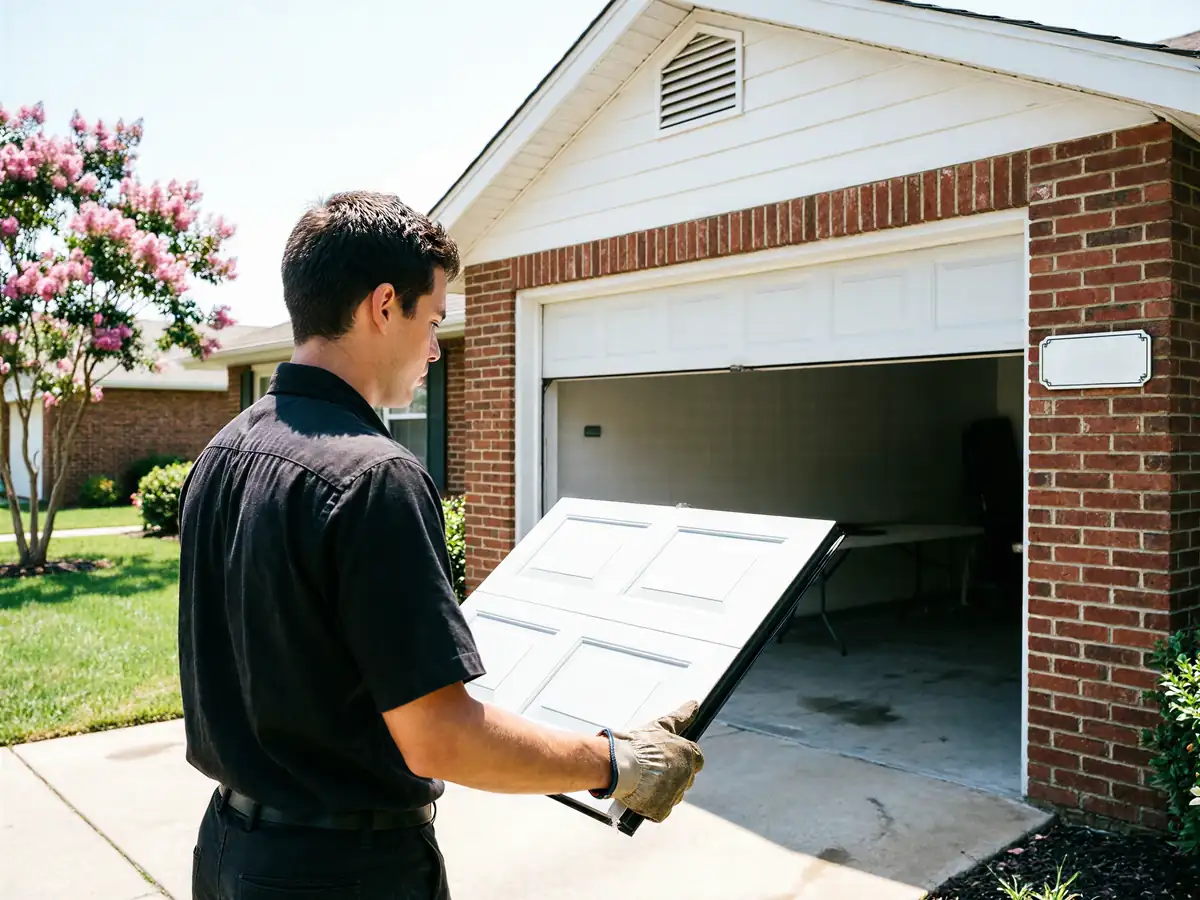
The first sign is usually noise before it's visible damage - a grinding or popping on the way up or down that wasn't there a month ago. Next the door starts to bind on one side, moving slower than the other, or an opener that used to run quiet starts straining on the chain or belt. By the time a roller actually leaves the rail, most owners notice a visible gap between the door edge and the track, or the door sitting crooked when it's down. Some doors keep operating for a while even slightly off track, just getting rougher each cycle, which is why people put off the call - but a track that's lost alignment is also losing its grip on the roller, and the failure mode after that is the door coming off the rail entirely while it's moving.