What Local Conditions Do
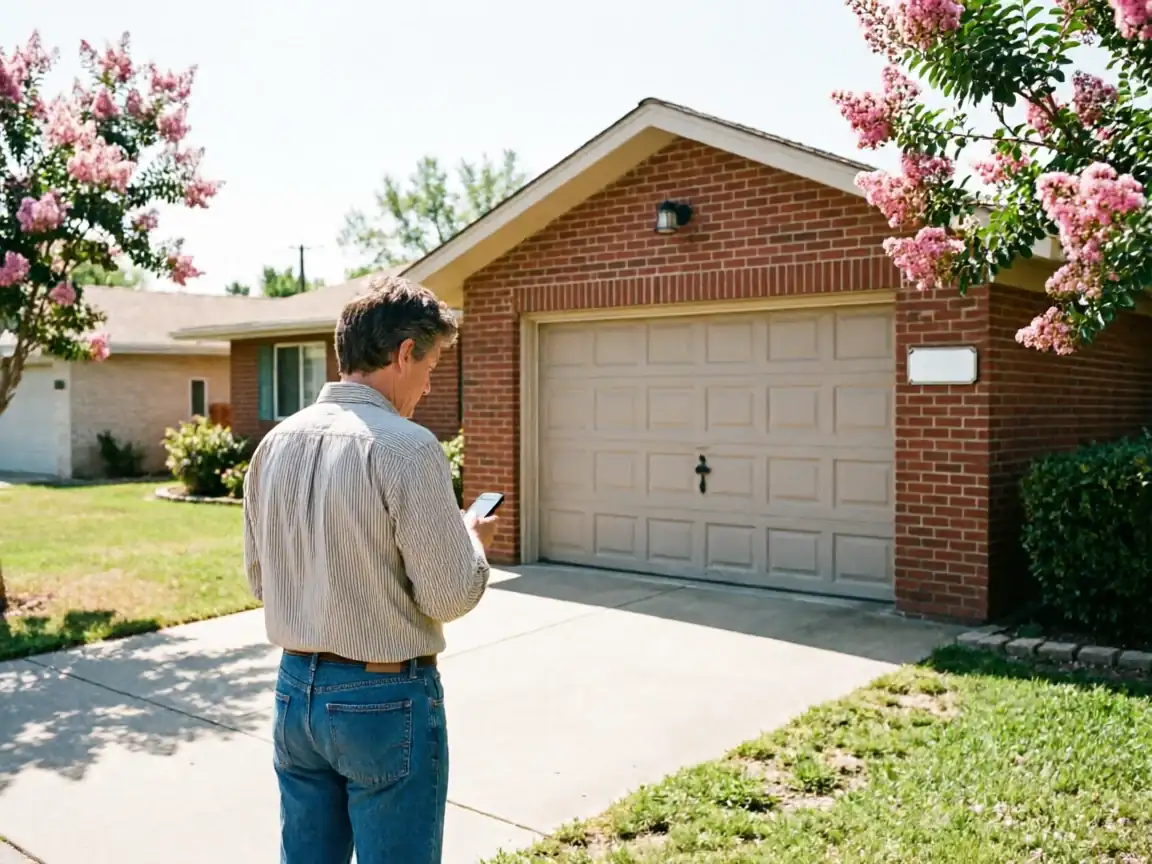
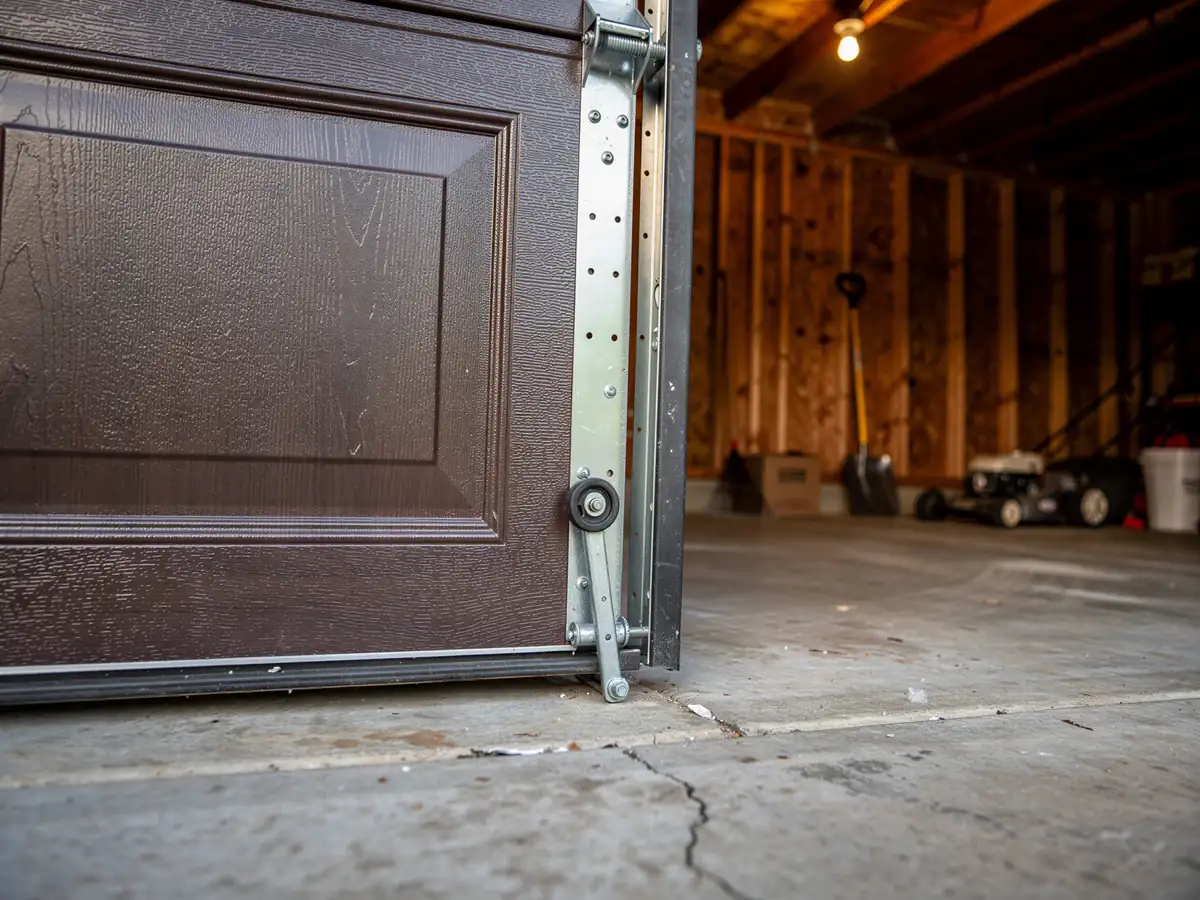
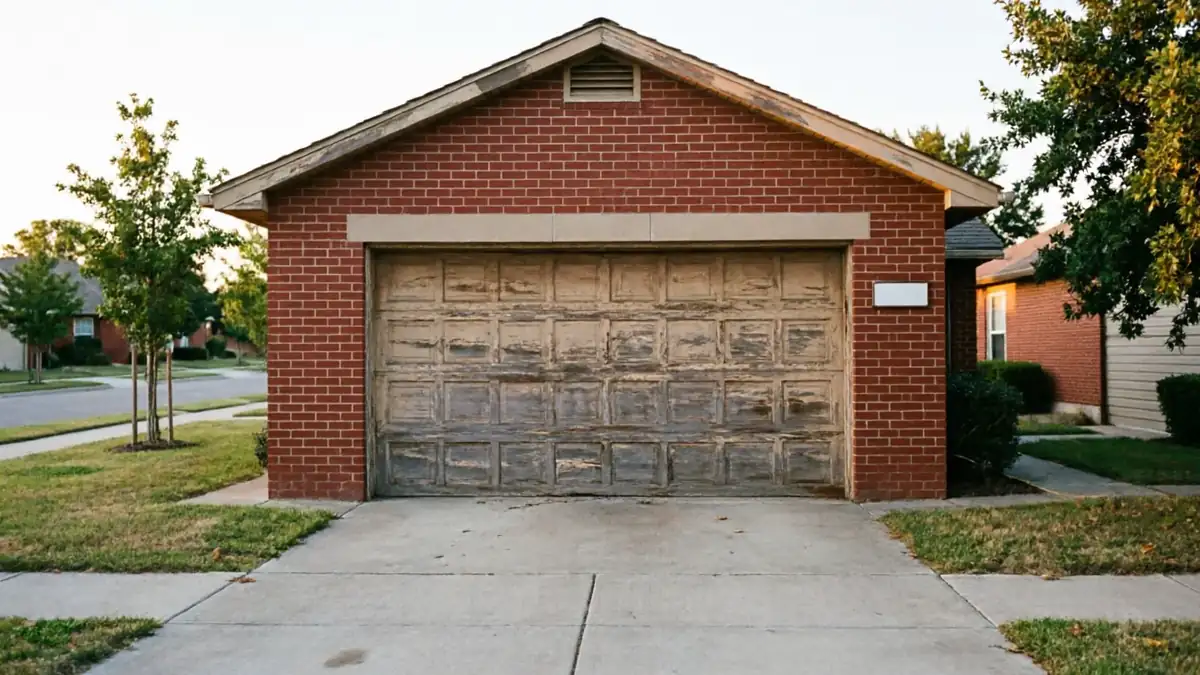
Most of the housing stock around Azle went up between 1953 and 2010, with the median build landing around 1991. That matters because doors and openers installed in that window are now 30 to 40 years old in a lot of cases, and the hardware on them isn't what you'd find on a door bought last year. A lot of these houses, especially across the older pockets of the area, still run original torsion springs and tracks sized for doors that are heavier and narrower than today's standard panels. The climate here runs moderate on heat compared to much of Texas, so you're not fighting the kind of extreme daily temperature swing that cracks panels and warps tracks in a single season. That's one thing working in your favor. But moderate heat still means summer afternoons that bake a steel door and garage interior for months at a stretch, which dries out lubricant, stiffens rollers, and shortens the working life of a spring that's already a few decades old. The age of the door matters more here than the weather does. A door installed in 1991 has had roughly three decades of cycles - open, close, open, close - and springs are rated in cycles, not years. When you combine an old spring with hardware nobody stocks anymore, you've got a door that still looks fine but is closer to failure than it looks.
Leaving It Alone
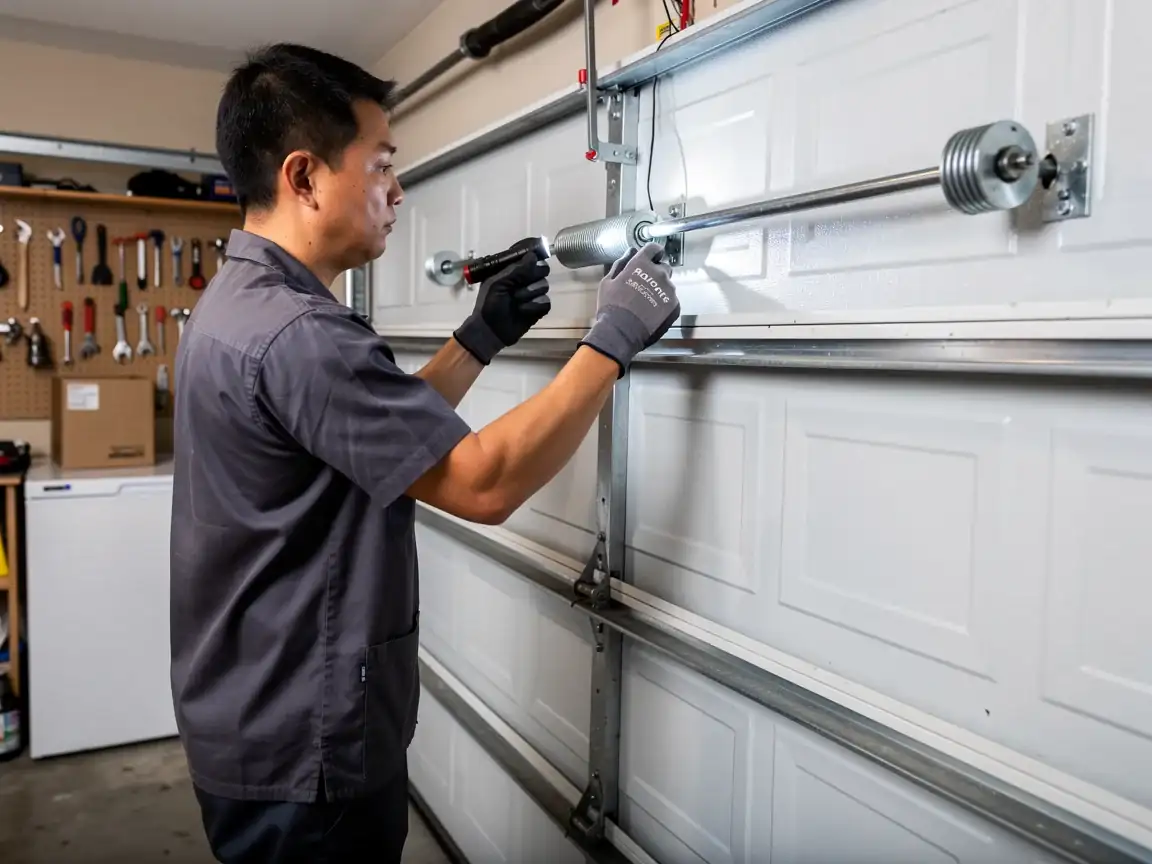
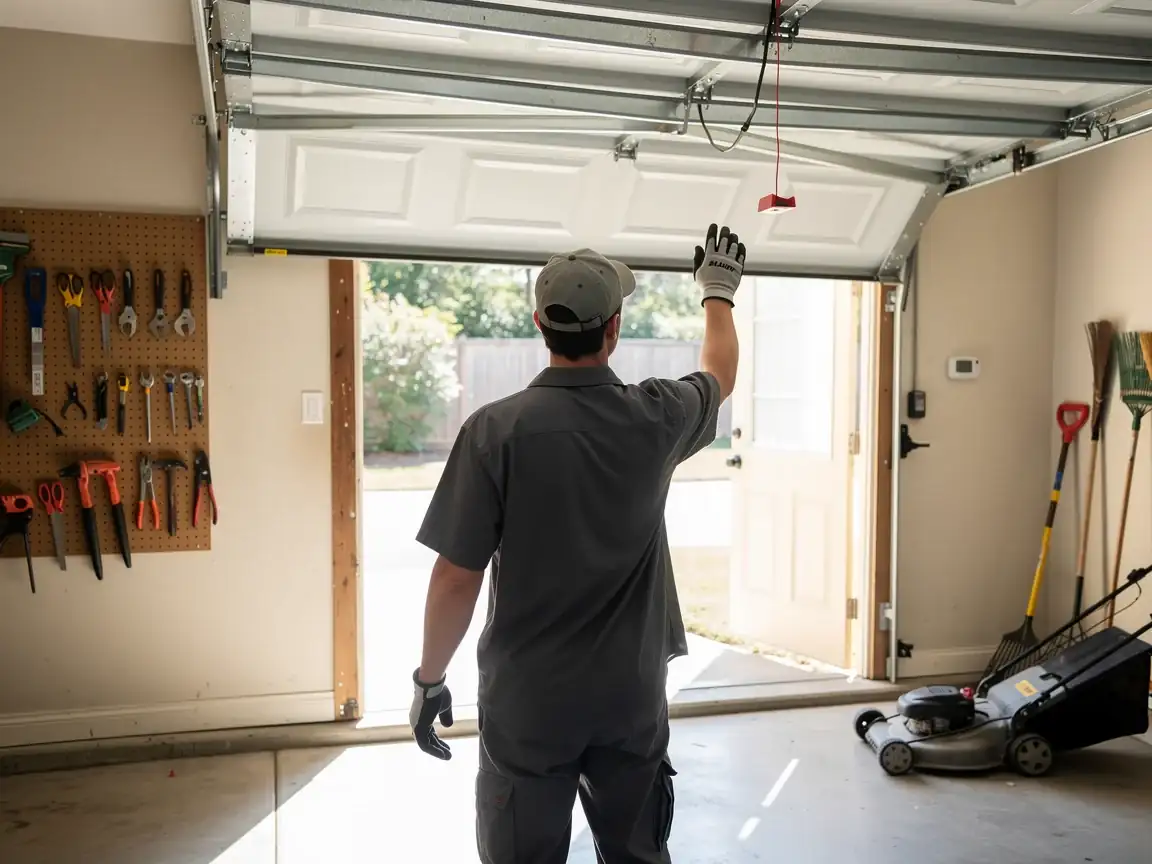
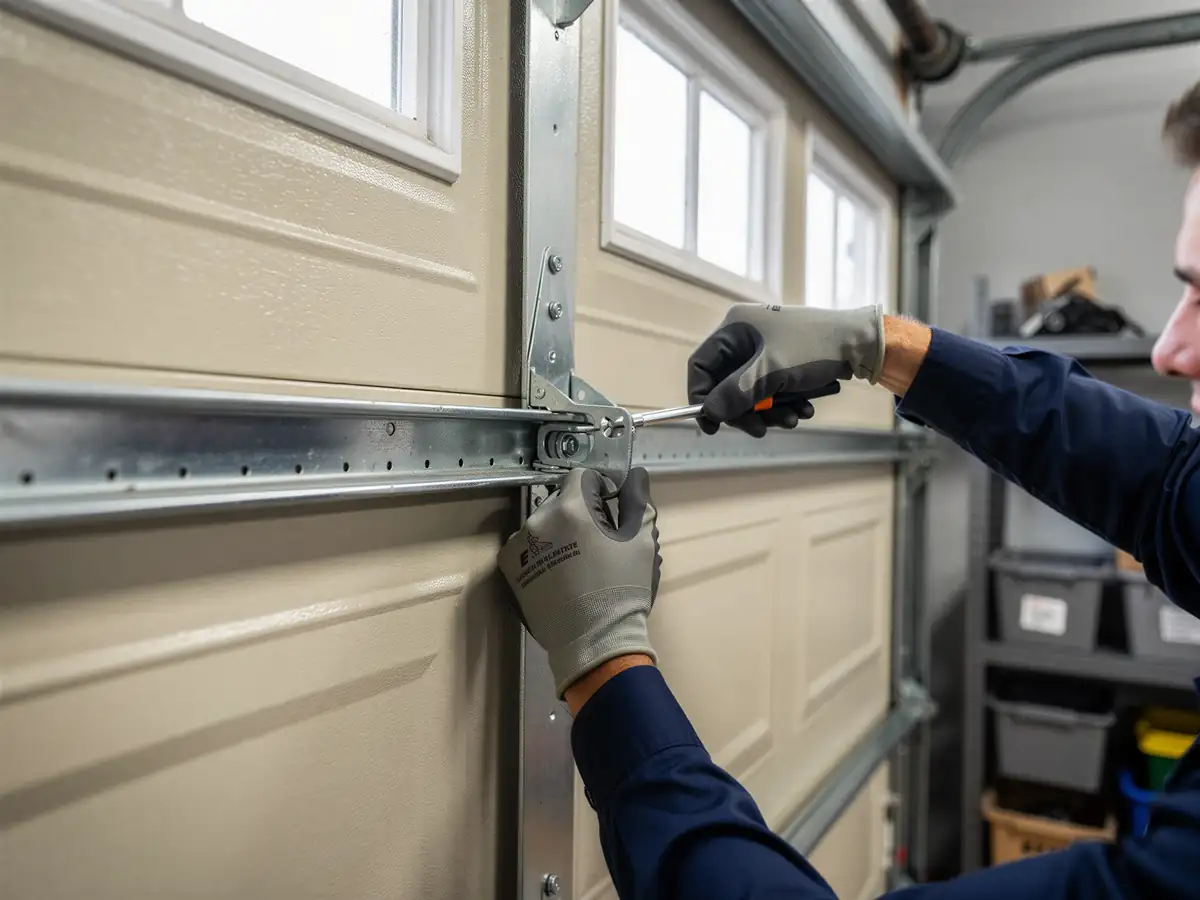
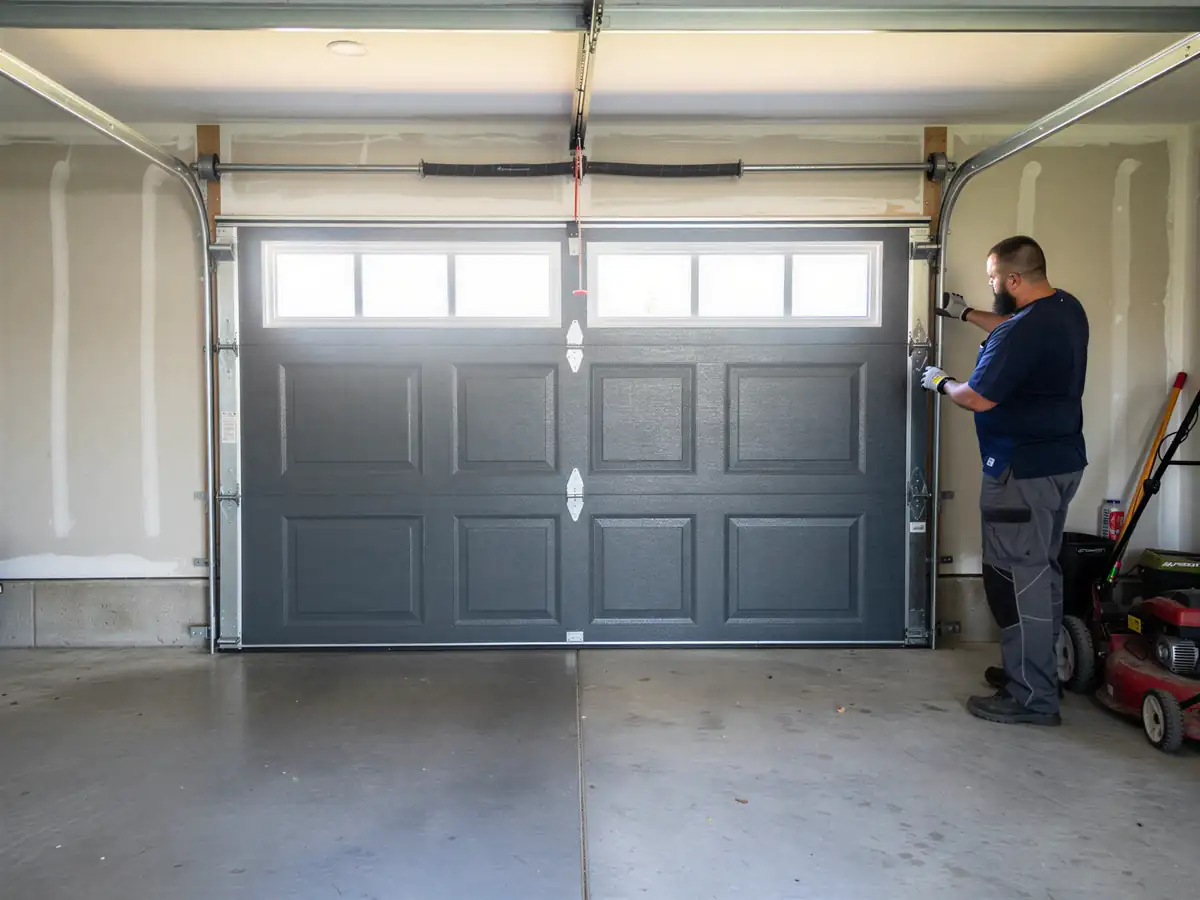
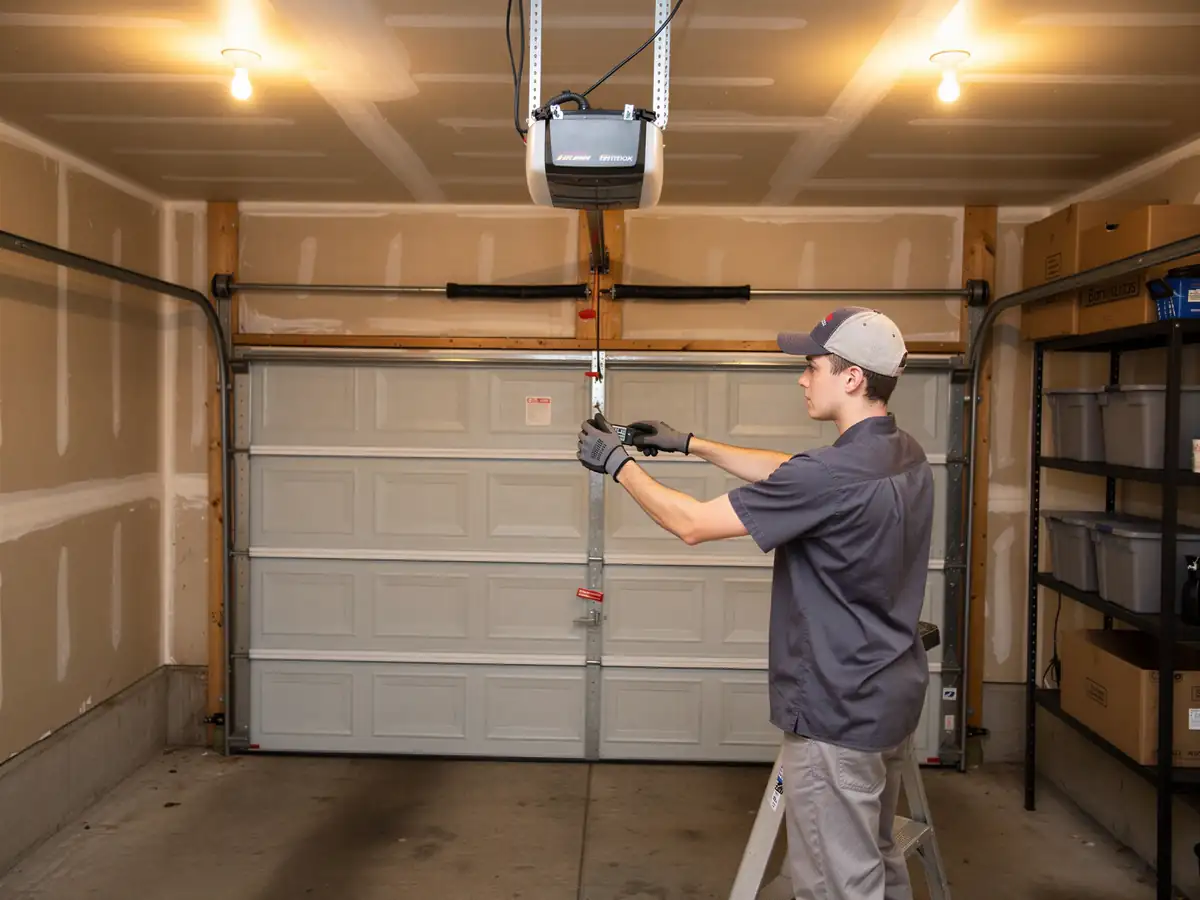
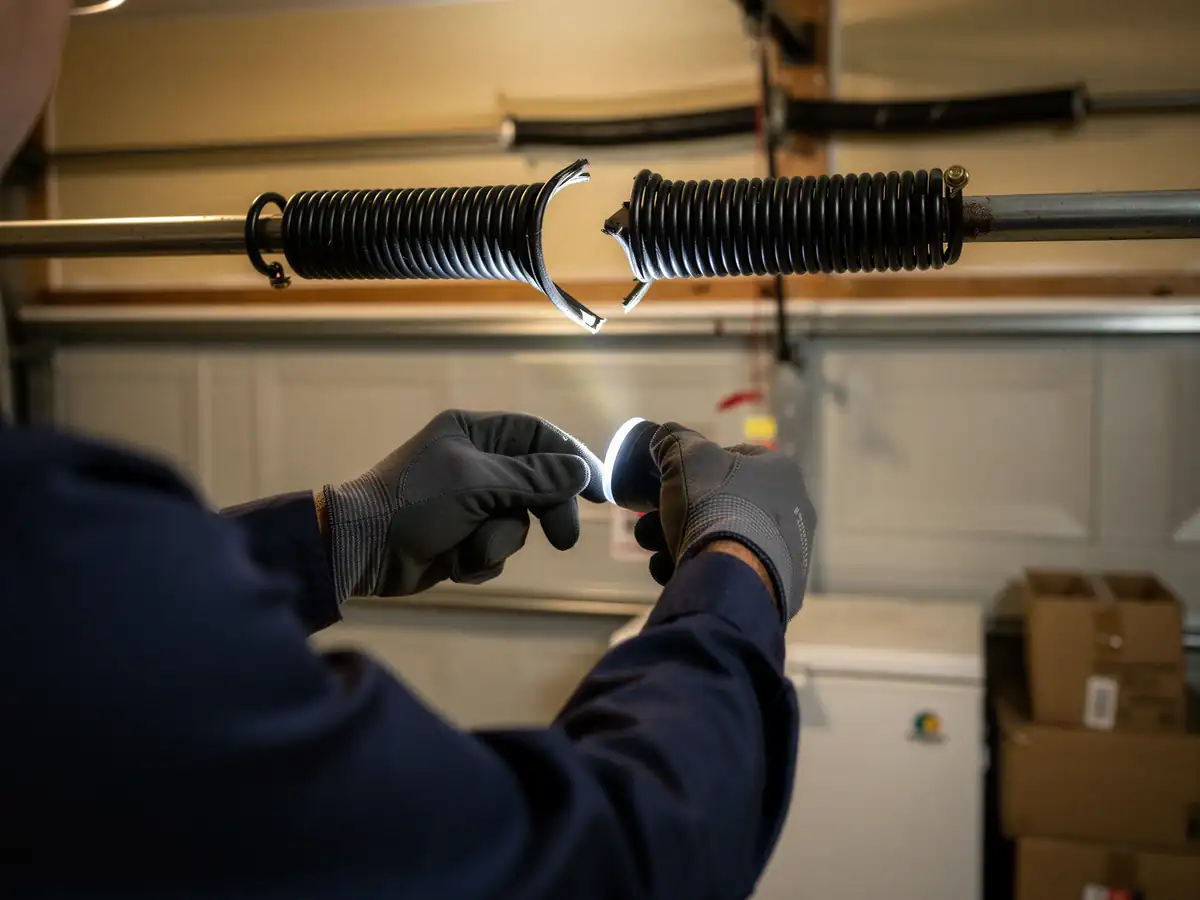
If your door was installed anywhere in that 1953-2010 window and it's still opening and closing without grinding, slow starts, or visible sag in the panels, you can leave it alone for now. A door that old working smoothly usually means it's been lubricated and the spring hasn't hit its cycle limit yet - not that it's immune. Don't mistake quiet operation for good health, though. The failure mode on a 30-year-old torsion spring is usually sudden: it snaps, not fades. If you hear a bang from the garage and the door won't budge, that's the spring, and it's not a weekend project - torsion springs are under enough tension to cause real injury if you don't know what you're doing. The honest limitation here: once a spring from an early-90s build fails, matching it with an off-the-shelf part isn't always straightforward. Older torsion hardware was sized differently than what's sold today, and getting the wind and wire gauge right takes measuring the broken spring, not guessing from a parts rack. That's a call-someone job, not a leave-it-alone job.
The Situation
Azle sits among a cluster of smaller communities - Reno, Pecan Acres, Lakeside, Lake Worth, and others within a 20-mile radius - where the housing stock skews heavily toward 1980s and 90s construction. That shared era means a lot of these houses have doors and openers from roughly the same decade, installed under similar building standards and now hitting similar points of wear at close to the same time. It's not a coincidence when several houses on the same street need spring work within a year or two of each other - they were often built close together and the hardware ages on the same clock. With 31,213 households across the broader service area, a good share of them are sitting on garage doors that are old enough to need a real look, not a quick oil spray. The moderate heat band here means you're spared the worst of the thermal cycling that destroys doors faster in hotter parts of the state, but moderate isn't none - and a door that's already 30 years old doesn't get a pass just because the climate's been gentle on it.