Can You Do This Yourself
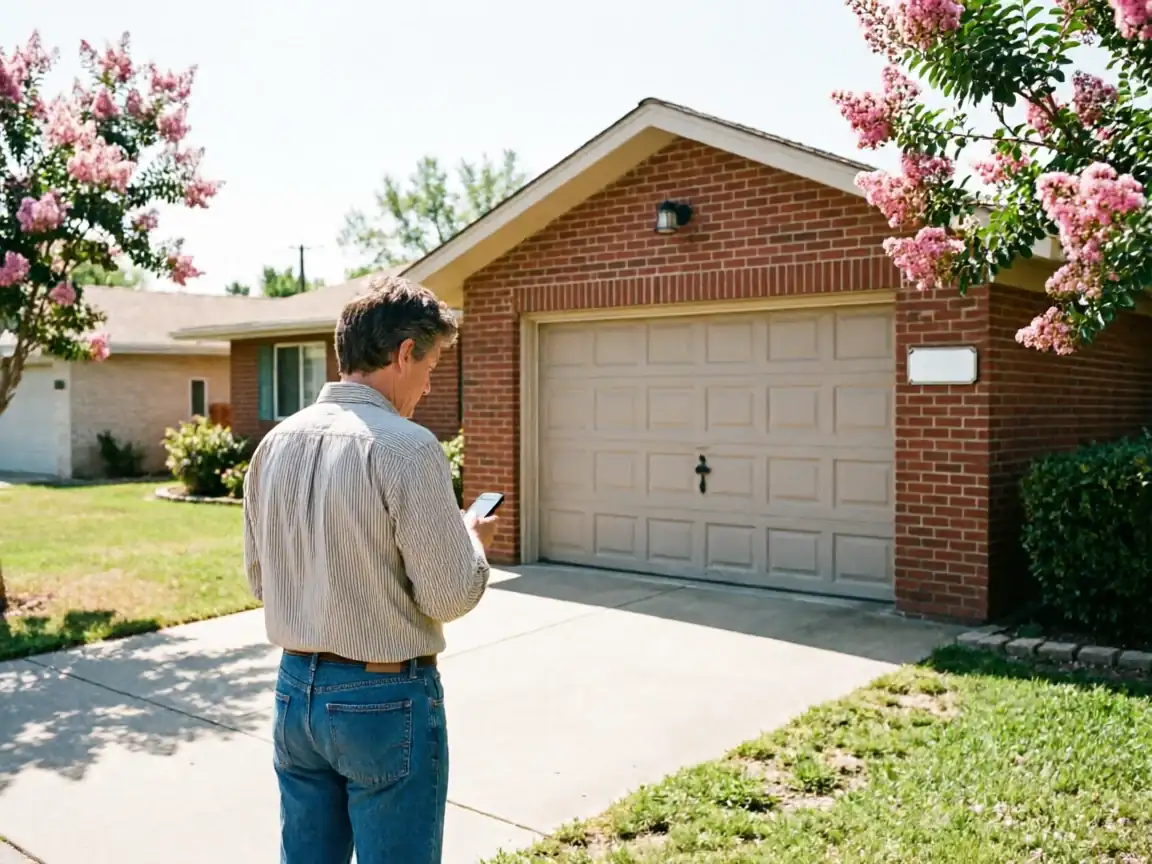
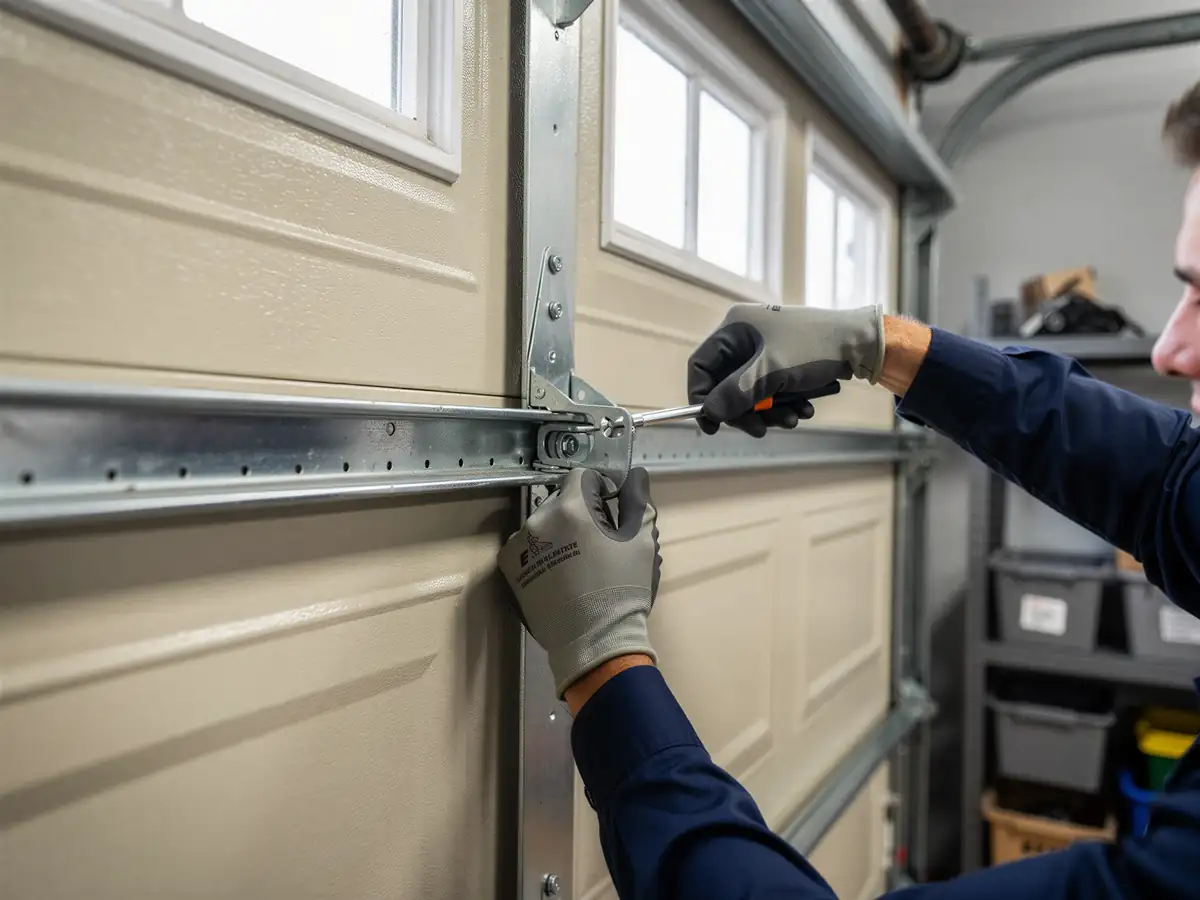
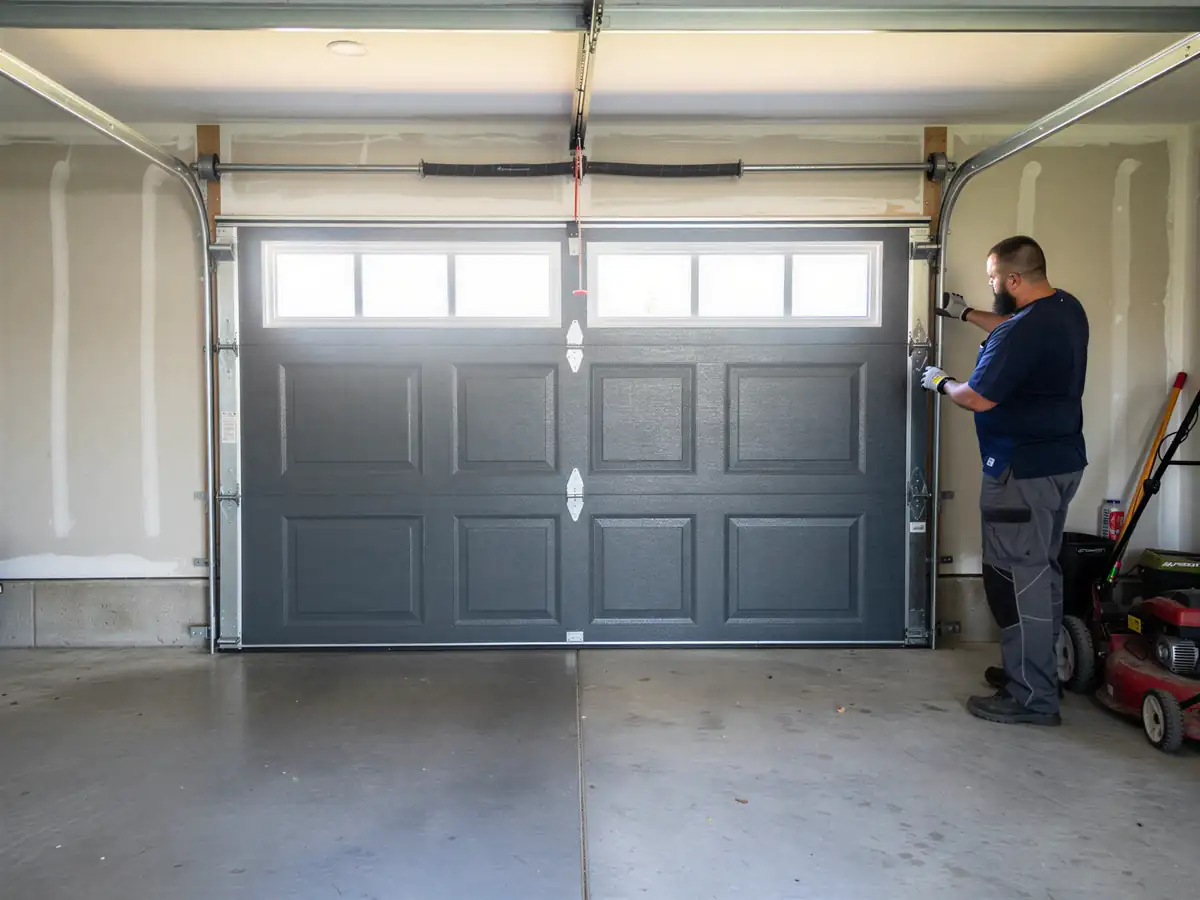
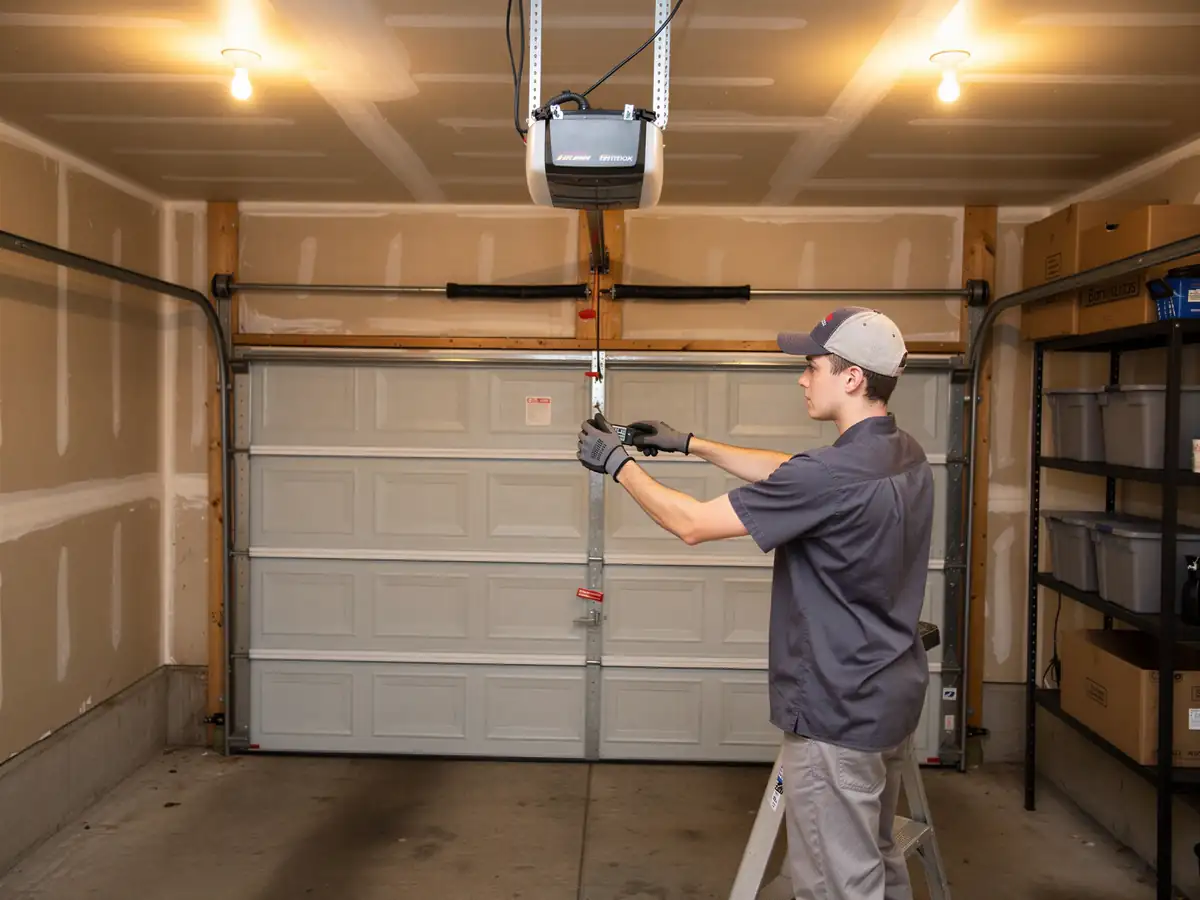
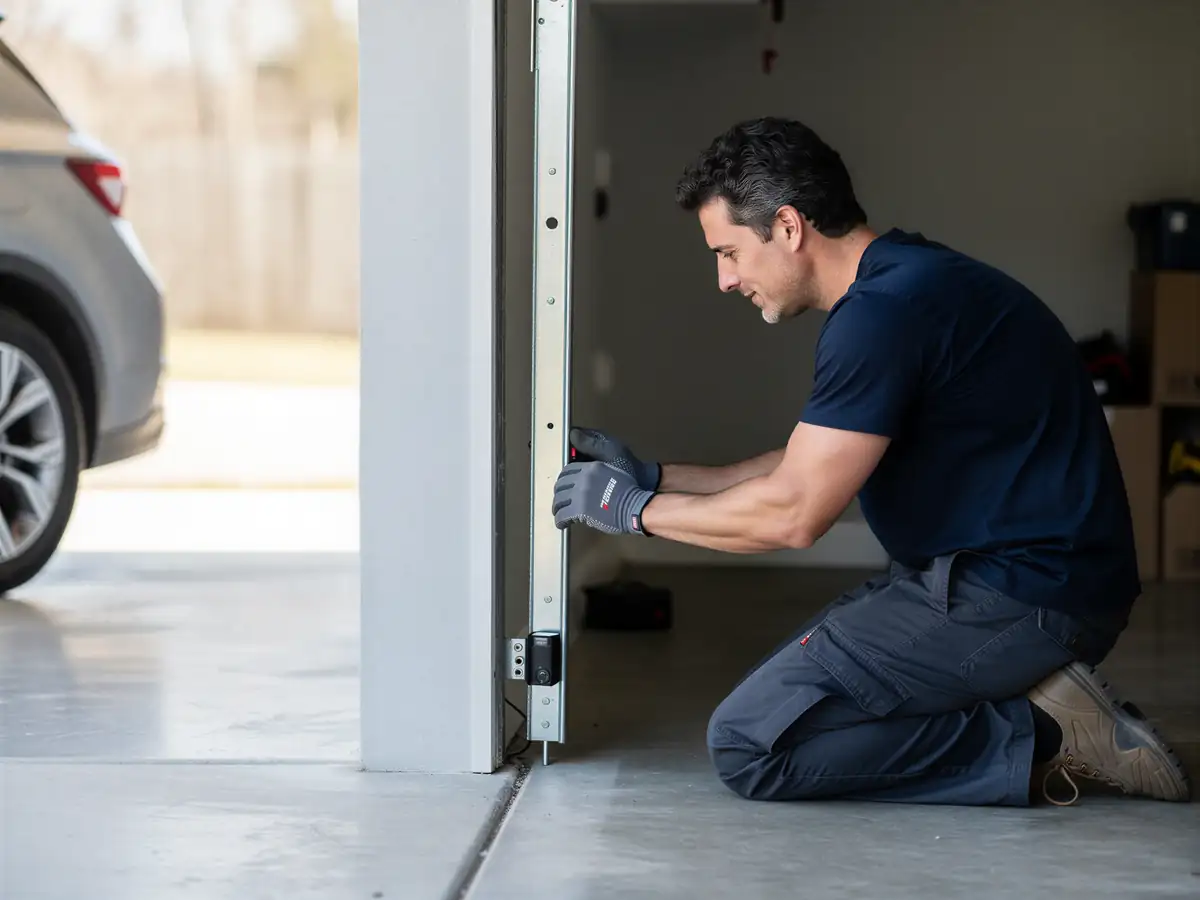
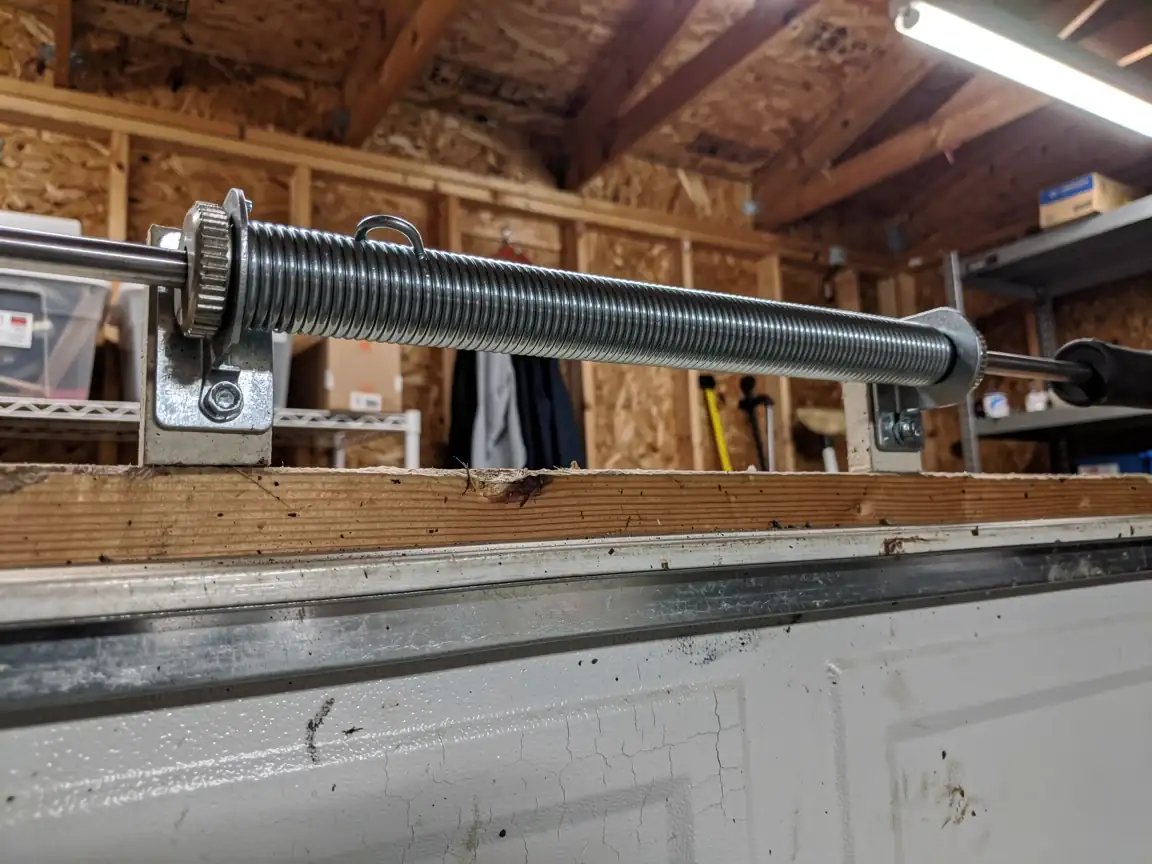
Some of it, yes. You can hose off the tracks, tighten loose hinge bolts, and check that the photo-eye sensors near the bottom of the track aren't knocked out of line - that's a two-minute fix that causes a surprising number of "the opener won't close" calls. What you shouldn't touch is anything on the spring side. A torsion spring is wound under enough tension to do real damage if it lets go while you're working on it, and most of the Azle houses we go into - built anywhere from 1953 up through the 2000s, with the bulk going up in the 1980s and 90s - still have the original spring and drum setup, not the safer modern cable systems. If your door is heavy to lift by hand with the opener disconnected, or it's dropped more than an inch unevenly, that's a spring or cable job, not a weekend project. Lubricating hinges and rollers with a garage-door-specific lubricant (not WD-40, not grease) is worth doing twice a year and it's genuinely safe to do yourself.
What the Fix Involves
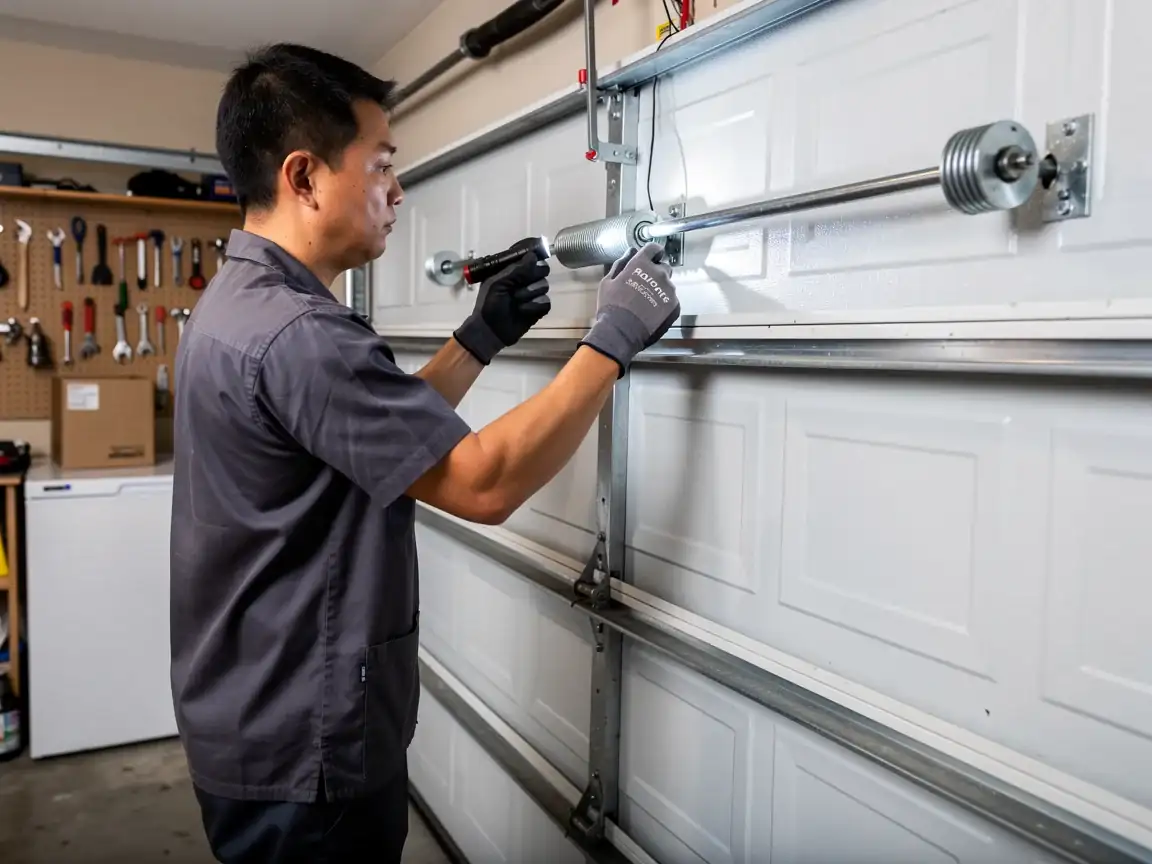
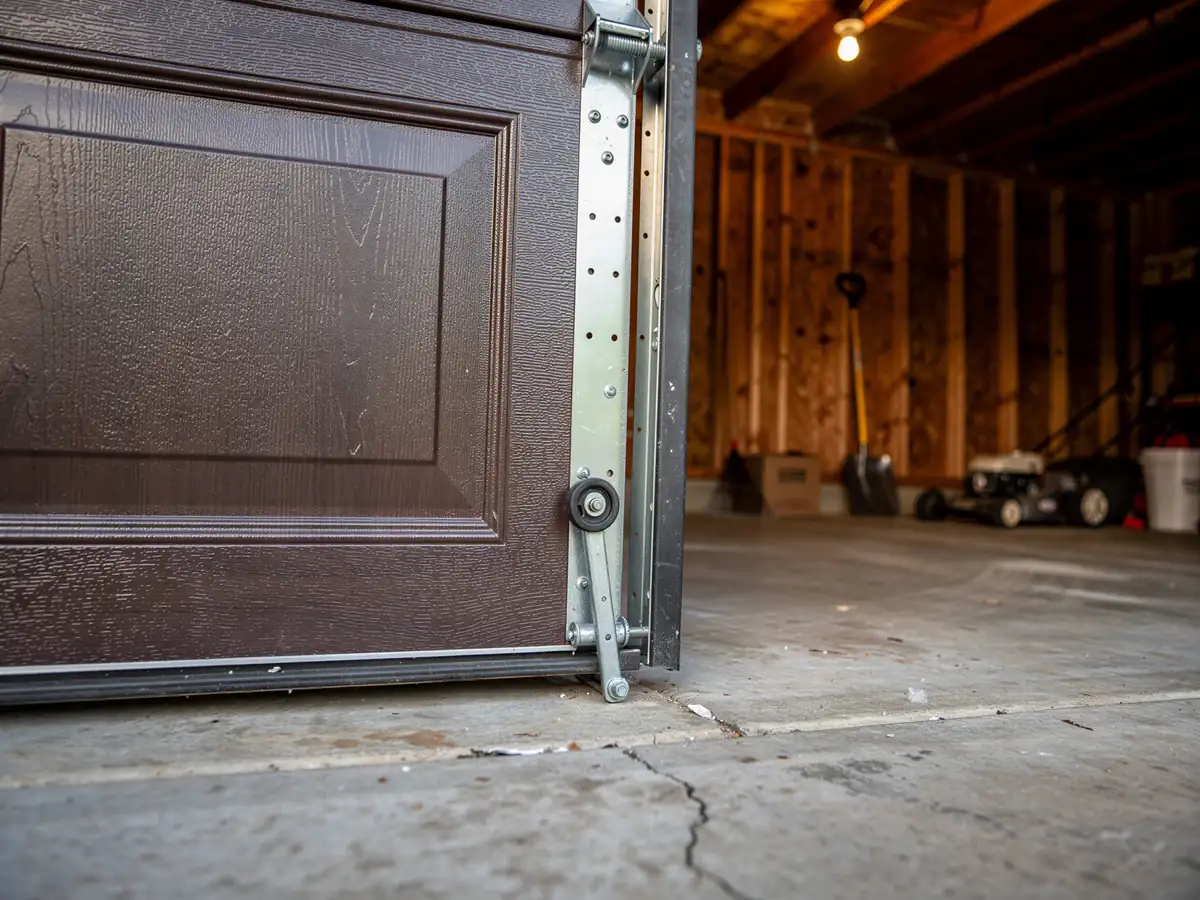
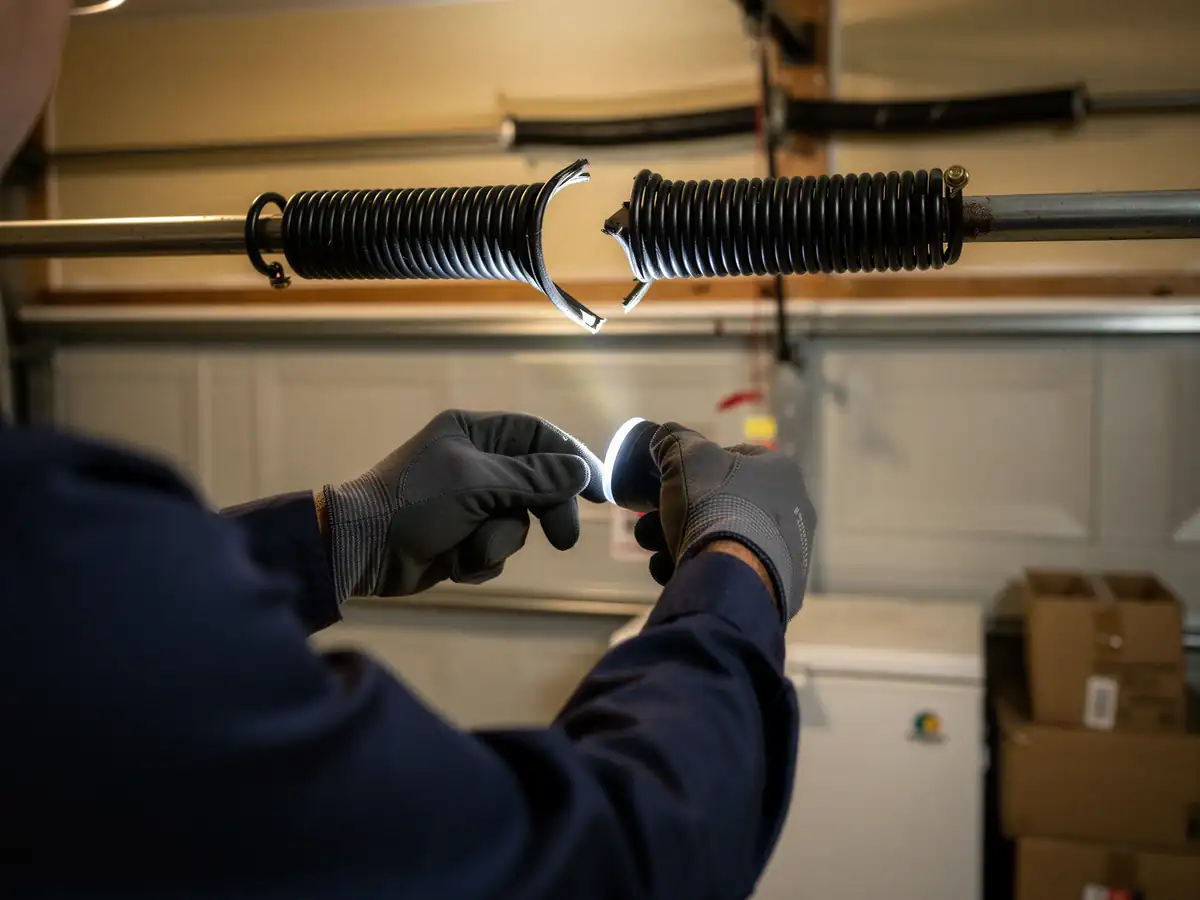
A standard service call starts with checking spring tension and cycle count, since most residential torsion springs are rated for about 10,000 cycles - roughly 7 to 10 years of normal use - and a lot of the doors we see on 1980s and 90s-built Azle homes are running on hardware that's well past that. We check the drums, the cables for fraying at the bottom bracket, the track alignment, and the opener's force settings, which drift over time and either strain the motor or let the door reverse unexpectedly. If the spring is original to the house, we're usually replacing it rather than patching it, because a spring that's one failure away from snapping isn't worth a partial repair. On older doors built before galvanized torsion springs became standard, we'll also check the end bearing plates, which wear out quietly and are a common cause of a door that sounds rough but still moves. We don't recommend lubricating a dying spring and calling it fixed - that buys you weeks, not years.
How It Shows Up
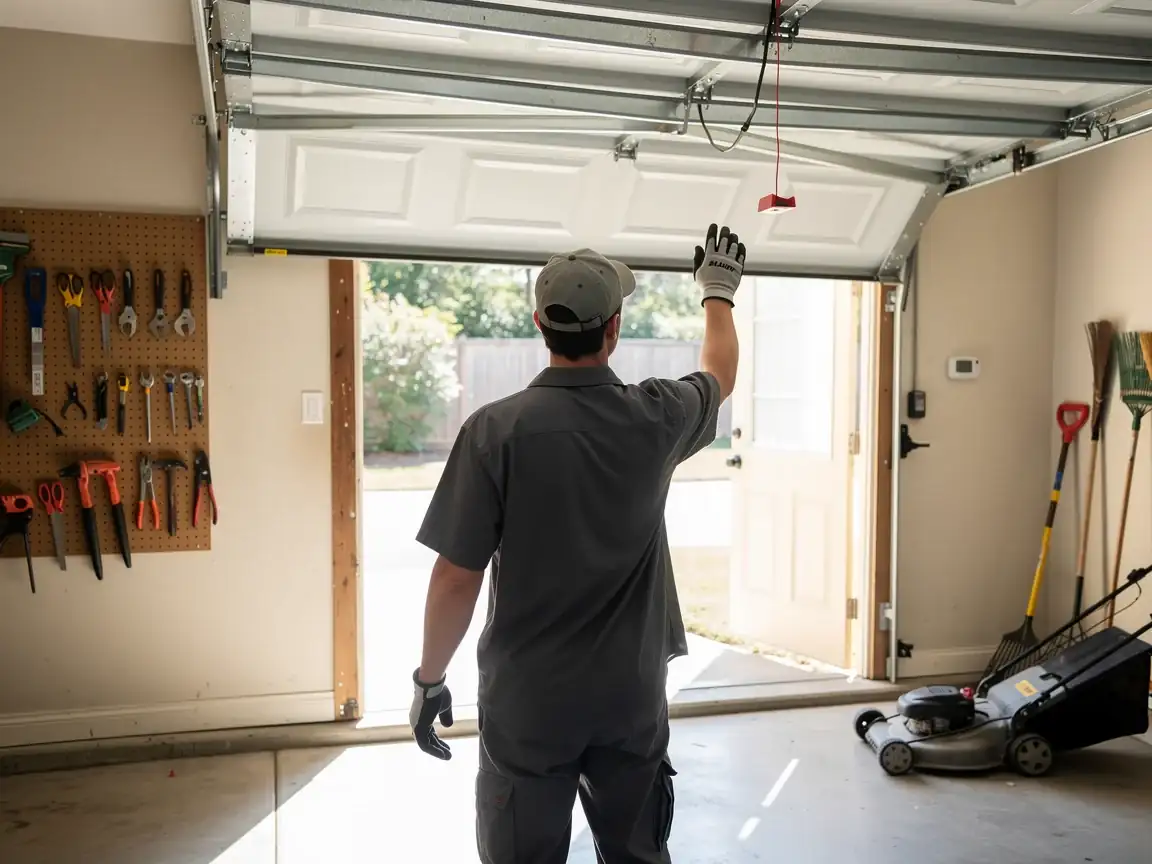
The most common version is a door that's gotten noticeably louder over a few months - a grinding or popping sound when it opens - followed a few weeks later by a cable coming loose or a spring finally giving out. Another pattern we see in the older end of Azle's housing, the homes closer to the 1953-1970s range, is a door that opens unevenly, lifting one side a beat before the other, which usually points to an original spring that's lost tension on one side or a drum that's slipping. In newer 1990s and 2000s construction, the more common complaint is an opener that reverses for no reason, which is almost always a force-setting or sensor-alignment issue rather than anything mechanical. If your door has started resting slightly crooked when closed, or the remote works some days and not others, don't wait on it - those are early signs, not random glitches.