What Local Conditions Do
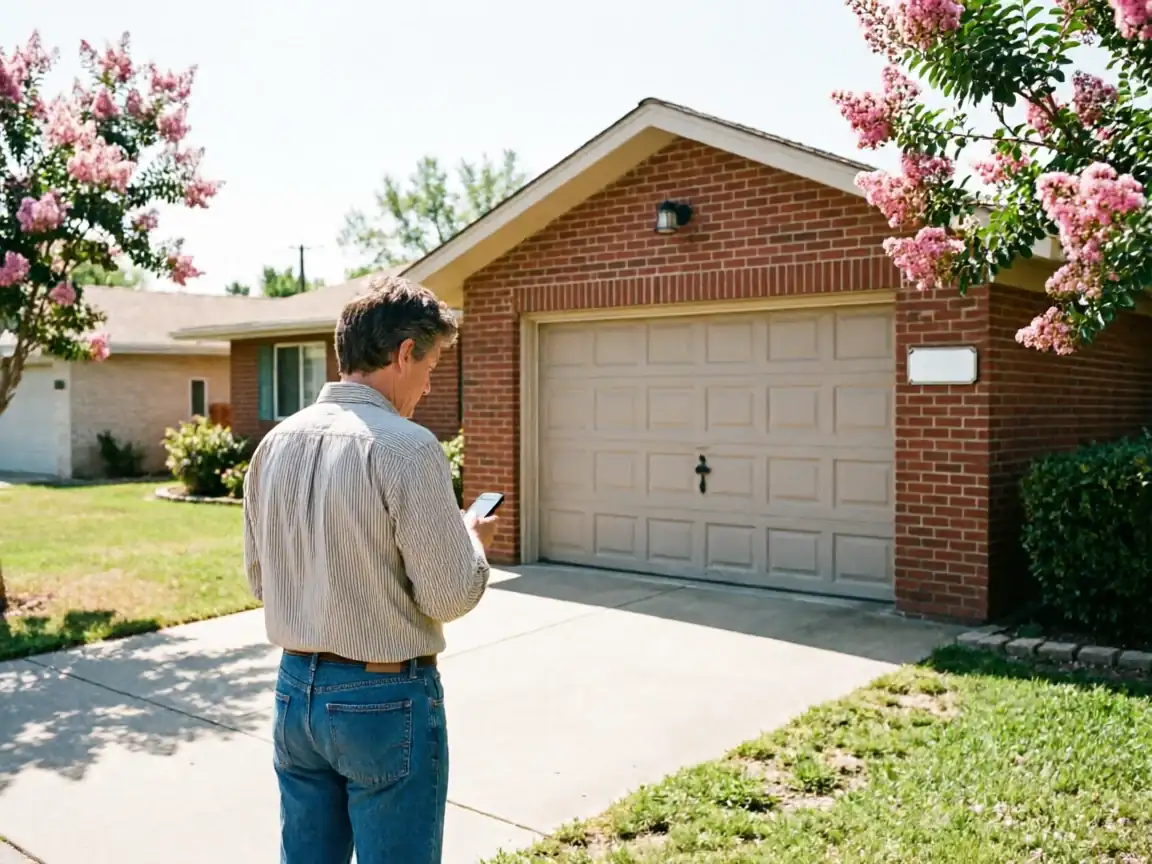
Most of the houses we work on around here went up between 1953 and 2010, with the bulk of that stock built in the 1980s and 90s. That matters because doors and openers installed in that window are now 25 to 40 years old, and a lot of original hardware is still hanging on tracks that were never upgraded. The heat band here runs moderate, not extreme, but it's steady - long stretches of warm months that dry out lubricant on rollers and hinges faster than owners expect, and that soften the nylon rollers some of those 80s and 90s doors still have. You won't get the dramatic failures a harsher climate causes, but you get slow ones: a spring that's lost a little tension every summer for a decade, a track that's worked itself slightly out of alignment because the opener bracket has baked and flexed season after season. None of this shows up as an emergency until the day it does. If your house falls in that 1980s-2000s build range, the hardware age is doing more to your door right now than any single weather event will.
Leaving It Alone
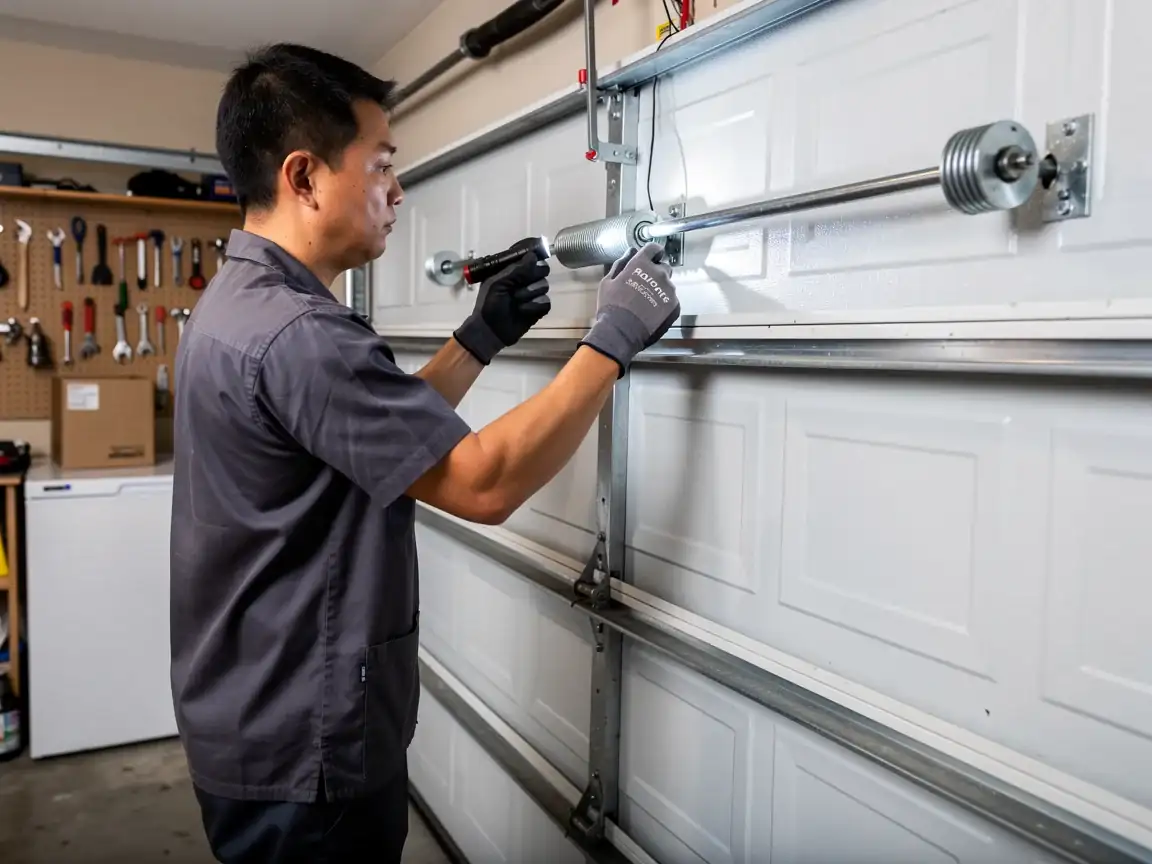
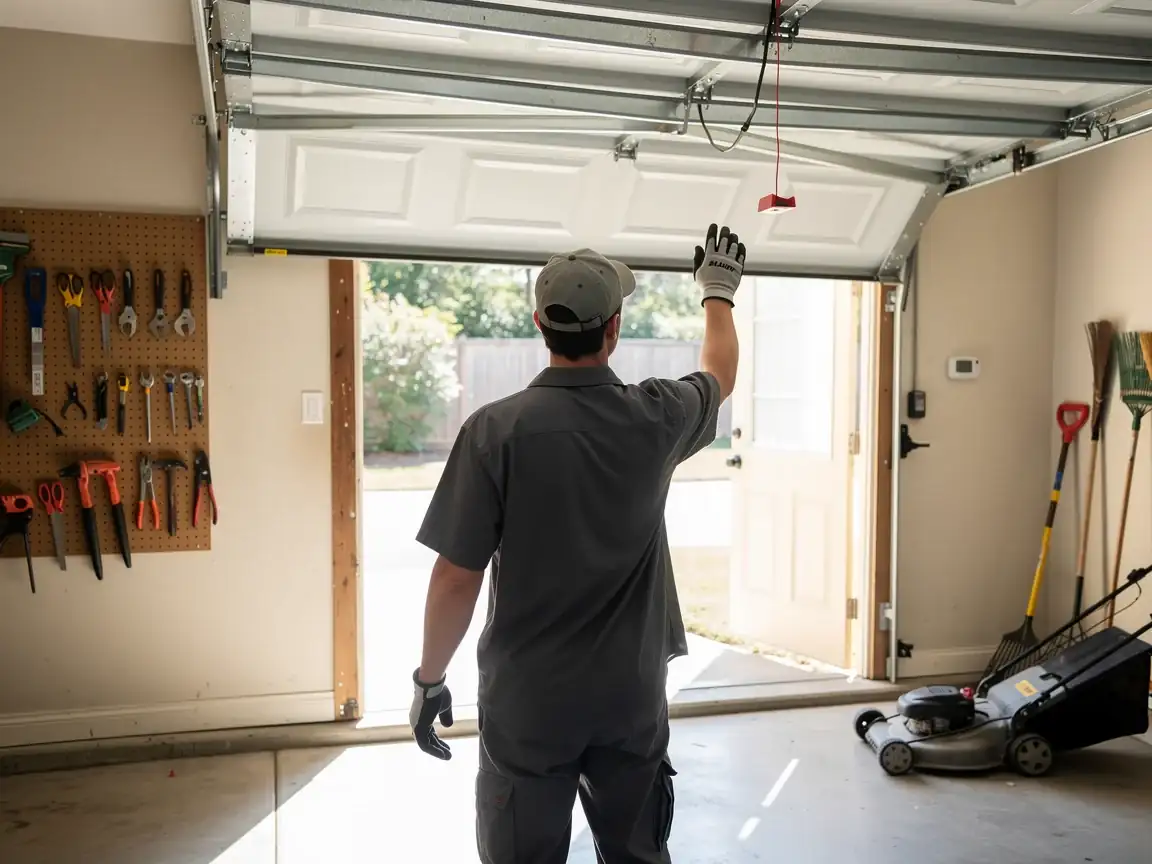
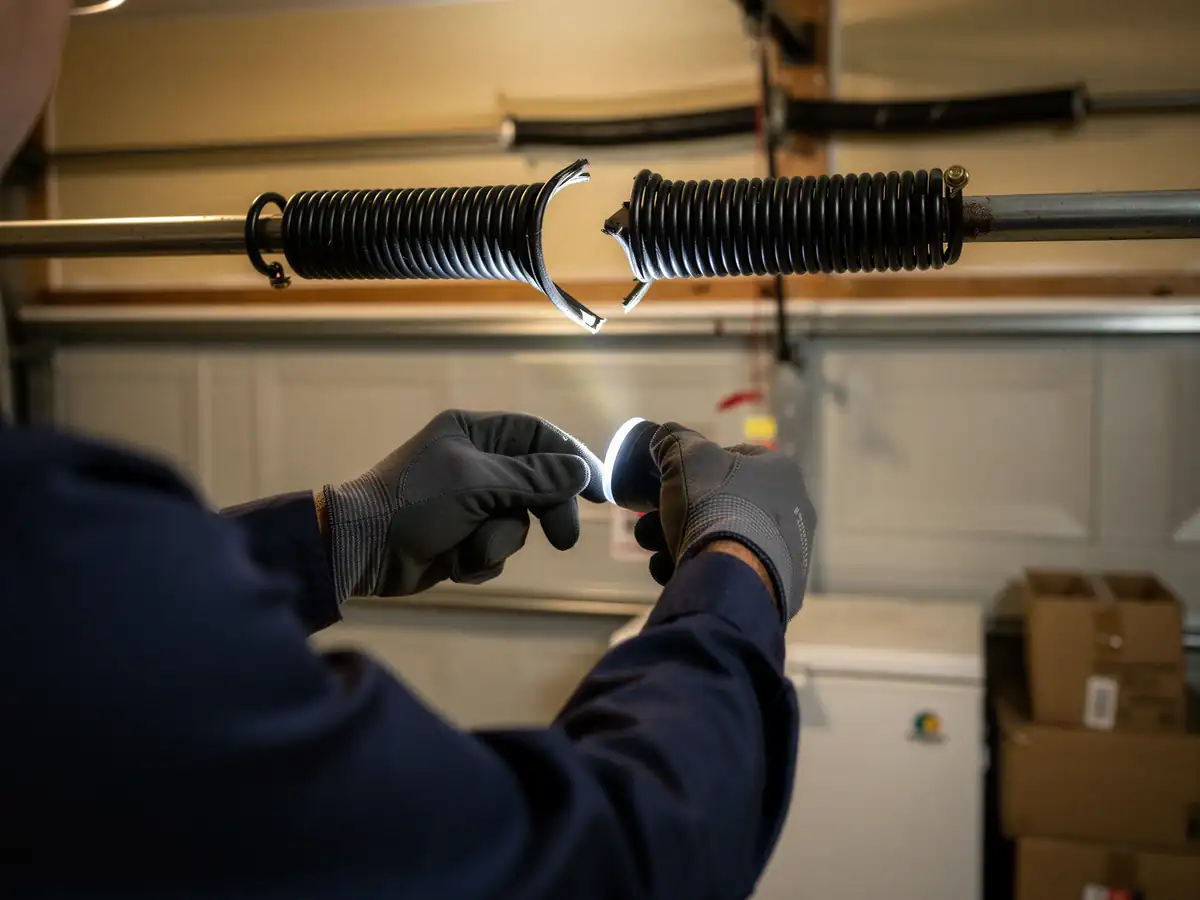
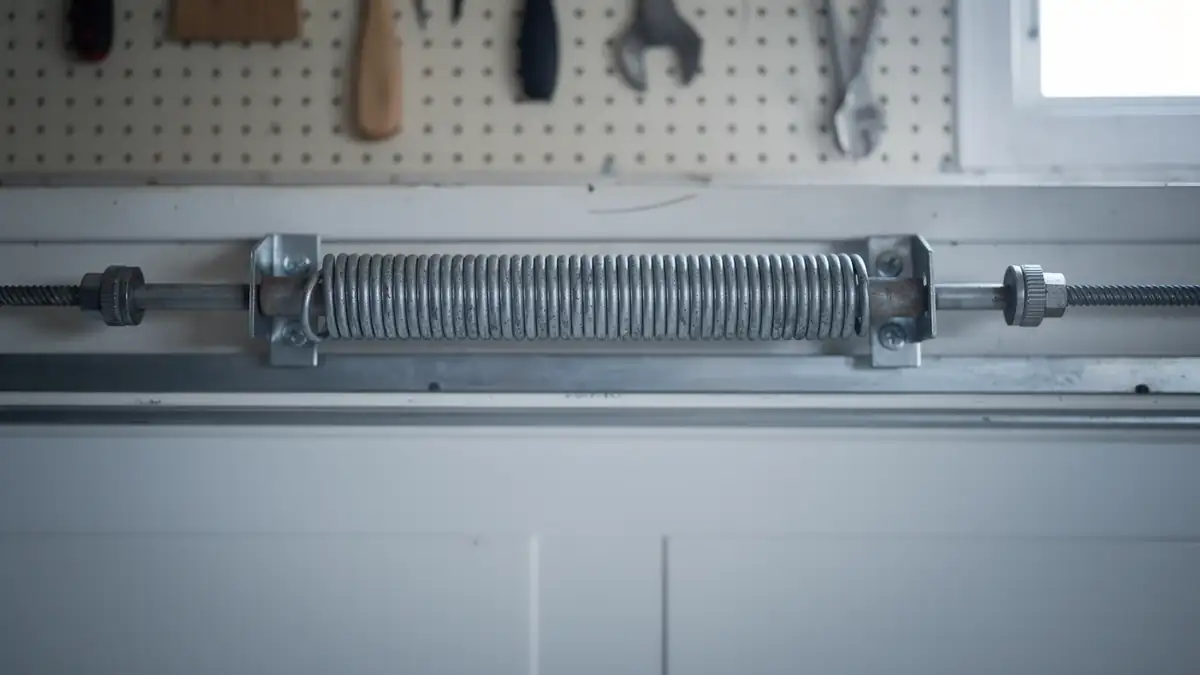
Some things are fine to leave. A door that's a little loud on the way up, hinges with a bit of surface rust, a remote that needs a fresh battery - none of that is urgent, and chasing every small noise with a service call is a waste of your money. If your door is from that 1980s-90s era and it's still opening and closing square, with the cables tracking evenly on both sides, you can keep running it. The one thing I won't tell you to ignore is a spring that's visibly stretched, rusted through a coil, or gapped where it shouldn't be - on a door this old, that's not a maintenance item anymore, it's a countdown. Lubricating hinges and rollers once or twice a year does more for a door built in that stock era than almost anything else you can do yourself, and it costs you nothing but ten minutes.
The Situation
We're working a service area that runs from Reno and Lakeside a few miles out to places like Haslet, Aledo, and Roanoke farther off, and the housing stock across that whole stretch tells a consistent story - built mostly between the 1950s and 2010, with the heaviest concentration from the 80s and 90s. That means a lot of garage doors out here are reaching the age where springs rated for 10,000 cycles are well past it, and openers from that build era are at or beyond their realistic working life. The median household income across the service area sits at $90,970, which is relevant mainly because it means most owners we talk to are weighing a repair against a full door or opener replacement rather than treating cost as the only factor. Honest answer: if your door and opener are both original to a house built in the 80s or 90s, repairing one piece often just means the other piece fails next year. Sometimes replacement is the better call even when the repair itself is doable.