What Local Conditions Do
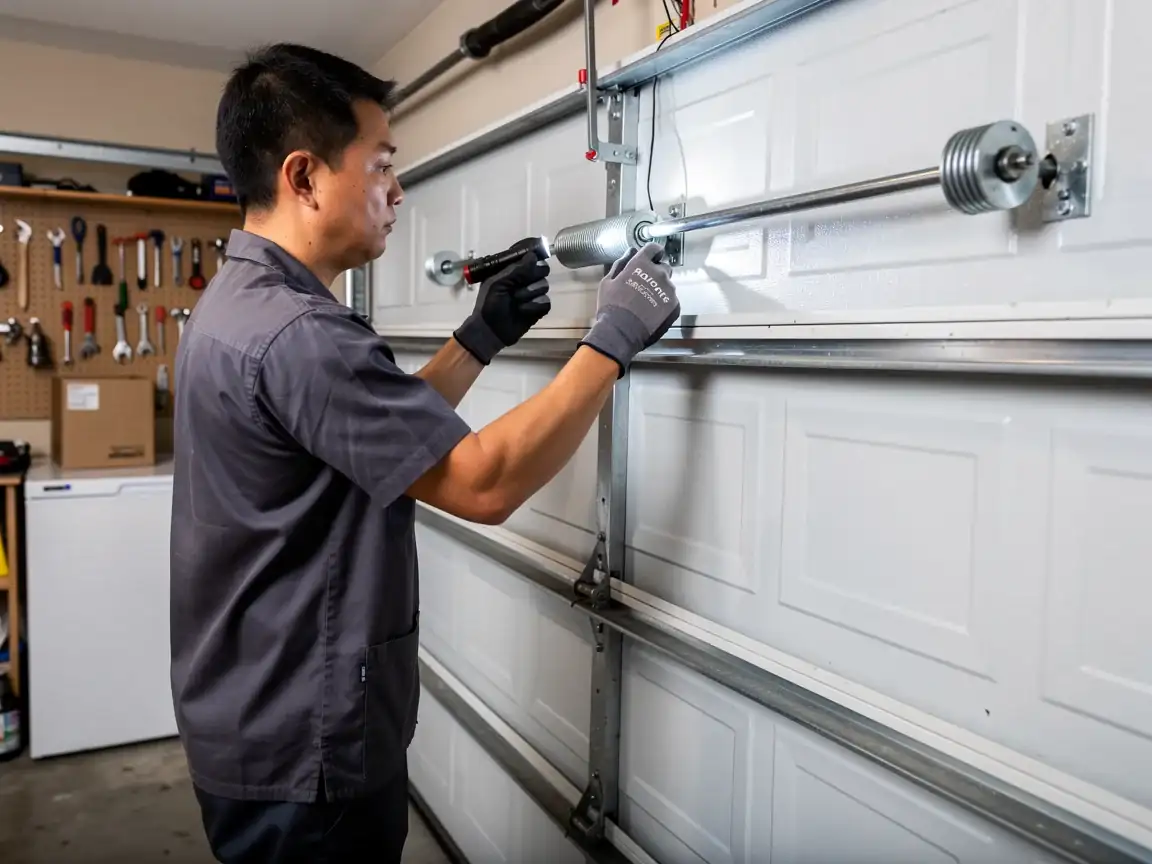
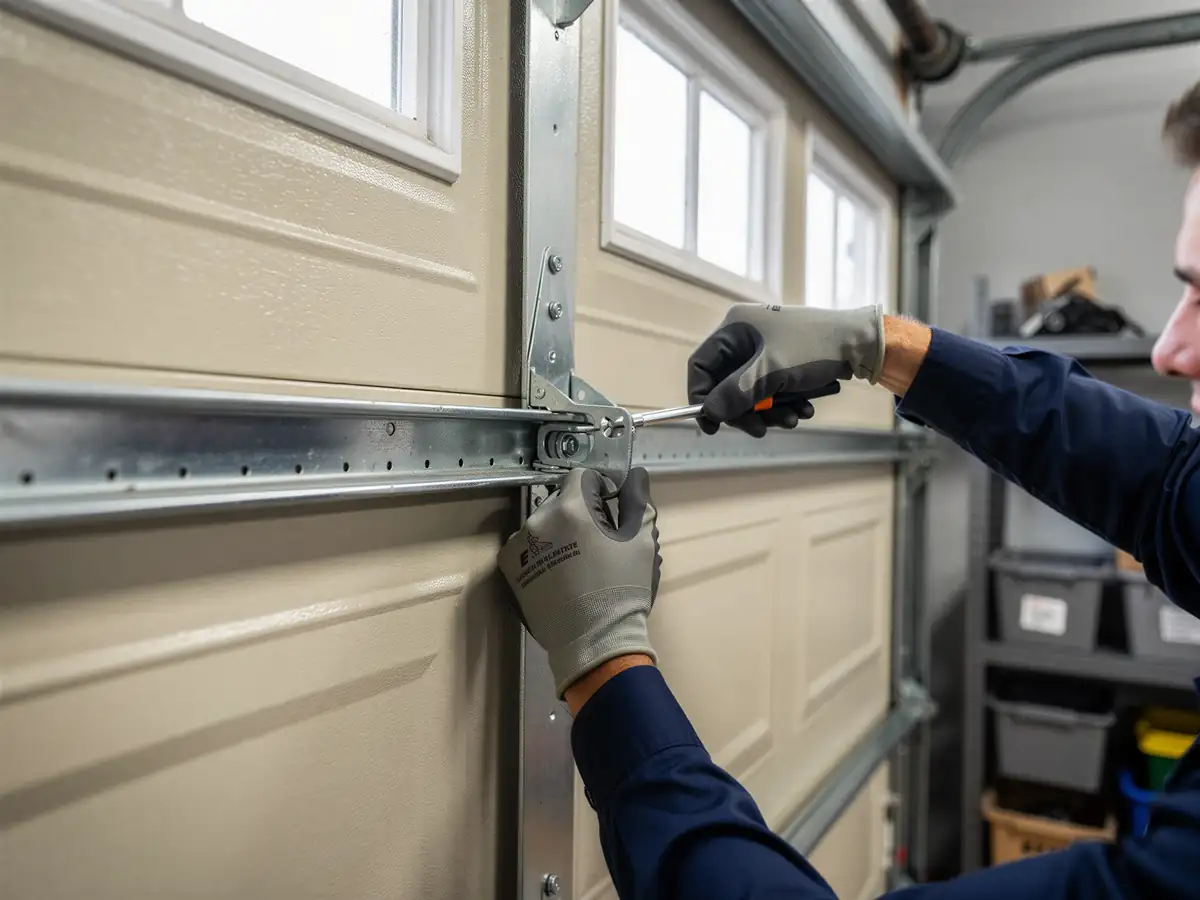
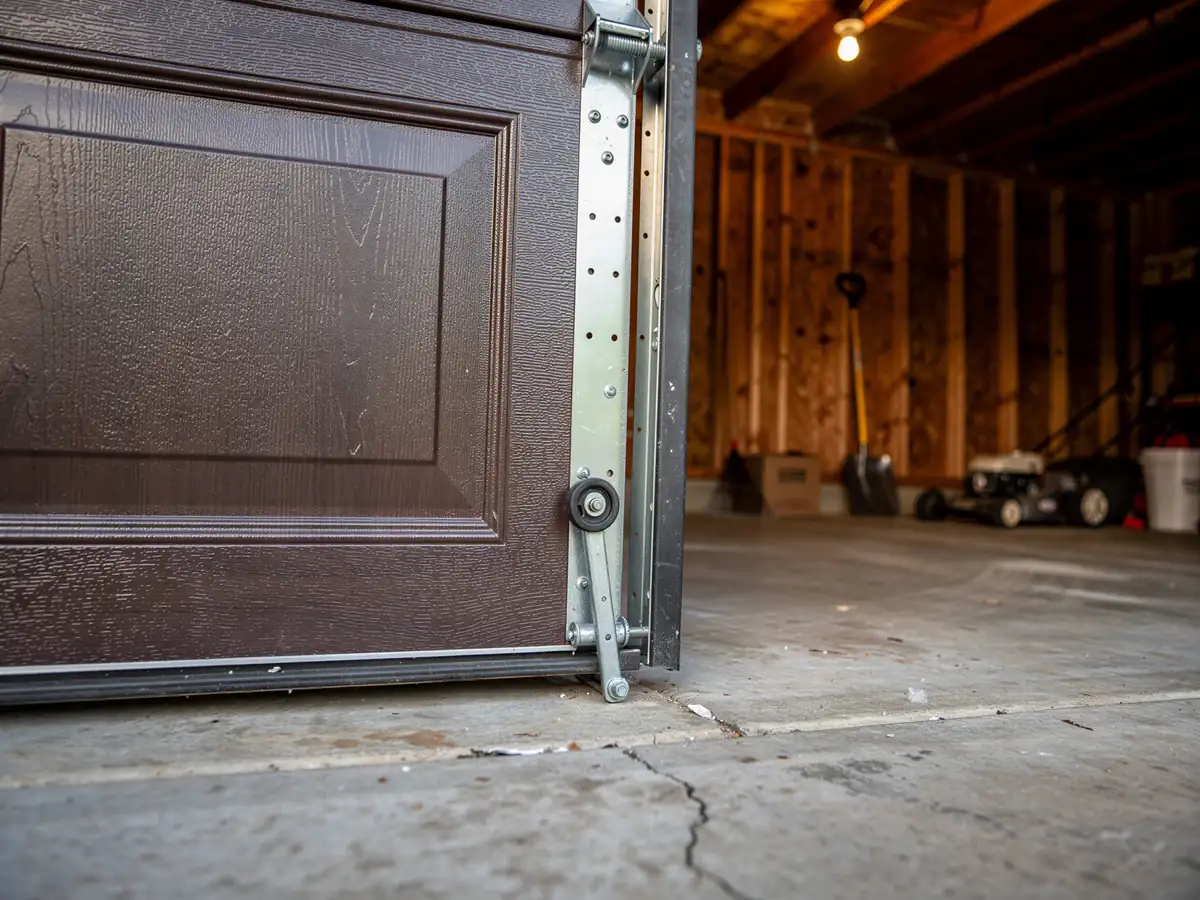
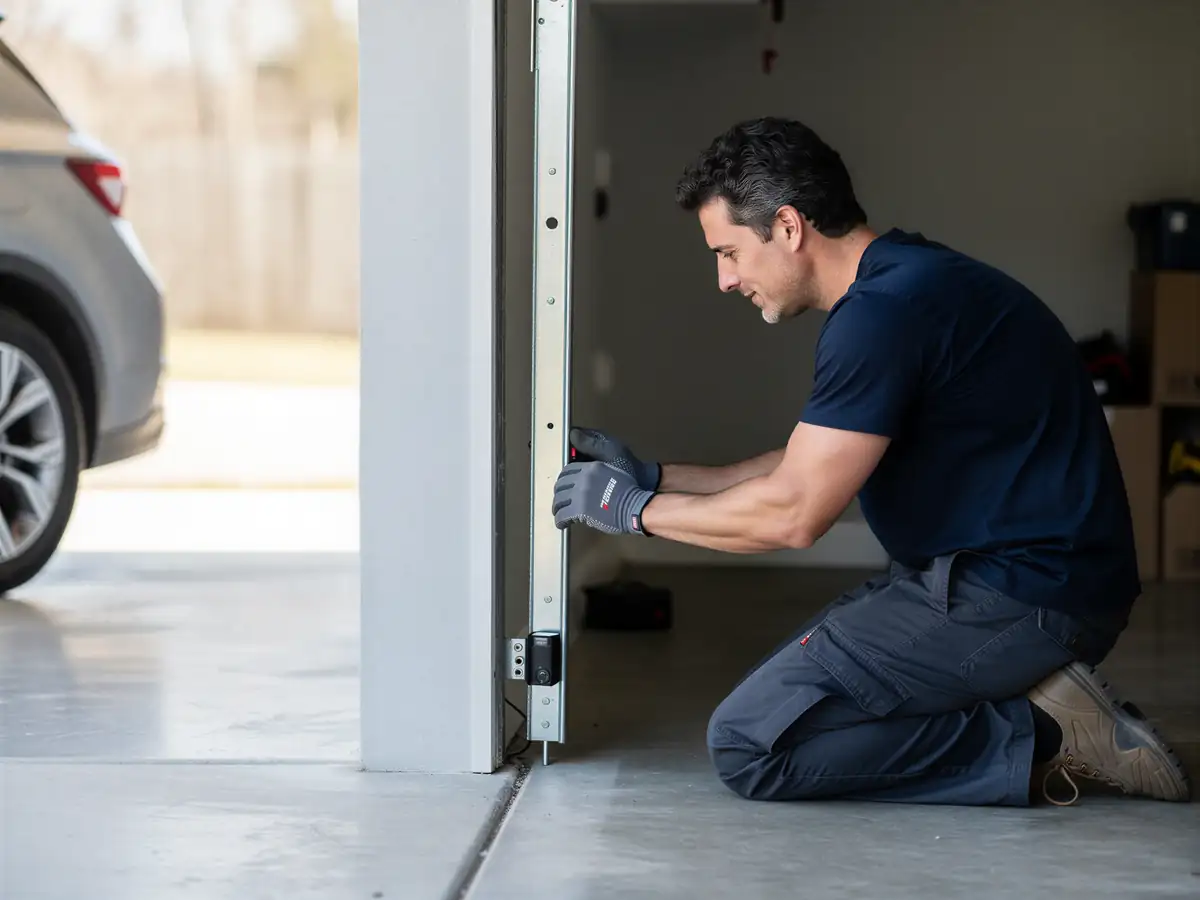
Azle sits in a moderate heat band, not the kind of punishing summer stretch you get further south or west, but still enough daily swing between a hot afternoon and a cool night to matter for steel track. Track rail is bolted to the jamb and the ceiling at fixed points. When the metal heats up during the day it expands a fraction, and when it cools overnight it contracts back. Do that for a few decades and the bolts holding the brackets to the framing work themselves loose a little at a time. You don't feel it happen. You notice it when the door starts rubbing one side of the track harder than the other, or when a roller pops out at the same spot every time it runs.\n\nDust and grit play a part too. A dry roller bearing in a vertical track wears unevenly, and once there's a few millimeters of play in a hinge or roller stem, the door starts walking sideways instead of running straight up and down. None of this is dramatic. It's slow, and it's the kind of wear that shows up most on doors that have been doing the same job, unadjusted, since the house was built.
Leaving It Alone
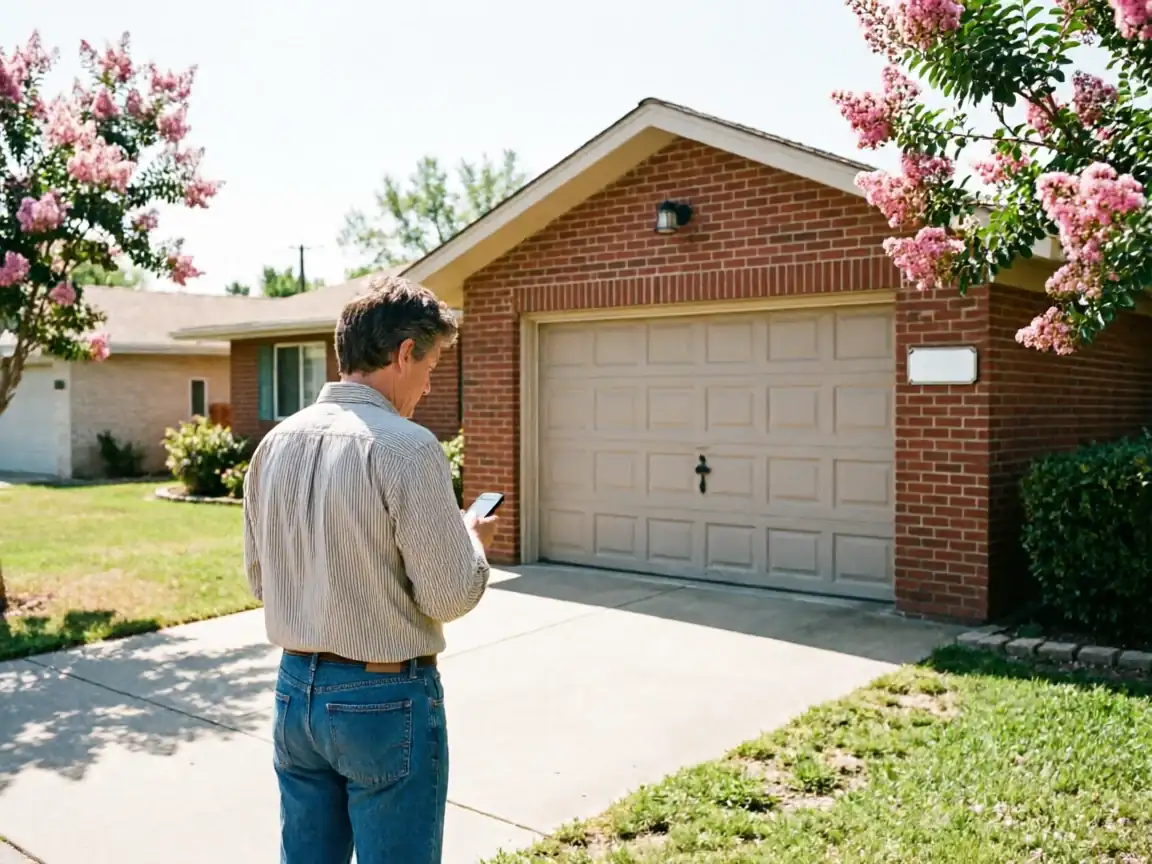
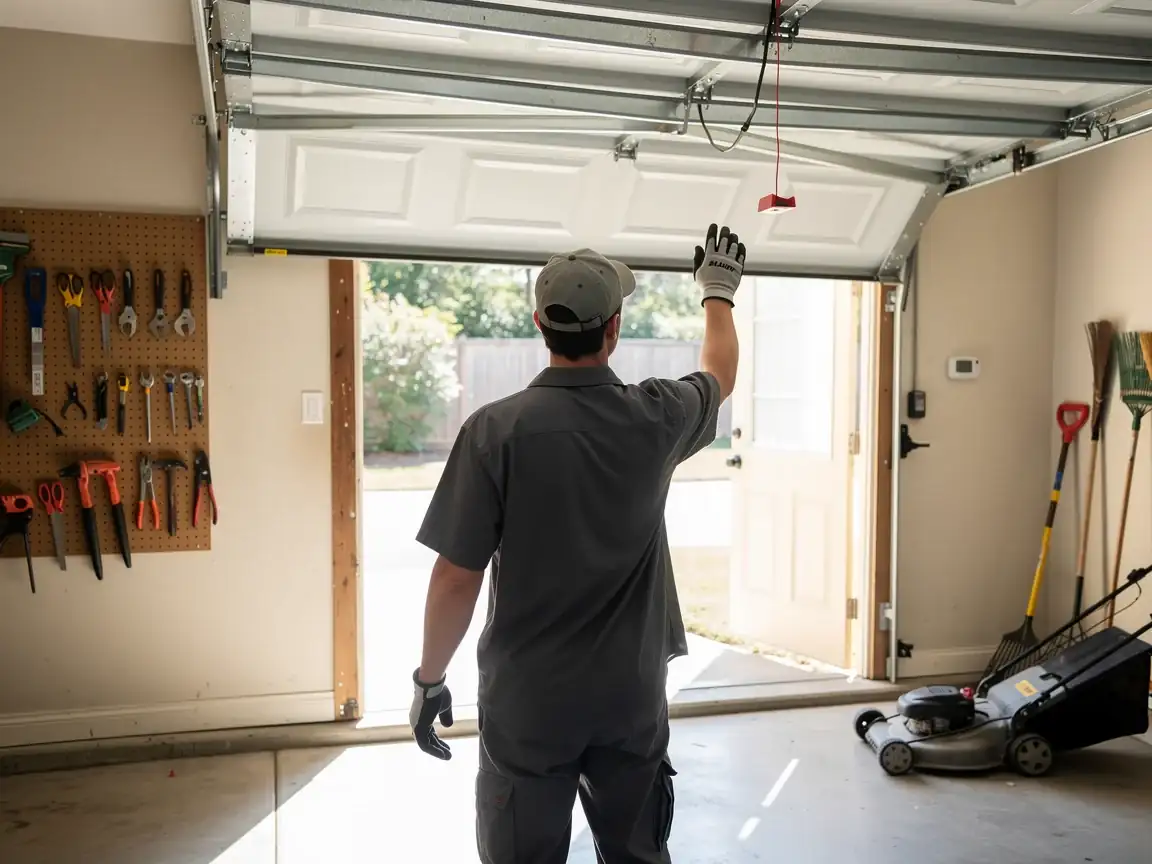
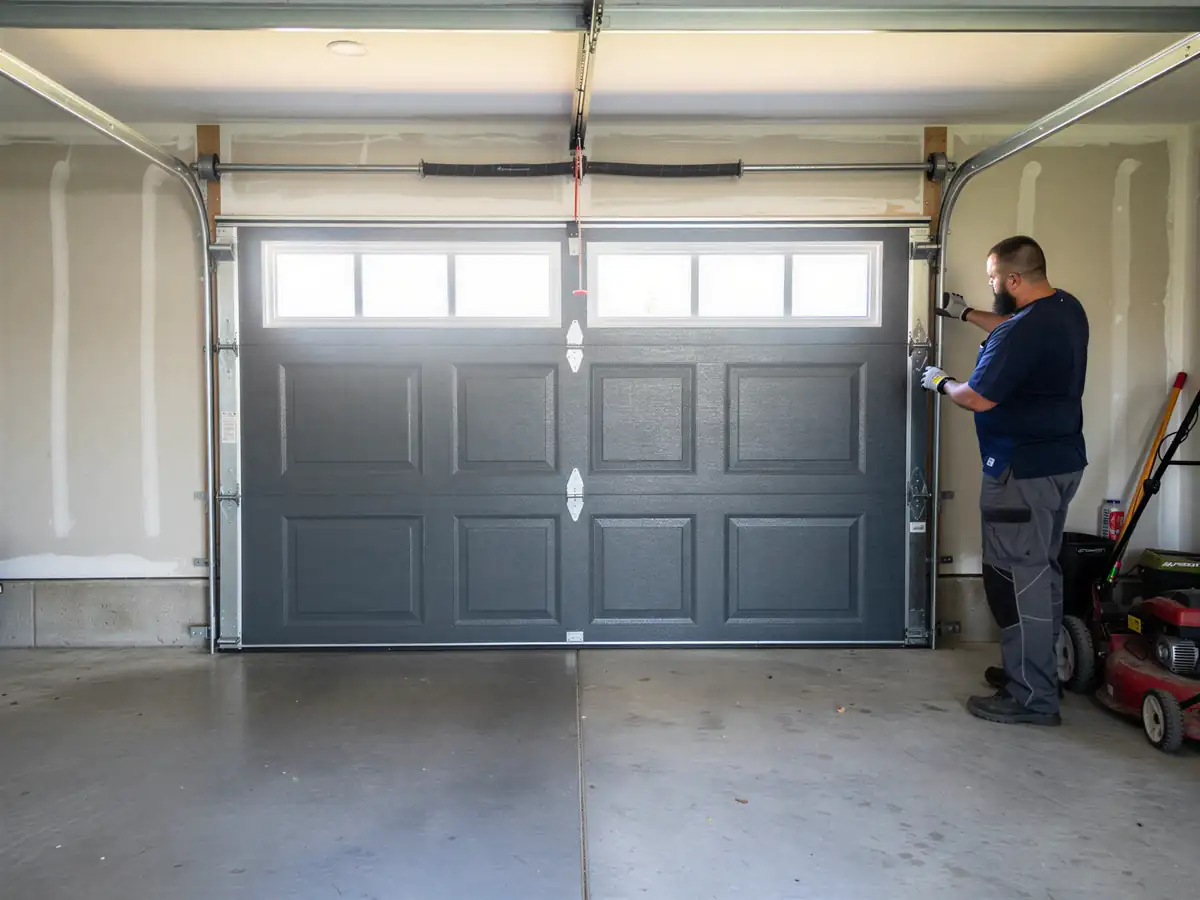
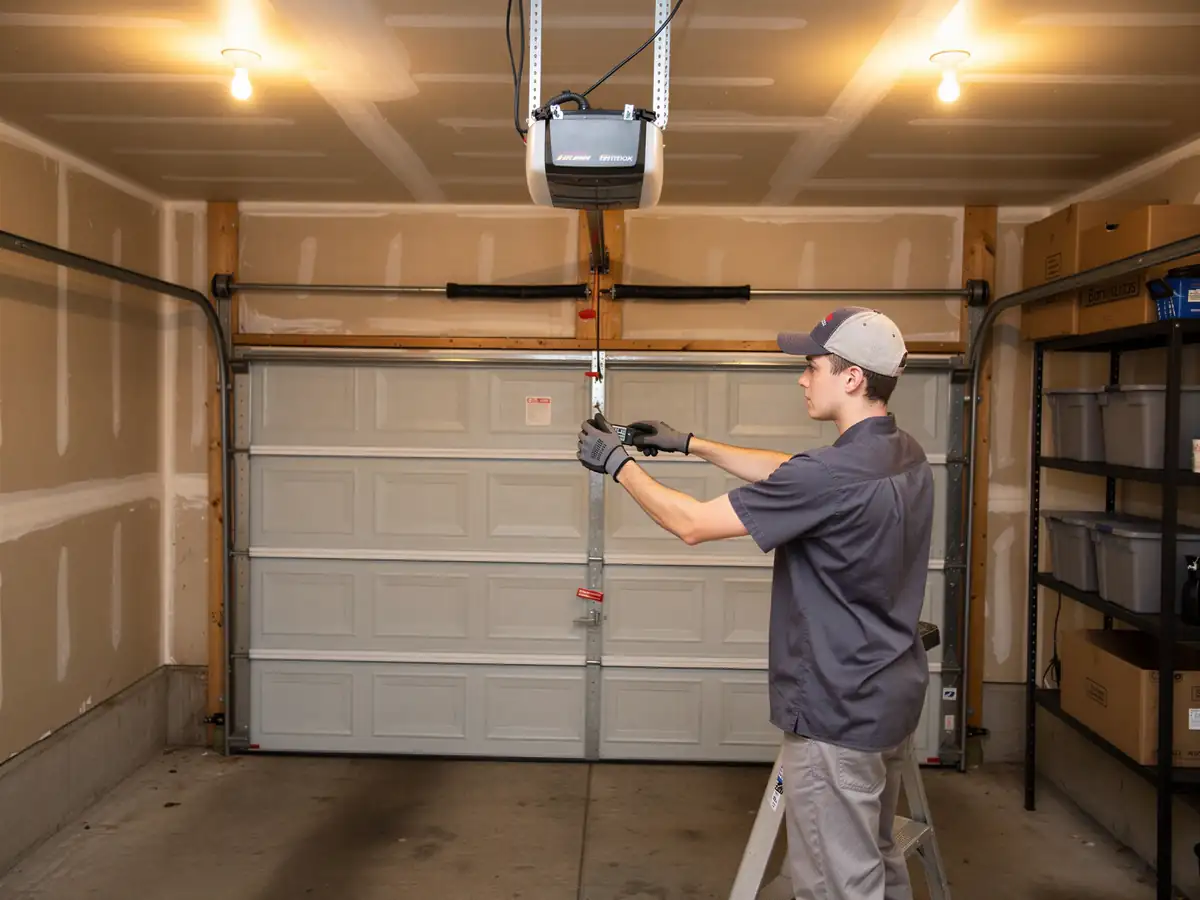
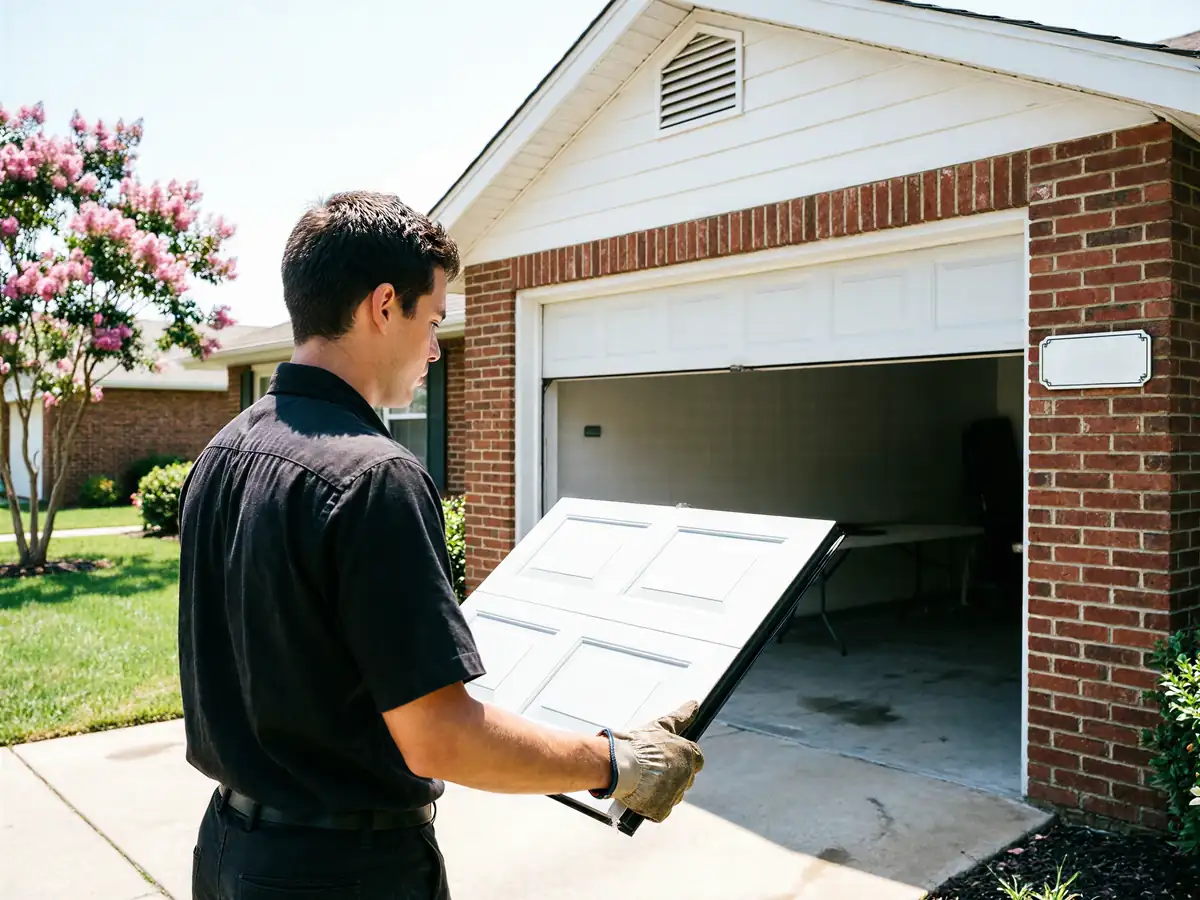
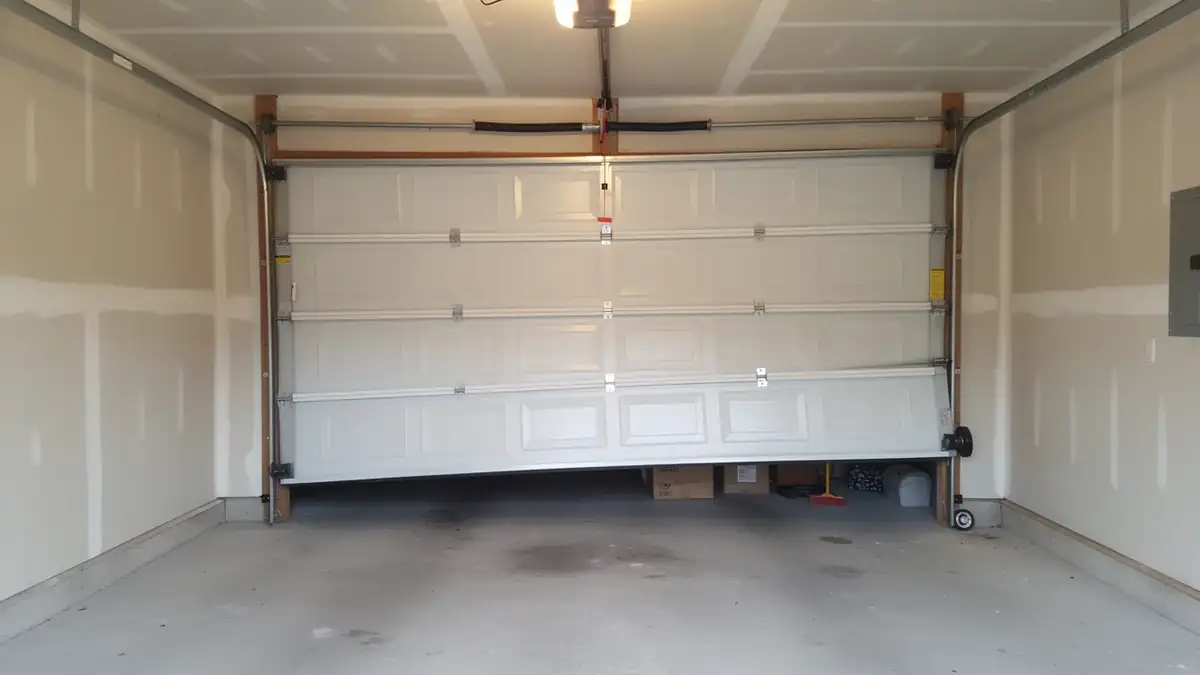
A lot of the housing in this area went up between 1953 and 2010, with the median sitting around 1991 - so a sizable share of garages out here still have their original track and roller hardware, pushing thirty-plus years of service. That hardware doesn't fail all at once. It drifts off alignment in small steps, and each step makes the next one worse because the door is now loading the track unevenly every time it cycles.\n\nHere's the honest part: once a door is visibly off track, running the opener again is how you turn a bent track into a cracked panel or a torn cable. The opener doesn't know the door isn't tracking straight. It just keeps pulling. We've seen plenty of jobs that would've been a bracket and a roller become a full track replacement because the door ran three or four more times after it first jumped the rail.\n\nIf your garage still has the hardware it was built with, and the house is from that 1980s-to-90s stretch so much of this area was built in, that age alone is a reason to get eyes on it before it fails on its own schedule instead of yours.
The Situation
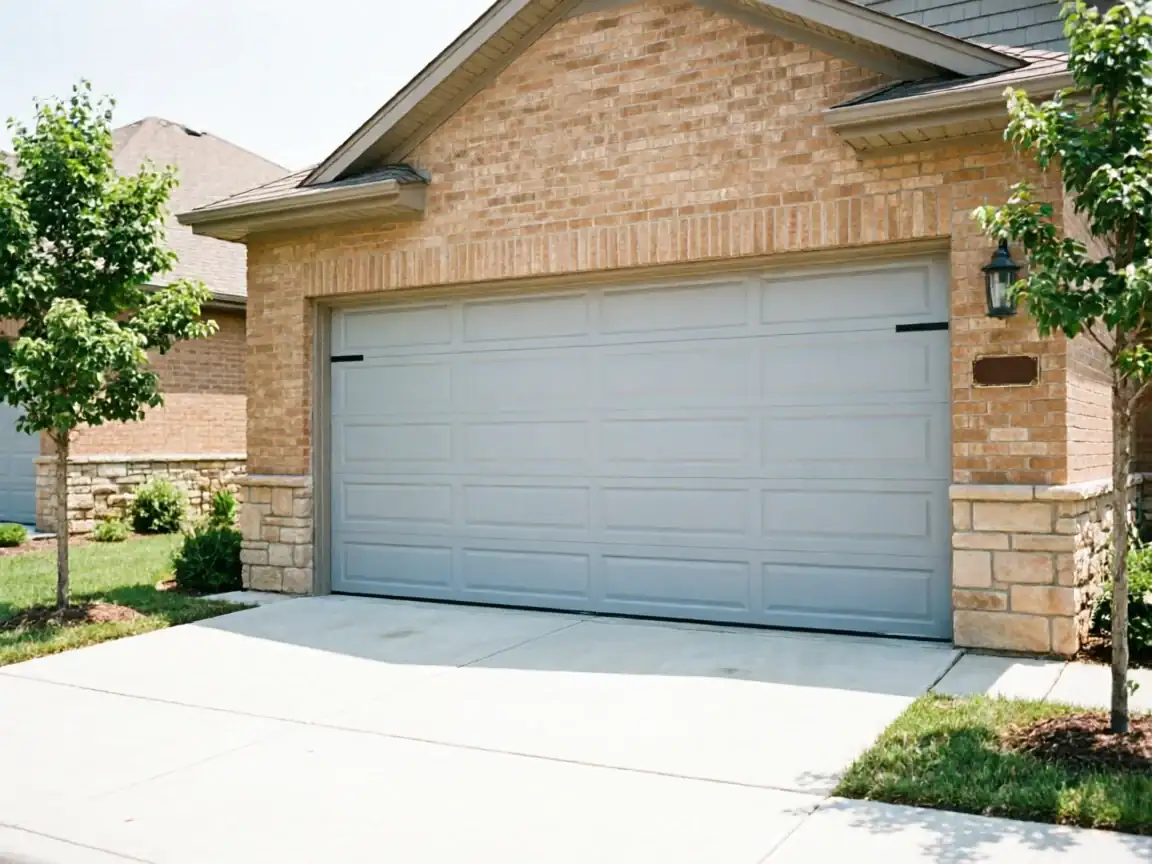
Across the Azle service area there are roughly 31,213 households and about 19,518 owner-occupied houses, a lot of them built in that same 1980s-to-90s window that defines so much of the housing stock here. That's a large population of garages running the same vintage steel track, on the same moderate-heat expansion-and-contraction cycle, at roughly the same point in its service life.\n\nMedian household income in the area runs around $90,970, which tends to put homeowners in a position to choose a clean track-and-hardware job over a patchwork fix - and with hardware this old, a patchwork fix often doesn't hold long anyway. We work this area and the towns around it, including Reno, Lakeside, and Lake Worth nearby, and the pattern on off-track calls looks pretty consistent no matter which of those neighborhoods the call comes from: older bracket hardware, a door that's been limping for a while before anyone called.