Can You Do This Yourself
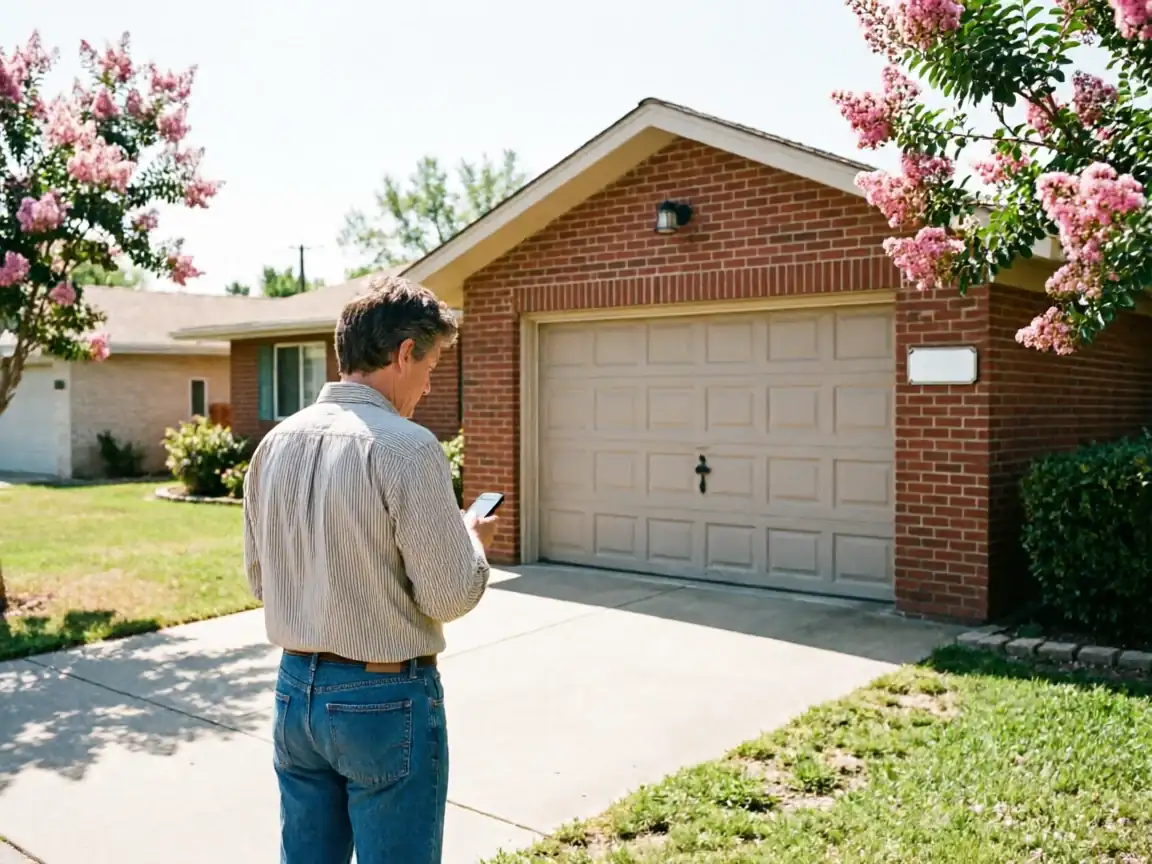
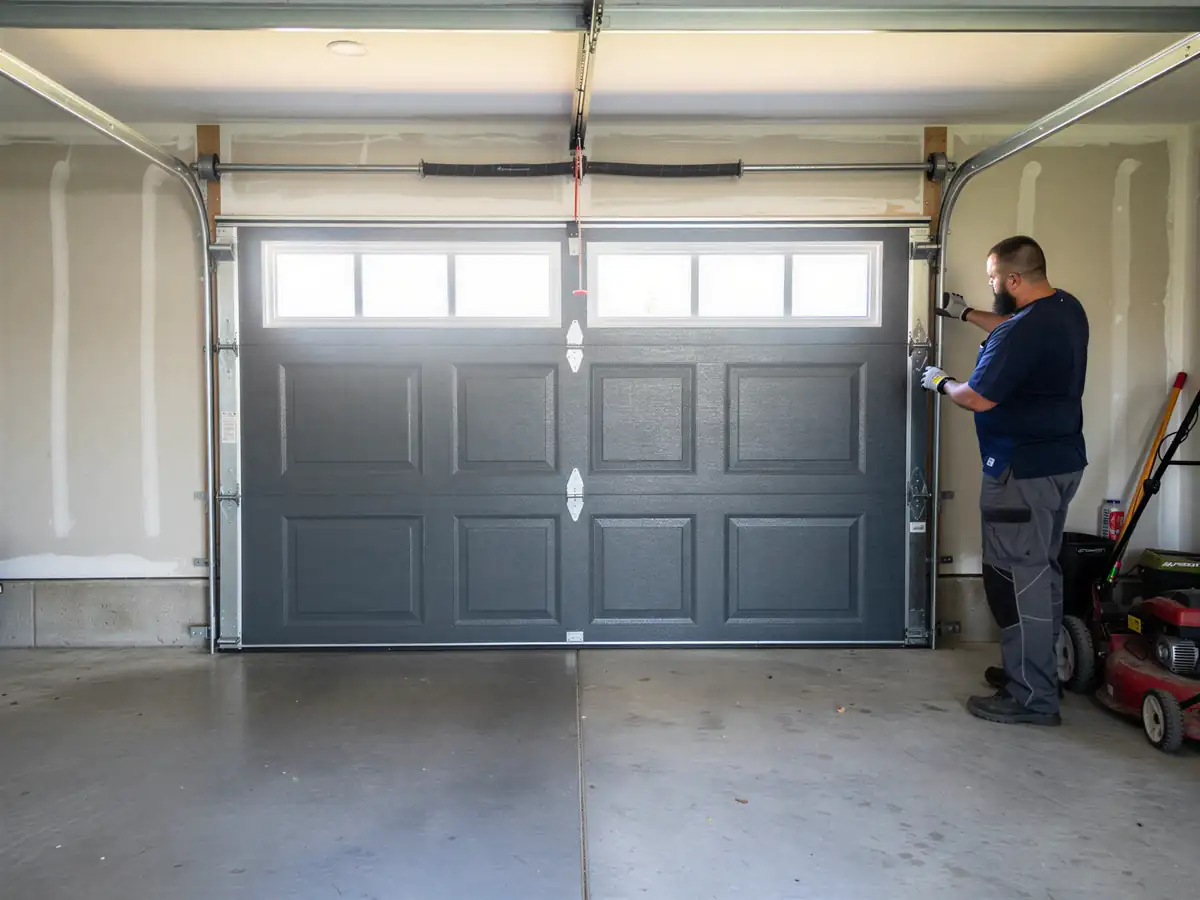
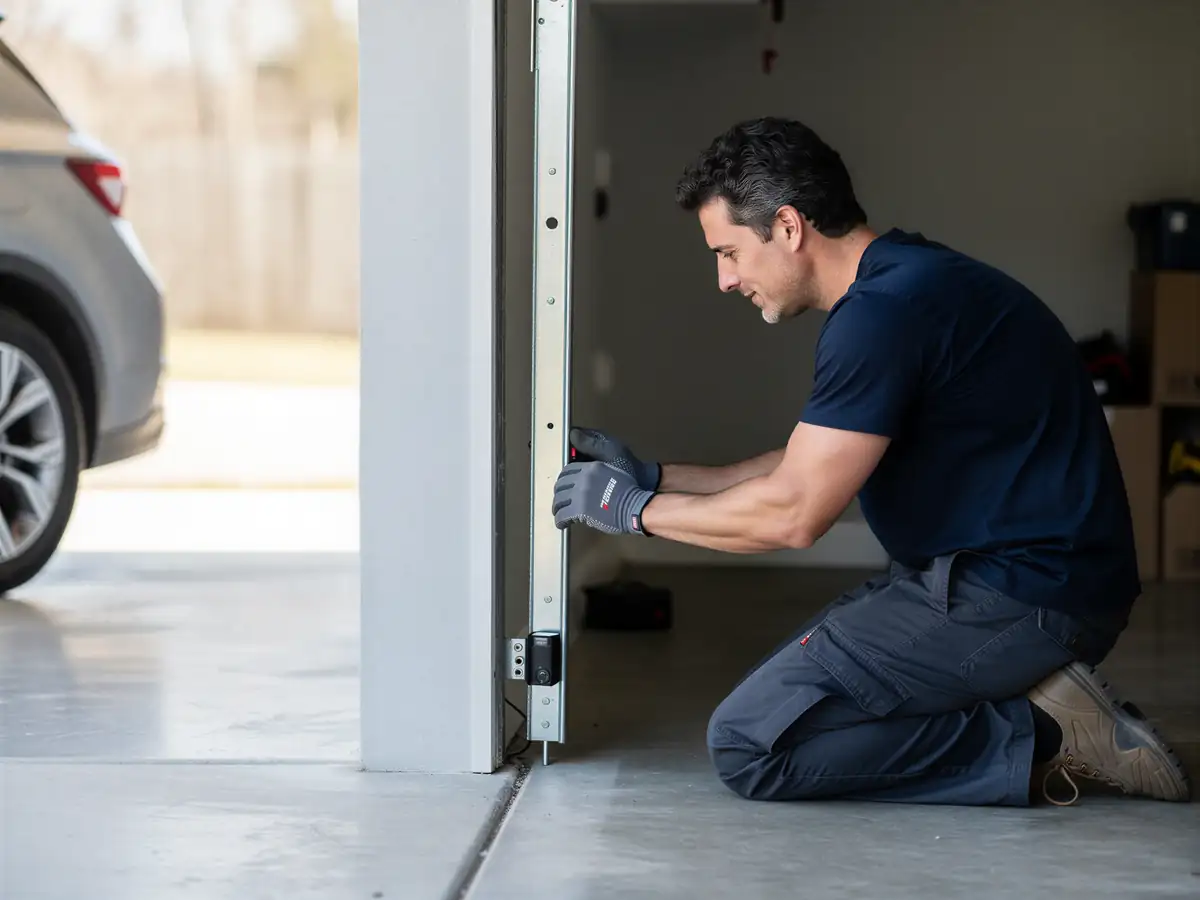
Some of it, yes. If your door drags or runs crooked, check the track for a loose bracket first - a lot of calls we get turn out to be one bolt that walked loose over the years. You can also wipe down and test the photo-eye sensors near the floor; dust and spiderwebs are the most common reason an opener refuses to close. Lubricating rollers and hinges with a garage-door-specific spray is cheap insurance and takes ten minutes.
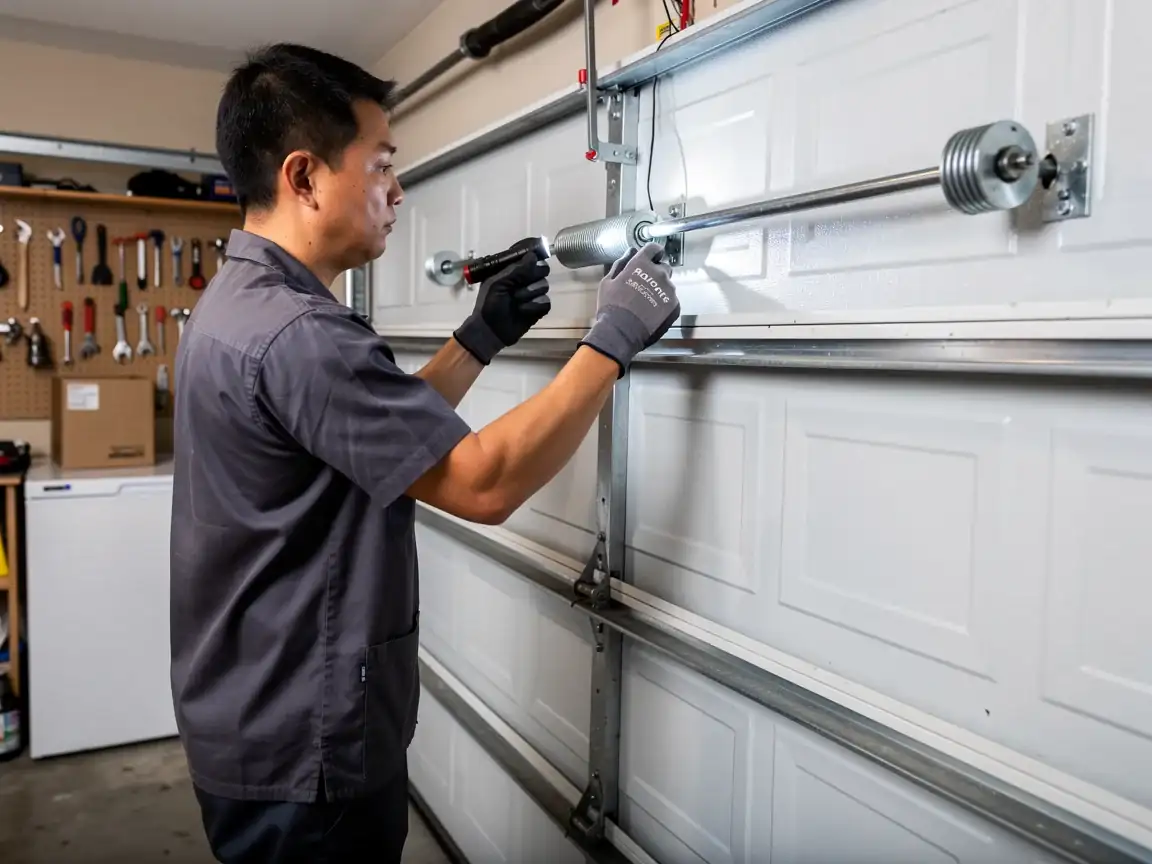
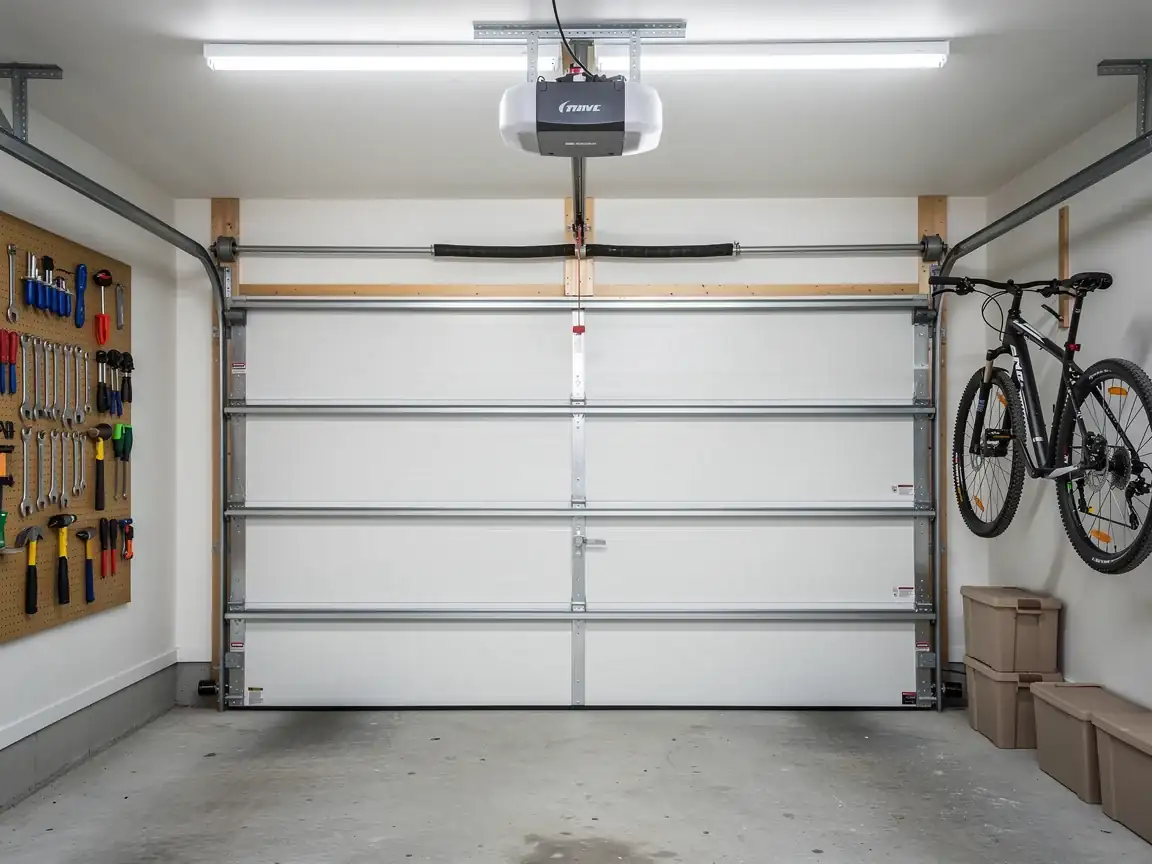
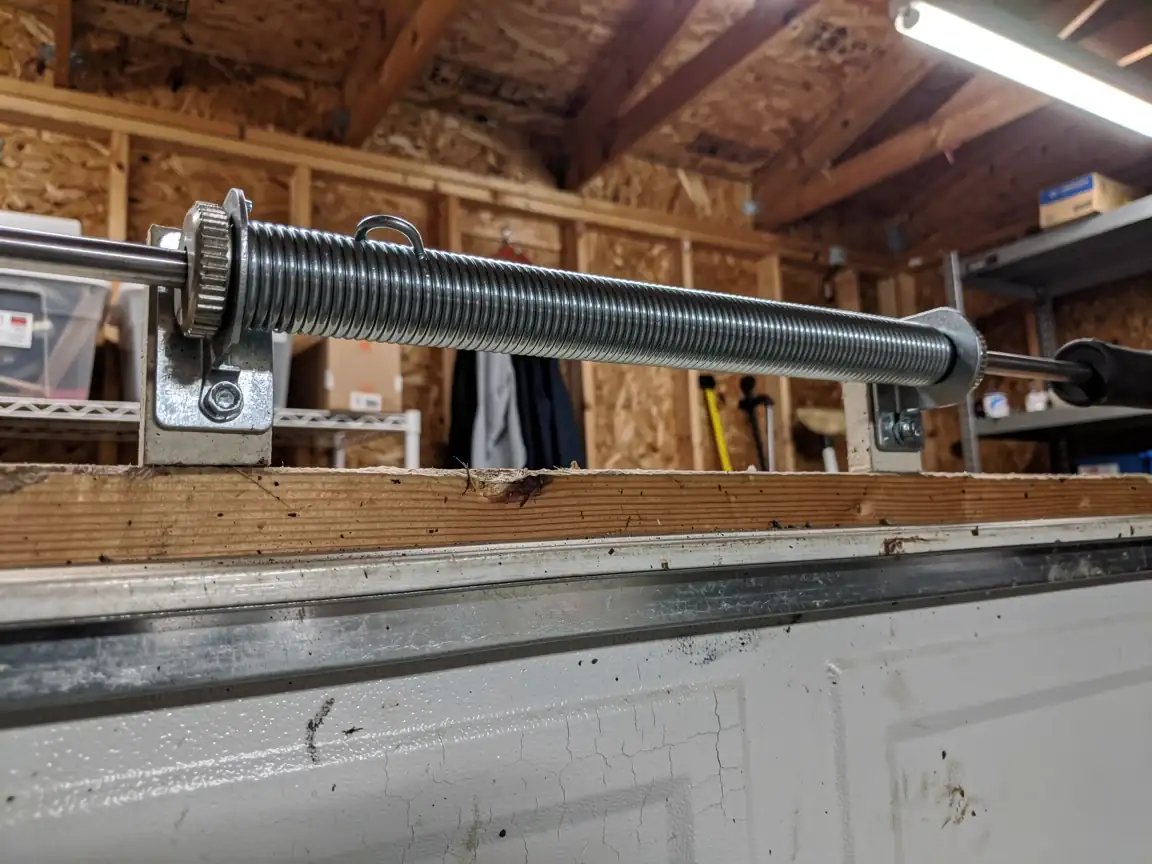
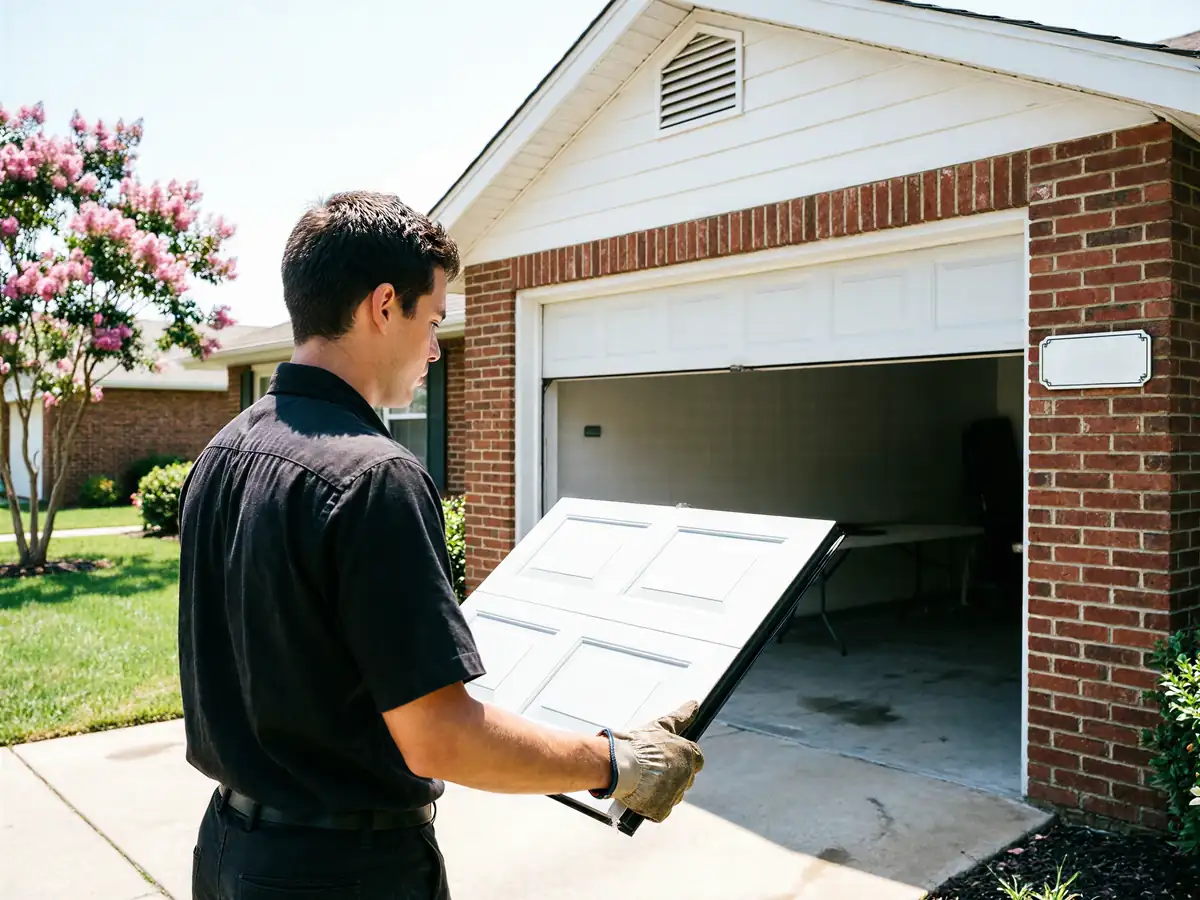
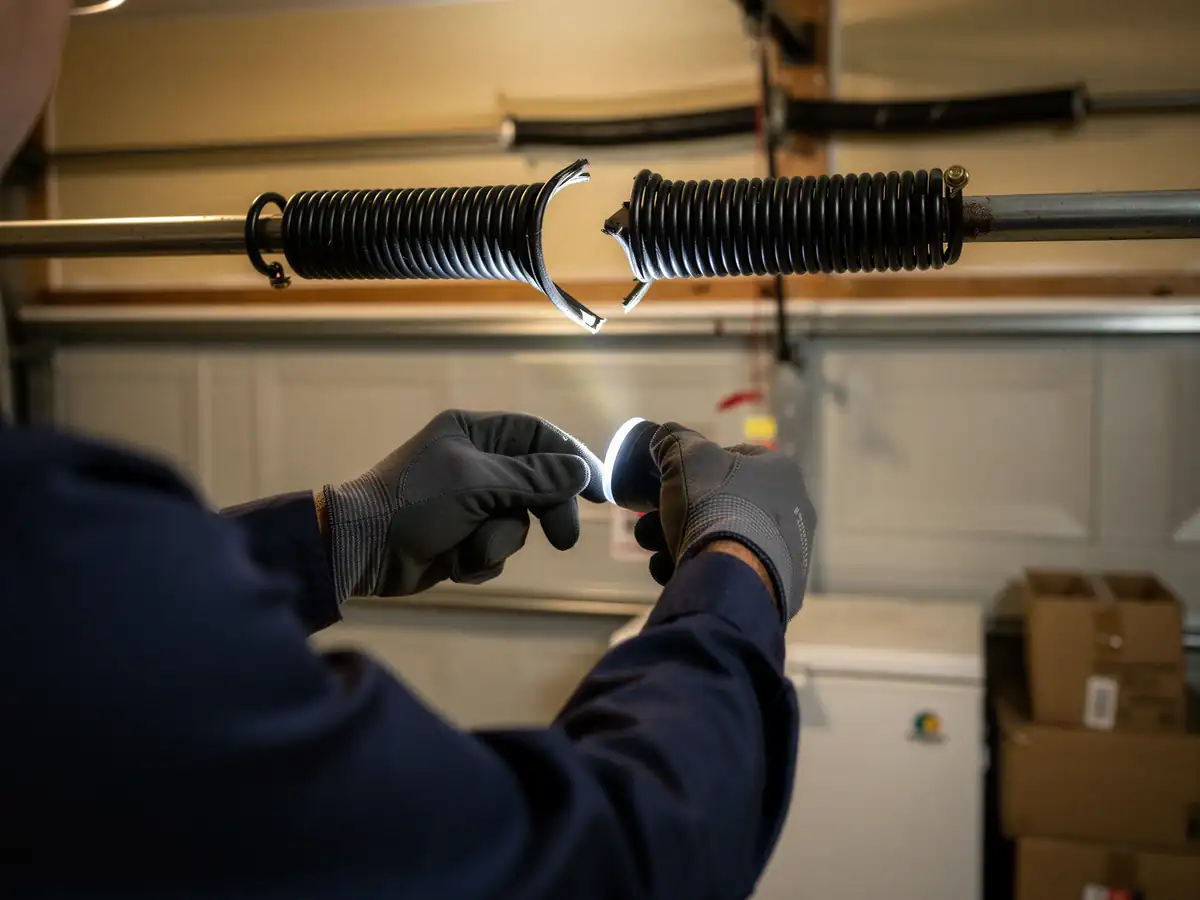
What you should not touch is the torsion spring above the door or the cables running down the sides. Those springs hold enough tension to break a bone or worse if they let go while you're working on them, and on a standard double door there are usually two of them wound to match the door's weight. If a spring has already snapped - you'll know, it's loud - don't try to operate the door with the opener at all until it's fixed. Running a door on a broken spring puts the full load on the opener's drive gear, and that's a second repair bill on top of the first. If the door is cosmetically rough but still tracks straight and closes square, that's often not worth tearing into - a dented panel is an appearance problem, not a safety one.
What the Fix Involves
A spring or cable repair starts with pulling the door off the opener and checking balance by hand - a door in good shape should hold at waist height on its own. If it doesn't, we're replacing torsion springs matched to the door's actual weight, not just swapping in whatever was there before, since a mismatched spring wears out the opener fast. Cables get replaced alongside springs as a rule, since they're under the same cyclical stress and a frayed cable snapping under load is its own hazard.
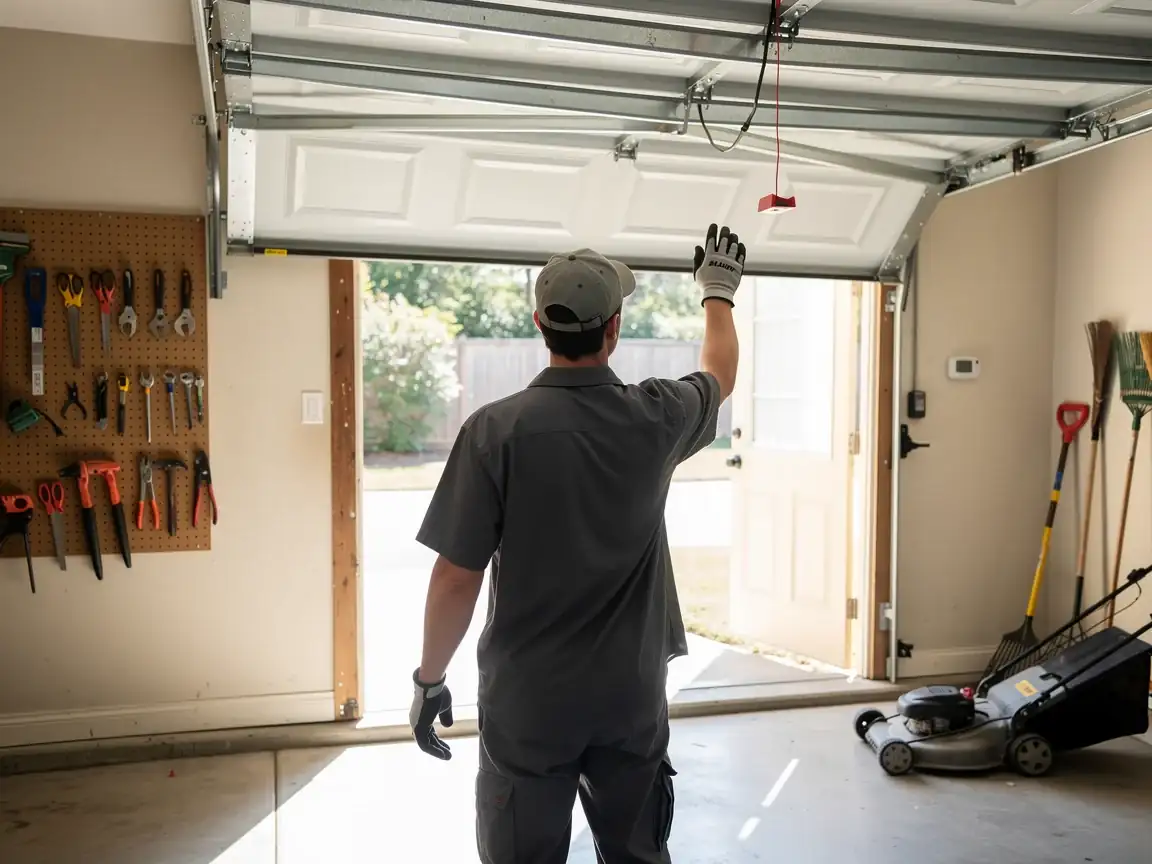
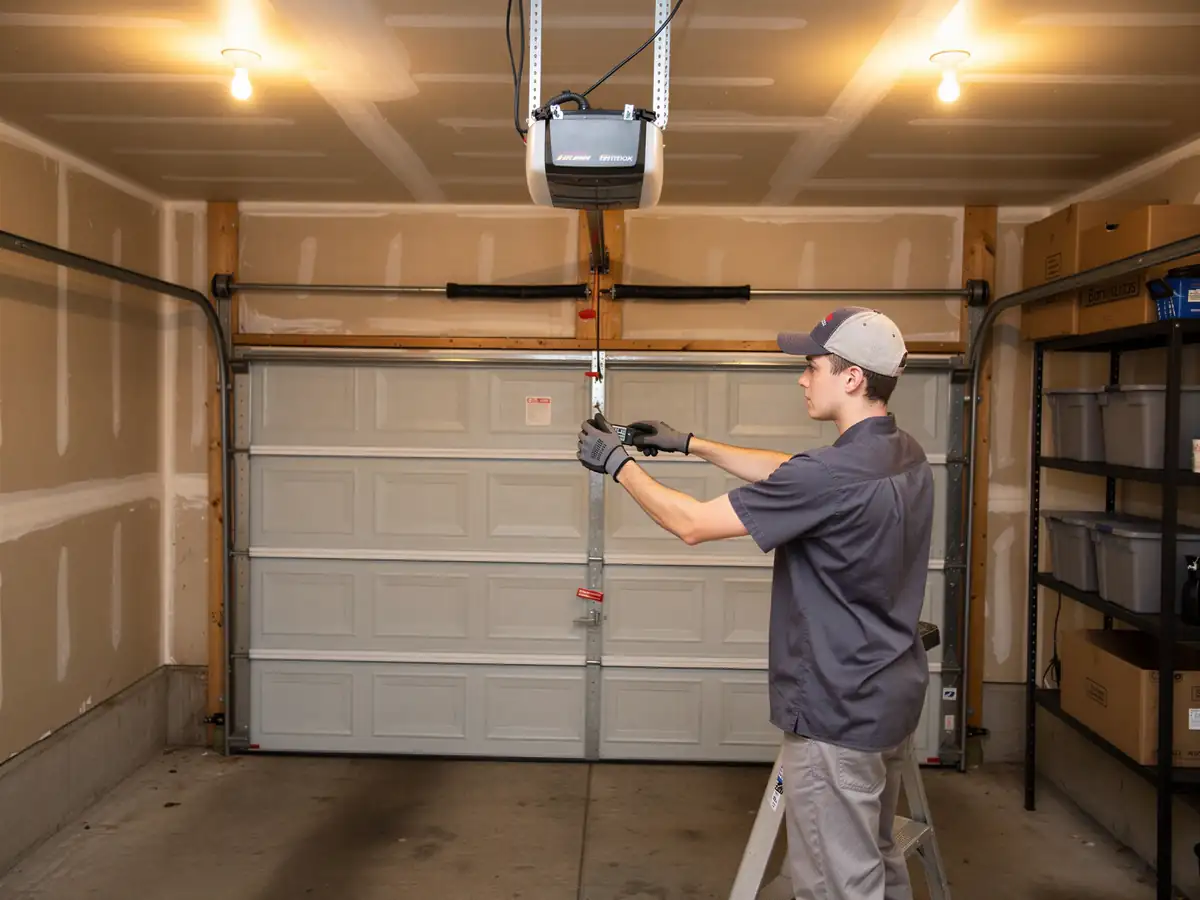
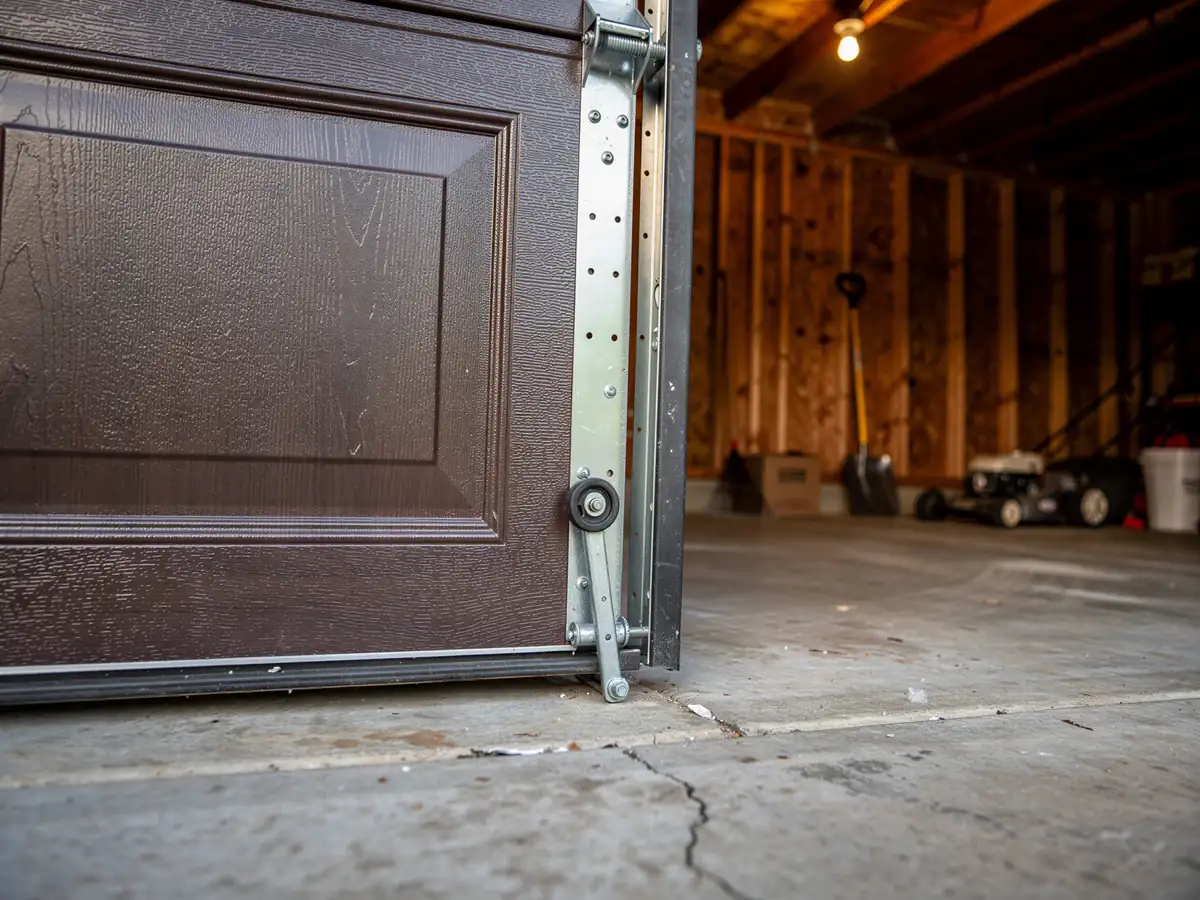
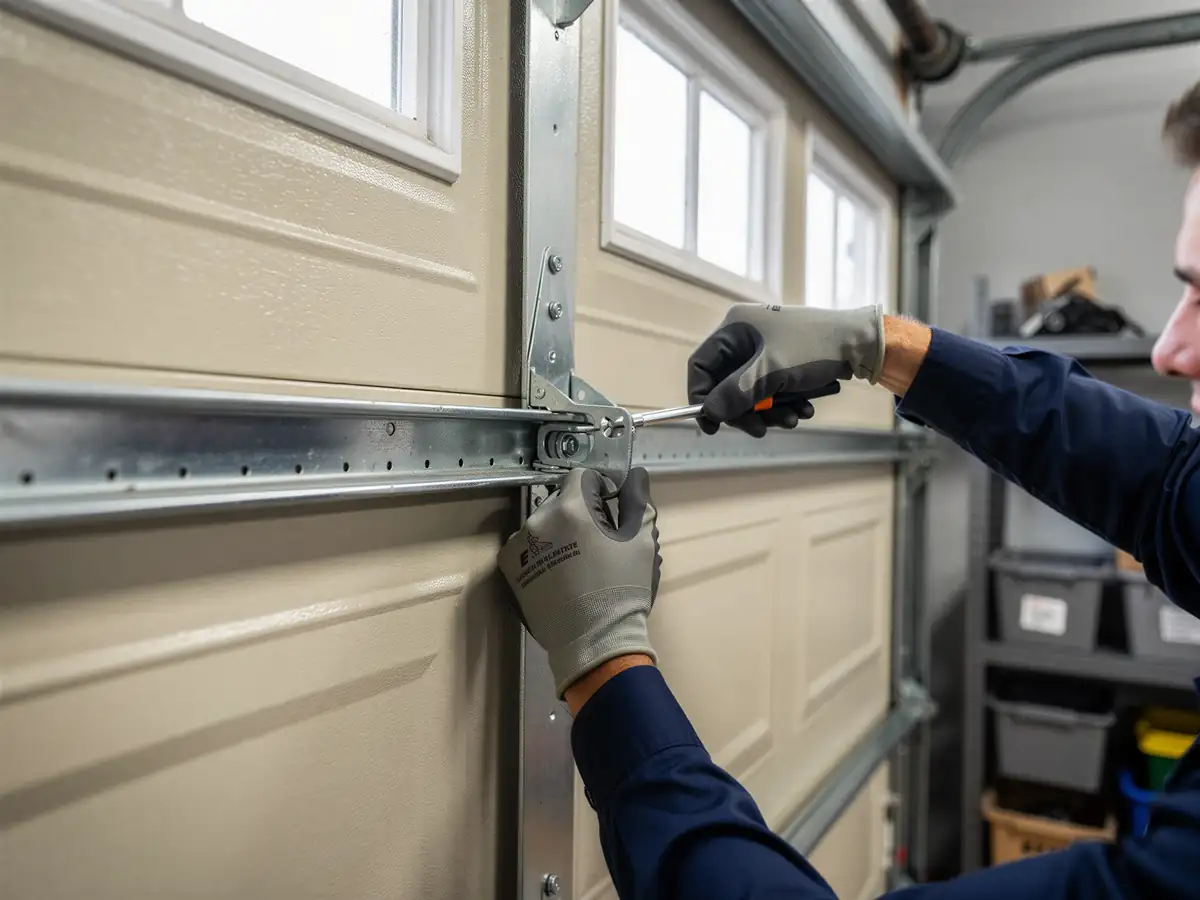
From there it's rollers, hinges, and track alignment - a door can have a new spring and still bind if the track is bowed or the rollers are worn oval instead of round. Opener work usually means recalibrating travel limits and force settings once the door is rebalanced, since those settings drift when a door has been fighting a weak spring for months. We test full open-close cycles under load before calling it done, because a door that looks fine standing still can still bind halfway through its travel. Parts availability is the one honest constraint here - some older opener logic boards and less common spring gauges take a few days to source, so a same-day fix isn't guaranteed on every call.
Why It Happens Here
A lot of Azle housing went up between 1953 and 2010
With the bulk of it dating to the 1980s and 90s, and that means a lot of original garage door hardware is now thirty-plus years into a service life that was never meant to last that long. Torsion springs are rated in cycles, not years, but age and heat both work against the coil regardless of how many times the door has actually opened.
Azle sits in a moderate heat climate band
Not desert-level extremes, but enough summer heat cycling year after year to fatigue galvanized spring coils faster than a cooler climate would. Add three decades of expansion and contraction on steel track brackets mounted to original framing, and you get the slow drift toward misalignment that shows up as a door that used to run quiet and now doesn't. With roughly 19,518 owner-occupied houses across the service area and a large share built in that same 1980s-90s window, worn torsion springs and fatigued rollers are some of the most routine calls we take - it's less about any one house and more about the age of the stock across the whole area.
- 19,518 owner-occupied
How It Shows Up
The most obvious sign is a loud bang from the garage - that's a torsion spring letting go, usually while the door is sitting still rather than mid-cycle. Short of that, you'll notice the door getting heavier to lift by hand, or the opener straining and groaning on the way up where it used to be quiet. An opener fighting a weak spring will often reverse itself partway through closing, which owners sometimes mistake for a sensor problem when the real cause is upstream at the spring.
Uneven travel - one side of the door visibly lower or slower than the other - usually points to a cable that's started to fray or a roller that's worn enough to bind in the track. Out toward Reno, four miles from Azle, and Pecan Acres, six miles out, we see the same era of tract-built doors with the same original rollers that have simply outlived their factory lubrication. It's not a problem unique to any one neighborhood in the service area; it's the stock itself. If your door is making noise it didn't make a year ago, that's usually the spring telling you it's close, not far from, done.