Can You Do This Yourself
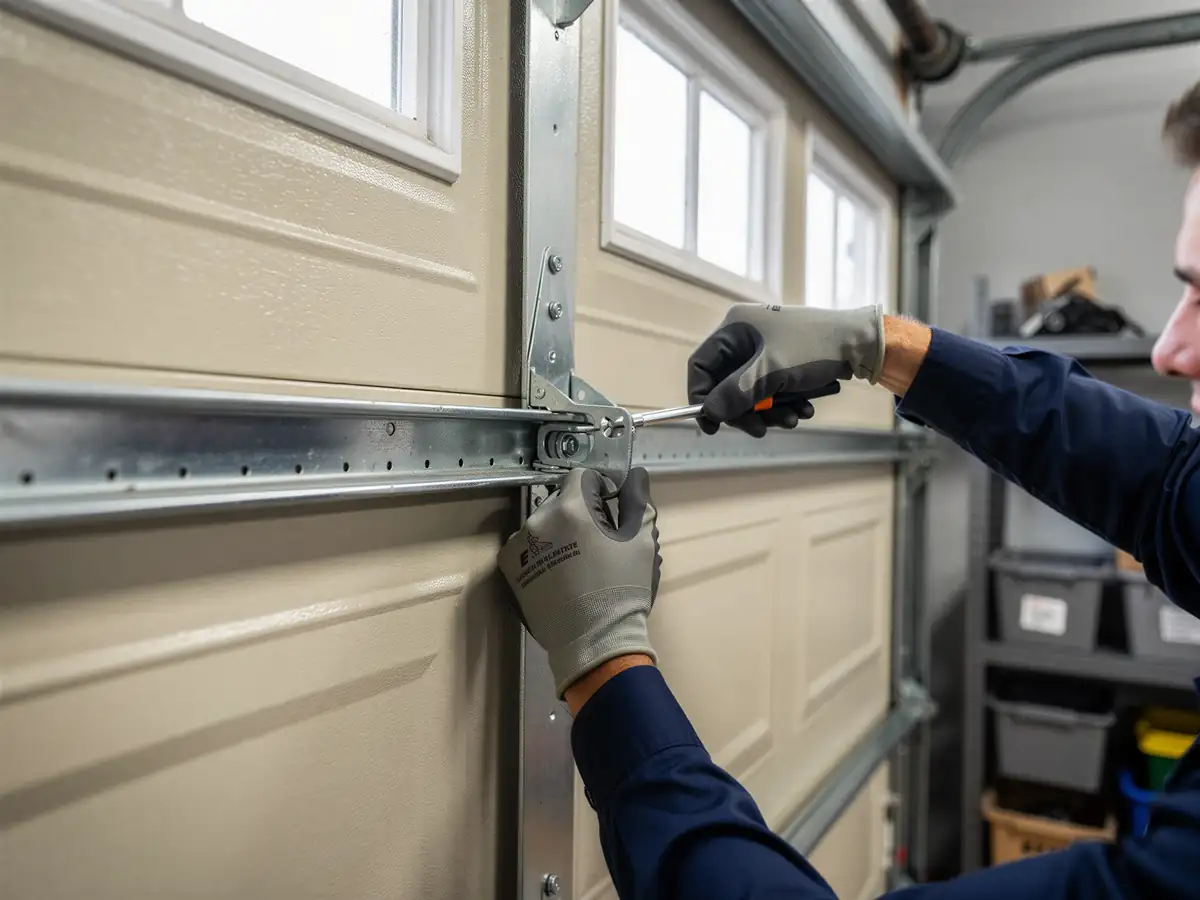
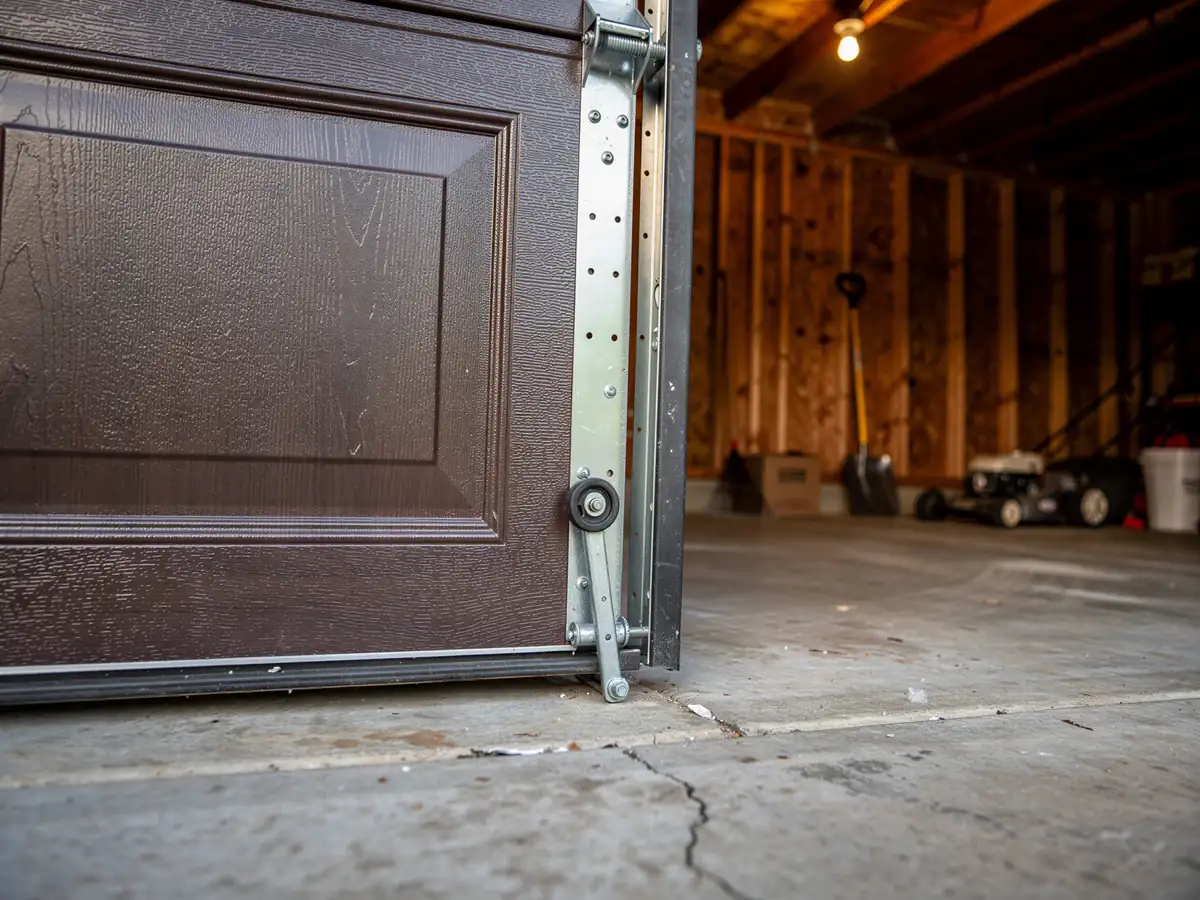
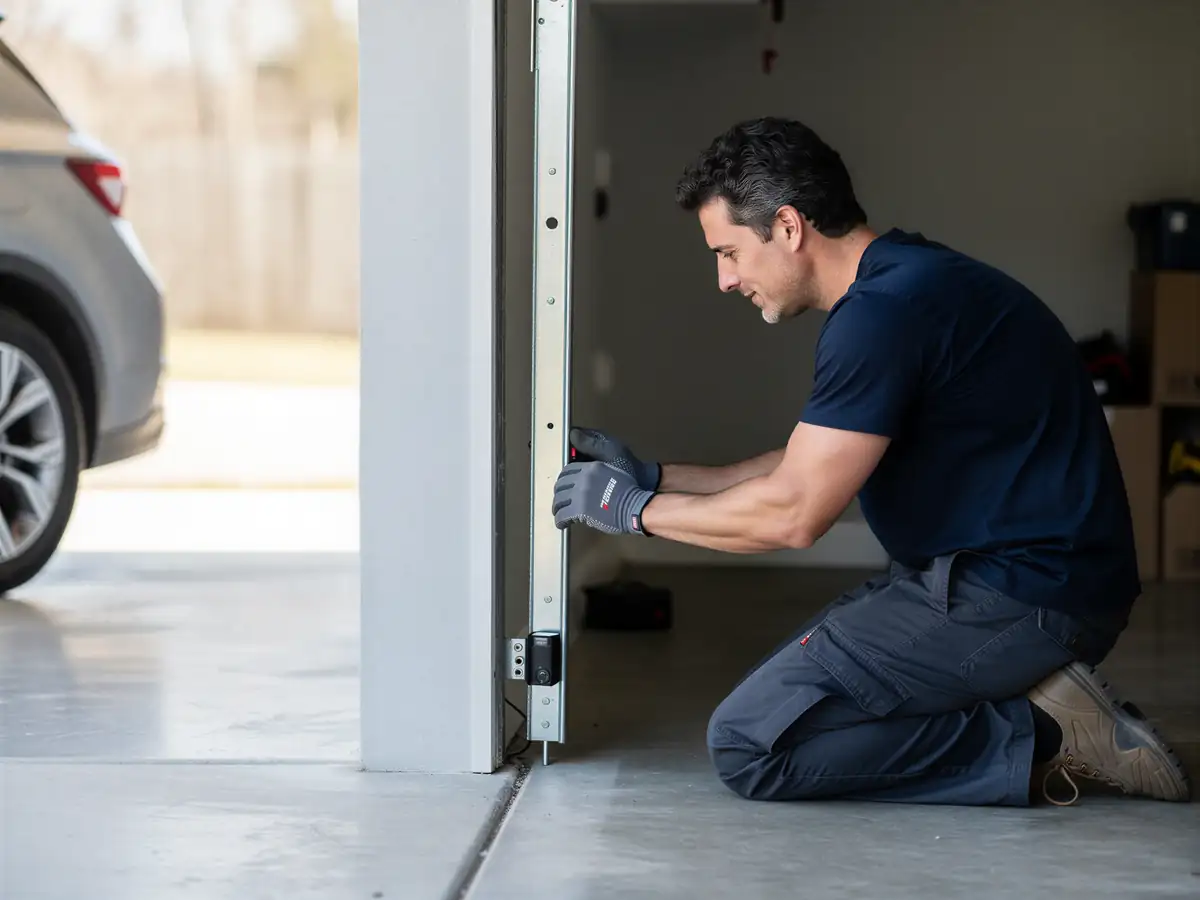
Some of it, yes. You can wipe down the tracks, check that the photo-eye sensors near the floor are lined up and not covered in dust, and look at the weatherstripping along the bottom of the panel for cracking. Tightening loose bolts on the track brackets is fine with a wrench and a ladder.
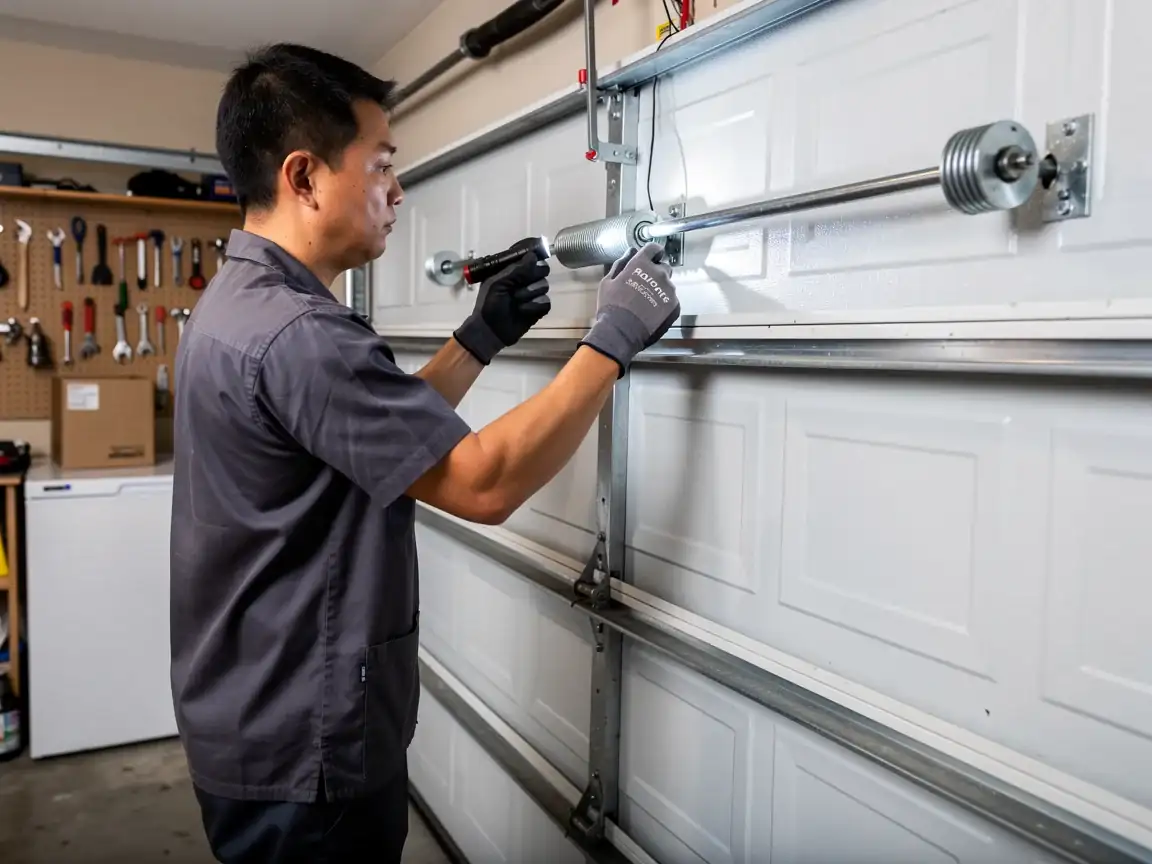
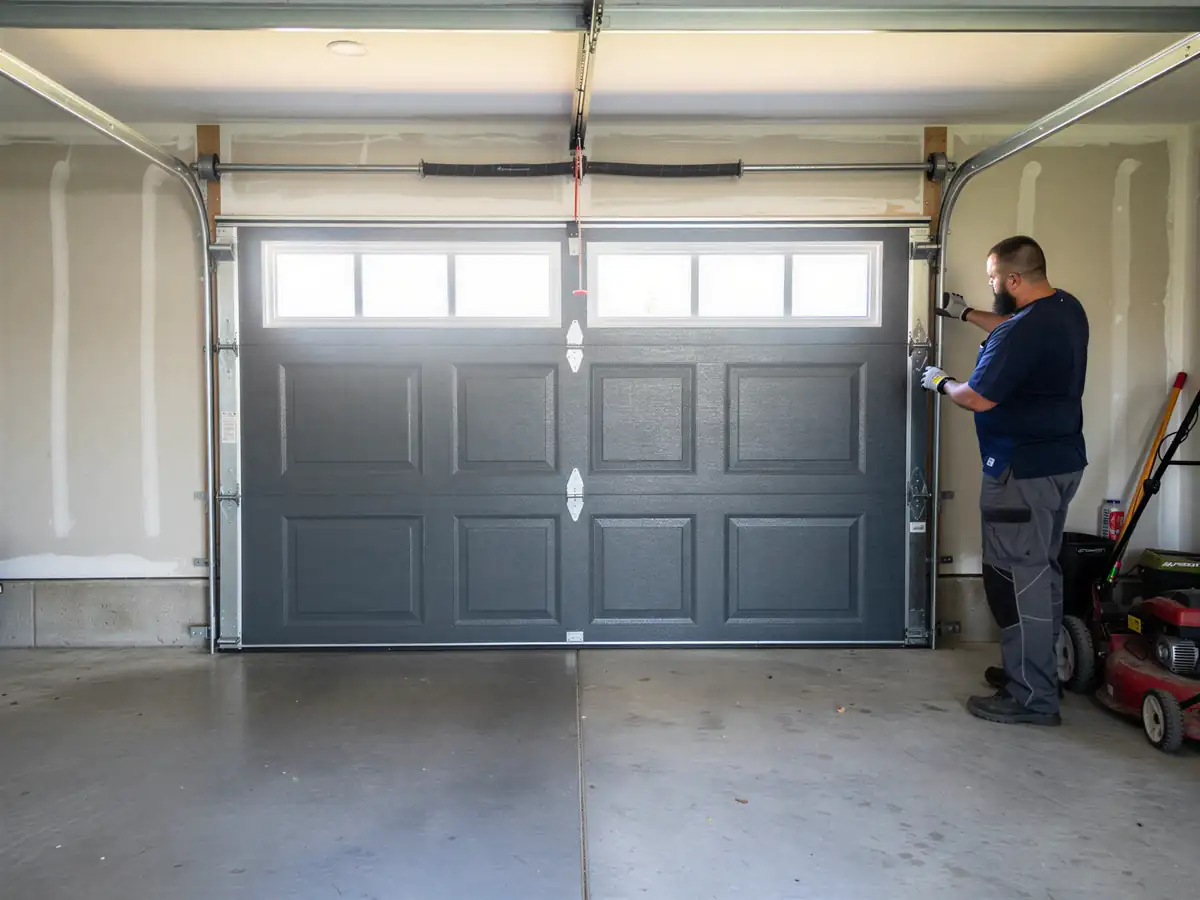
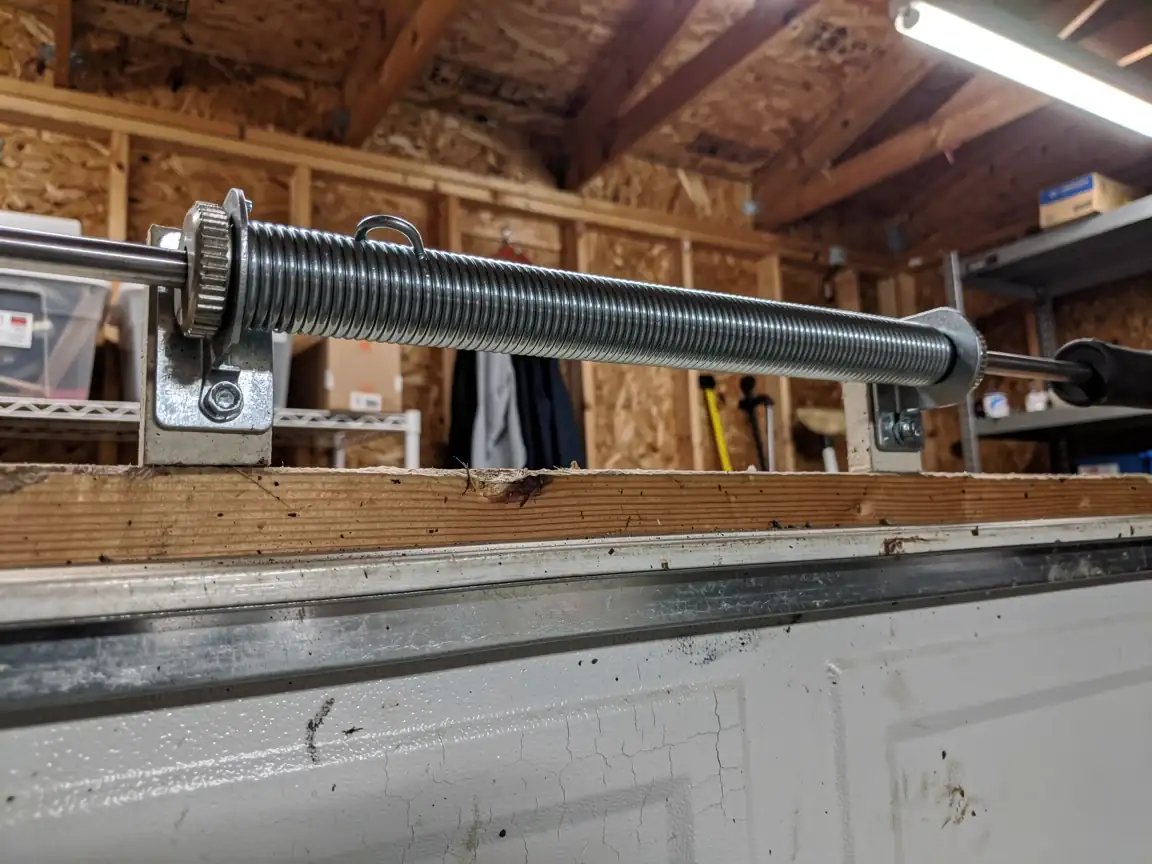
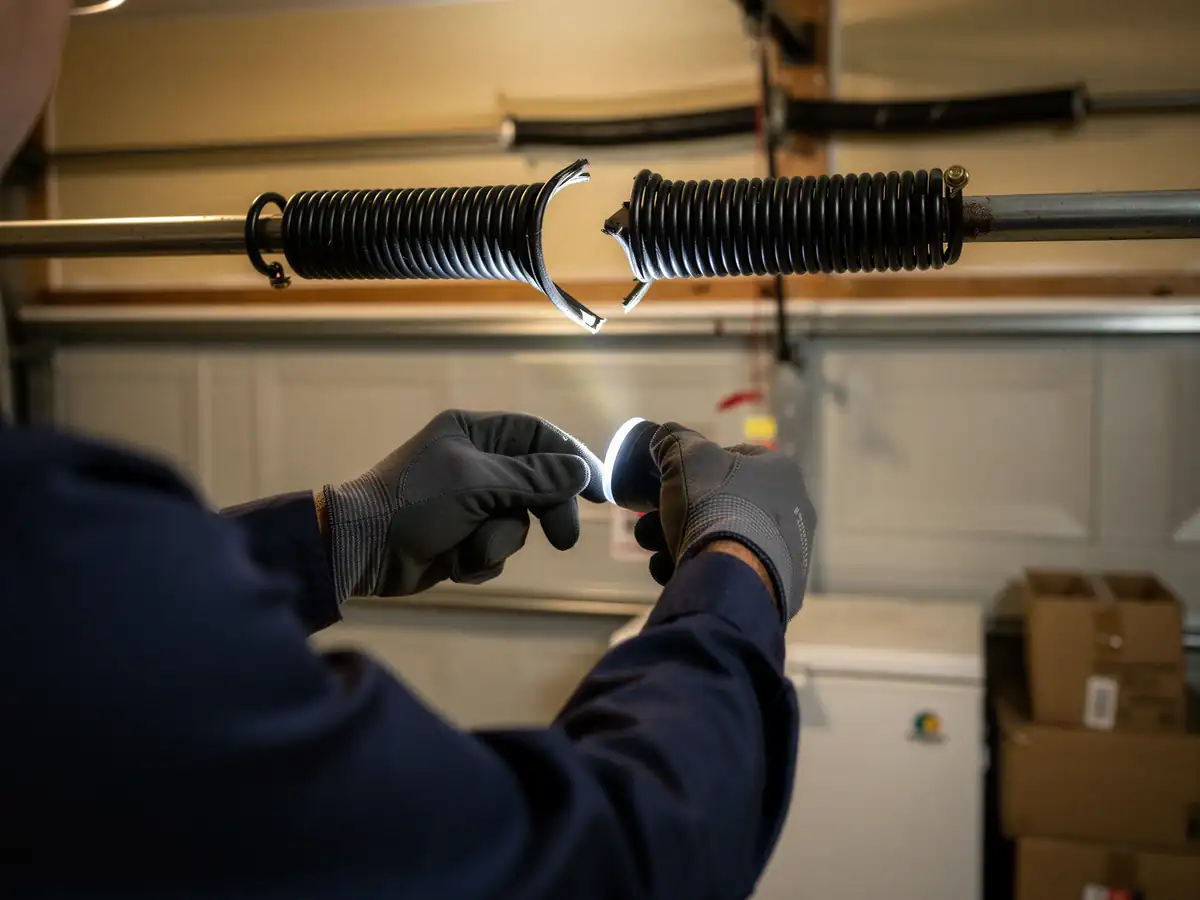
What you shouldn't touch is the torsion spring above the door. It's wound under enough tension to snap a bone or worse, and it's not a DIY part - anyone who tells you otherwise is guessing. Same goes for the cables running to the bottom brackets. If a cable's frayed, that's a call, not a project.
Households across this service area (19,518 owner-occupied houses among 31,213 total, per F6) skew toward older, well-kept homes where the original opener or spring set is still in place decades later. That's good news for the DIY jobs - lubricating rollers, checking balance - and a reason to leave the spring and cable work to someone who does it daily. A door that's out of balance by even a few pounds puts more load on the opener than it was built for, and that's an expensive way to find out your maintenance visit was overdue.
What the Fix Involves
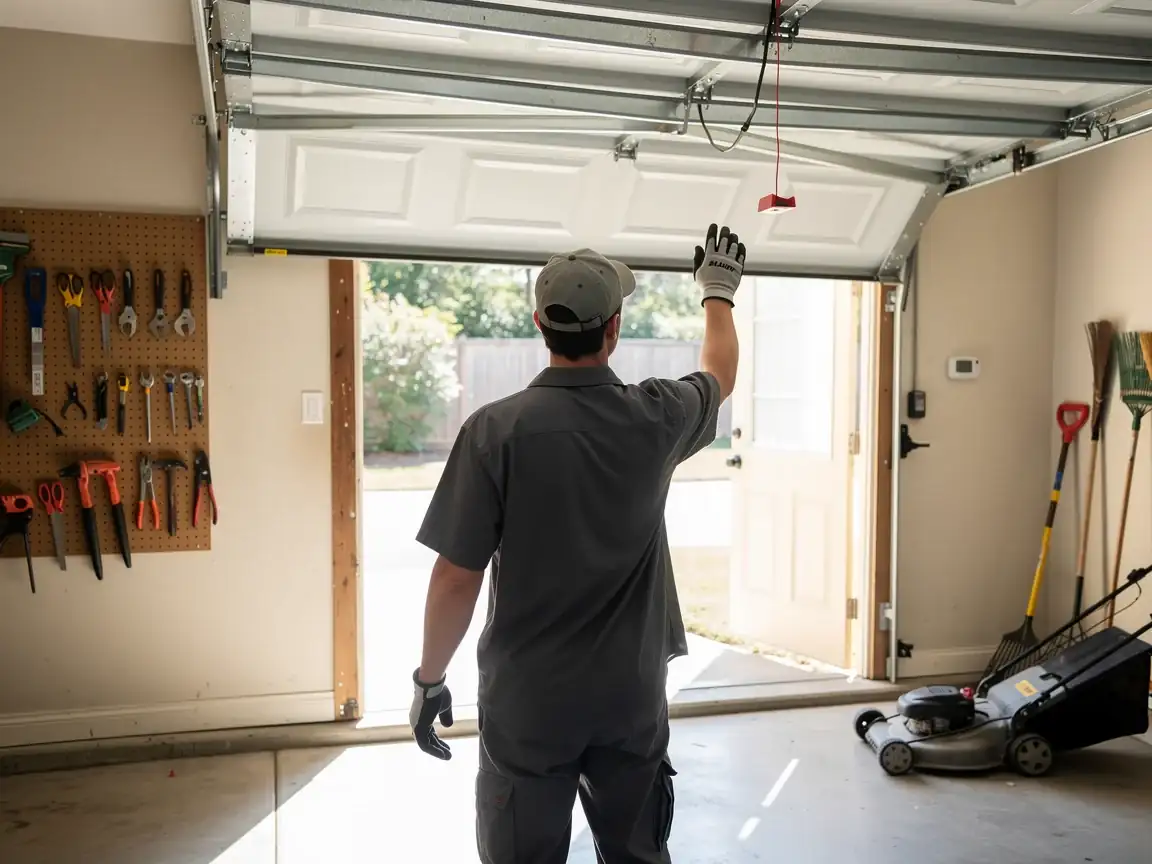
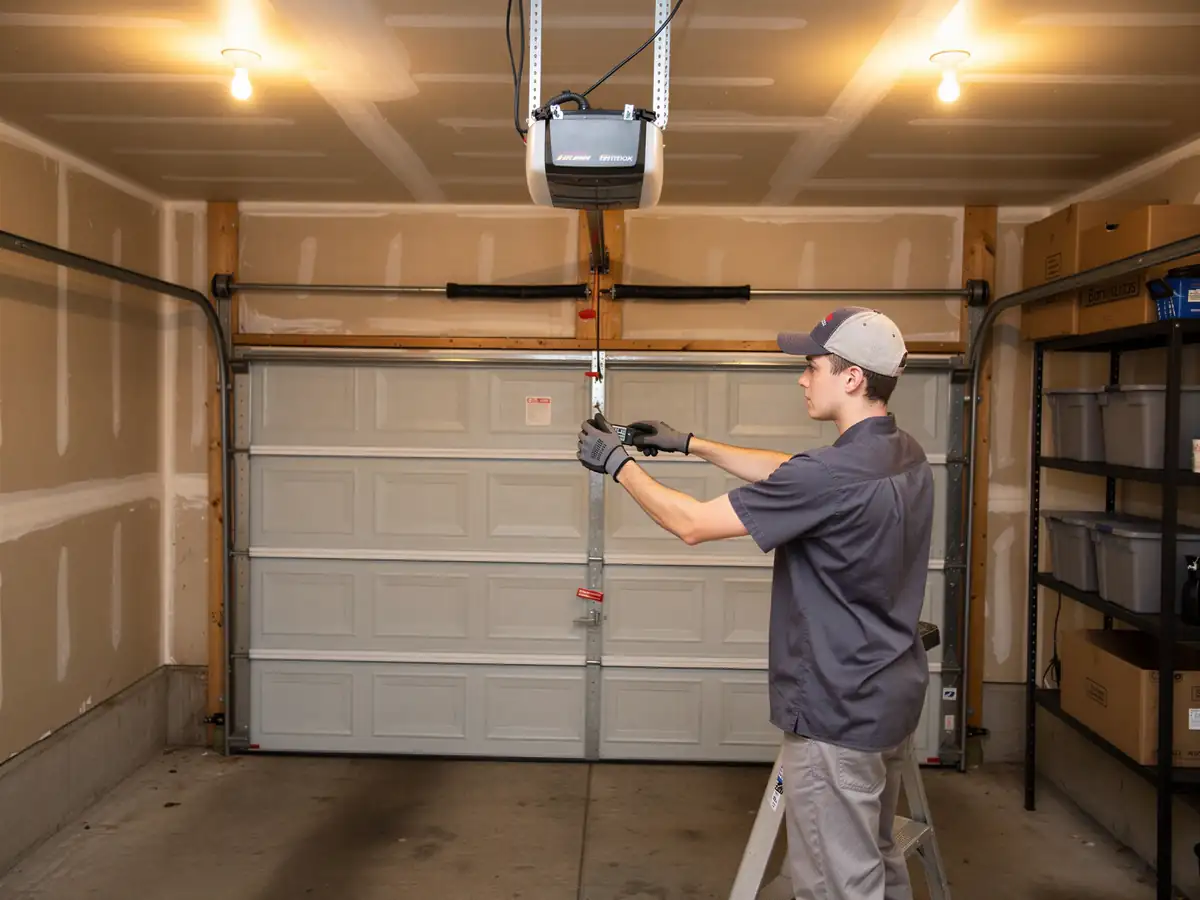
A real maintenance visit isn't a five-minute once-over. It starts with checking spring tension and door balance - disconnect the opener, move the door by hand, see where it stops. From there it's rollers (steel or nylon, depending on the age of the door), hinges, the track alignment on both sides, and the cable drums for fraying or uneven wind.
On homes from the 1980s and 90s stock common across this area, the opener itself is often the weak link - chain-drive units from that era don't have the auto-reverse sensors or soft-stop logic that newer doors ship with standard. Part of the visit is checking that the safety reversal still works, not assuming it does because the door closes fine.
We also check the bottom seal and the header weatherstripping, since a gap there is usually the first sign something's shifted out of square. Lubrication is the easy part - a silicone-based product on the rollers and hinges, never grease on the tracks. The harder part is catching a spring that's a season or two from failing before it does, which is really the whole point of a maintenance call instead of waiting for a repair call.
Why It Happens Here
Housing in this service area was built mostly between 1953 and 2010
With a median year around 1991, and the bulk of it falls into that 1980s-90s stock spread across two dozen named areas. That means a lot of doors and openers are original or close to it - not failing yet, but well past the point where a spring was rated to last without attention.
The climate band here is moderate heat
Which doesn't sound dramatic, but repeated heat cycling on a garage - a space that isn't insulated or conditioned like the rest of the house - dries out lubricant on rollers and hinges faster than it would in a mild climate. Metal expands and contracts through the day, torsion springs lose a little tension with every cycle, and nylon rollers get brittle sooner than people expect.
None of this is dramatic or sudden
It's slow wear on hardware that was installed once and mostly forgotten, in houses where the rest of the structure has aged fine. That's the actual argument for maintenance in this area: not that anything's wrong yet, but that the hardware's age and the heat cycling are working against each other quietly, year after year.
How It Shows Up
The first sign is usually noise - a grinding or popping on the way up that wasn't there a year ago. That's often a roller going bad, or a spring starting to lose its even tension. Next is a door that doesn't sit flush at the bottom, leaving a gap on one side; that's a balance problem, not a cosmetic one.
A slow start when you hit the opener button, or a door that reverses halfway up for no reason, points to the opener's circuit board reading resistance it shouldn't - again, more common on older chain-drive units that match the 1980s-90s housing stock here.
Some owners notice it in their electric bill before they notice it on the door: a garage that's letting in more outside air through a worn bottom seal, which matters more during the stretch of moderate-but-real summer heat this area sees. None of these are emergencies on their own. But they're the kind of thing that turns into an emergency - a snapped cable, a spring that lets go - if nobody looks at it for another year.