Can You Do This Yourself
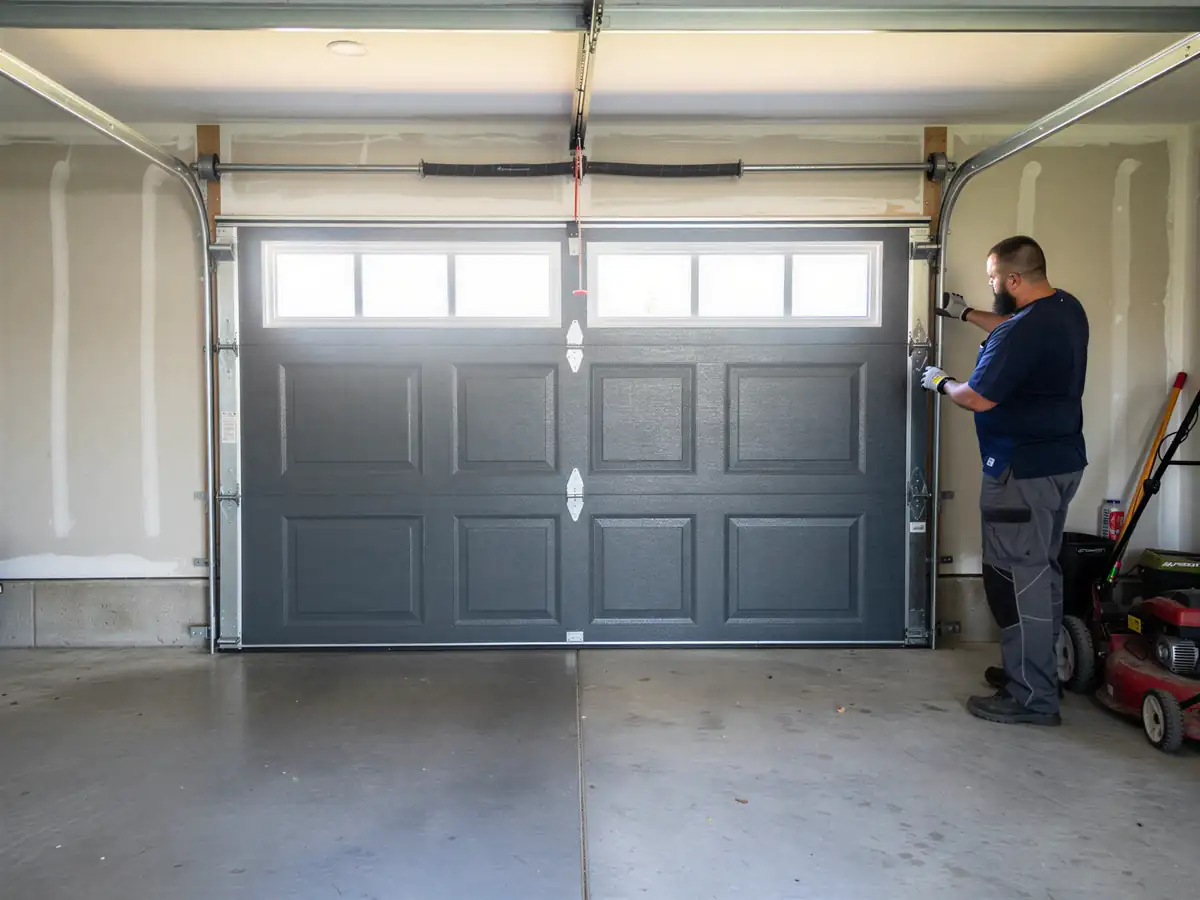
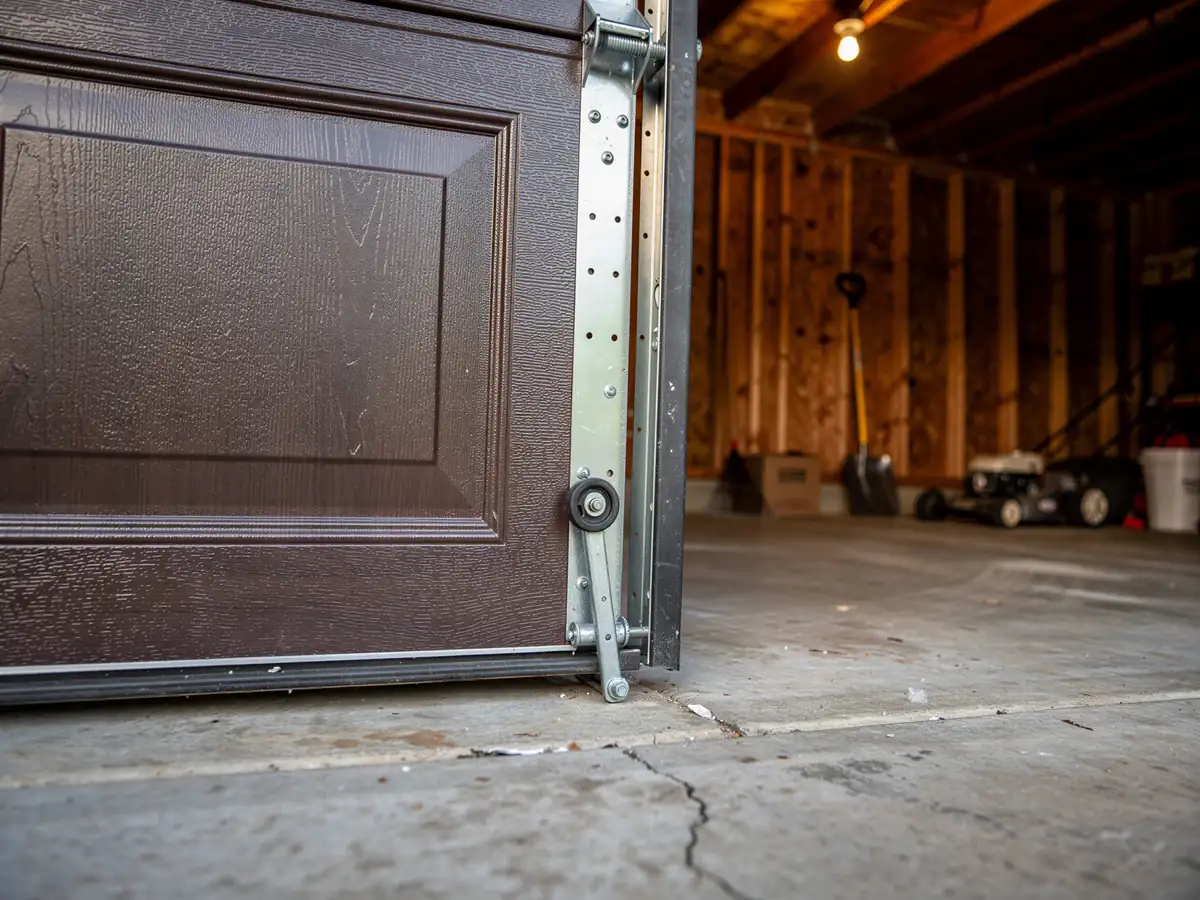
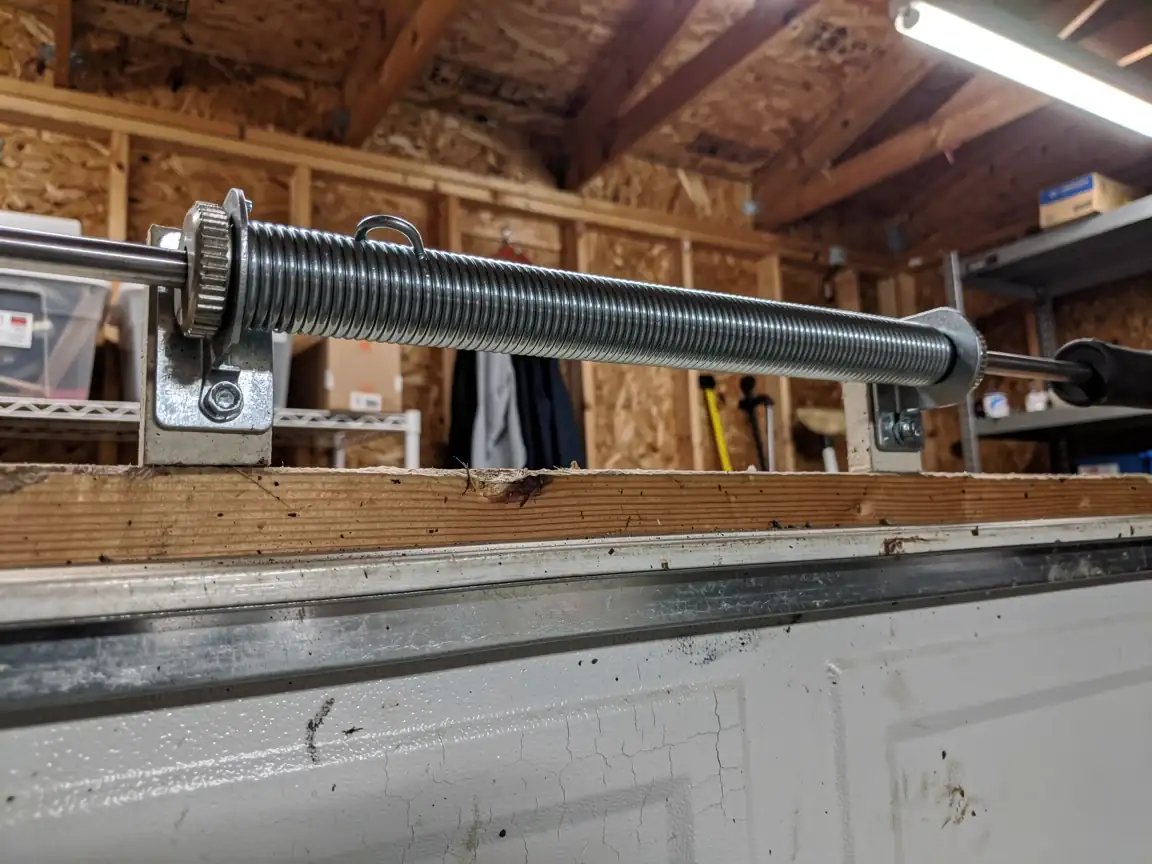
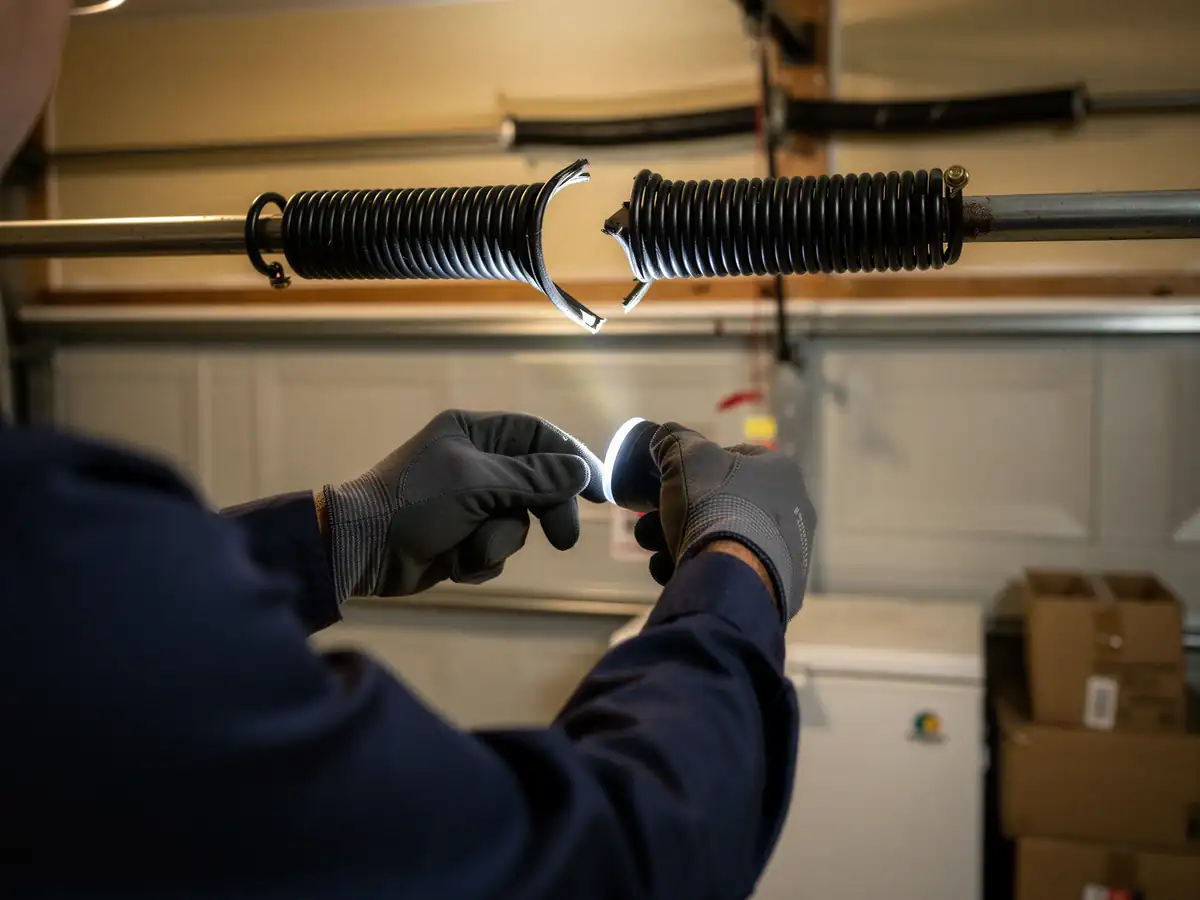
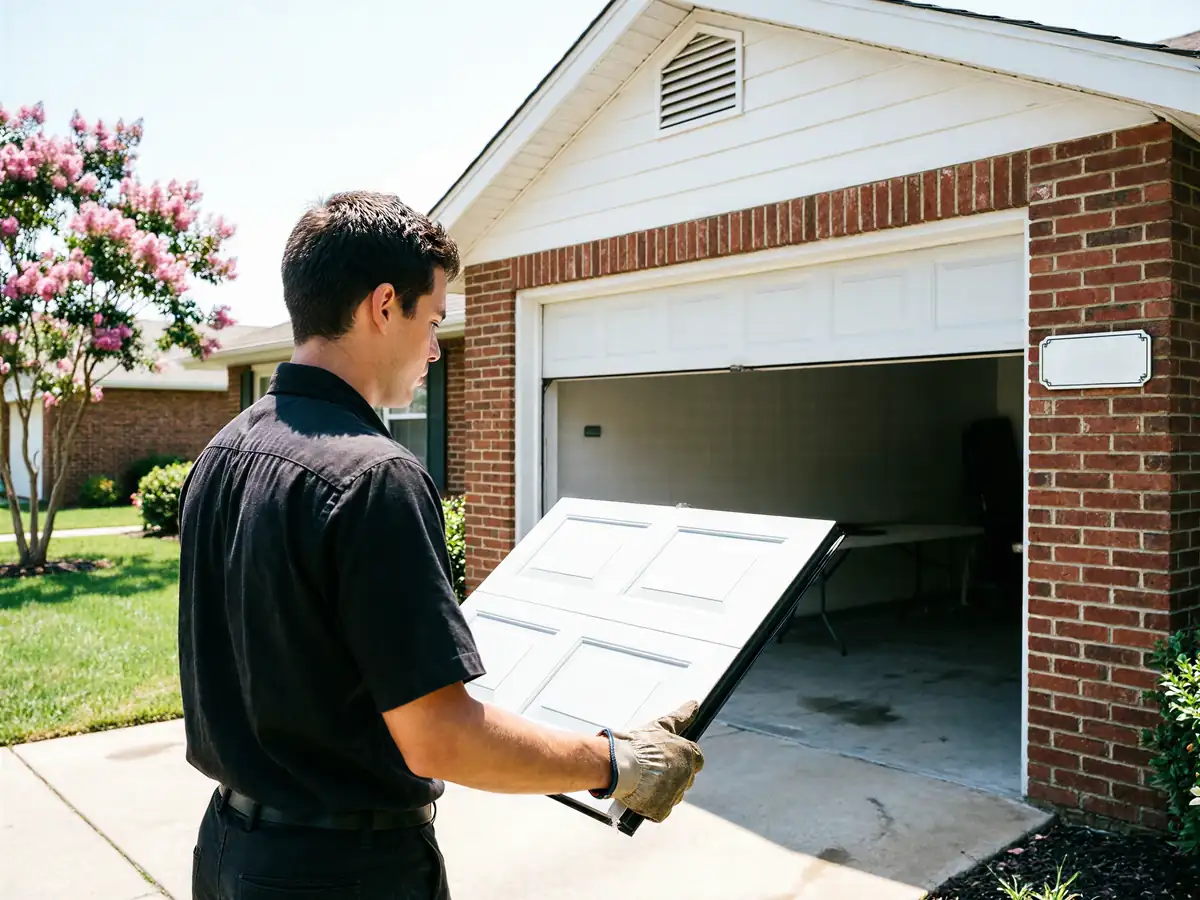
A single dented panel on a sectional door looks like a weekend project, and sometimes it is. If the door is a basic flush steel section with no windows, standard hardware, and you can find an exact match for the color and rib pattern, swapping that one section is within reach of someone comfortable with a drill and a ladder. Where it stops being a DIY job is the torsion side. Most doors across this service area run on torsion springs carrying real tension, and pulling a panel on a door that's still under spring load is how people end up in the ER with a hand or a face injury. There's also the matching problem: paint fades unevenly over years of sun, so a brand-new panel next to ten-year-old ones often looks worse than the dent did. If the damaged panel is a bottom section with the track rollers or cables attached to it, or if more than one section is bent, that's a job where the door needs to come off tension safely first. We're honest that plenty of single top-panel swaps on a cosmetic dent are fine to attempt. Structural sections, bottom panels, or anything near the springs - that's where we'd rather you call than guess.
What the Fix Involves
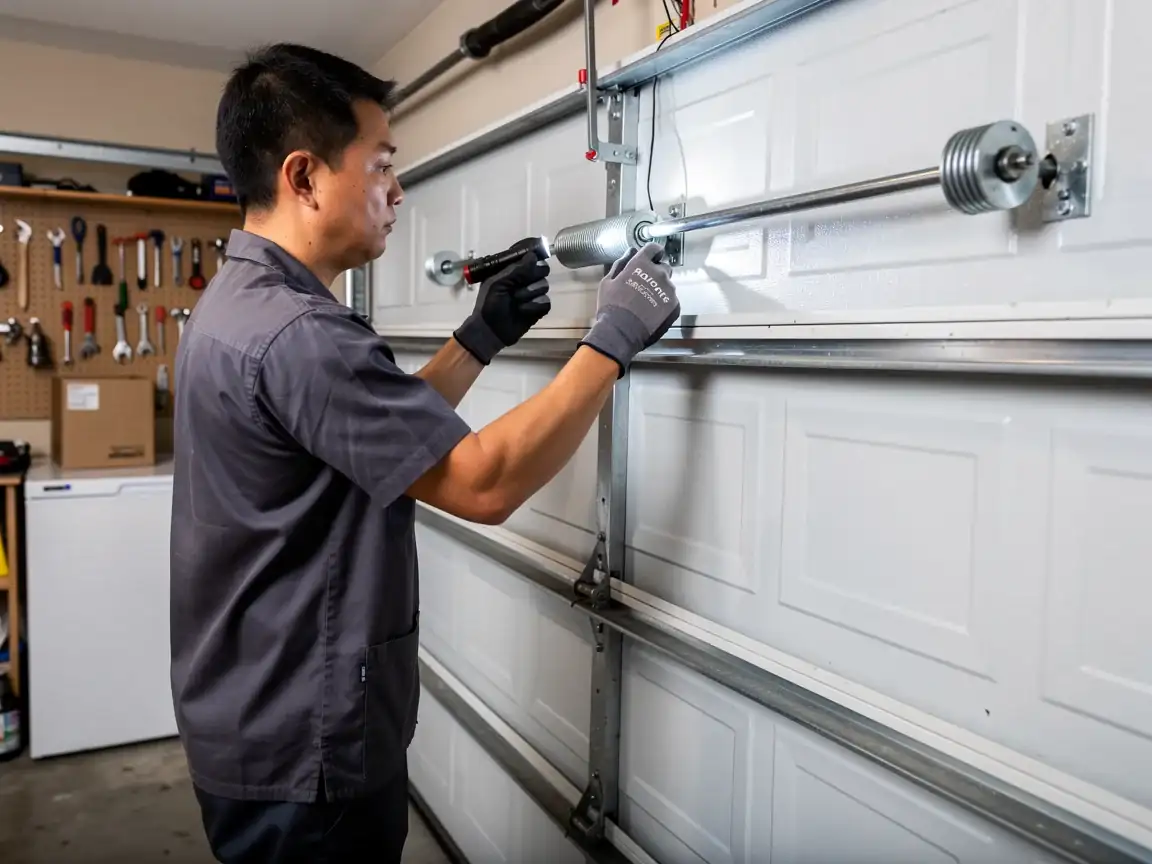
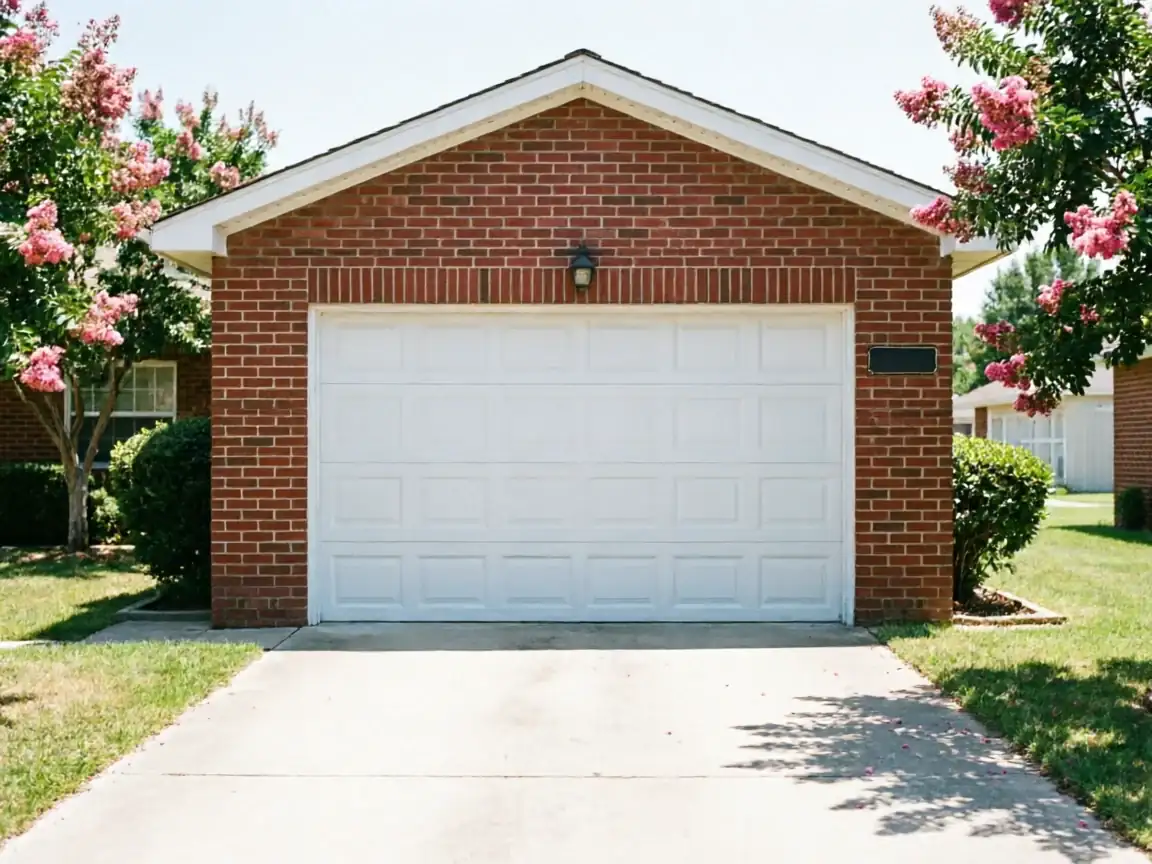
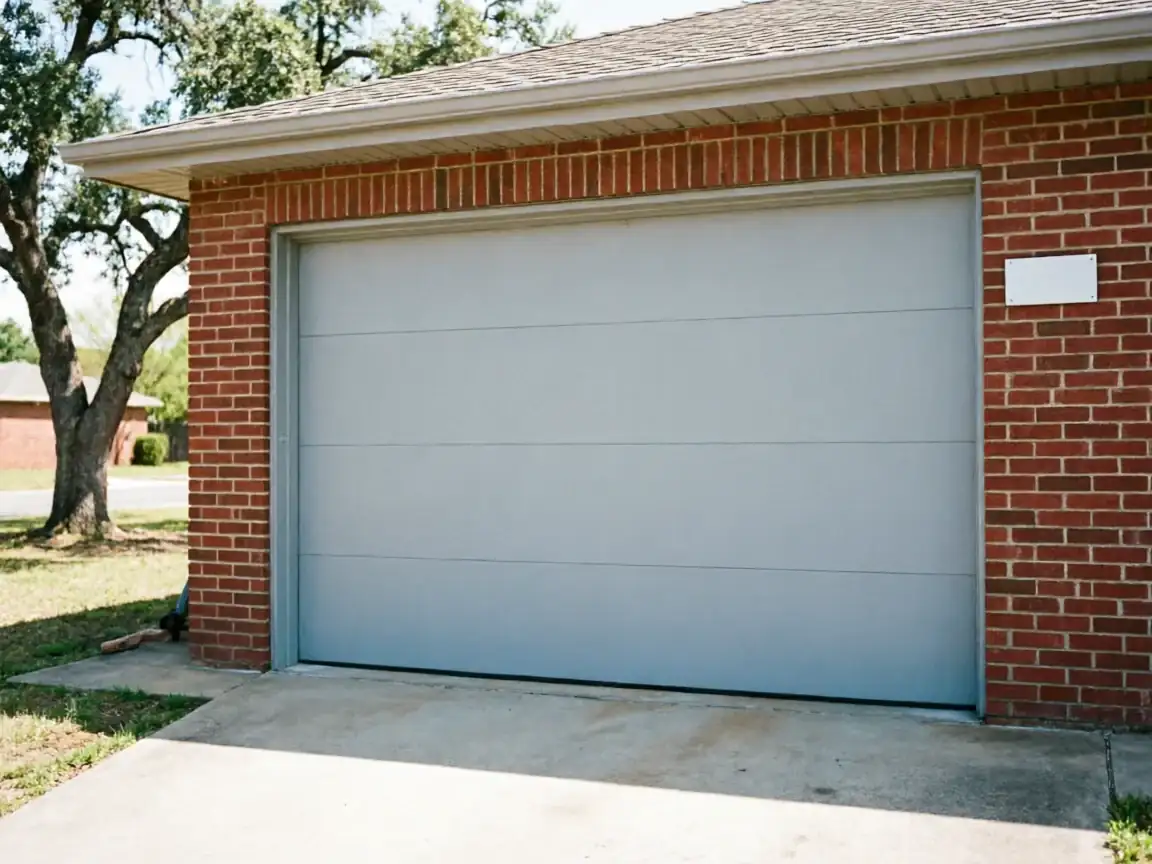
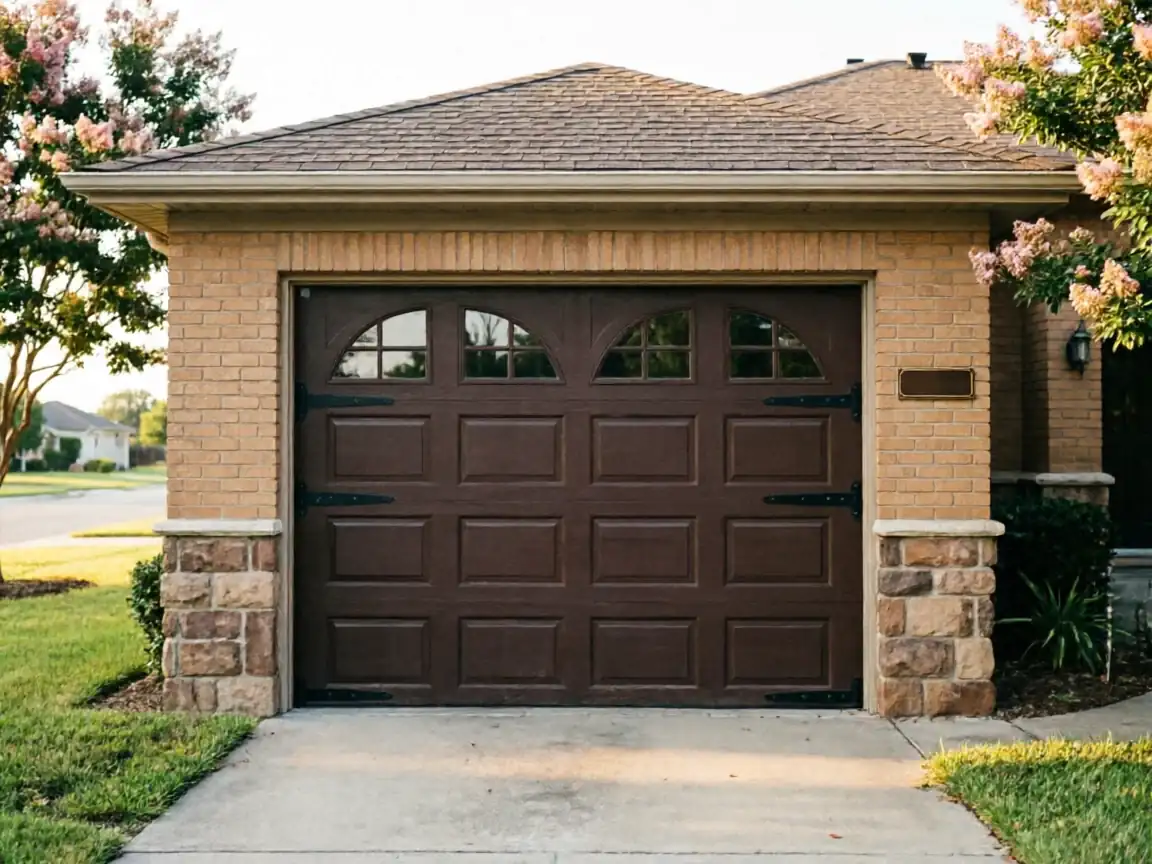
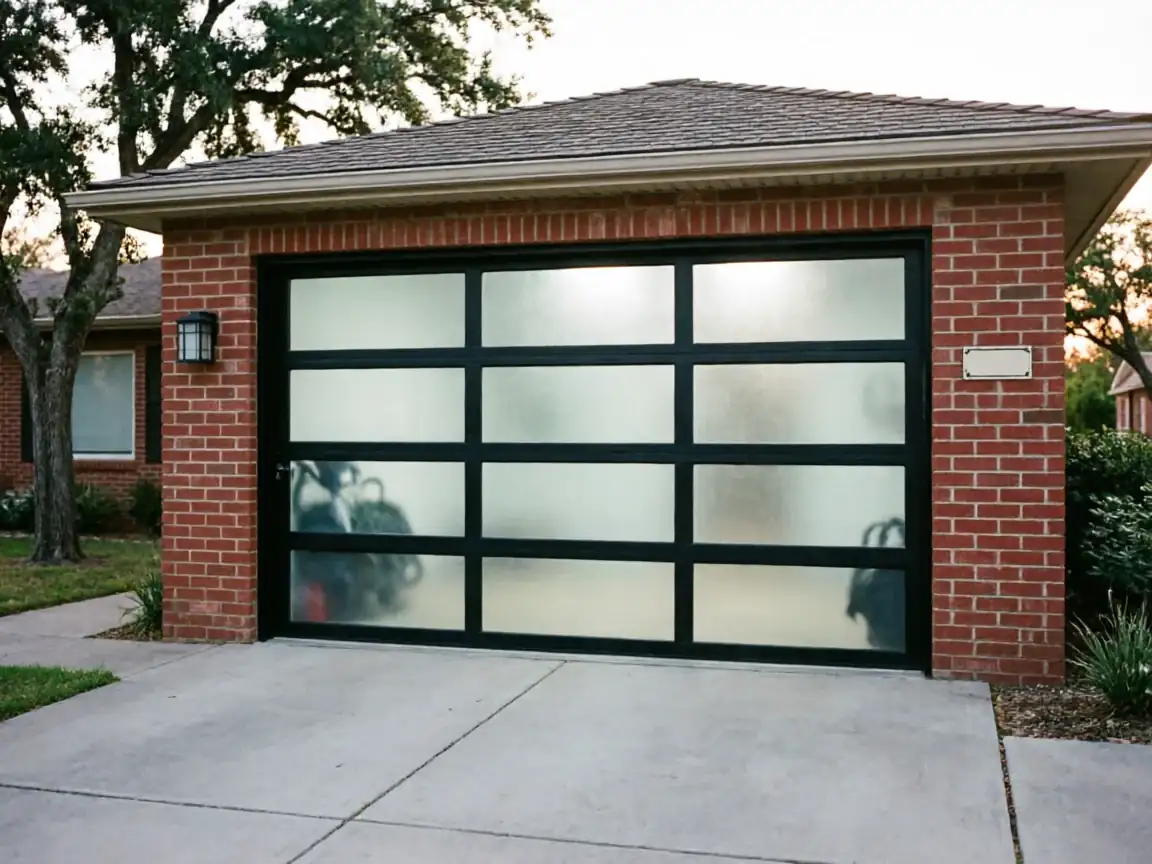
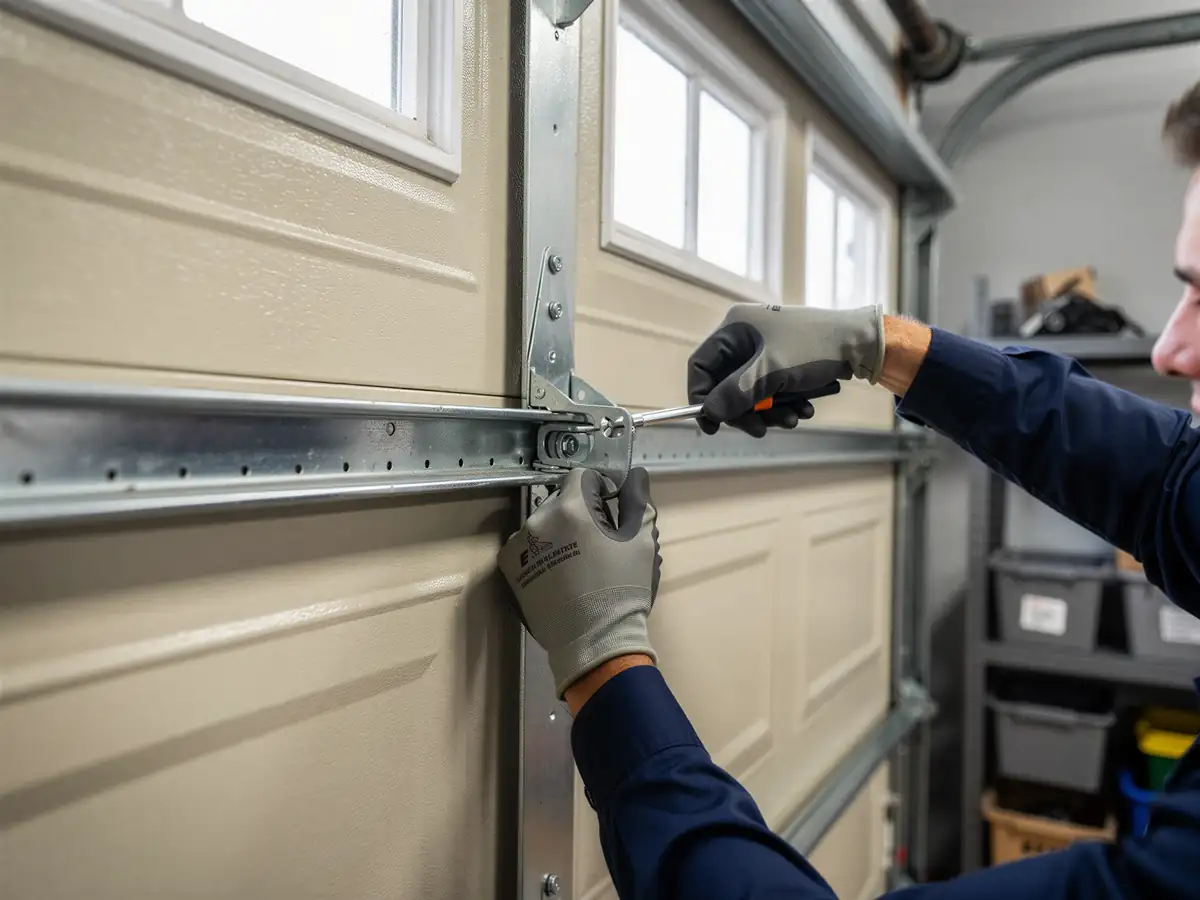
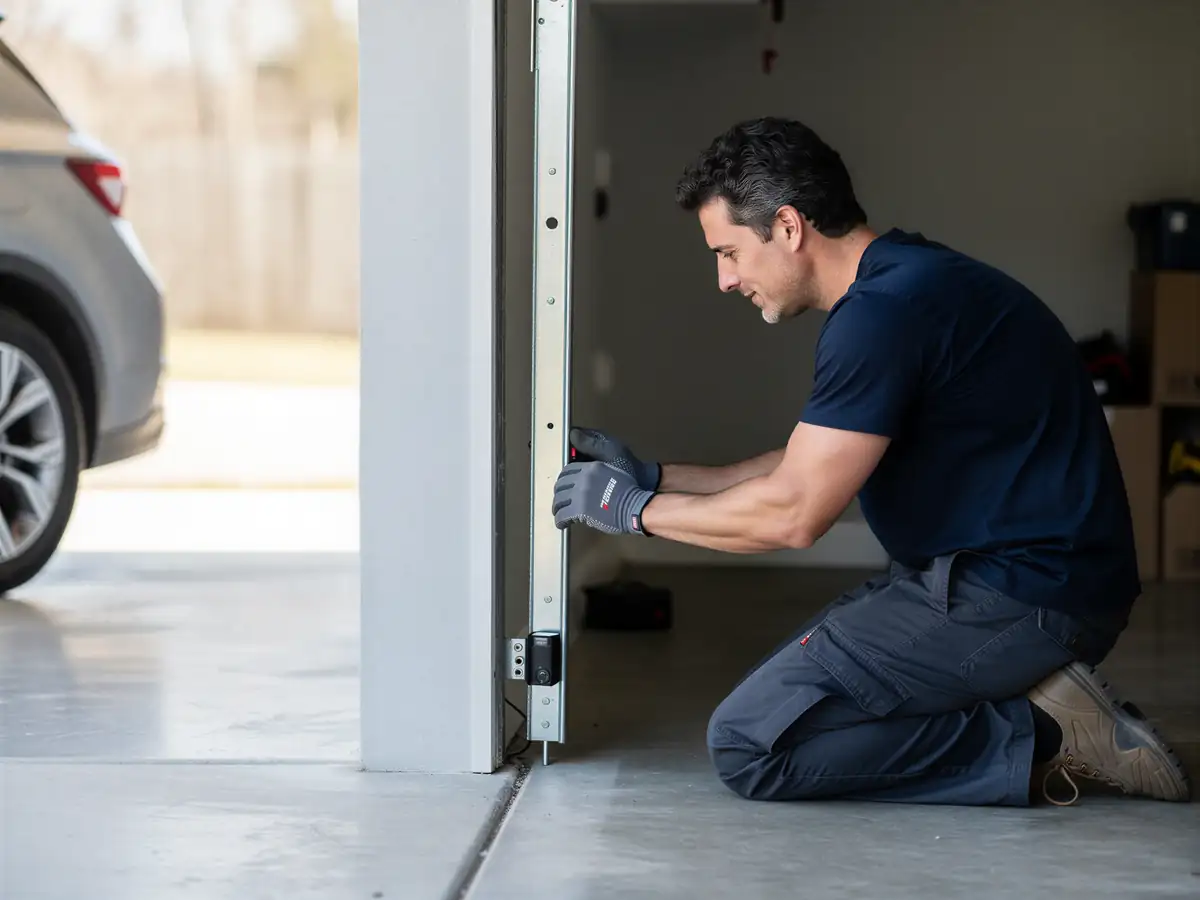
We start by identifying the exact panel - manufacturer, width, height, and whether it's a plain flush section, a ribbed design, or one with a window insert, since those three details determine whether we can source a true match or need to special-order. If the door is older, an exact match sometimes isn't available anymore, and we'll tell you that up front rather than promise a seamless blend. The door comes off spring tension before any hardware is touched. We pull the hinges, end caps, and roller brackets off the damaged section, swap in the replacement, and re-hang the hinges at factory spacing so the door still tracks straight - a panel installed even slightly out of square will bind against the rollers within a few weeks. Cables, bottom brackets, and struts get checked while the door is apart, since a bent panel often means something nearby took a hit too. Once it's reassembled we balance the spring tension and run the door through a full open-close cycle checking for drag, noise, and daylight gaps along the edges. One limitation worth saying plainly: we don't stock every color and panel profile ever made, and on doors built before the 2000s, lead time on a matching panel can run longer than the labor itself.
How It Shows Up
The most common call we get is a single dent on a bottom panel - usually from a car bumper or a trailer tongue that caught the door on the way in or out. On older doors, you'll also see stress cracks running along the rib lines of a panel, especially near the hinge points where decades of opening and closing have worked the metal. Rust is the other pattern, and it rarely starts where you'd expect. It usually shows up first at the bottom edge where the panel meets the weatherstrip and sits in standing moisture, or behind a dent where the paint cracked and let water in from the inside out. Warping is more subtle - a panel that's taken direct afternoon sun for years can bow slightly, which you'll notice as a gap at the top of the door when it's closed, or a section that doesn't sit flush against its neighbors anymore. None of these show up overnight. They build slowly, which is why a lot of owners live with a dented or rusting panel for a year or two before calling - right up until the door stops tracking straight or a cable starts riding off true because the panel underneath it has deformed.