Can You Do This Yourself
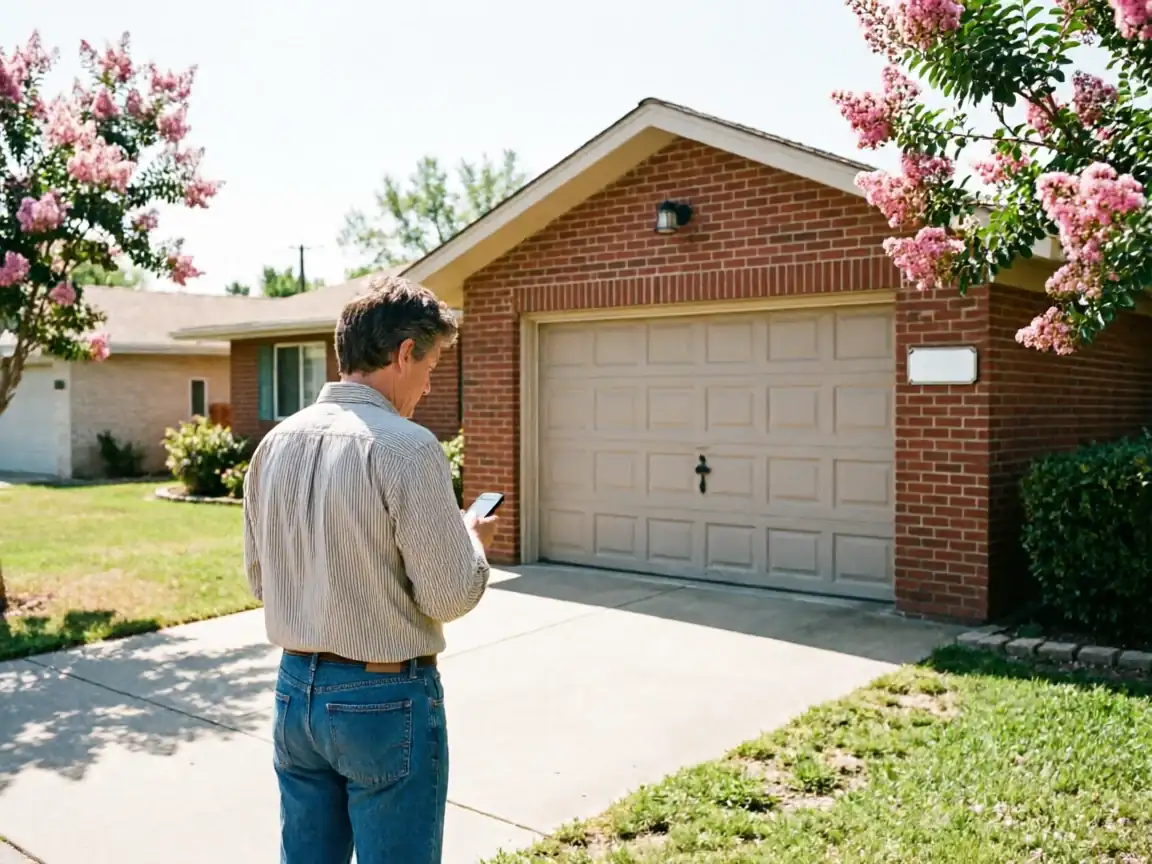
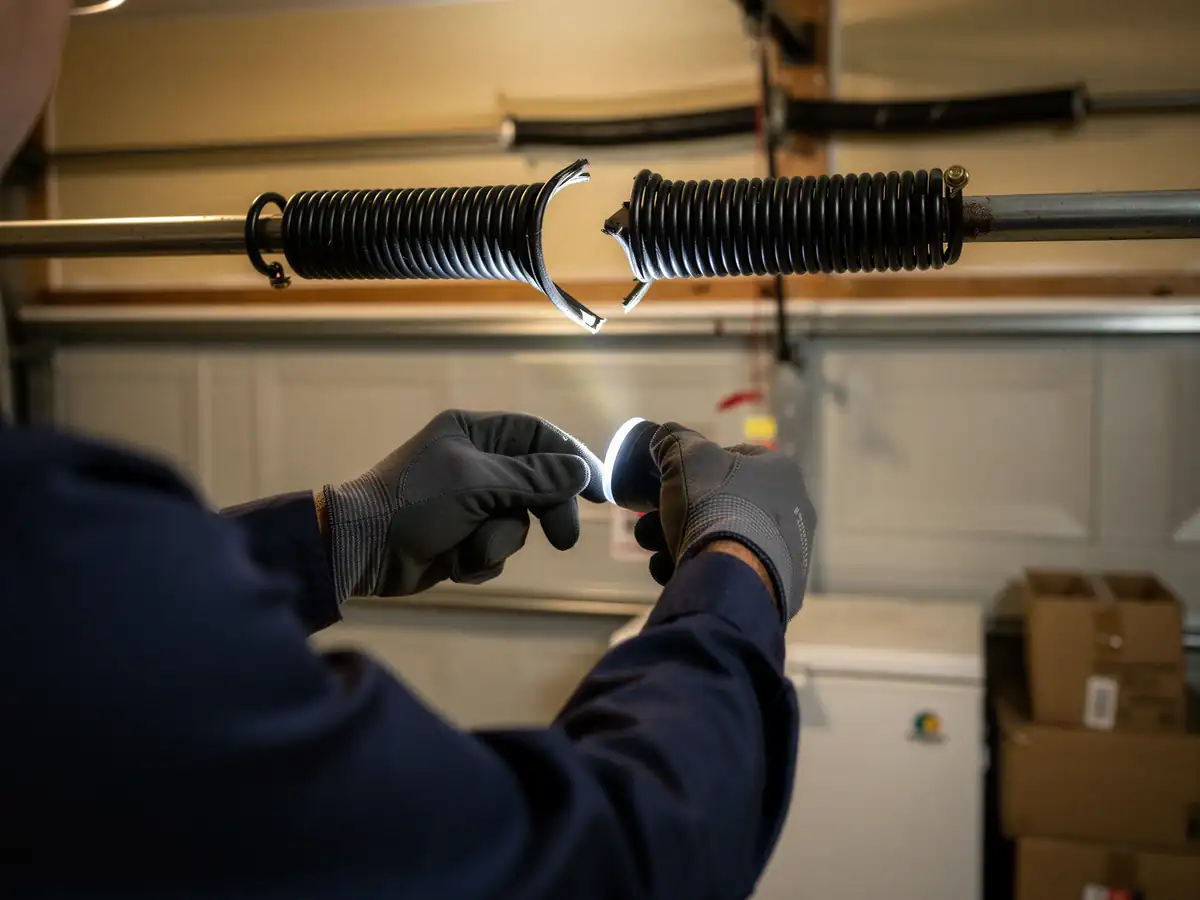
A stuck door at 10pm feels like an emergency, and sometimes you can get it moving enough to park the car and wait until morning. If the door won't budge and you see a spring with a visible gap in its coils, stop. That's stored energy that can take a finger off, and it's not a DIY job. Same goes for a door that's come off its tracks on one side but not the other - pulling the release cord on an opener when a cable is snapped can drop the door fast and hard.
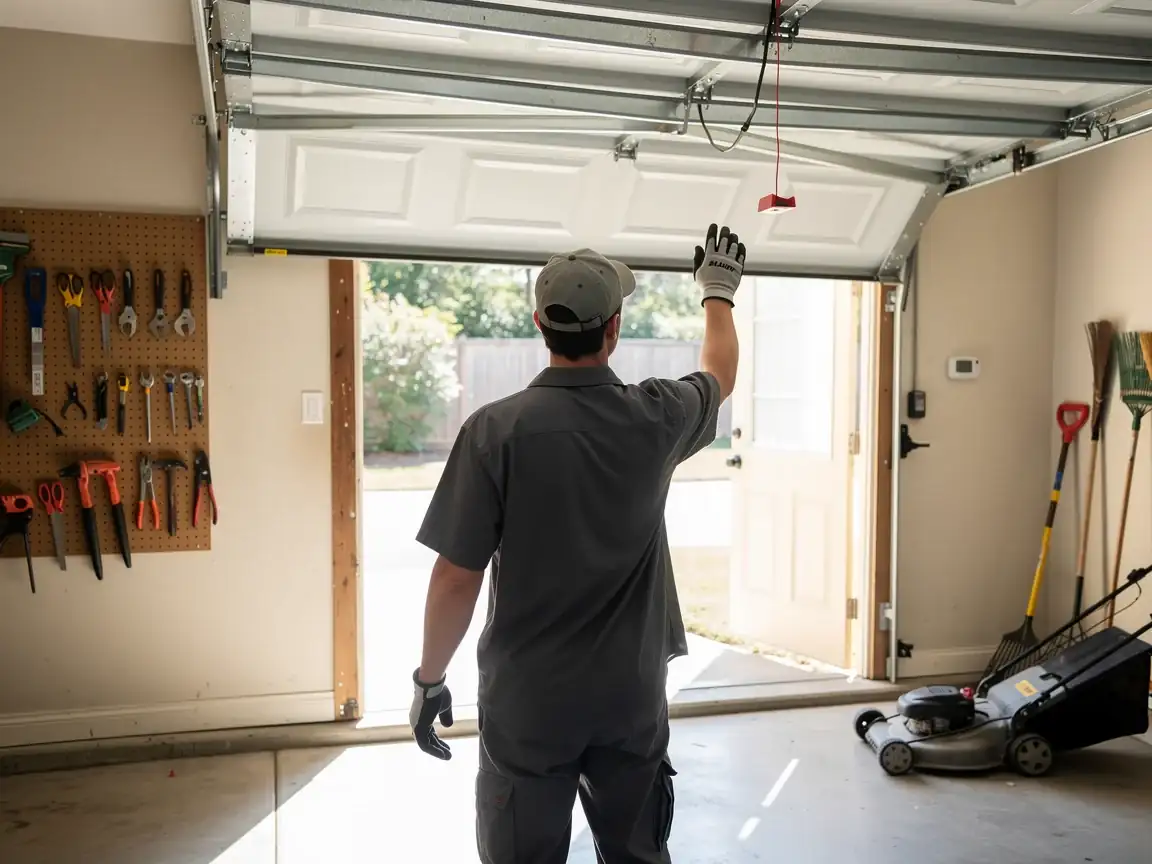
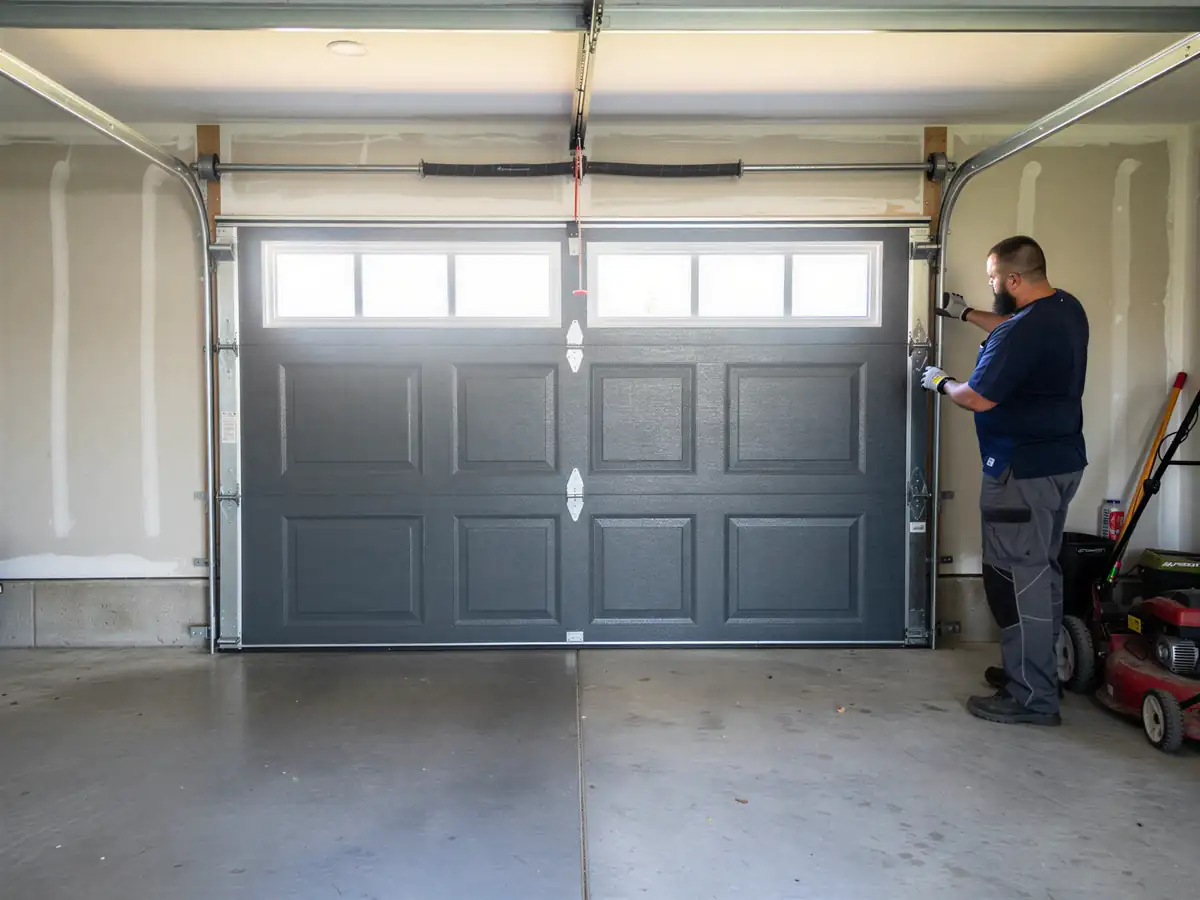
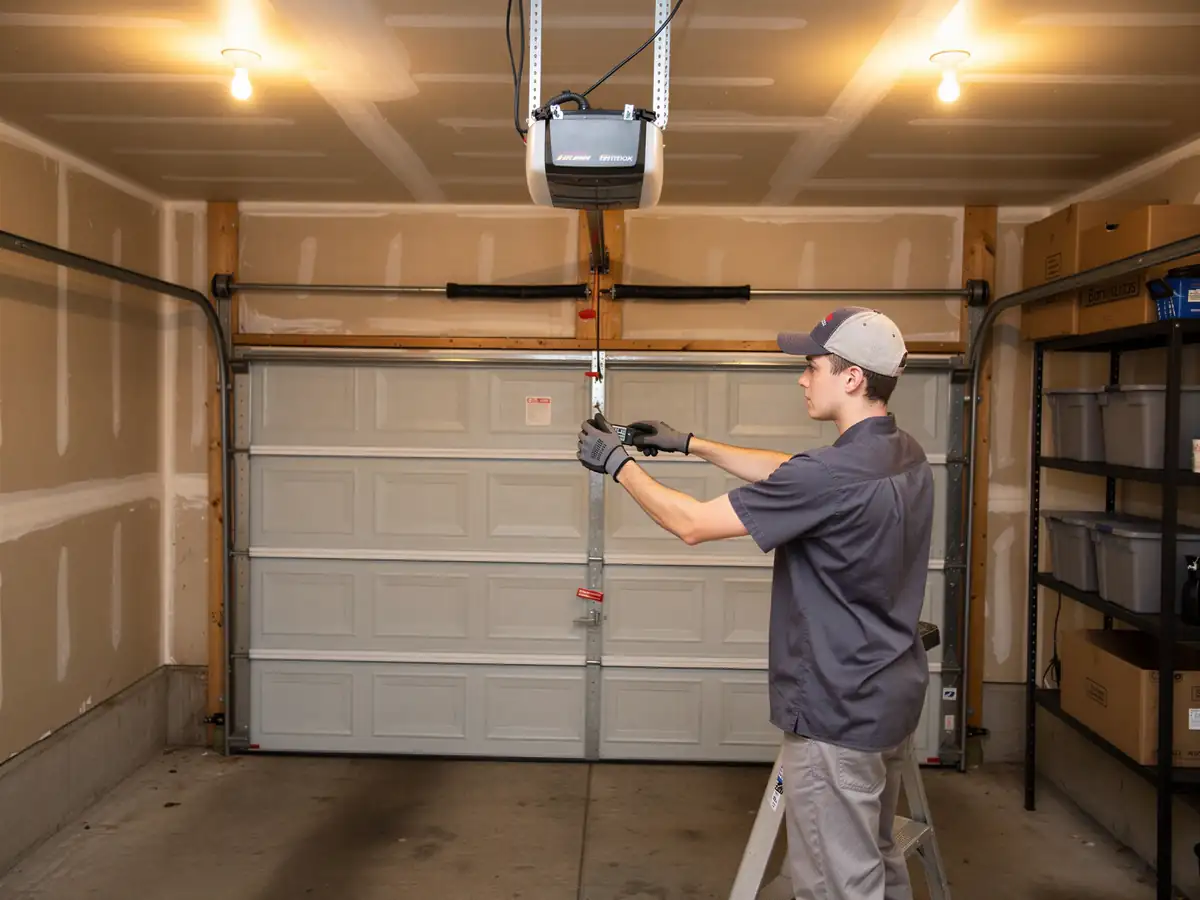
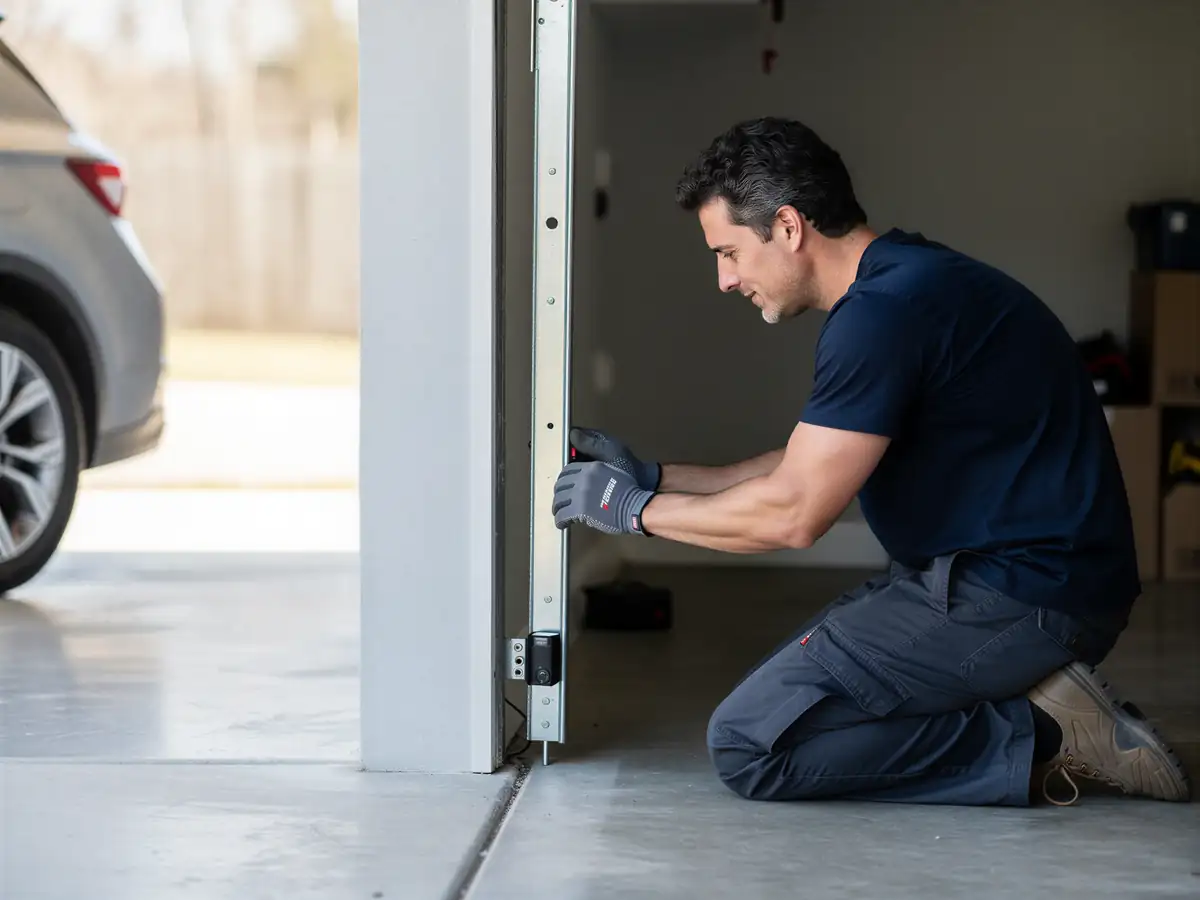
What you can safely check: the manual lock lever on the inside of the door, whether the opener has power, and whether the sensors at the bottom of the tracks are aligned (a blinking light on the opener usually means they're not). If the door opens but grinds, slows, or reverses on its own, that's a job for a service call, not a can of lubricant.
Across the 31,213 households in this service area, most owner-occupied houses - 19,518 of them - still use hardware that was standard when the house was built, which in a lot of cases means parts that aren't a one-size-fits-all swap. Guessing at a fix on a system like that usually turns a $200 repair into a $600 one.
What the Fix Involves
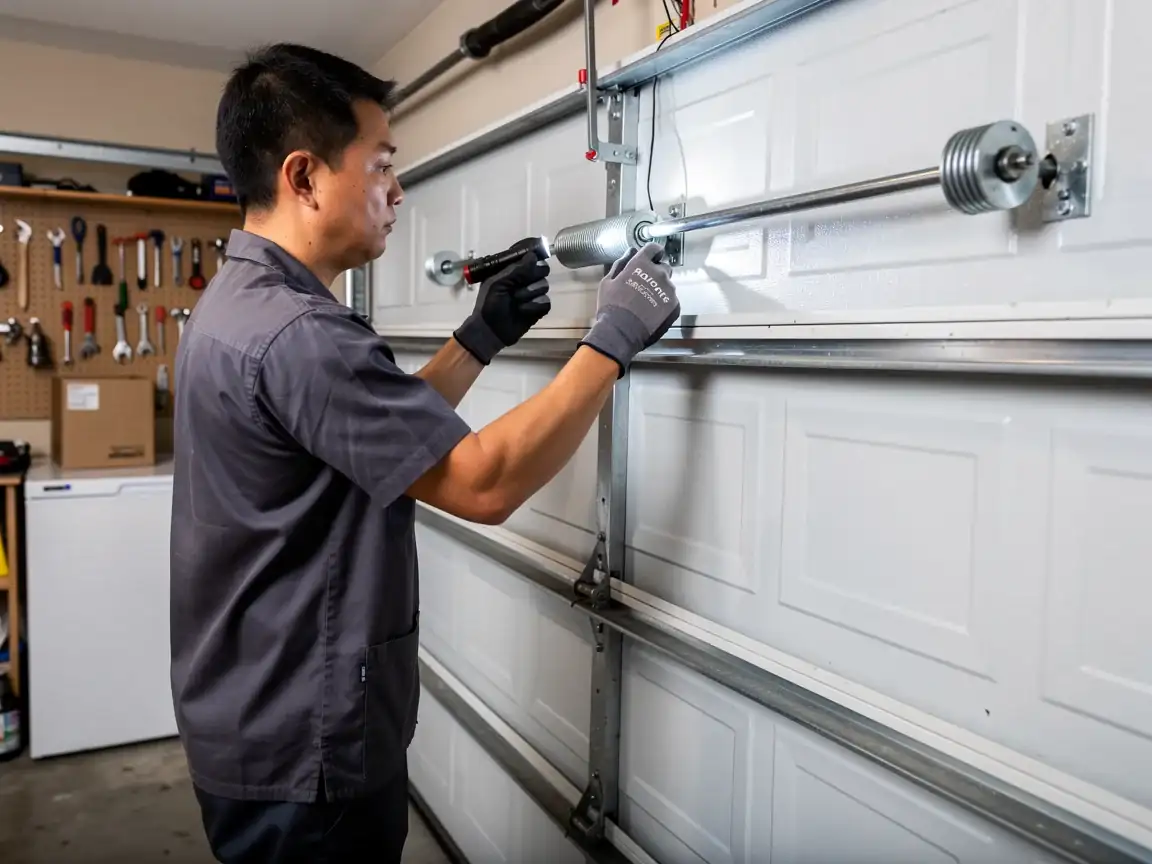
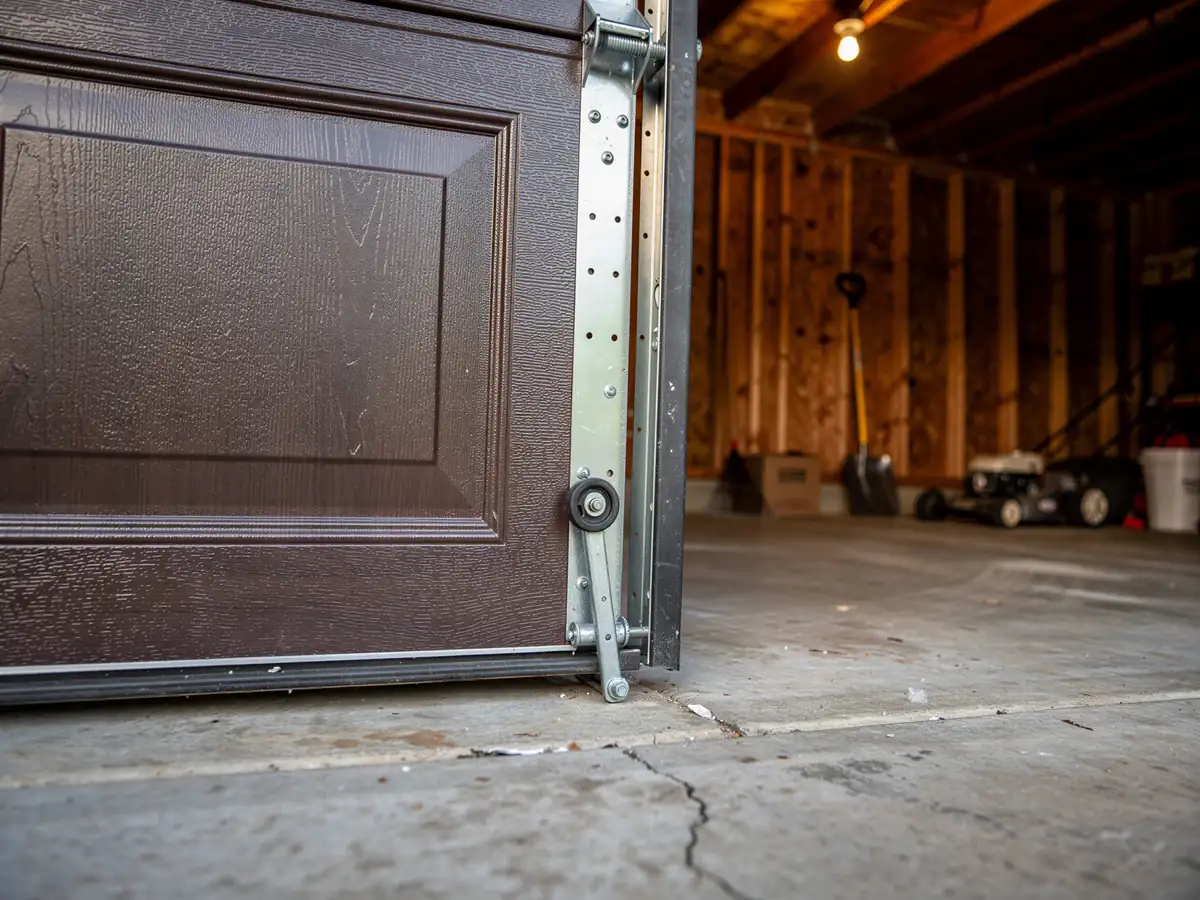
Most emergency calls break into a few repeatable jobs: a broken torsion or extension spring, a snapped cable, an opener that's lost its drive gear, or a door that's jumped the track after a roller failure. The fix starts with diagnosing which one it actually is, because a door that 'won't open' can be any of the four and the wrong first move makes the others worse.
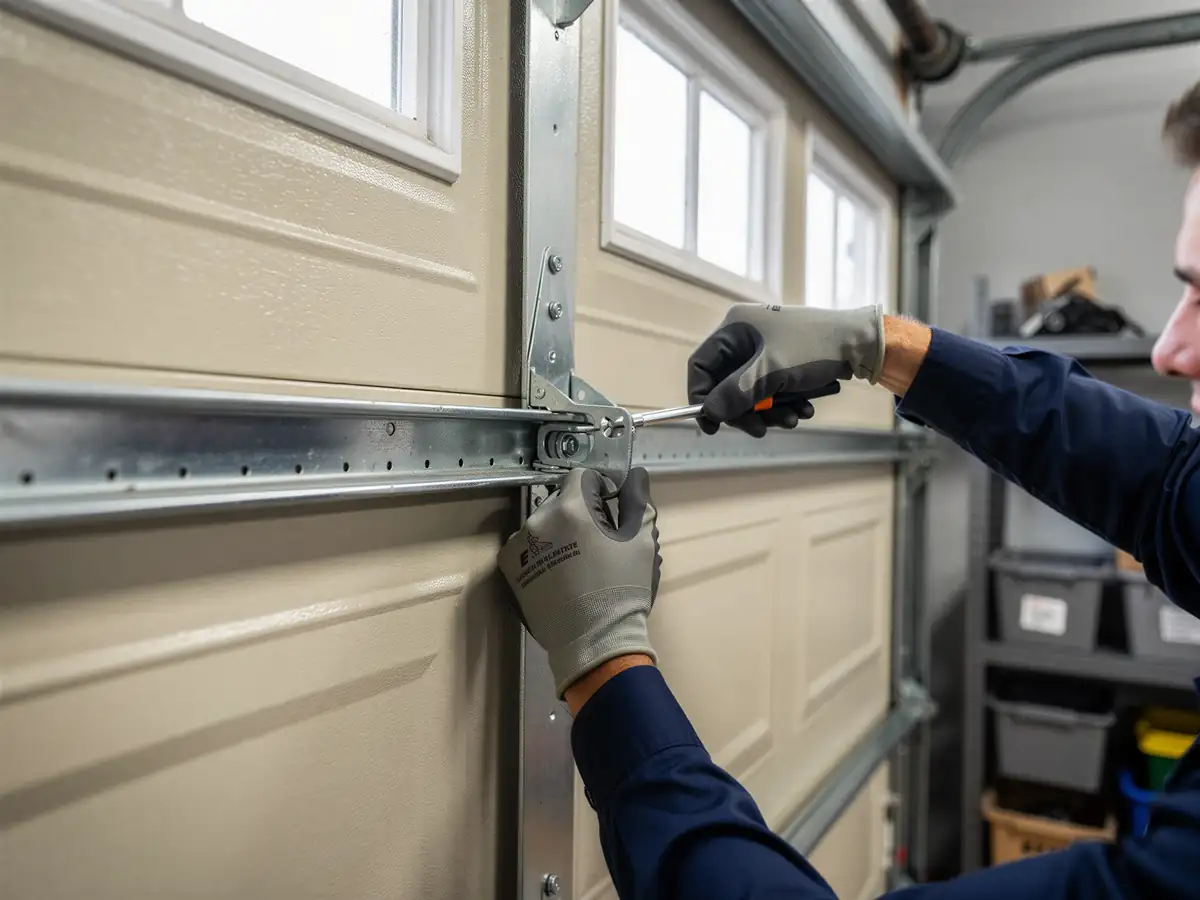
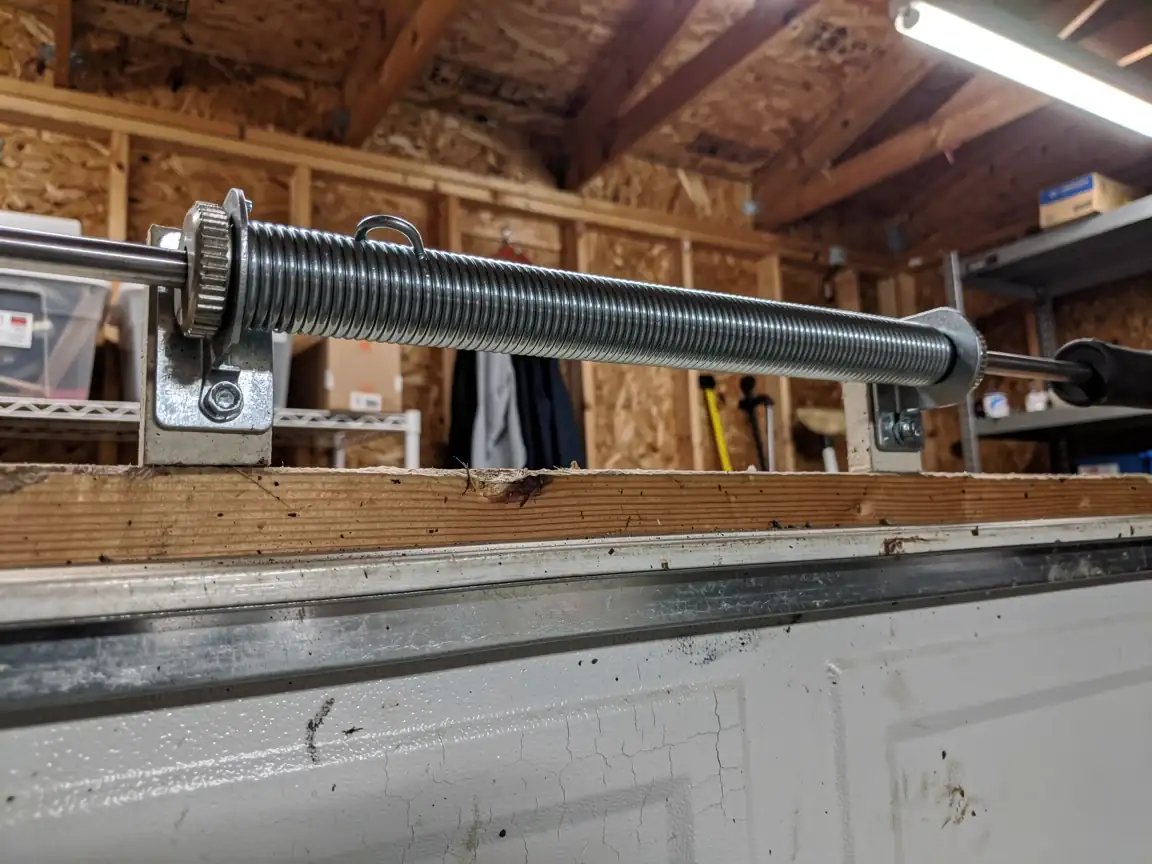
Spring replacement means matching wire gauge and wind direction to the door's weight - on the older end of the area's housing stock, built back to 1953, that often means a spring size nobody stocks on the truck as a default, so we carry a range rather than one spec. Cable work means unwinding the drum under tension safely, not just swapping the frayed cable. Track and roller repair means checking whether the track itself bent in the fall, because a straightened track that's actually cracked will fail again within weeks.
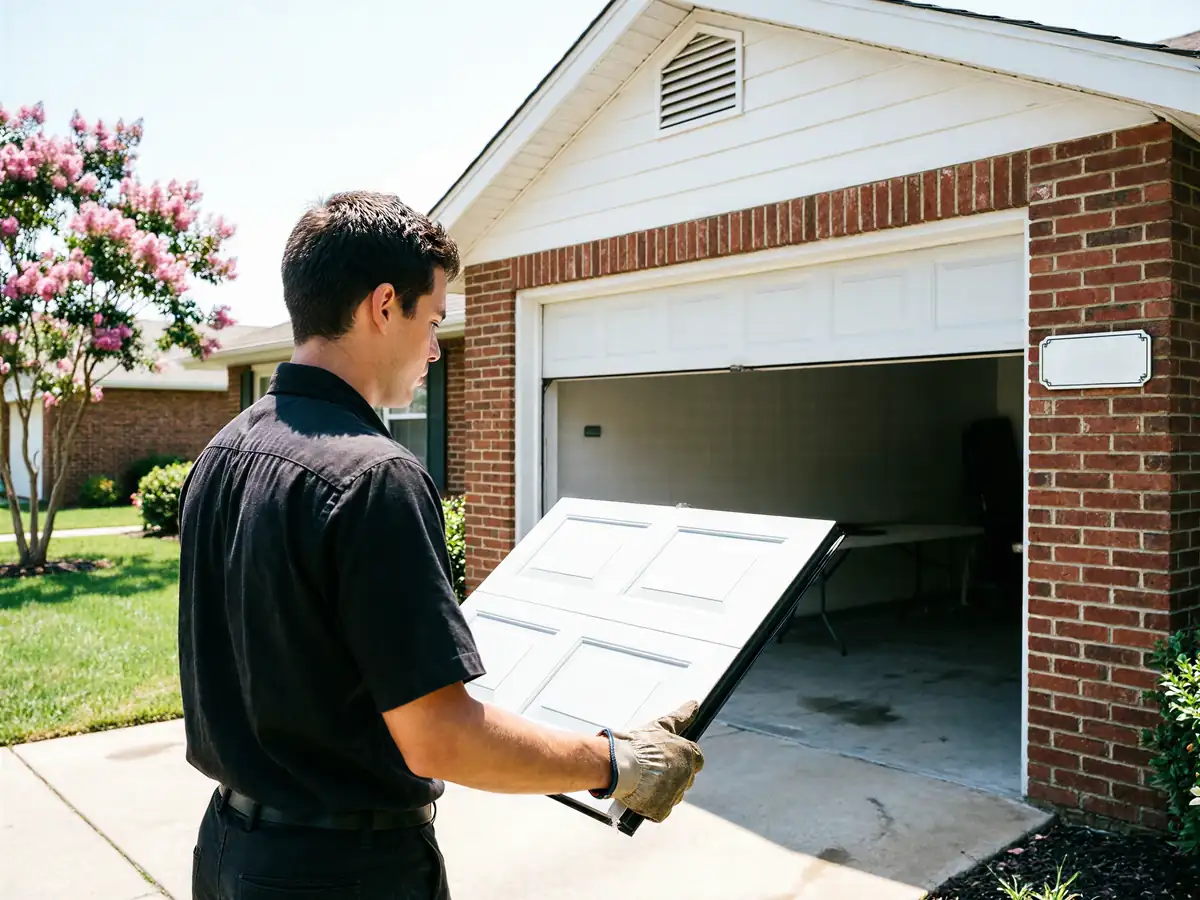
We don't replace a full door system on an emergency call unless the door is structurally gone - bent panels, a snapped top section, or hardware torn out of rotted jamb wood. If replacement is the right call, that's a separate conversation and a separate appointment, not something we push mid-repair.
Why It Happens Here
The service area's housing runs 1953 through 2010
With the median build year at 1991 and most of the 24 named areas we cover sitting in that 1980s-90s band. That matters for one simple reason: spring life is measured in cycles, not years, and a door installed in the 90s has been through two to three decades of daily openings. Original torsion springs on houses from that era are past due, and a lot of owners don't think about the spring until it lets go.
The climate band here is moderate heat, not extreme
So we don't see the summer-driven steel fatigue that shows up in hotter climate zones. What we do see is garages that sit closed and heated unevenly by a car's engine heat cycling in and out, which dries out lubrication on cables and rollers faster than owners expect. Combine a 30-year-old spring with dry rollers and a cable that's been quietly fraying, and the failure point is often all three at once, not one clean break.
Household income here runs a median of $90,970
Which tends to mean two-car households putting real daily cycles through these doors rather than a door that sits idle most of the week.
How It Shows Up
The classic emergency call is a loud bang followed by a door that won't move - that's almost always a torsion spring letting go, and it happens without warning because the spring doesn't show wear from the outside. A door that opens a few inches and stops, or reverses right back down, usually points to the opener's travel limits or a failing cable rather than the spring.
A door hanging crooked, lower on one side than the other, means a cable has snapped or a spring on a two-spring system has broken while its partner is still holding. Don't run the opener in that state - it strains the remaining hardware and can bend the track.
Grinding or a door that's noticeably slower than it used to be, sometimes for days before it fails outright, is usually a roller or bearing issue building toward a full stop. Owners in older sections of the service area - the end of that 1953-2010 range - report this most often, since original rollers on nylon or steel were never meant to last as long as the door itself.