What Local Conditions Do
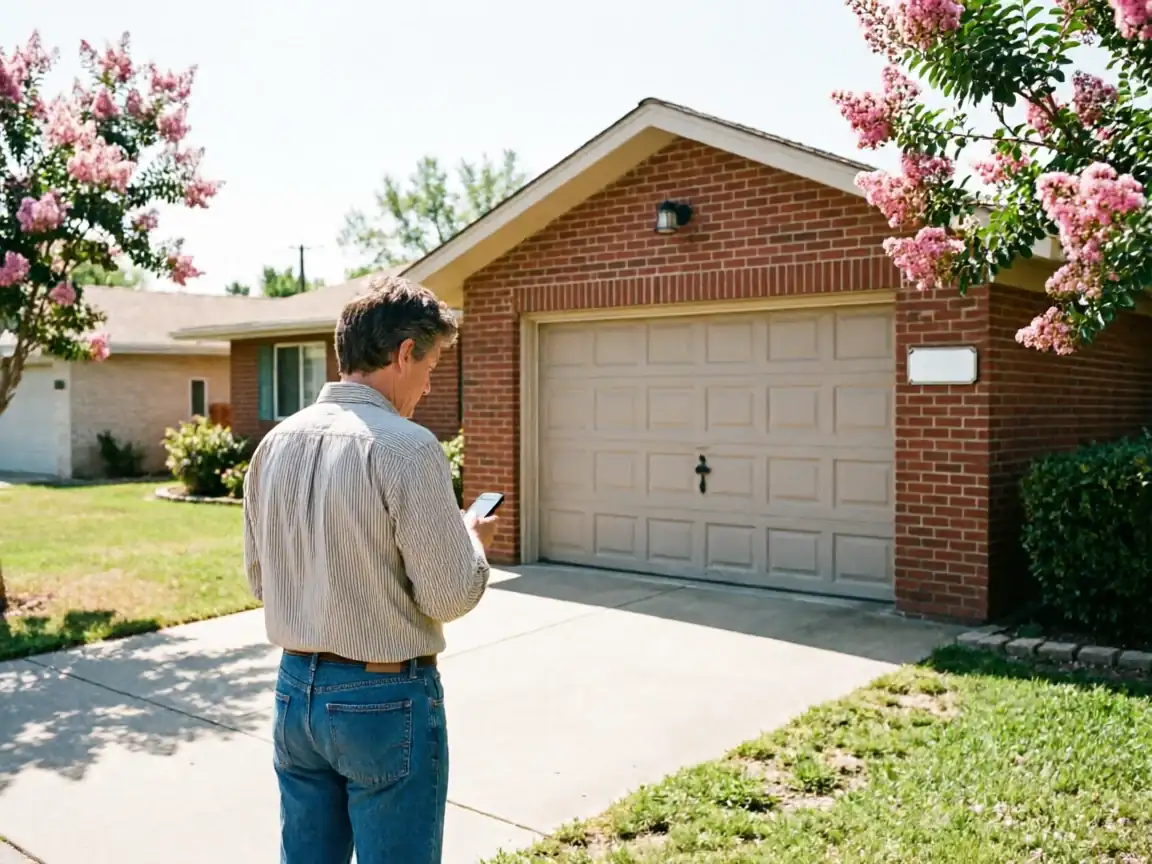
Azle's housing runs from 1953 up through 2010, with the bulk of it going up in the 1980s and 90s. That range matters more than people think. A door on a house built in 1986 is running original hardware that was fine for its era but wasn't built with today's insulation standards or opener electronics in mind. A service call on that house starts with figuring out what's actually original and what's been swapped out over thirty-plus years of ownership changes.
The climate band here is moderate heat, not desert-extreme, which is good news for the metal - you don't get the same expansion and contraction cycling that destroys hardware in hotter regions. But moderate heat still means summer afternoons that work springs and openers harder than a mild spring day does. A call in July looks different from a call in January, even on the same door, because the metal and the lubricant behave differently under load.
With 19,518 owner-occupied houses across the area and a median household income of $90,970, we see a wide mix of maintenance histories - some doors babied, some never touched since install. A service call has to account for that spread rather than assume one standard condition.
Leaving It Alone
Not every noise or stiff spot needs a truck. If a door from the 1990s-era stock is a little loud but moving smoothly, lubricating the rollers and hinges yourself buys real time - these systems were built to last decades, and most of that 1953-2010 housing still has doors on their original tracks doing fine.
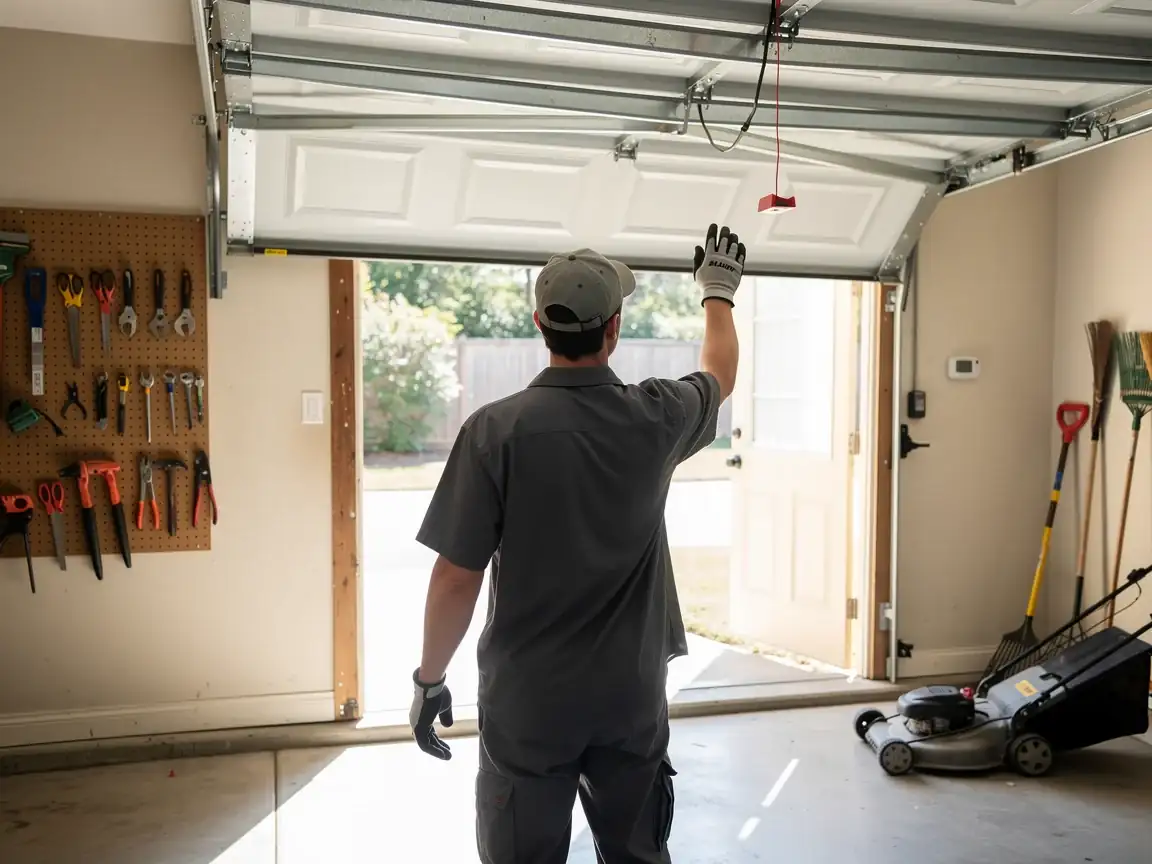
Here's the honest limit: we don't make service calls to fix something a can of white lithium grease and five minutes would solve. If your door opens evenly, closes all the way, and the opener doesn't strain or reverse on its own, you likely don't need us yet. Save the call for when something actually changes - a new sound, a new hesitation, a cable that looks frayed.
When to Call Someone
A door built in the median year of 1991 is now over three decades old
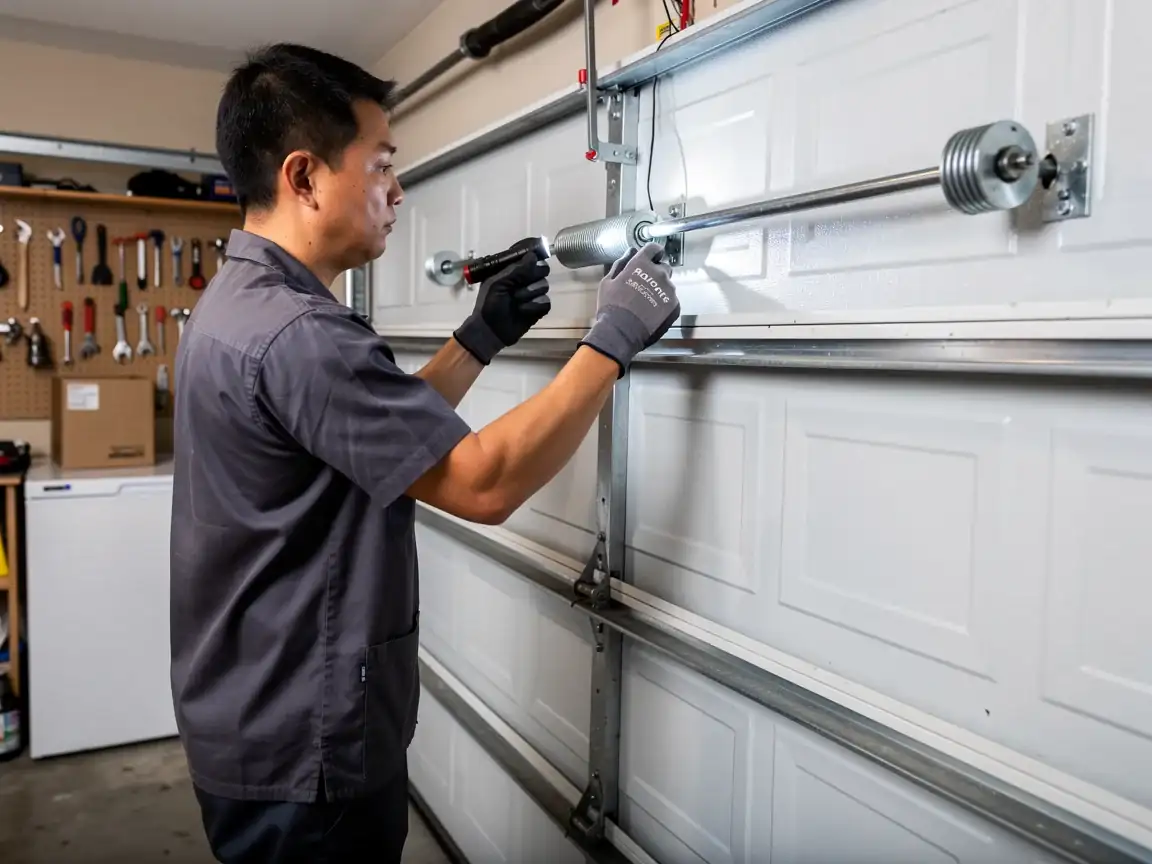
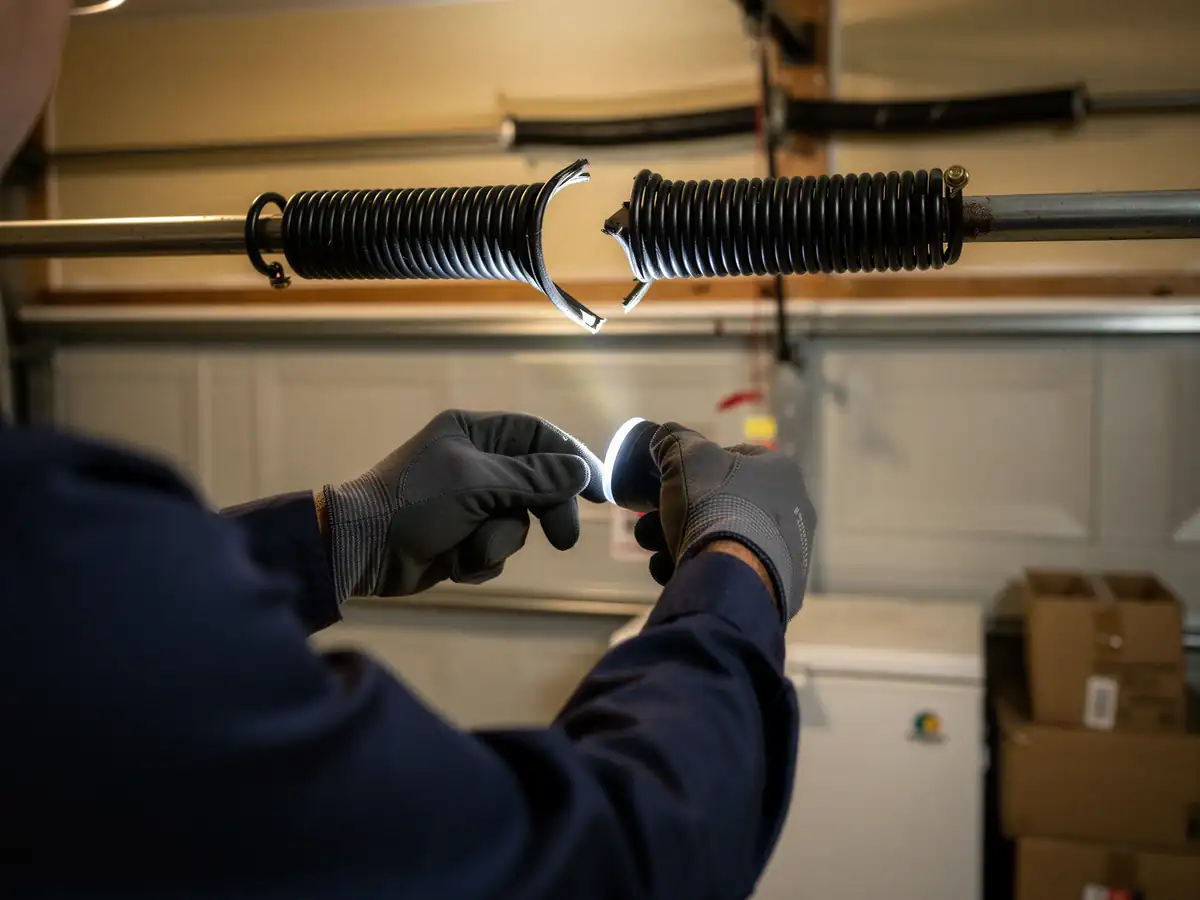
And springs in that range are well past any reasonable service life even if they look fine. If your house falls into that 1980s-90s block that makes up most of the local stock, and nobody's touched the springs, that's worth a call before they fail - not after.
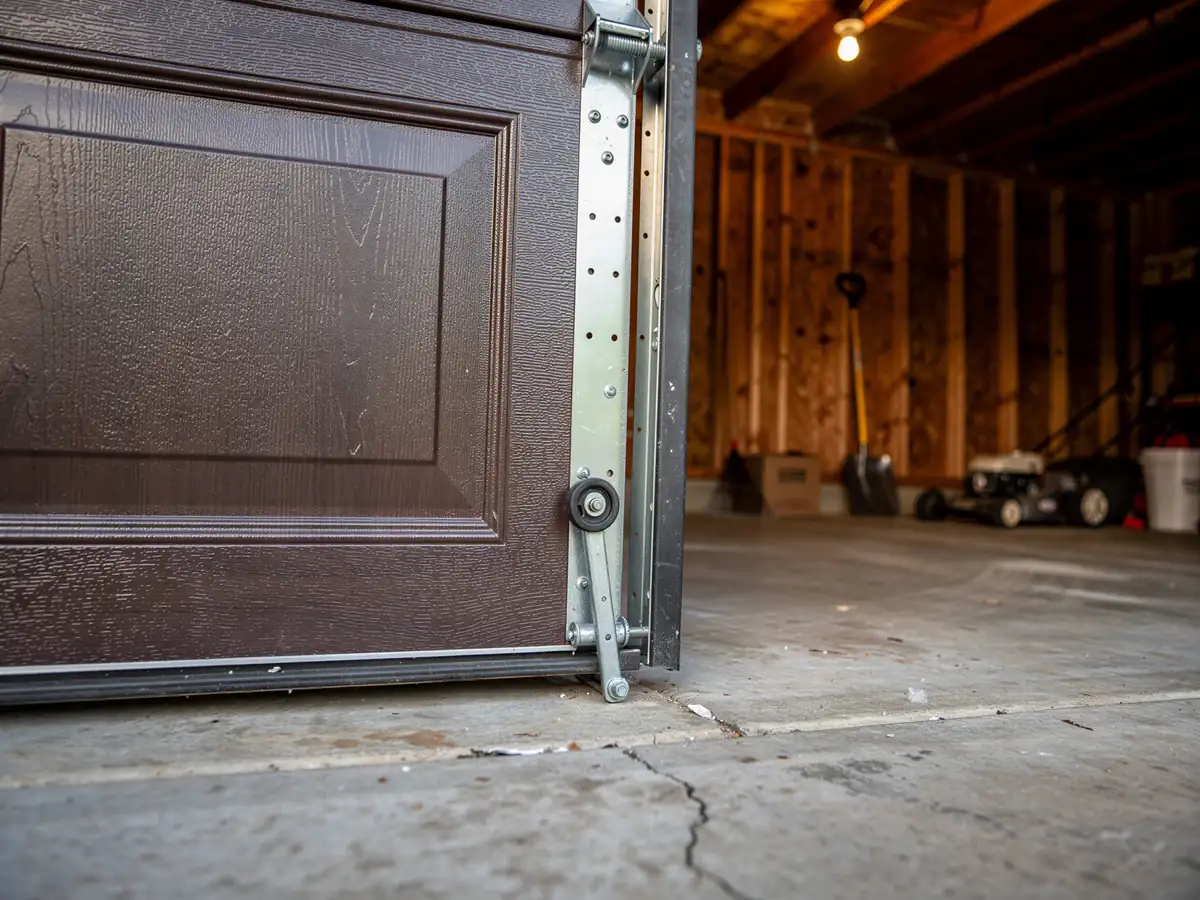
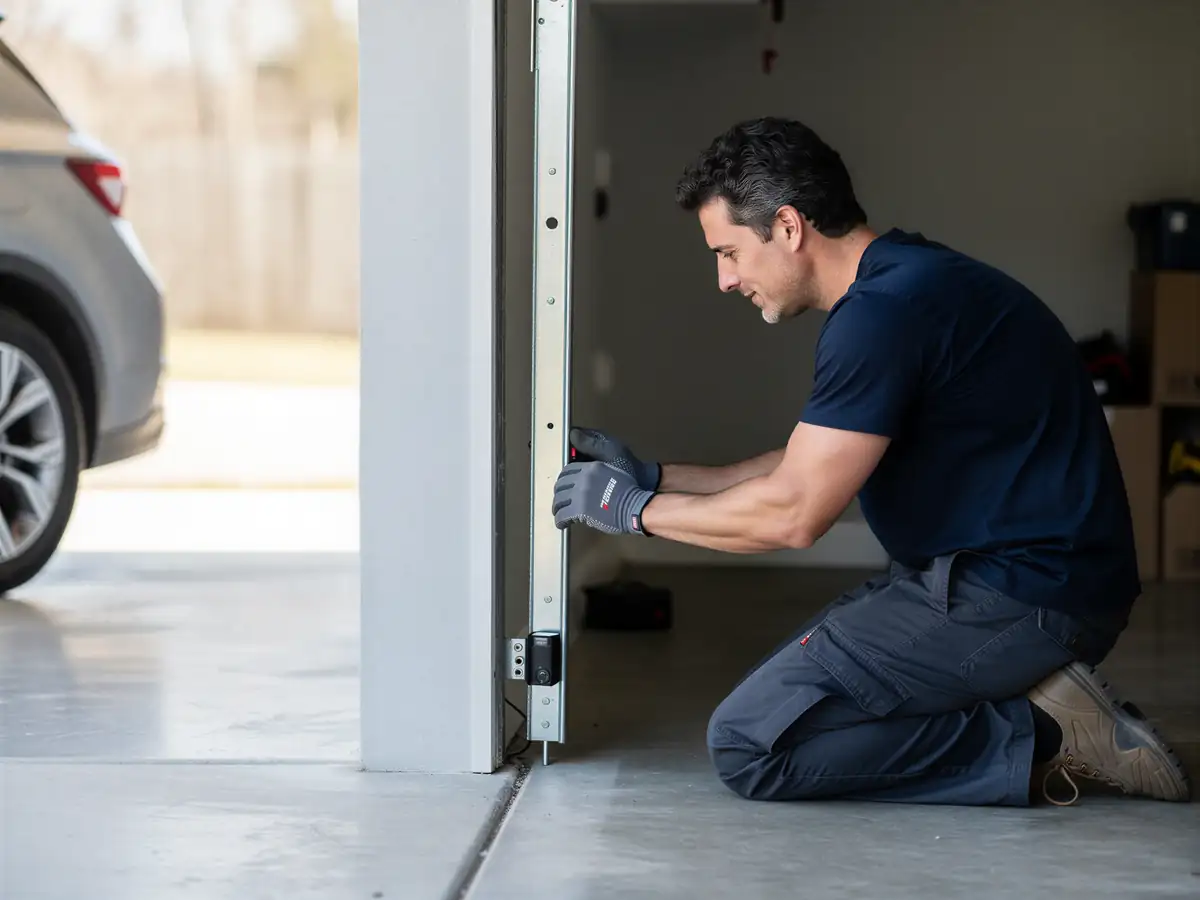
Call when the door reverses on its own, when one side visibly sags lower than the other
When the opener runs but the door doesn't move, or when a spring has visibly separated. Those aren't maintenance items anymore; they're safety items. With moderate heat rather than extreme cold cycling here, we don't see the same brittle-metal failures some regions get, but age and use cycles still wear springs and cables down regardless of climate.
The Situation
Across the roughly 31,213 households in this service area, the real pattern is houses built decades ago carrying original or first-replacement hardware that's now reaching the end of its practical life. That's not a scare line - it's what 1953-2010 construction with a 1991 median actually produces by now.
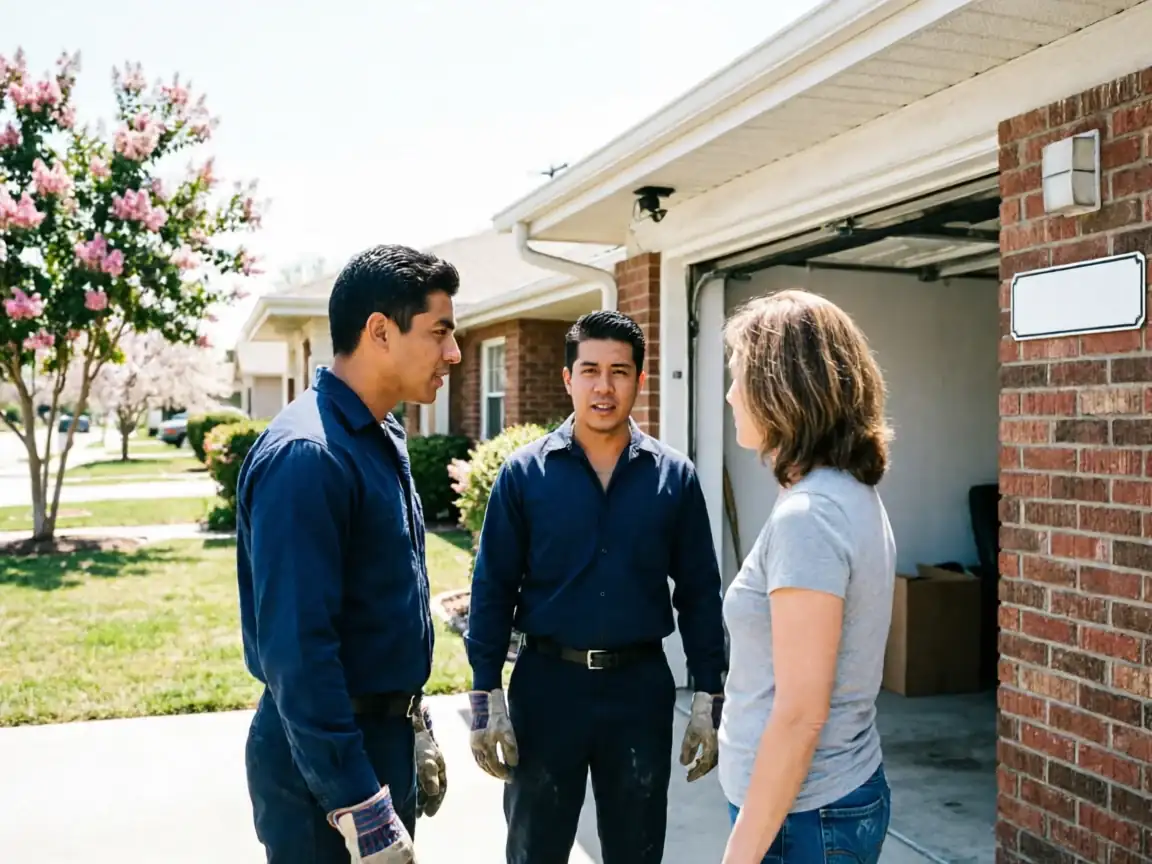
A service call here usually starts with us asking how old the door and opener are, because the answer tells us most of what we need before we even open the panel. We can't guess at a job sight unseen, and we won't quote a repair before seeing the actual spring, track, or opener in front of us - too much depends on what three decades did to that specific setup.