What Local Conditions Do
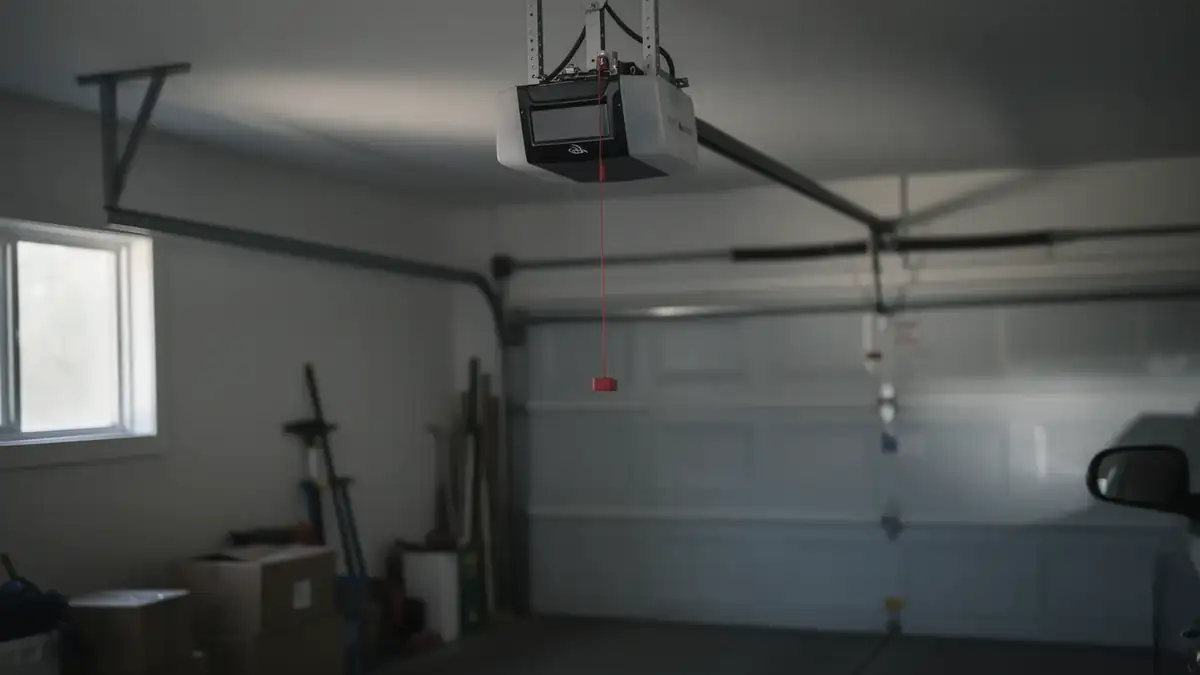
Most houses around Azle went up between 1953 and 2010, with the median build year sitting at 1991. That matters for openers because a chunk of the stock, especially the 1980s and 90s run that fills out the 24 named areas in this service territory, still carries first- or second-generation chain-drive units. Those openers were never built with battery backup in mind, since that feature didn't become common until later production runs.
Azle sits in a moderate heat band, not an extreme one, but moderate heat still means motors sitting in an attached garage spend long stretches of the year above the temperature range the circuit boards were rated for when they were new. A board that's been baking for fifteen summers doesn't fail dramatically. It fails quietly, usually right when a power cut flips it off and it won't come back cleanly on restart.
That's the pattern worth understanding before anything else: this isn't a brand problem or a one-bad-unit problem. It's an age-of-housing-stock problem meeting a climate that slowly cooks electronics. An opener installed in a 1991-built house is now old enough that a hard power cut is a real test it may not pass.
Leaving It Alone
Ignoring a glitchy opener after a power cut is the most common mistake we see. The door looks fine. It opens, it closes, maybe a little slower or with a hum that wasn't there before. People leave it because the car still gets in and out.
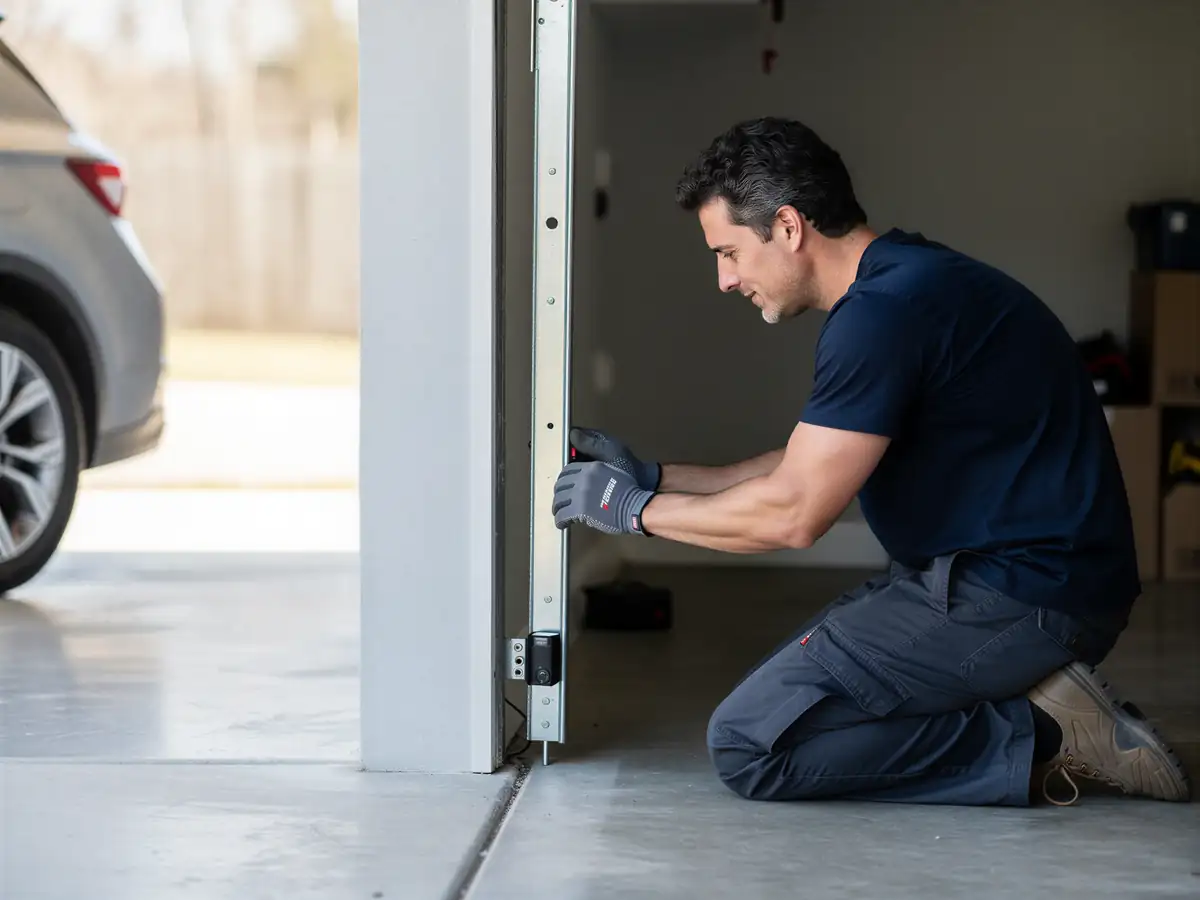
The risk is that an opener degraded by heat cycling and an abrupt power loss doesn't usually fail all at once. It fails piece by piece: the safety reversal sensors stop responding first, often before anything visibly wrong happens at the panel. A door that doesn't reverse when it meets resistance is not a minor inconvenience, it's the one failure mode that actually hurts someone.
There's also a cost argument. A board or logic unit that's marginal after one outage is more likely to go fully dead on the next one, and parts availability for openers from houses built in the 1980s and early 90s is thinner than for current models. Waiting until it quits outright, instead of addressing the warning signs after the first cut, usually turns a part swap into a full opener replacement.
When to Call Someone
Call if the opener needed more than one try to respond after power came back on
If the remote works but the wall button doesn't (or the reverse), or if the door reverses before touching the floor. Those are electronics symptoms, not spring or track symptoms, and they point straight at age and heat stress on the control board.
Also call if you're resetting the opener's travel limits more than once a season
A unit that won't hold its settings through a normal outage is telling you its memory chip is on the way out.
We won't try to talk you into a repair on an opener old enough to match the house if it's original to a build from the earlier end of that 1953-2010 range
At some point a replacement with proper battery backup costs about the same as chasing intermittent board failures twice a year, and it solves the power-cut problem permanently instead of temporarily.
The Situation
Azle's housing stock runs from 1953 up through 2010, with most of it concentrated in that 1980s-90s band across the 24 named areas that make up this service area, and that spread shows up directly in the opener calls we take. Across the roughly 31,213 households and 19,518 owner-occupied houses in the territory, the age of the opener tracks pretty closely with the age of the house it's bolted to.
Median household income here runs $90,970, which is relevant mainly in how people decide to handle an aging opener: most owners in this range choose to replace rather than keep patching a unit from the 90s once it's shown two or three outage-related failures.
We work the area out to towns like Reno, four miles off, and Lakeside and Pecan Acres around six miles, with the territory reaching as far as Roanoke and Paradise near twenty. The farther edges of that range, Boyd, Rhome, New Fairview, sit closer to the newer end of the housing timeline, so the mix of opener ages shifts the farther out you go.