How It Shows Up
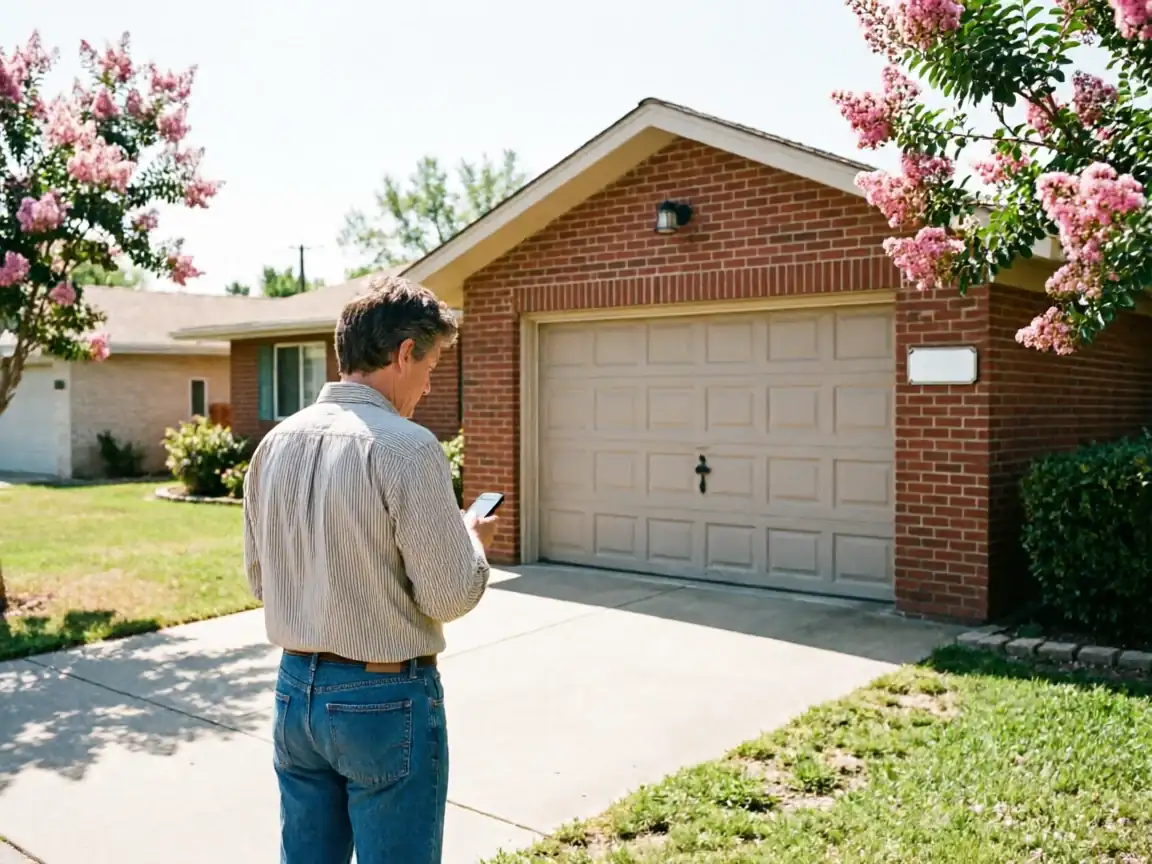
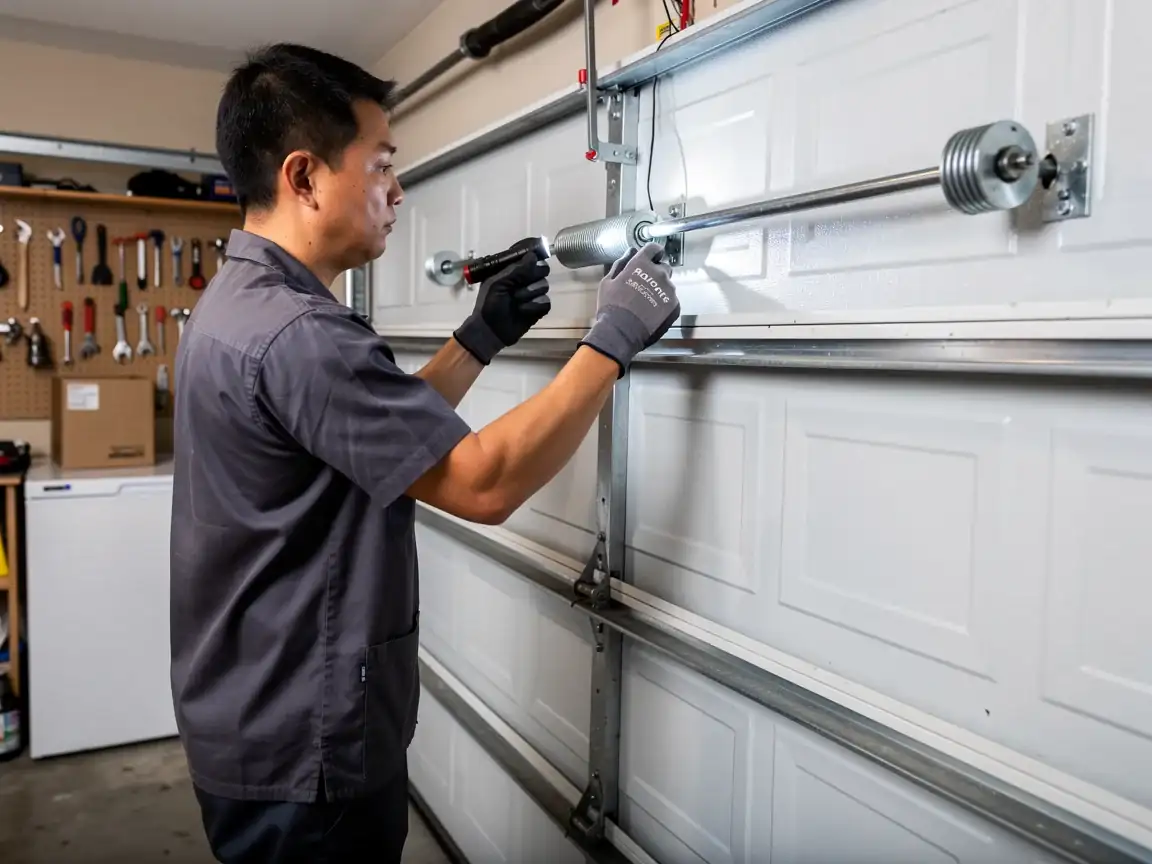
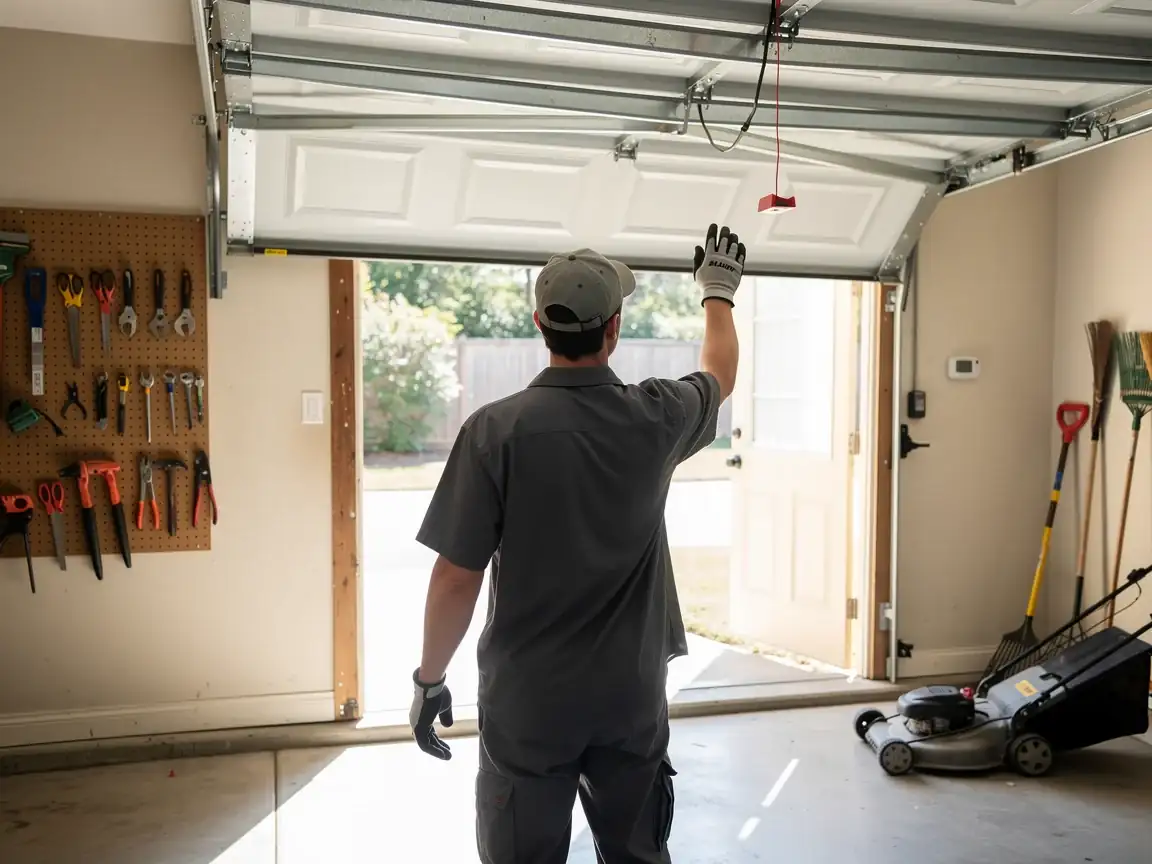
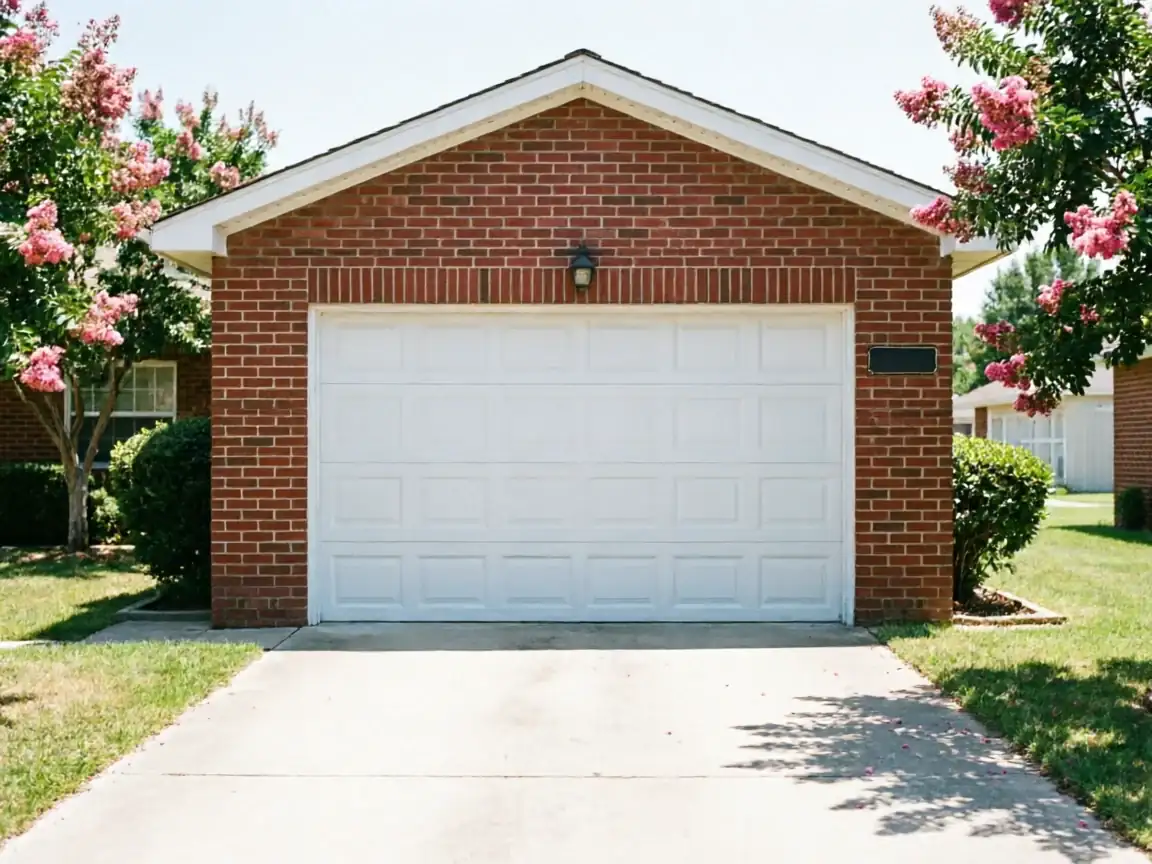
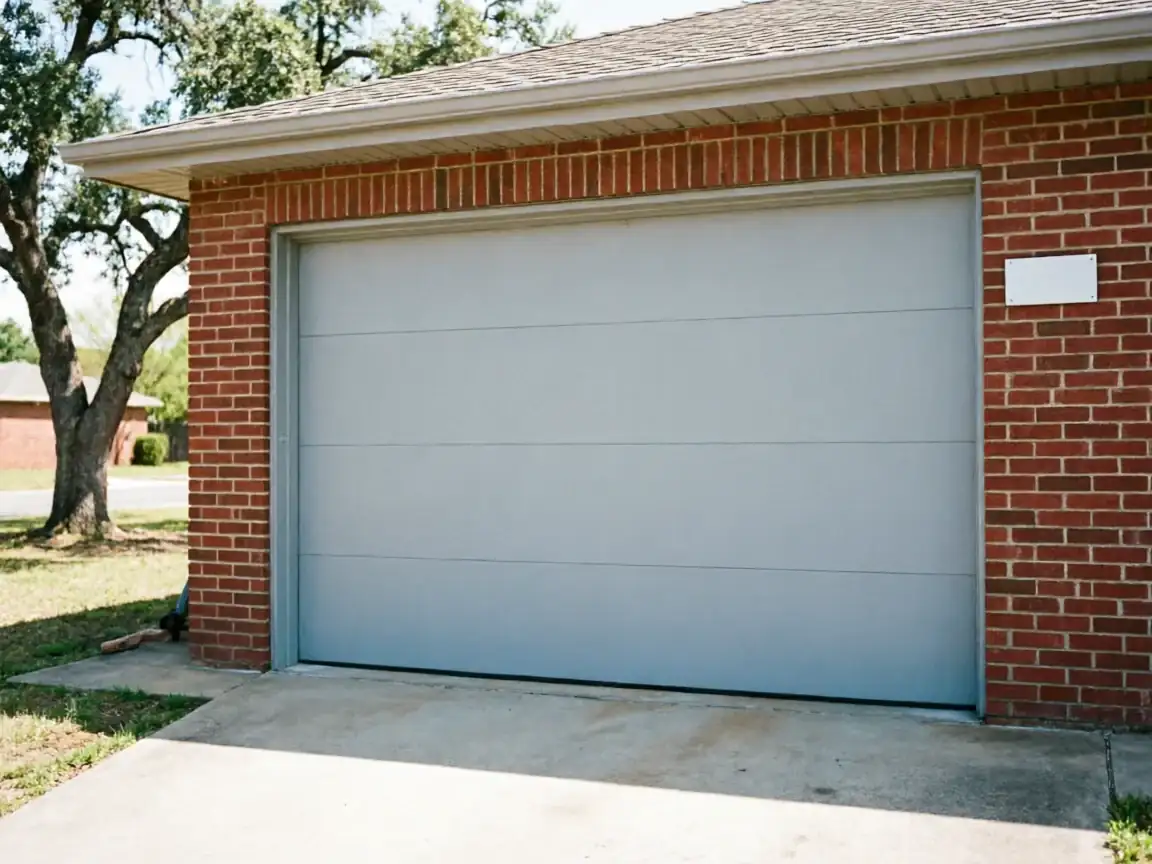
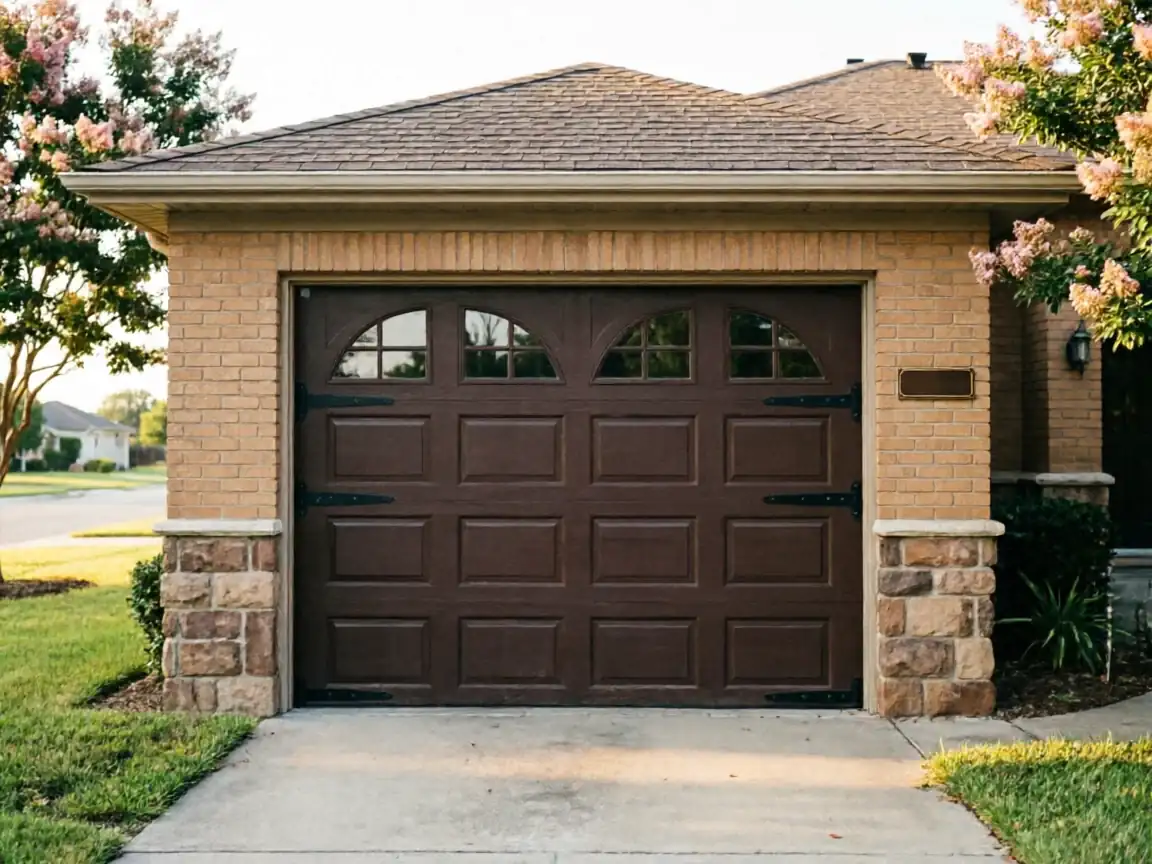
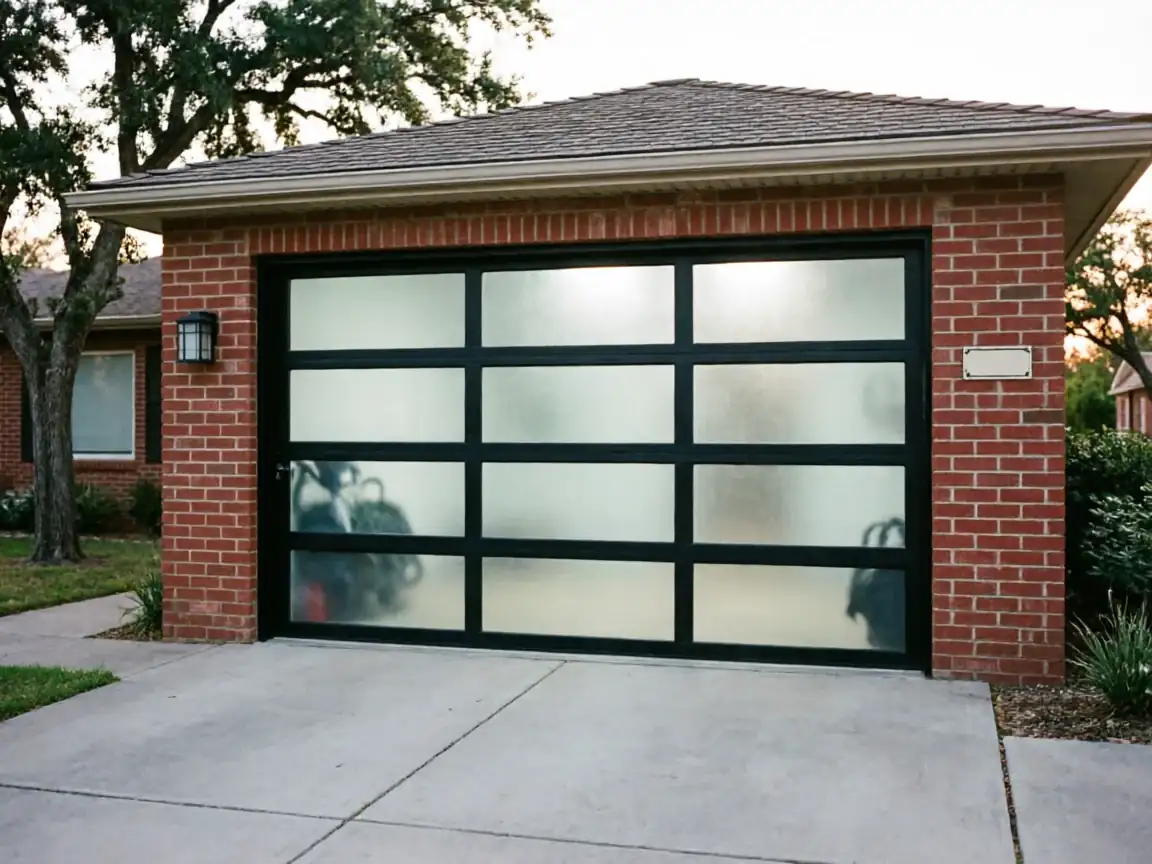
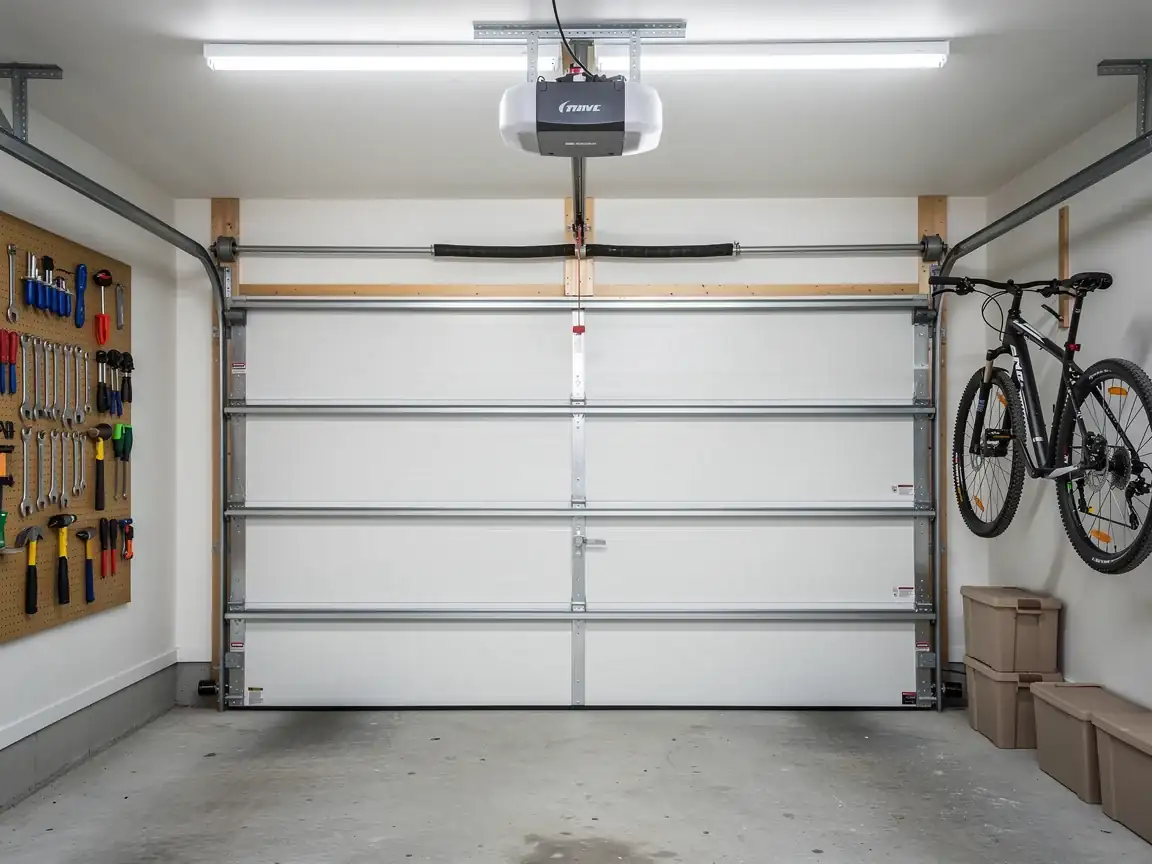
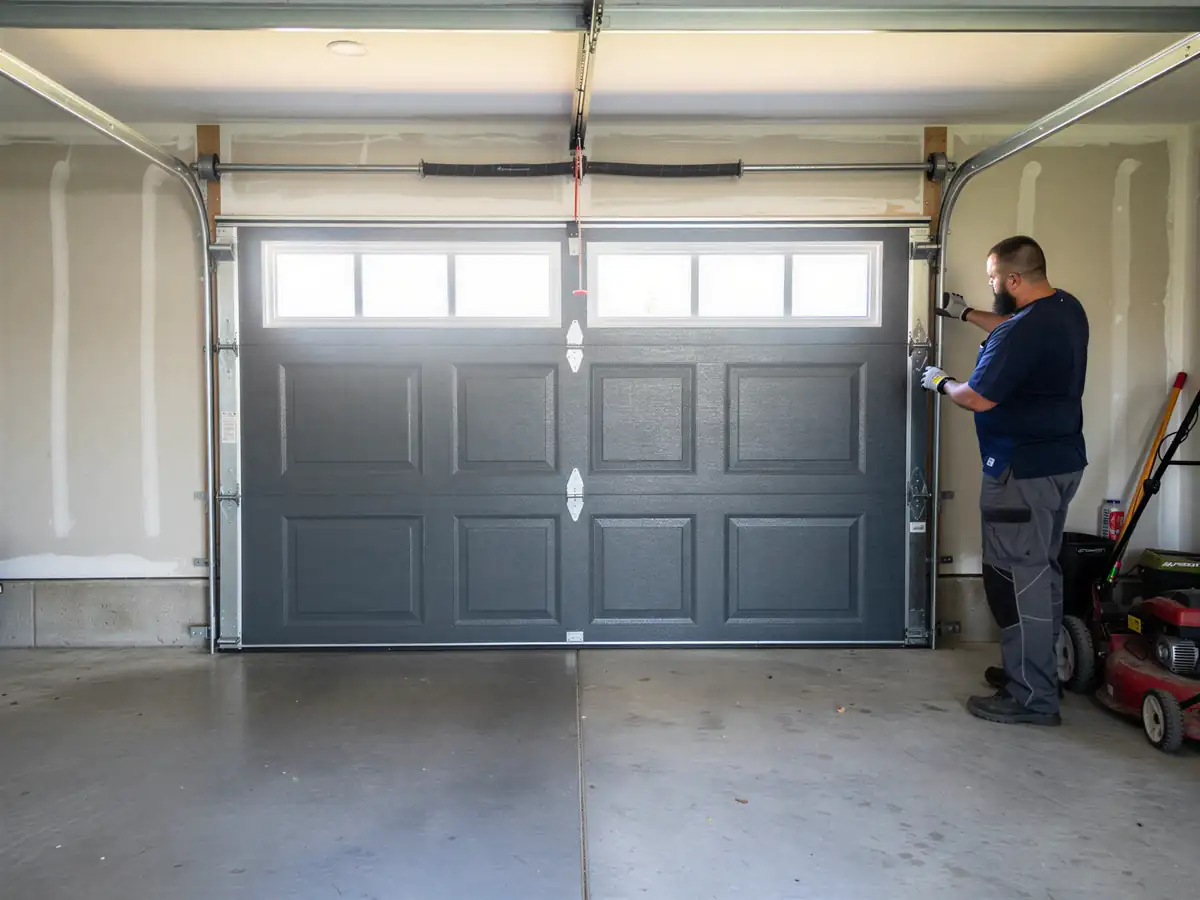
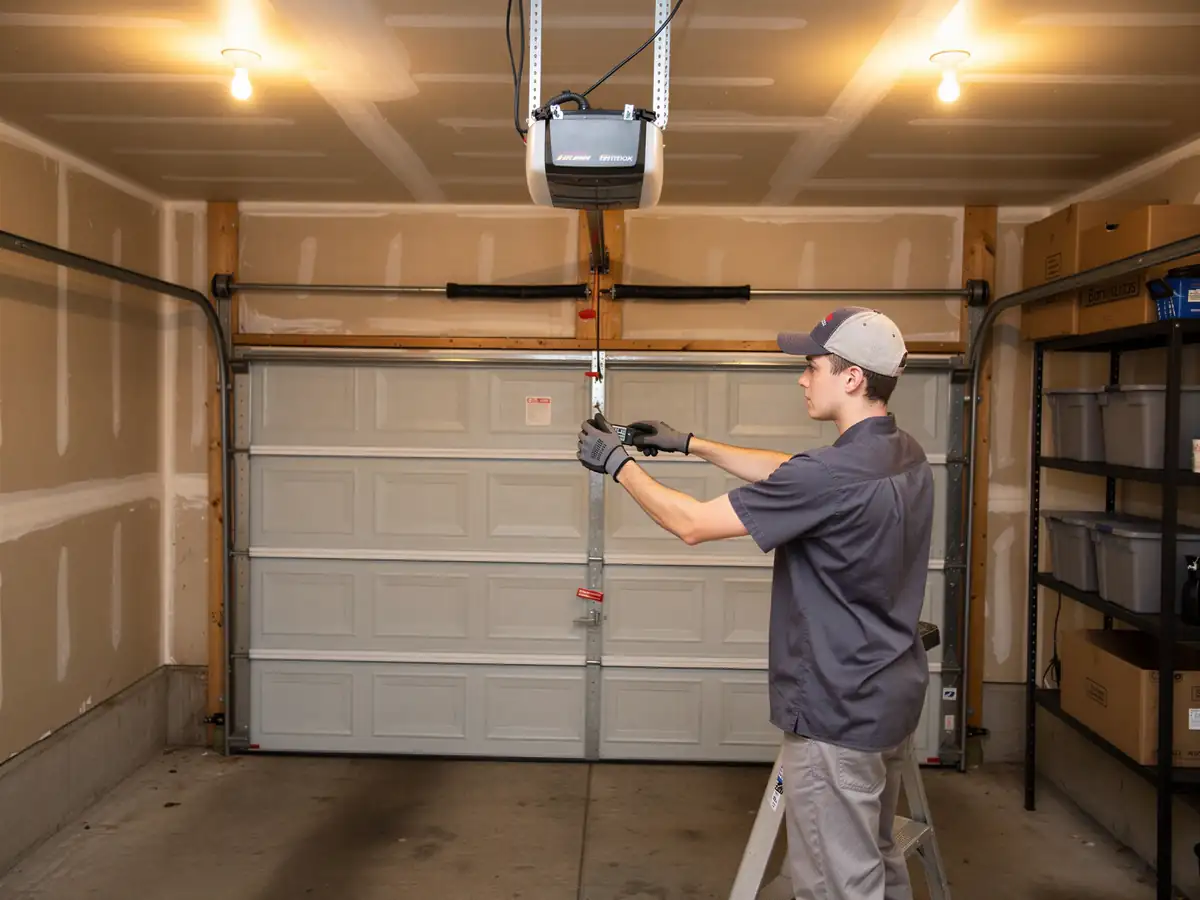
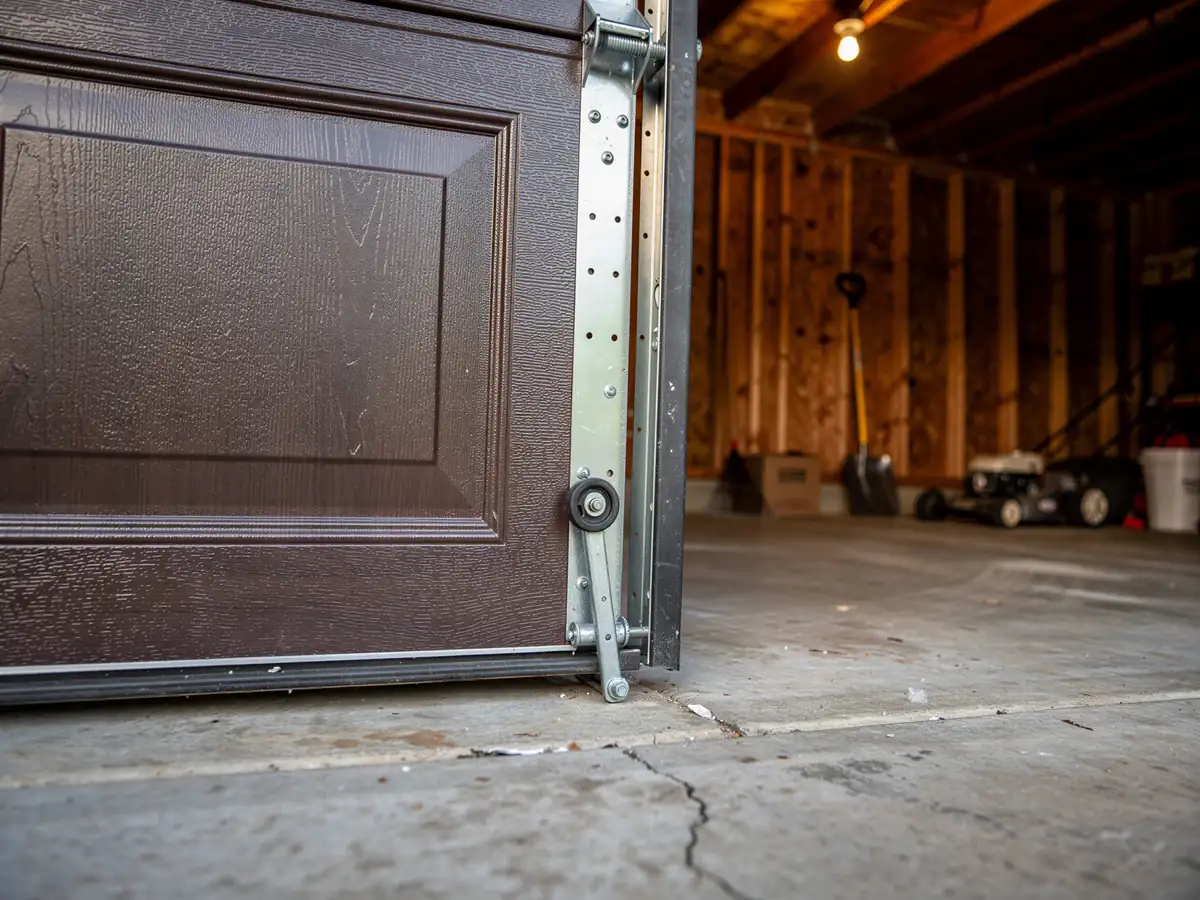
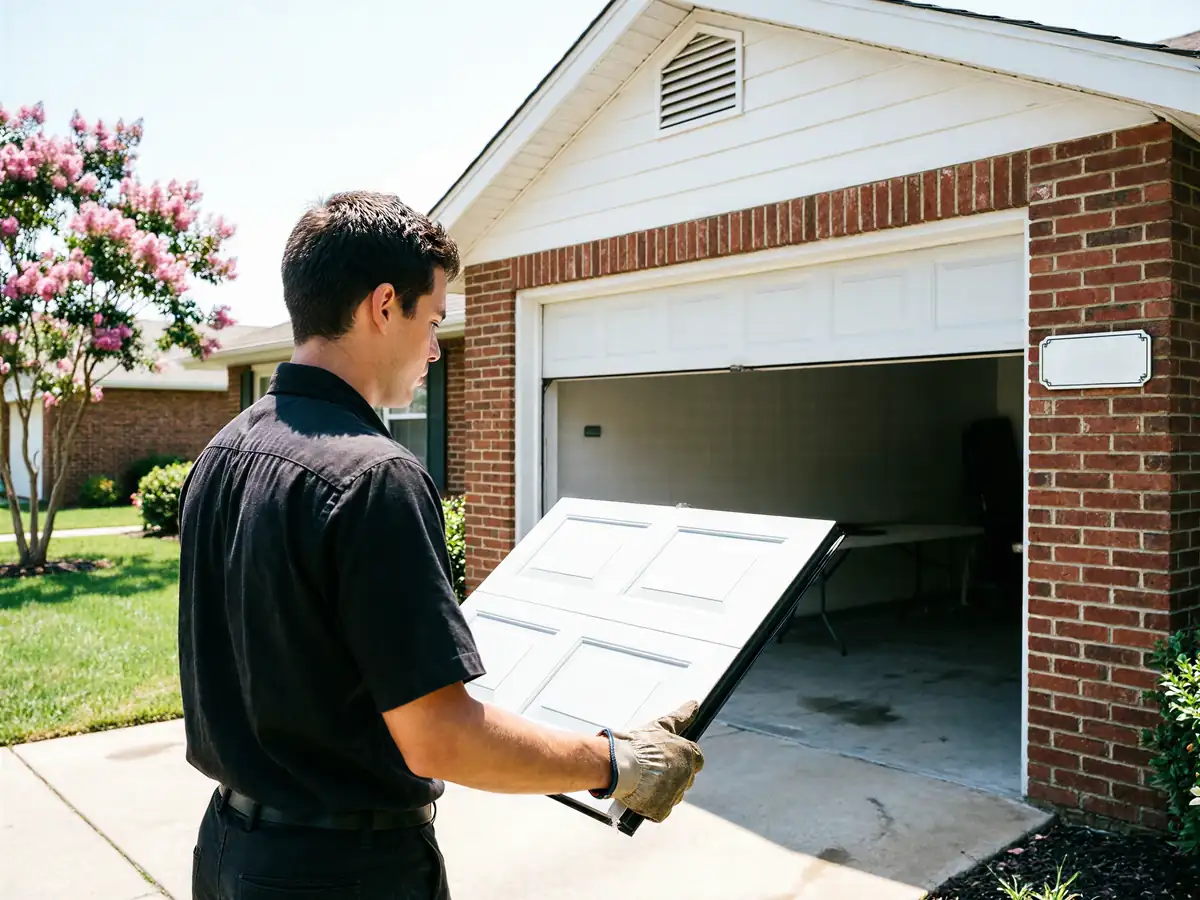
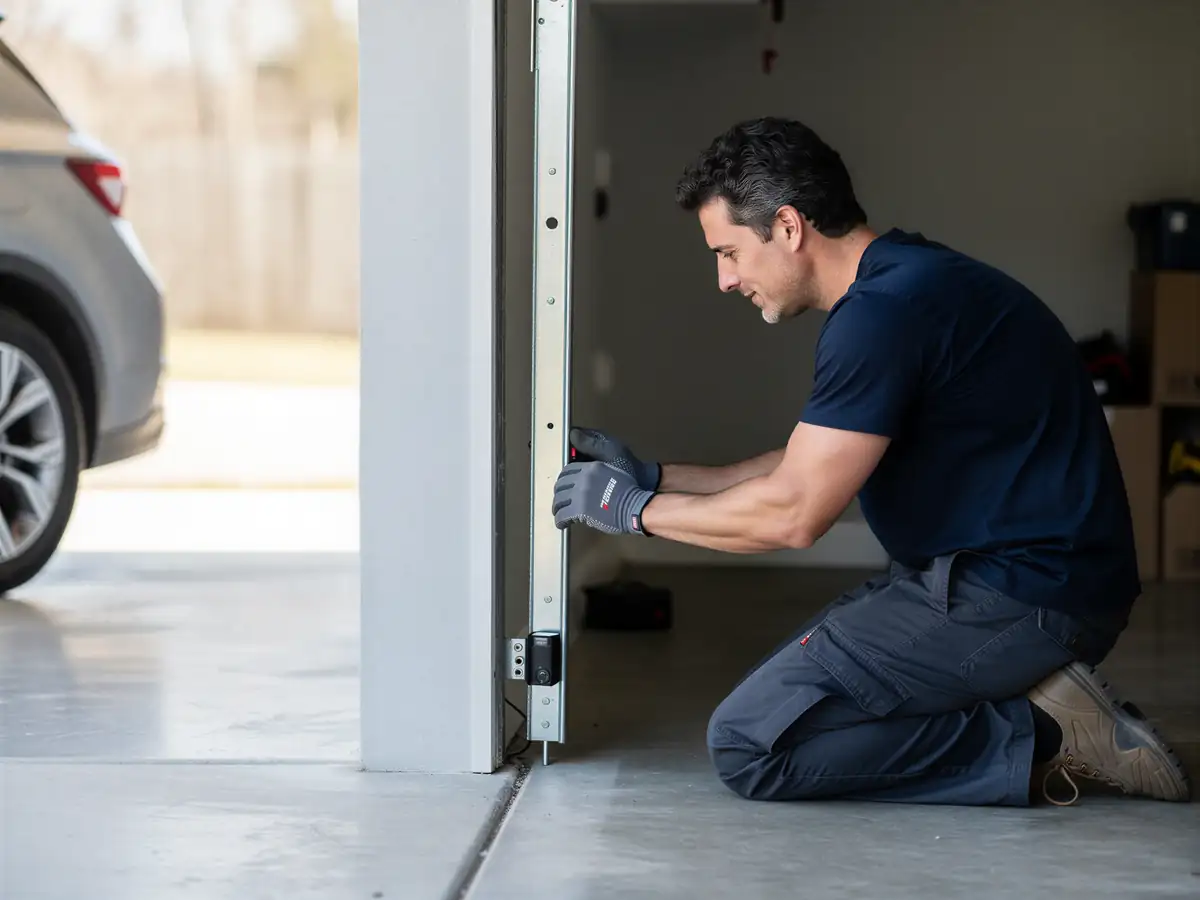
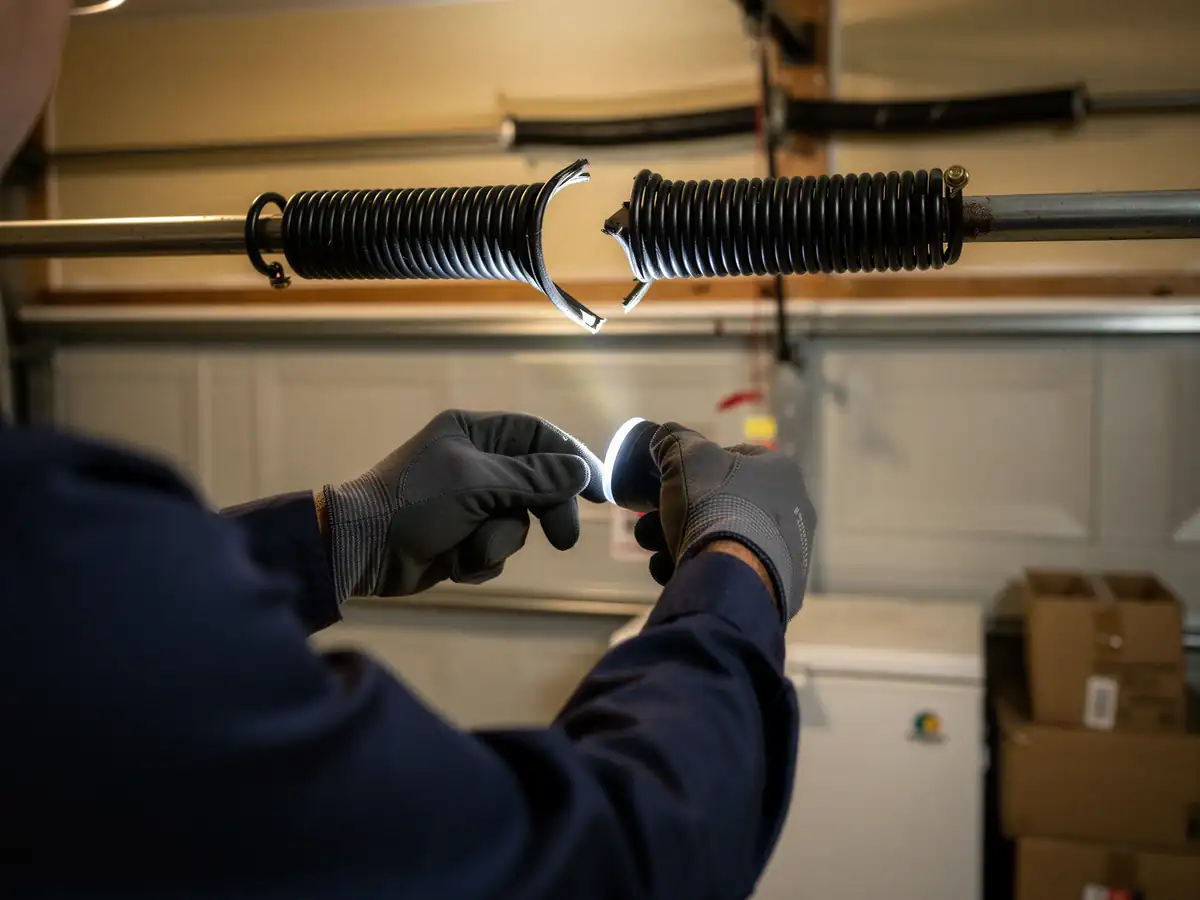
Most of Briar's roughly 2,182 households sit in houses built around 1989, which puts the original door and opener right in that late-80s steel sectional, chain-drive era. That hardware shows its age in predictable ways: the door feels heavier than it should when you lift it by hand, the torsion spring groans or bangs on the way up, and the chain-drive opener grinds before it catches. On a double door, you'll often see one side sag a half inch lower than the other, a sign the spring on that side has lost tension. Rollers that started as nylon back then are usually cracked or flat-spotted by now, which you can hear as a rhythmic thump as the door travels the track. Cables fraying at the bottom bracket is another one we see on doors this age, especially if nobody's touched the hardware since it went in. None of this is unusual for a house pushing 35 years old. It's just the schedule the hardware runs on, and in Briar that schedule lines up with houses built the same year as most of the neighborhood around them.
Why It Happens Here
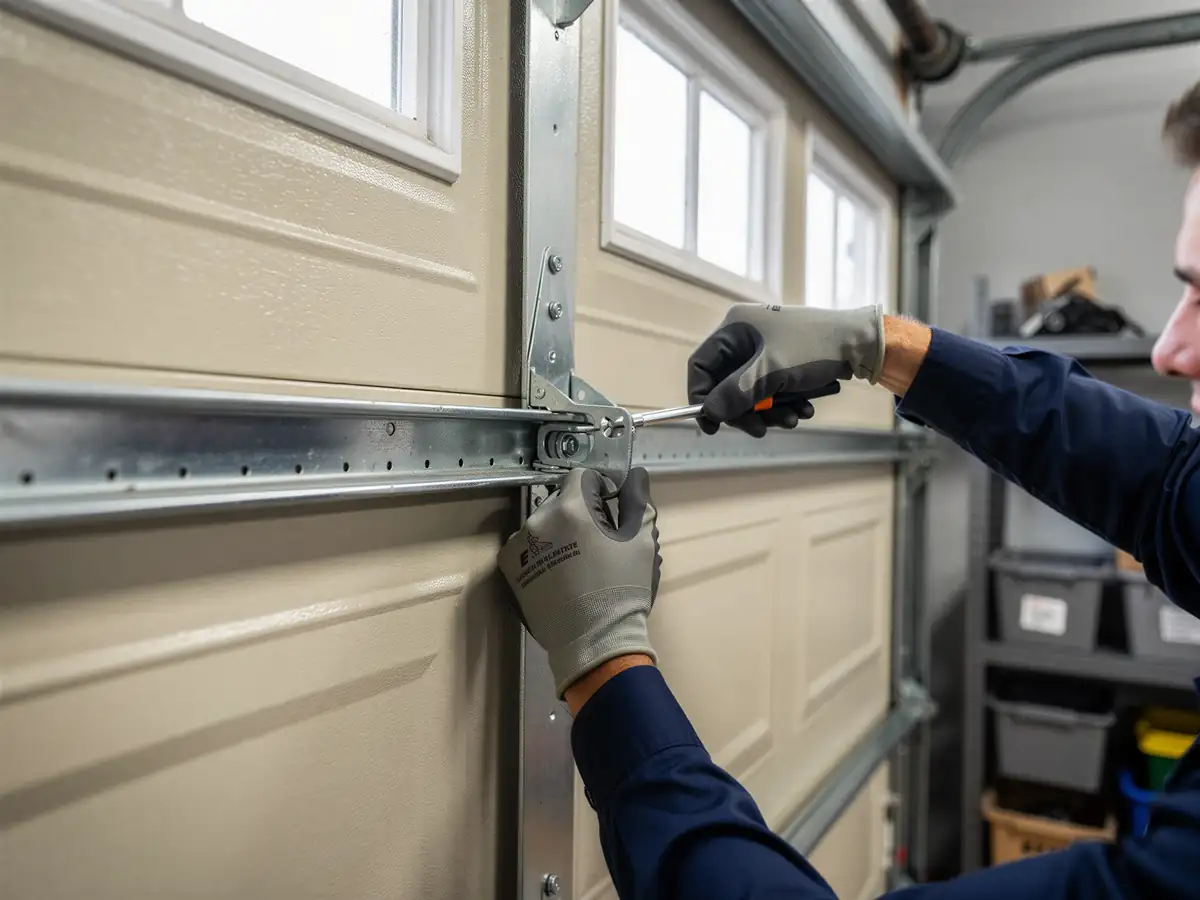
A house built in 1989 in Briar is old enough that its original torsion spring has likely outlived its rated cycle count, whether or not it's ever snapped. Springs are rated for a number of open-close cycles, not years, but 35 years of daily use gets most of them there regardless. The climate band here runs moderate on heat, which means the bigger stress on these doors isn't freeze-thaw cracking like you'd see further north - it's UV and heat cycling on rubber seals and plastic rollers, which dry out and crack rather than split from cold. Galvanized track from that era holds up fine structurally, but after three decades the mounting brackets can work loose from repeated vibration, especially on a door that's sagging unevenly on a weak spring. Because so much of Briar went up in the same few years, we see the same failure patterns show up house after house rather than a wide mix of eras and fixes.
The Cost of This Job
What drives the bill on a Briar repair isn't the drive out, it's what's actually wrong and what size the door is. A single torsion spring replacement on a one-car door costs less than a two-spring job on a double door, and if the drums or cables are worn too, that adds to it. An opener repair is usually cheaper than an opener replacement, but once a chain-drive unit from the late 1980s fails internally, repair often isn't worth it next to a new belt-drive unit that'll run quieter and need less attention for years. We don't carry a published price list because the honest answer depends on what we find when the door's open in front of us - spring size, track condition, whether the opener's salvageable. We'll give you a number before we start any work, not after.
Getting It Booked In
Since we run out of Azle, a Briar call gets scheduled onto a route rather than dispatched from a depot sitting a few blocks away. That means we ask for details up front - door size, single or double, what it's doing or not doing - so the truck that shows up has the right spring and roller sizes already on it instead of guessing. Given Briar's distance at nine miles, we build it into the day's route rather than treating it as a separate trip, which keeps the job moving once we're on site. We'll talk through timing when you call rather than promise a window we can't back up; it depends on what else is on the schedule that day. If the issue is a spring that's already snapped and the door won't open at all, say so when you call - that changes how we plan the stop.