How Long It Takes
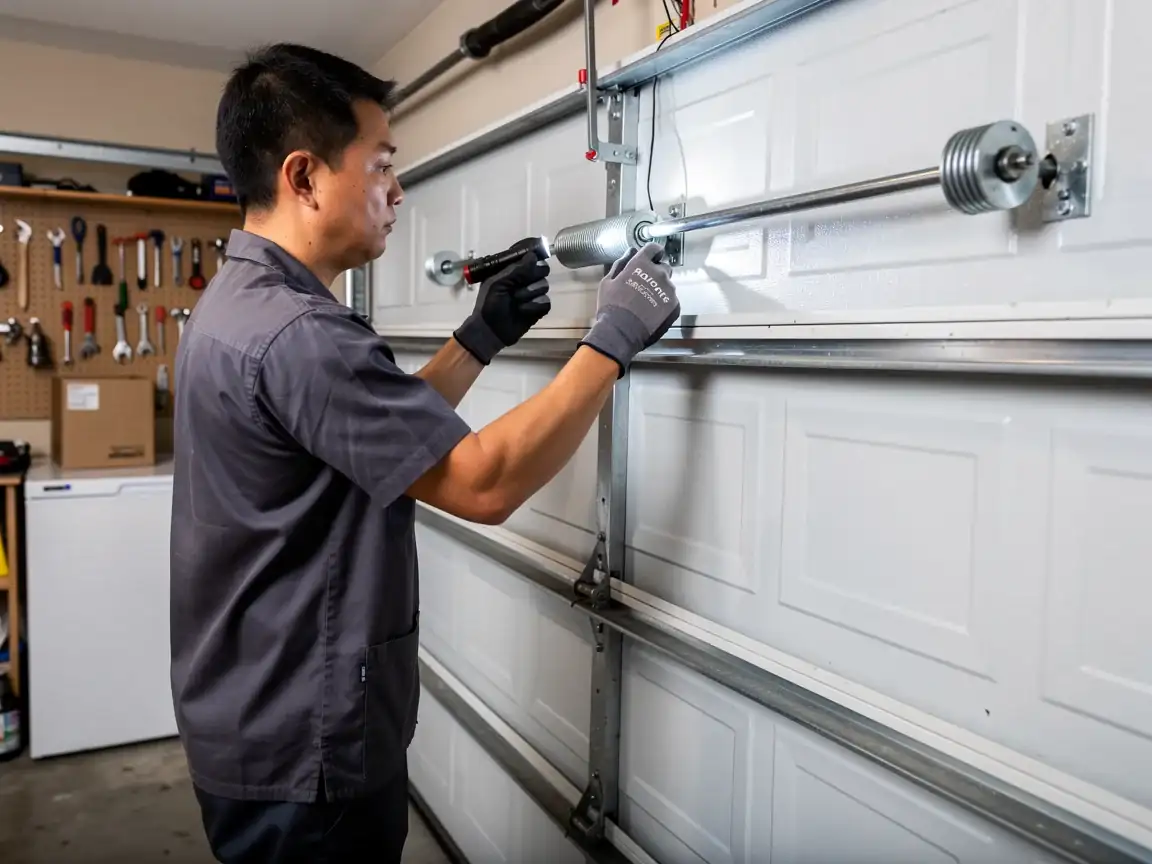
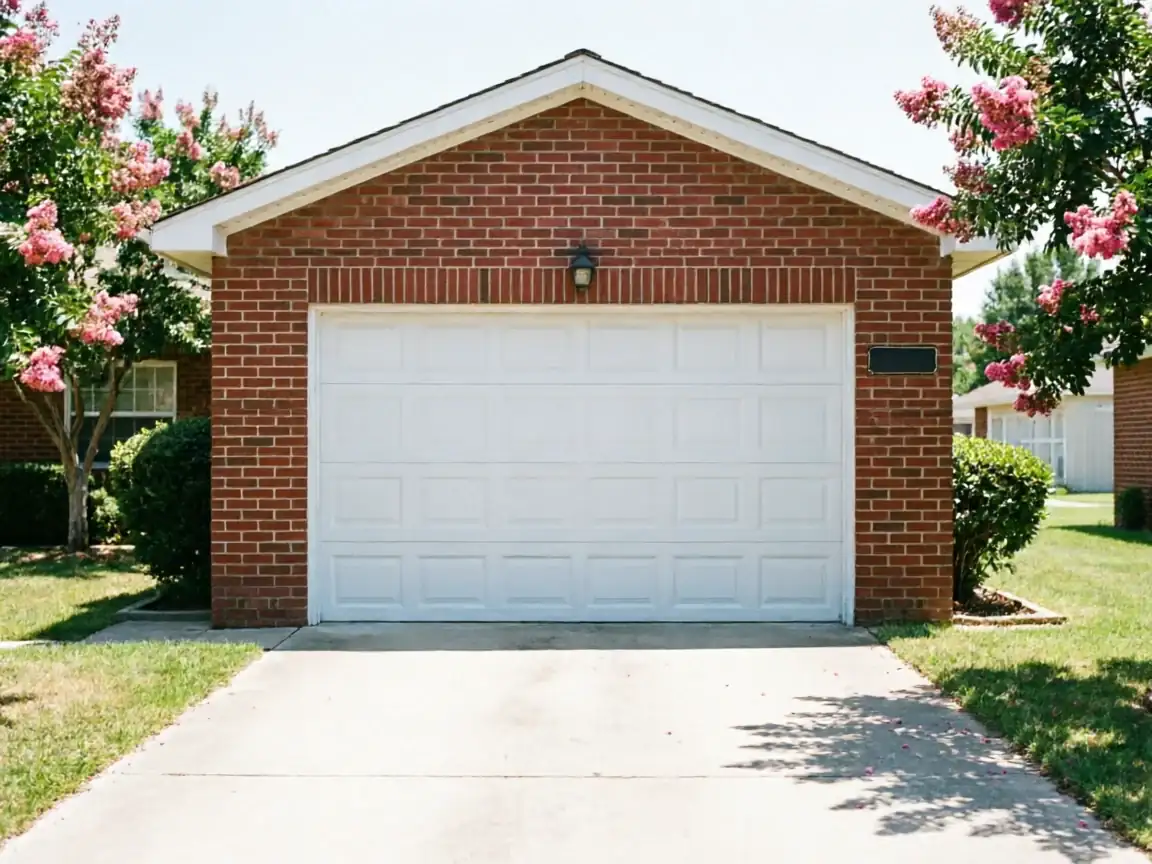
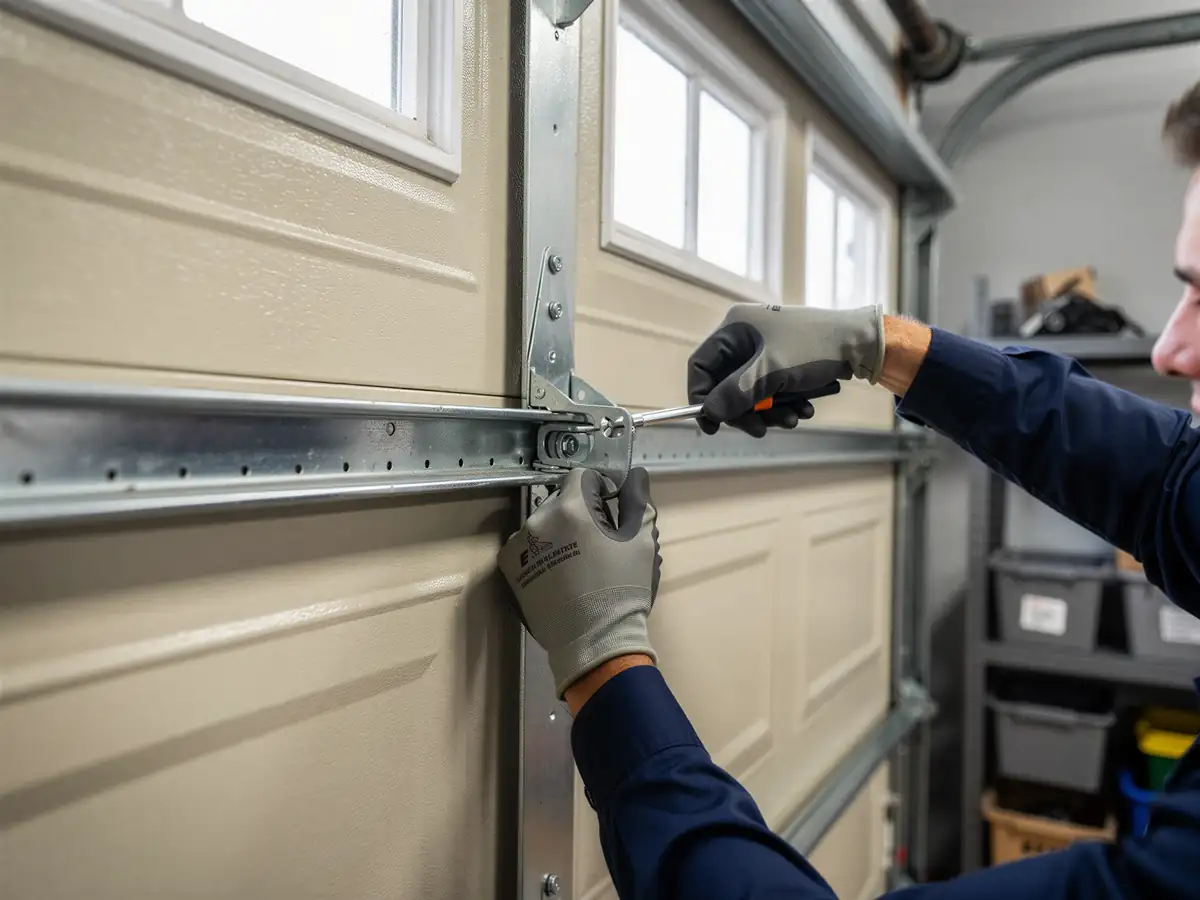
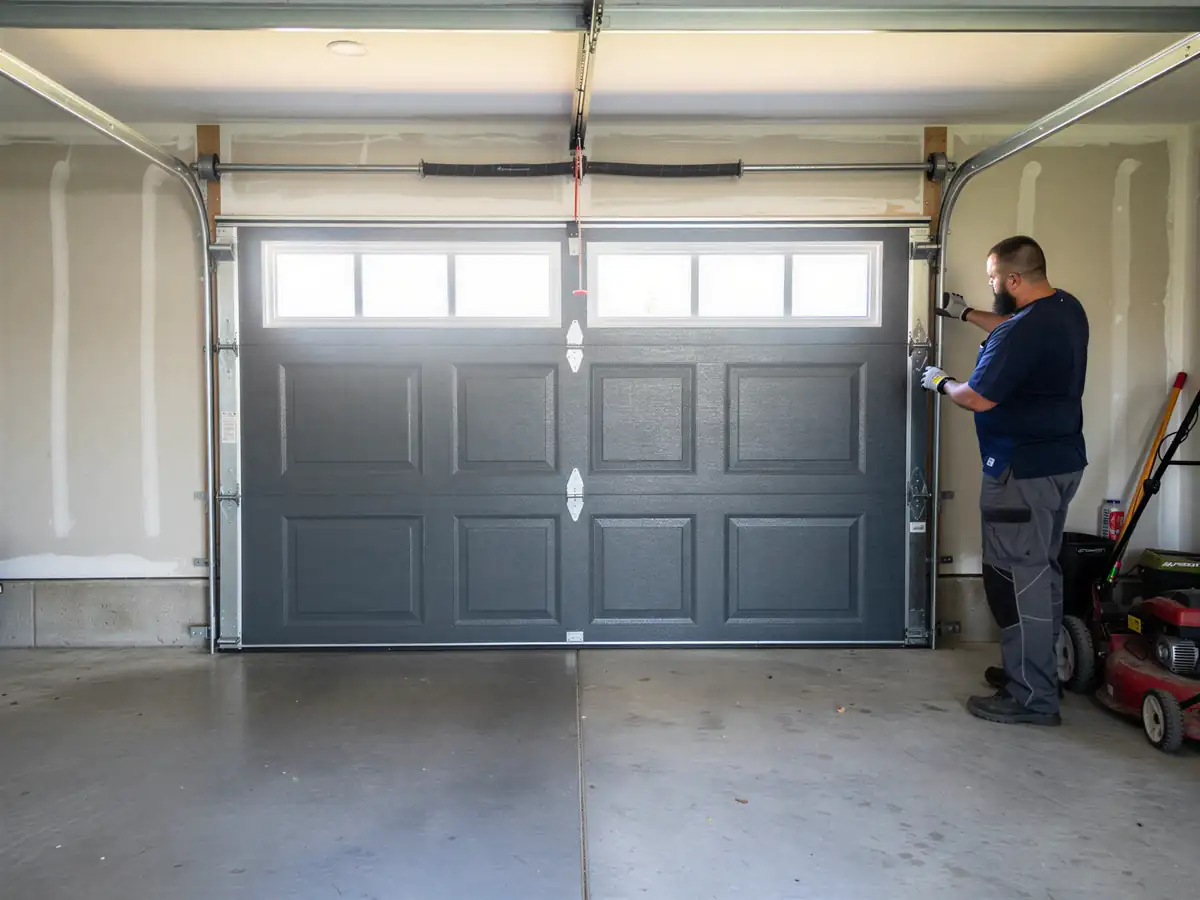
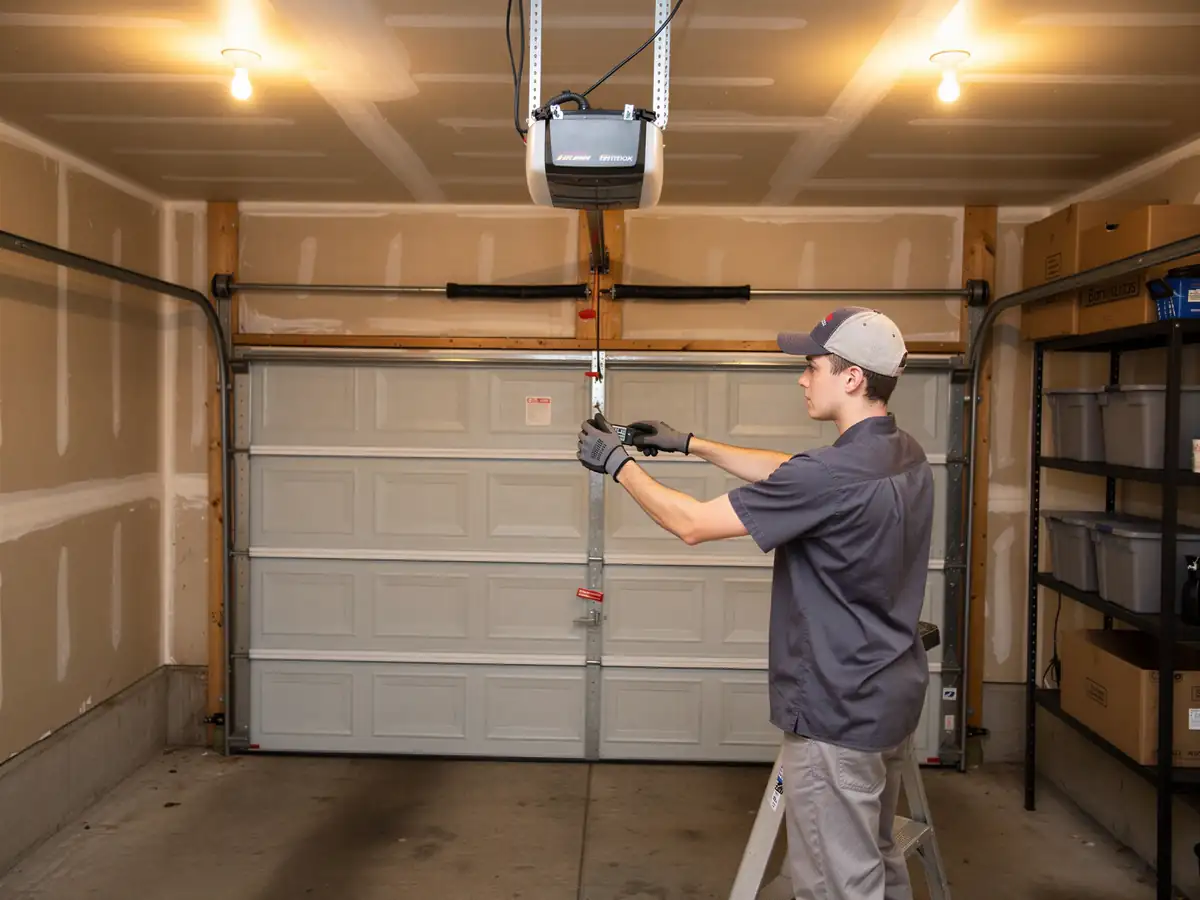
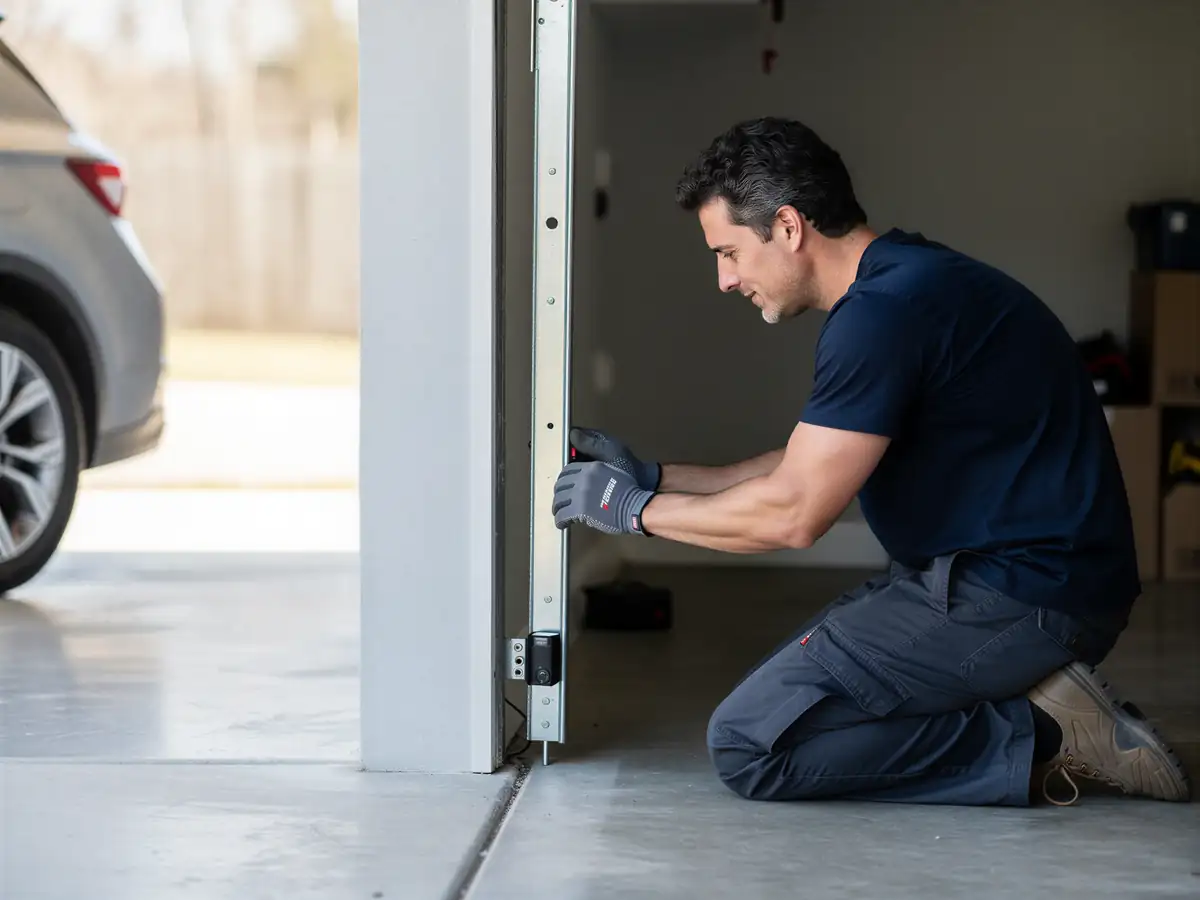
Lake Worth's housing stock centers on 1967, noticeably older than the broader service area's median build year of 1991. That matters for maintenance because a door built around that era is more likely running on original-spec track and a spring system that's been replaced once or twice already, not the factory setup. A standard tune-up - lubing rollers and hinges, checking cable fray, testing balance, tightening track bolts - still runs the same length of time as anywhere else we go. What takes longer here is the inspection beforehand, because a door on a 1967-era opening often has a mismatched panel or a replacement spring from a different era than the track it's riding on, and we have to check all of it before we touch anything. We come from Azle, about 8 miles out, so we build the drive into the appointment window rather than promising a same-hour arrival.
If the door's never been serviced, plan on the visit running toward the longer end, since we're untangling years of deferred lubrication and loose hardware rather than confirming everything's fine.
The Complications
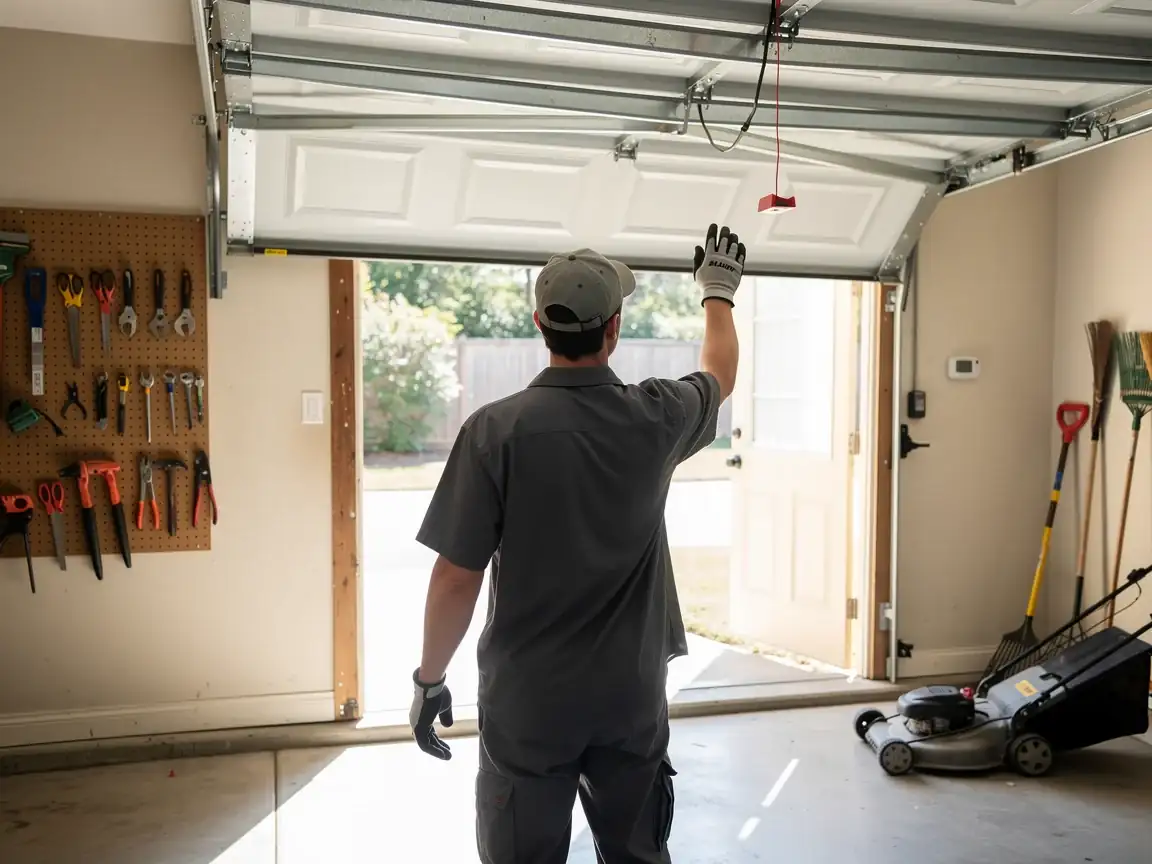
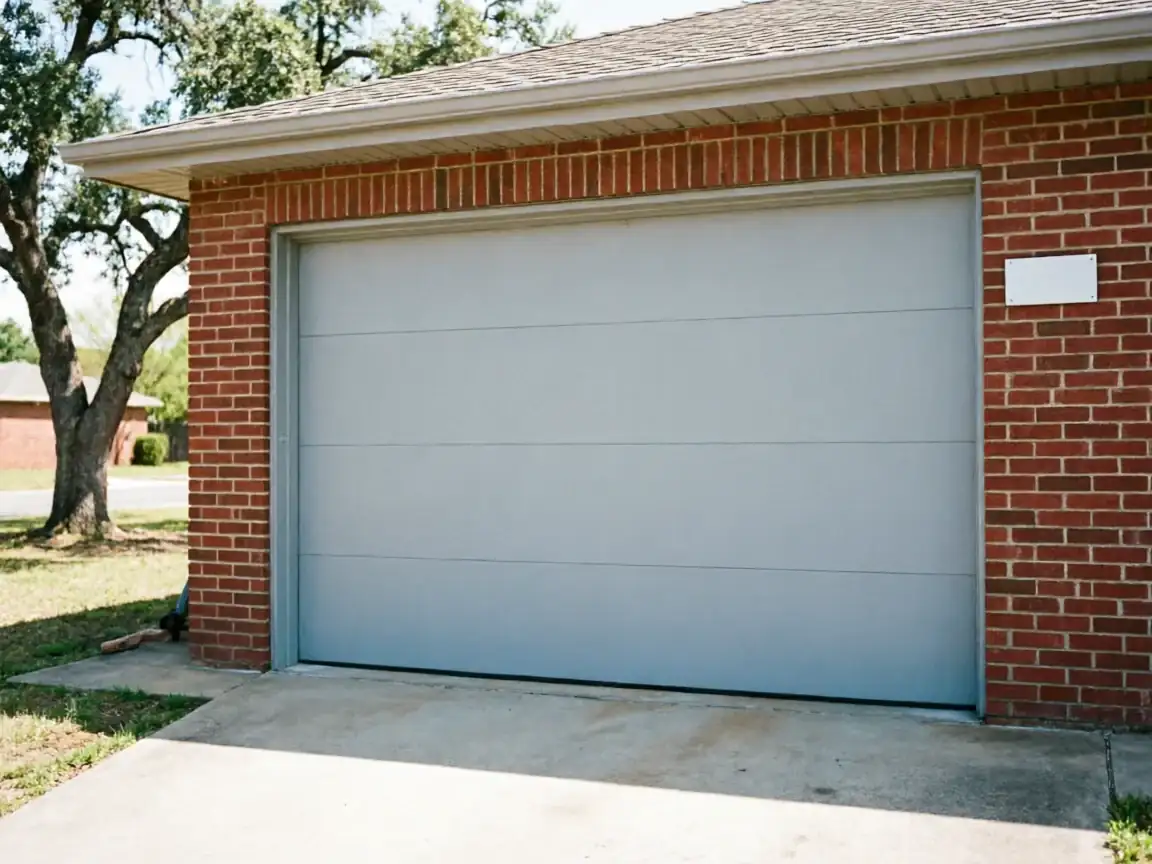
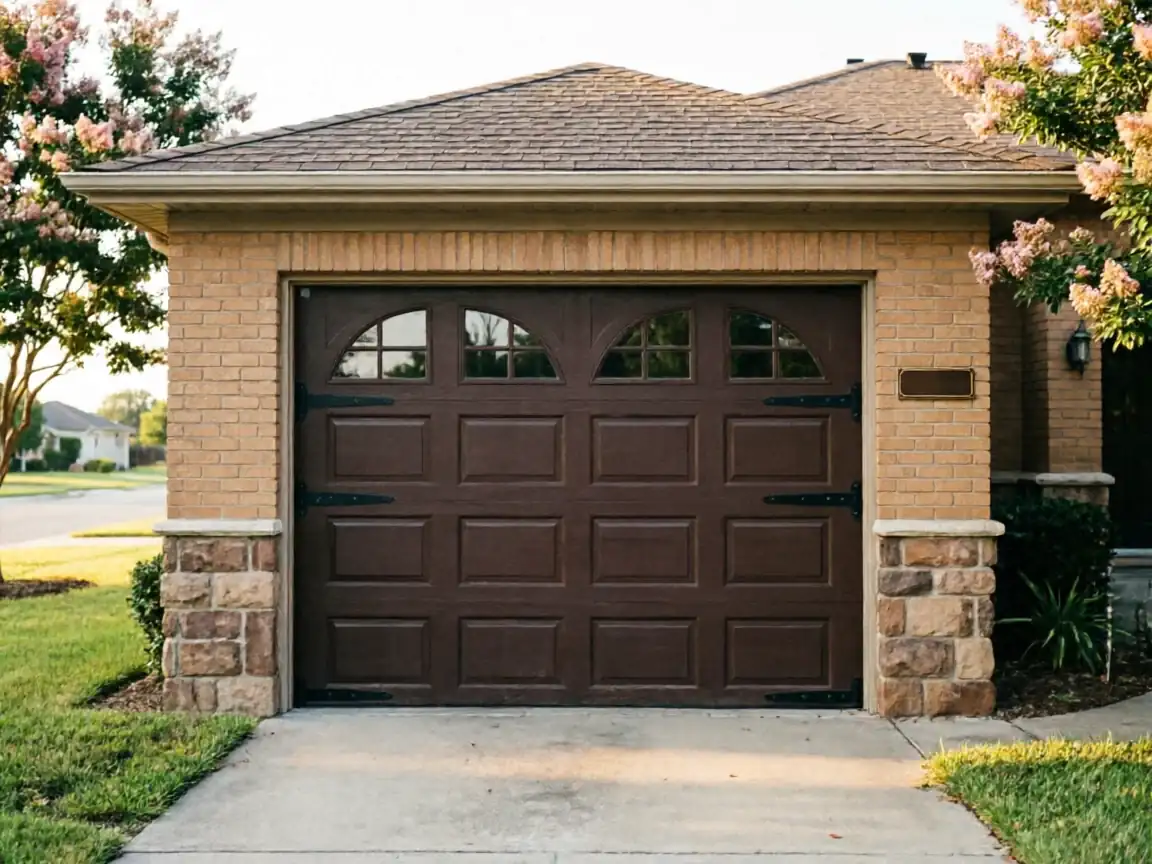
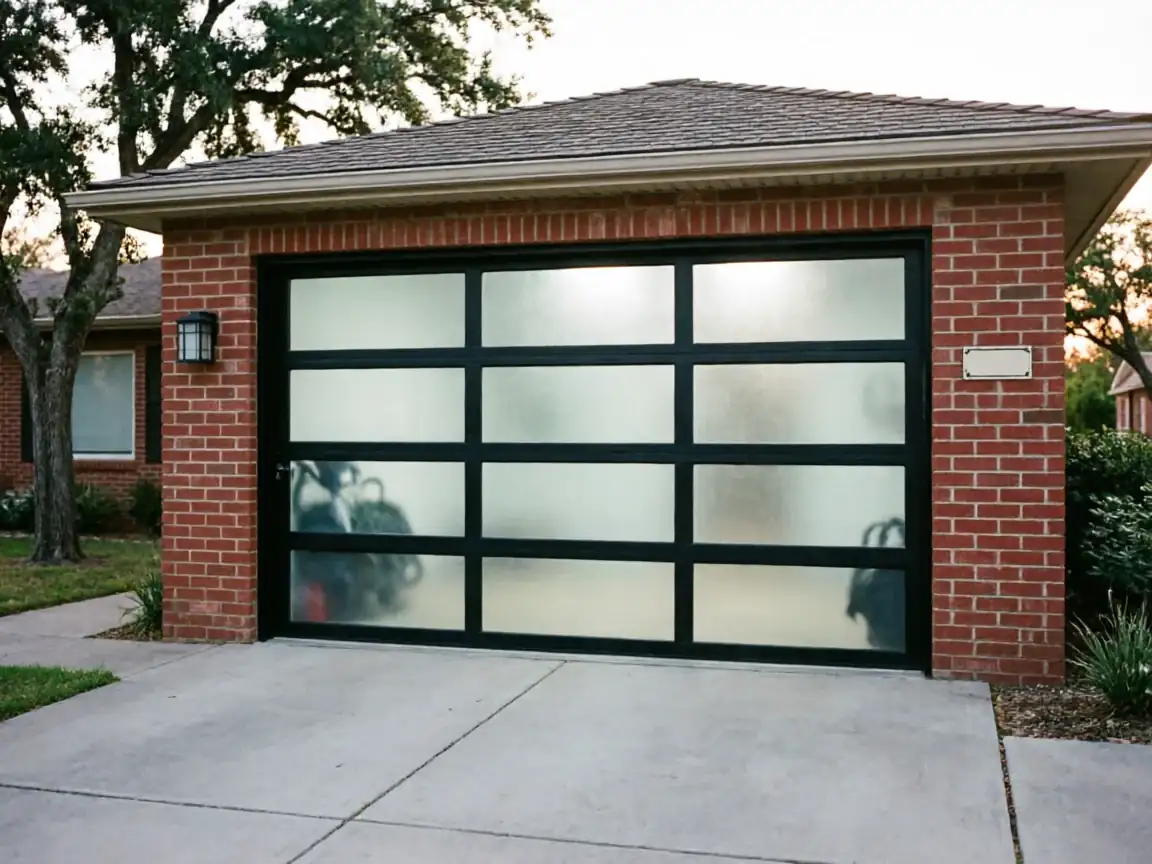
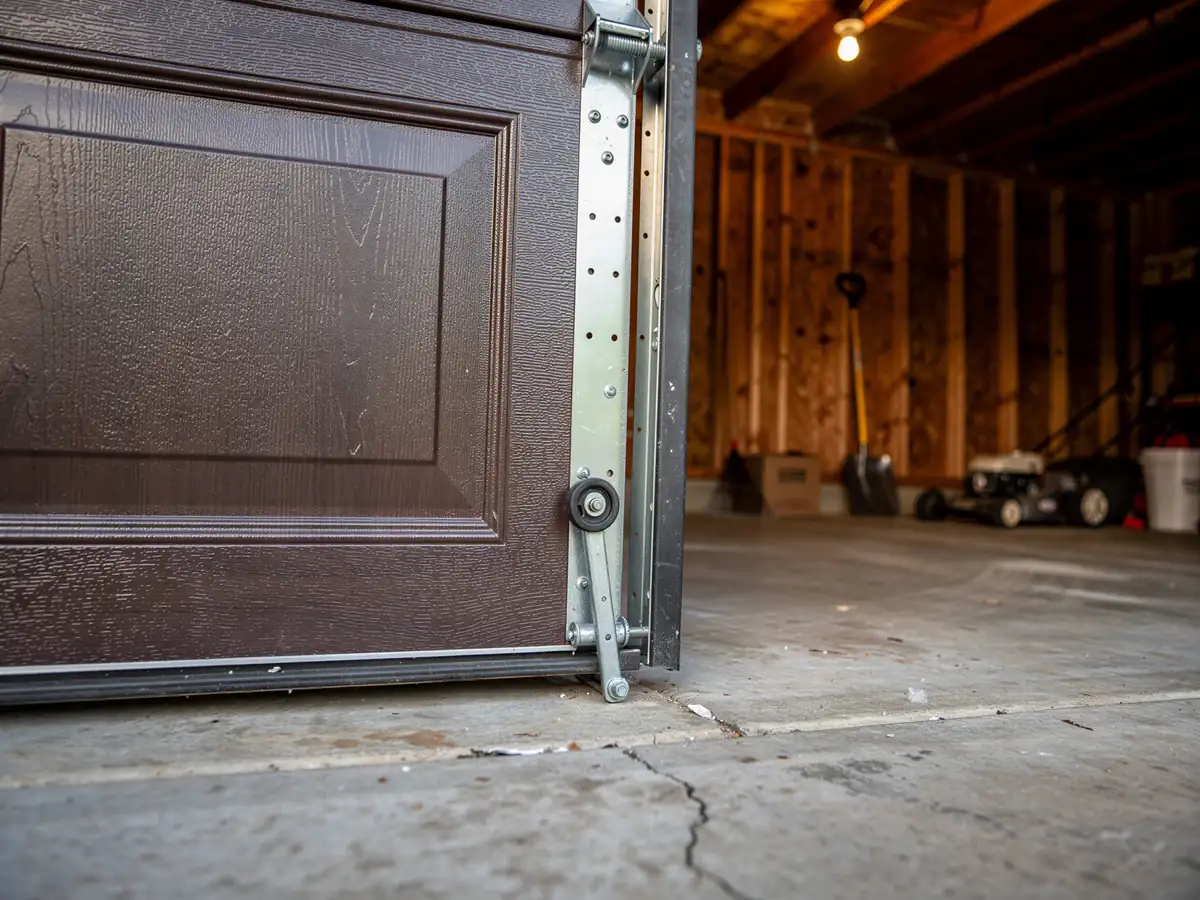
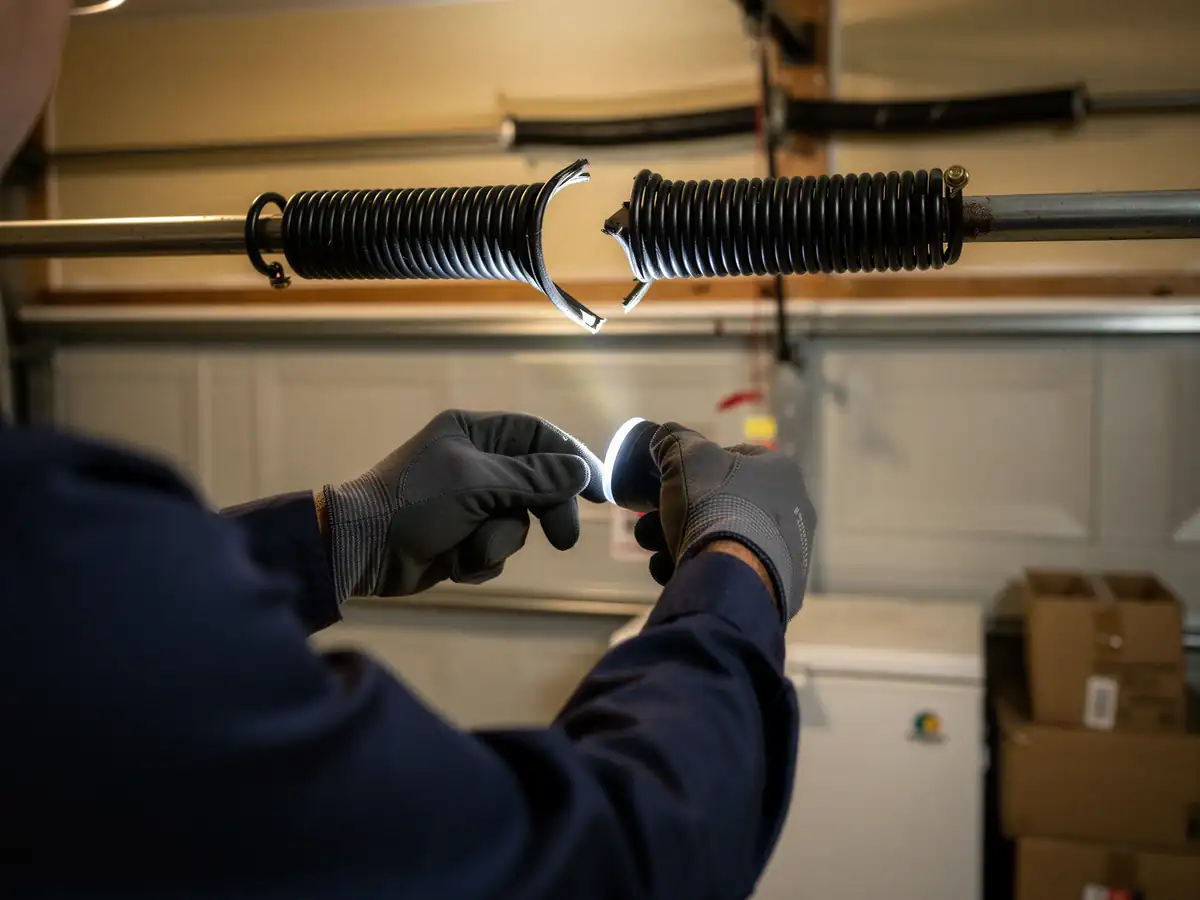
The complication in Lake Worth isn't exotic, it's age-plus-mismatch. A house built in 1967 has had roughly six decades to accumulate owners, and garage doors get replaced more often than the openings they sit in. That means we regularly find a newer door panel hung on an older track, or an opener from the last ten years bolted to hardware that predates it. None of that is automatically a problem, but it changes what a maintenance visit needs to check - alignment between parts that weren't designed together, not just wear on a single system.
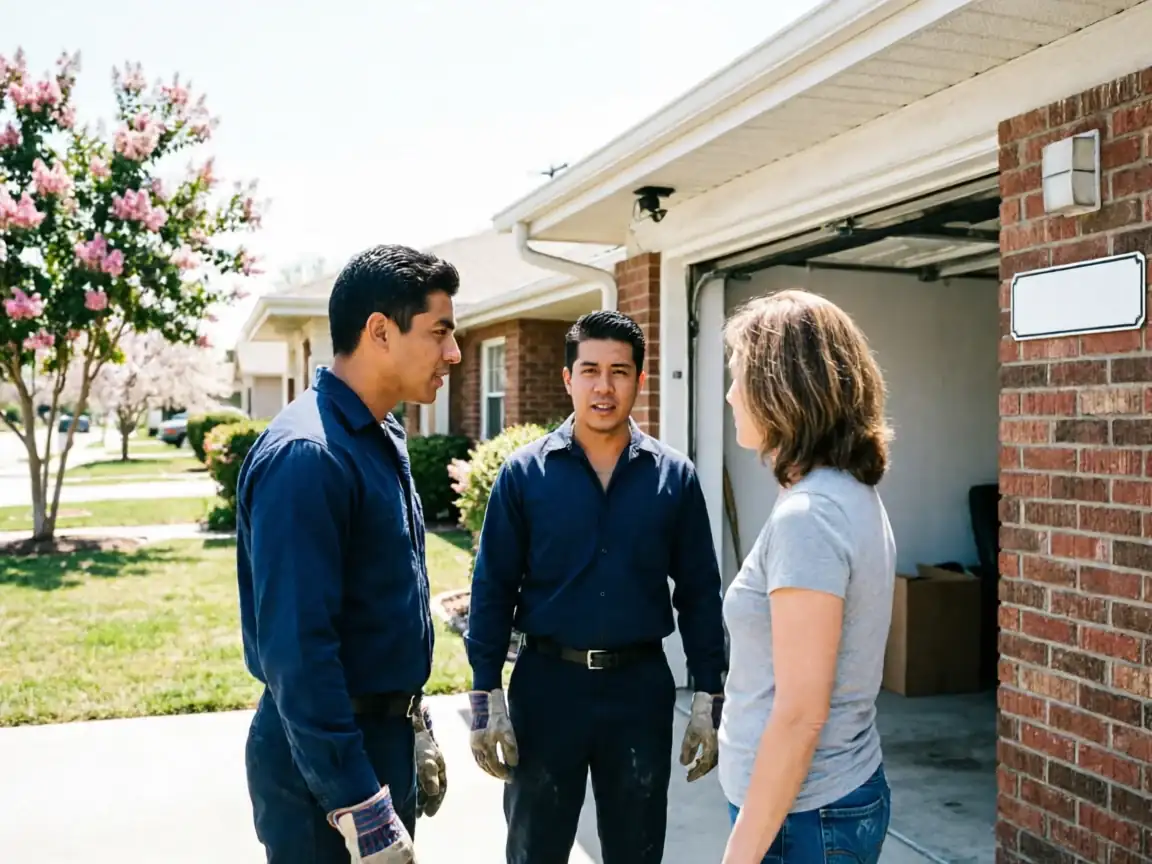
With 1,793 households in the area and a median income of $83,869, this isn't a place where people are replacing doors on a whim. Most of what we see is maintained-but-aging hardware, which is exactly the kind of door that benefits from a scheduled check rather than waiting for a spring to let go. We're honest that some of what turns up on an older setup - a worn-out drum, a track bent from a prior impact - is a repair job, not something a tune-up fixes. We'll tell you straight if that's the case instead of patching around it.
Getting It Booked In
Because Lake Worth sits about 8 miles from our Azle base
We schedule maintenance visits here on routes rather than one-off trips, so it helps to book a few days out rather than asking for same-day. We don't keep a branch or crew stationed in Lake Worth itself - every job here is a truck coming out from Azle, which is normal for how we cover this part of the service area.
- 8 miles
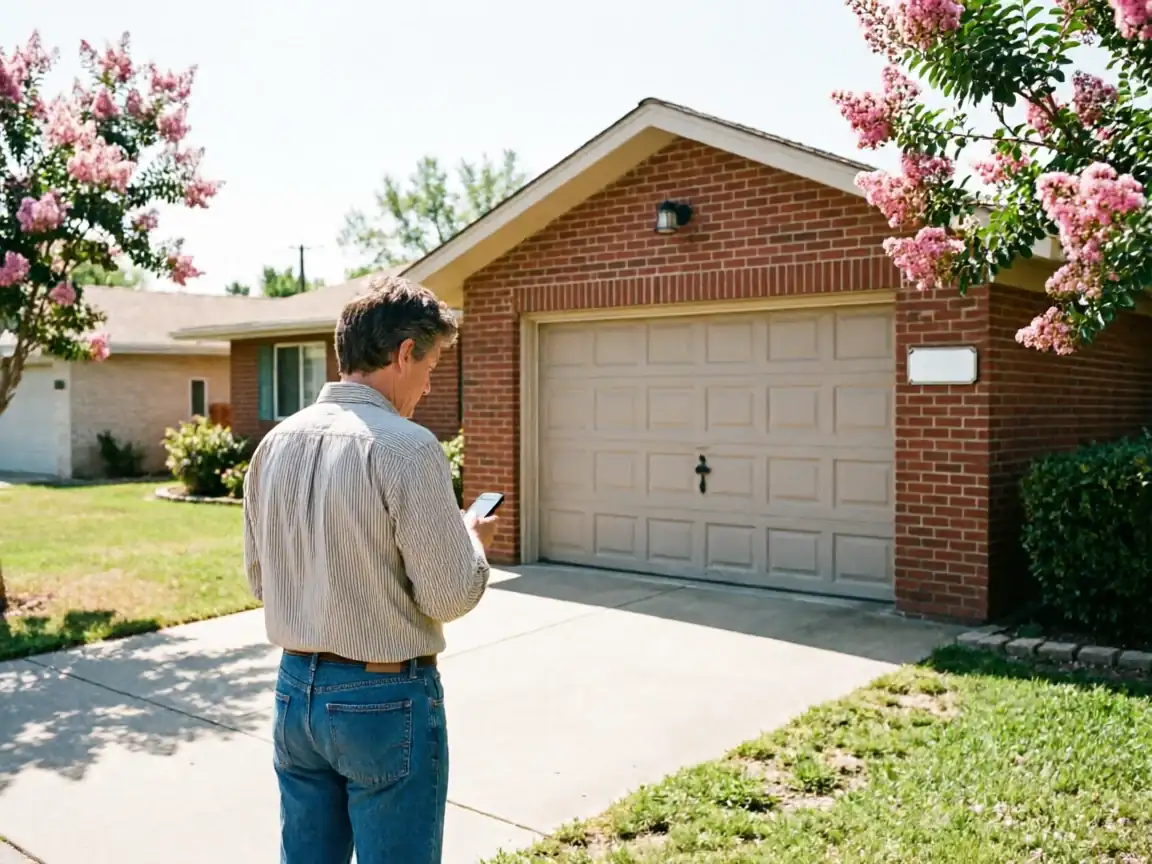
When you call, it's worth mentioning the rough age of your door and opener if you know it
Since that tells us whether to bring parts suited to an older torsion setup versus a newer extension-spring system. For a home from the 1960s on, we'll generally ask if the opener's ever been swapped, since that's the detail that tells us the most about what we'll find on-site.
The Cost of This Job
We don't publish a flat number for maintenance here because what a visit costs depends on what the inspection turns up once we're on-site - a straightforward tune-up on a well-kept door costs less than one where we're also tightening a sagging track or replacing worn rollers. What we can say is that with a median income of $83,869 across Lake Worth's roughly 1,793 households, most of the work we do here is routine upkeep rather than full replacement, and keeping a 1967-era door maintained on schedule is usually the cheaper path compared to letting a worn spring or bent track turn into an emergency repair.
The honest limitation: if your door's track or frame has shifted enough over the decades that panels no longer sit square, no tune-up fixes that - that's a repair or replacement conversation, and we'll say so rather than charging for a maintenance visit that won't hold.