Stocked Parts
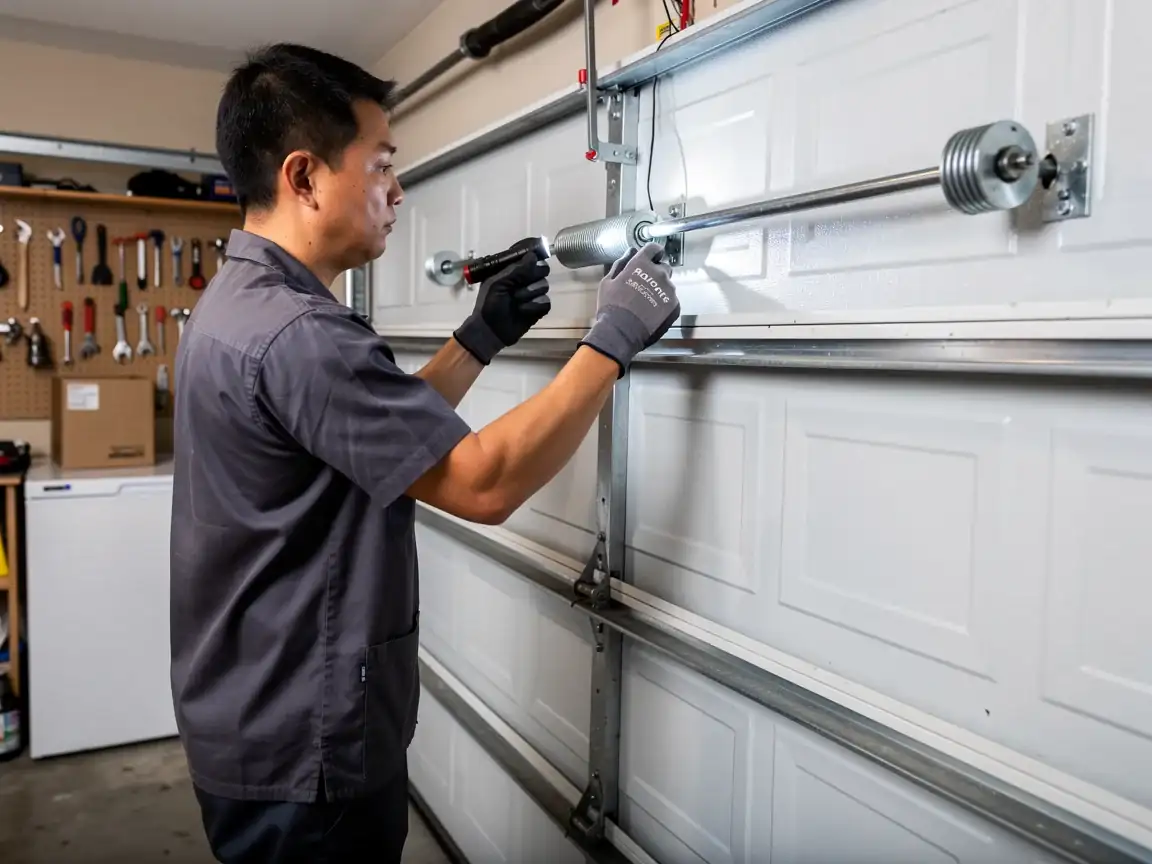
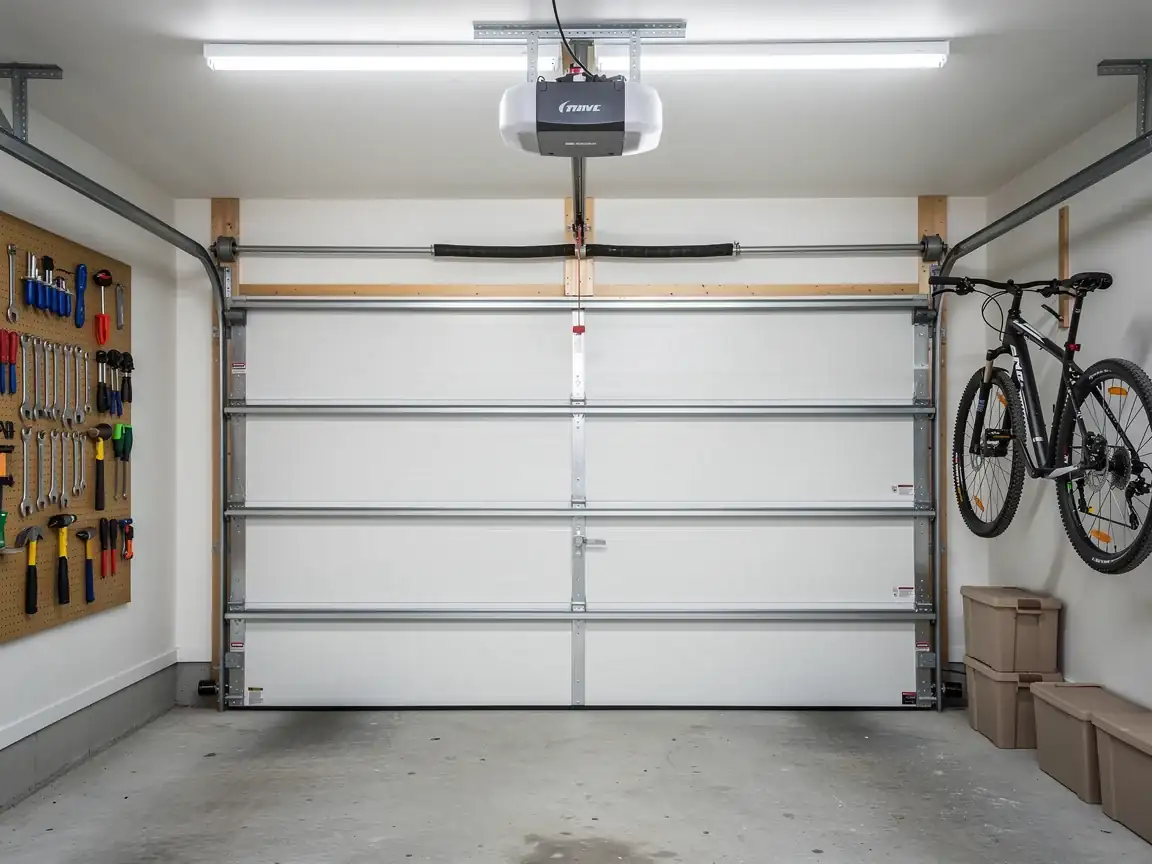
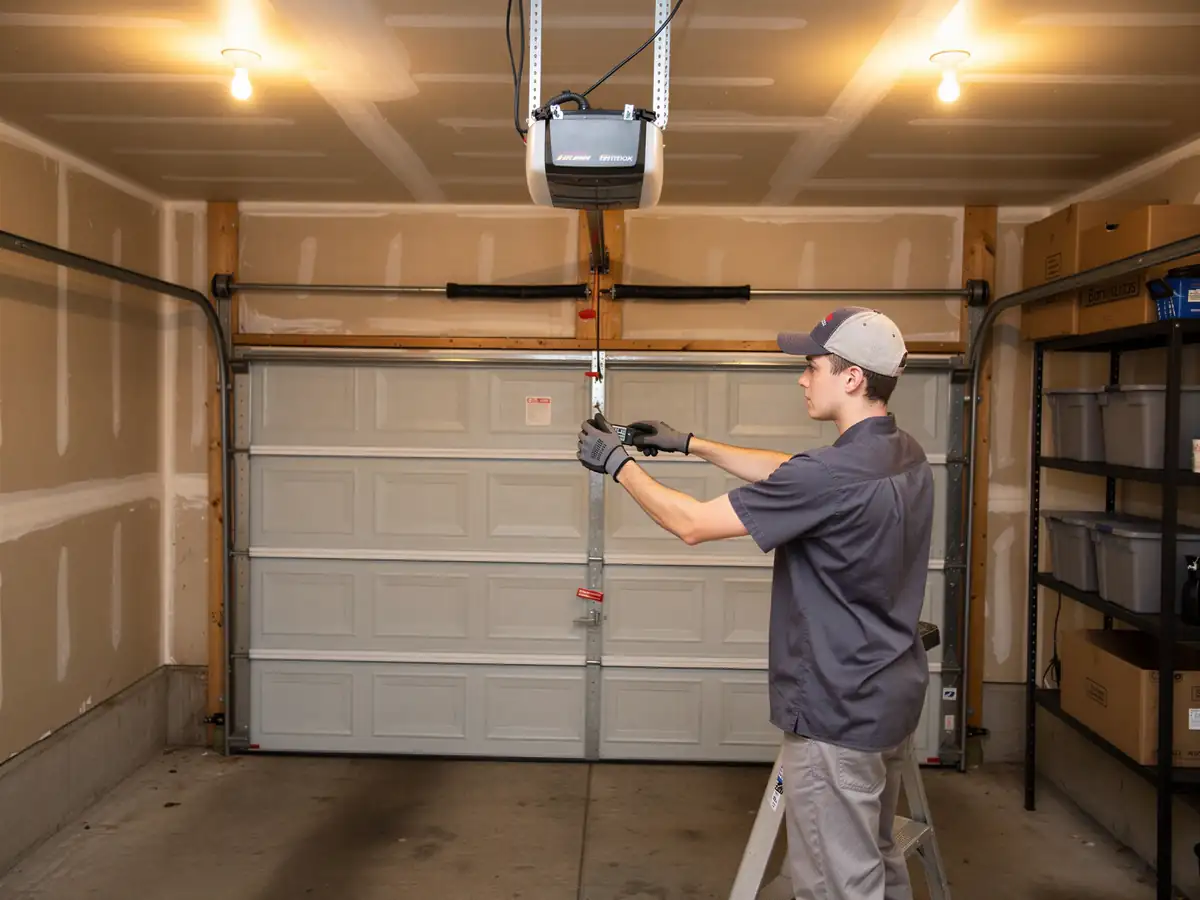
Pecan Acres sits about 6 miles from our shop in Azle, and the houses out here skew newer than most of the territory we cover. Across the wider service area, homes went up anywhere from 1953 to 2010, with the median landing around 1991 - older openers, older chain-drive units, the kind where you're hunting for a part number stamped on a rusted cover. Pecan Acres isn't that. With a median build year around 2003, most openers here are circuit-board units from the early 2000s: belt or chain drive, a logic board instead of a mechanical relay, photo-eye safety sensors mounted low on the track. We carry the sensor pairs, the circuit boards that fit these mid-2000s motor units, and the wall control stations that tend to fail first on this generation of opener. What we don't carry on the truck is a board for every obscure model ever made - if yours is a rare one, we may need to order it, and we'll tell you that up front instead of guessing.
How It Shows Up
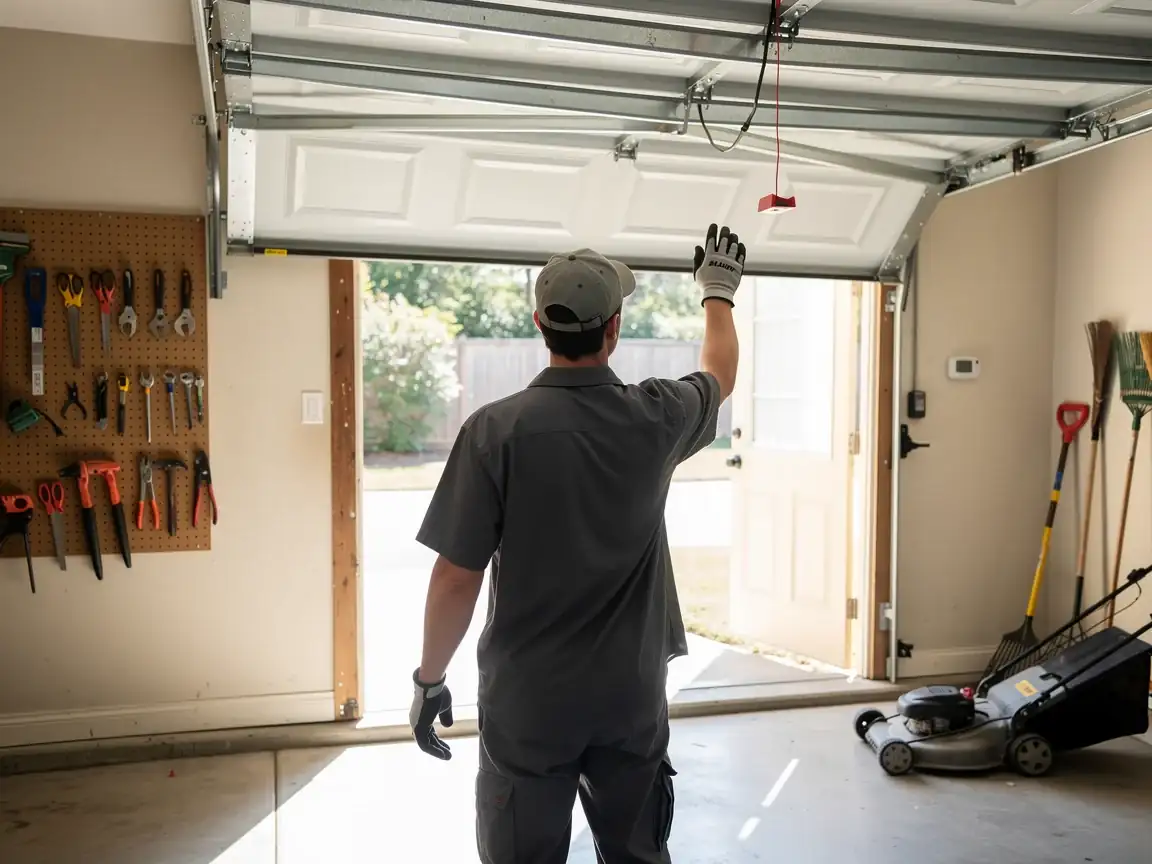
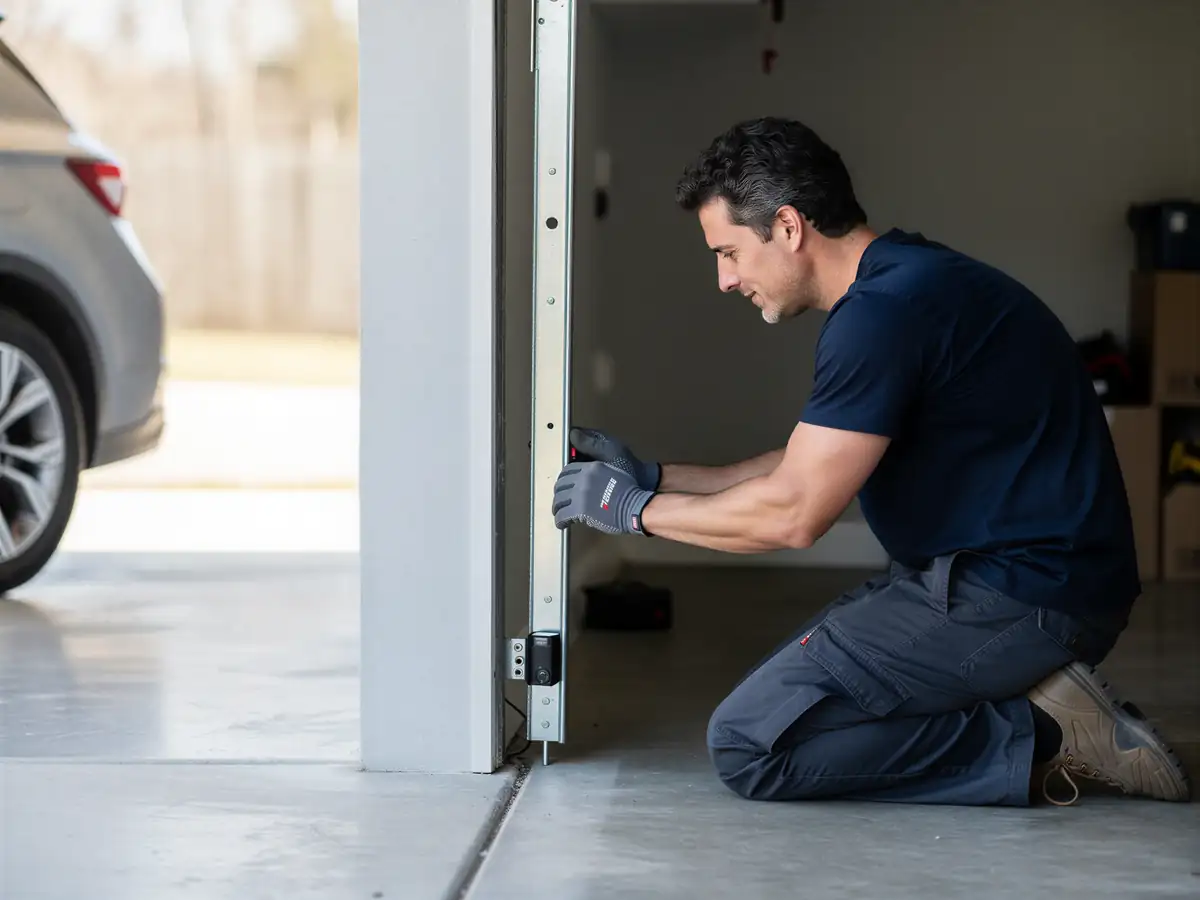
The fault on a 2003-era opener rarely looks like a dead motor. It looks like a door that reverses halfway up for no reason, or a remote that works from the driveway but not from inside the car. That's usually the logic board losing its mind after twenty-odd years of heat cycling in the attic space above the garage, not a mechanical jam. The other common one: the safety sensors have drifted out of alignment, or a wire nicked by a stored bike has them intermittently shorting. You'll see the light blink a set number of times - that blink code is the board telling you exactly what's wrong, and most owners never learn to read it. On the older stock we see elsewhere in the territory, the fault is more often a worn gear or a stripped sprocket. Out here, it's electronics first, mechanics second.
Getting It Booked In
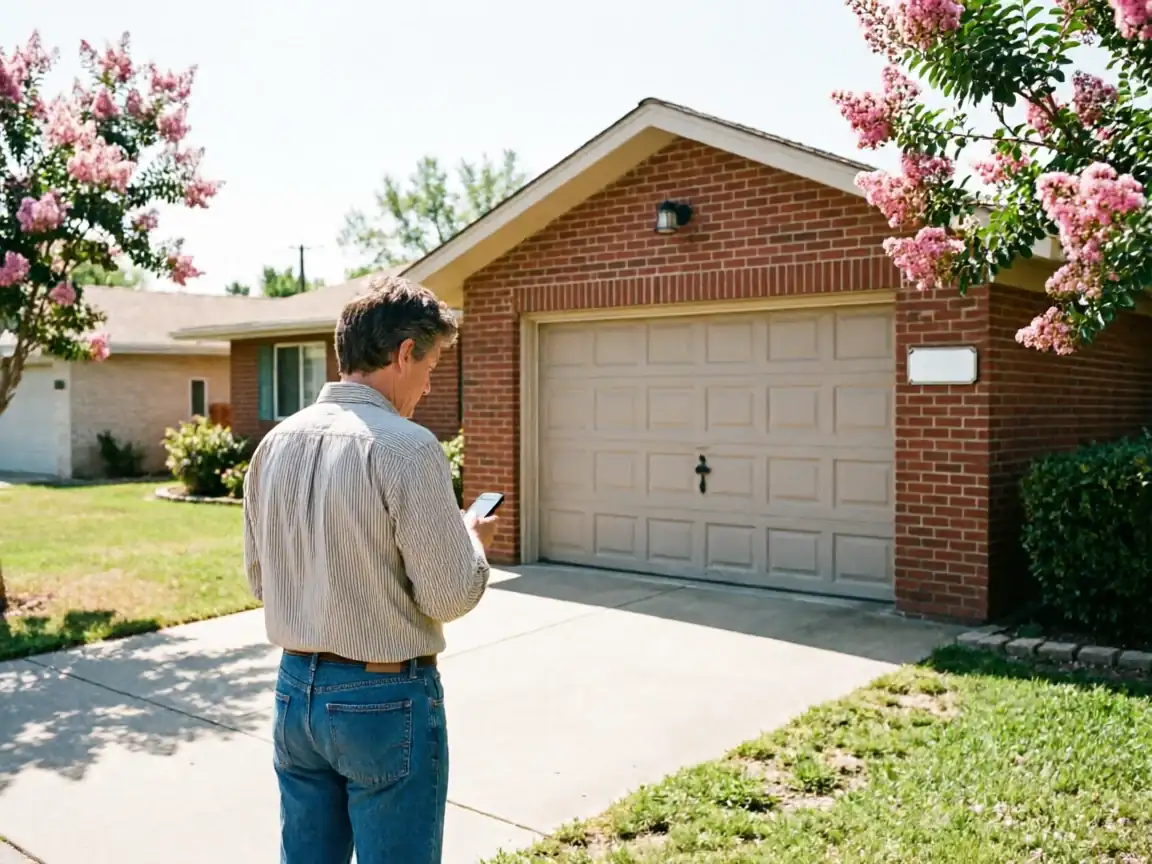
Call our Azle line and tell us you're in Pecan Acres - it's a short run for us, about 6 miles, so getting a truck out isn't the bottleneck. What speeds things up is knowing your opener's age and brand before we show up, since boards for 2000s-era units aren't universal. If you can read off the blink code on the wall control or the motor head, tell us that on the phone. We'll bring what the pattern suggests is likely, but we're honest that an exact-match board for a less common brand sometimes means a second trip once it's ordered.
How Long It Takes
A sensor realignment or a sensor swap is usually done in one visit, start to finish, once we're on site. A circuit board replacement on a motor we stock parts for is also typically same-visit work. Where it stretches out is a less common brand or an opener old enough that the manufacturer has moved on to a different board design entirely - then we're waiting on a part to arrive before we can finish the job, and we won't pretend otherwise just to get a visit booked.