The Cost of This Job
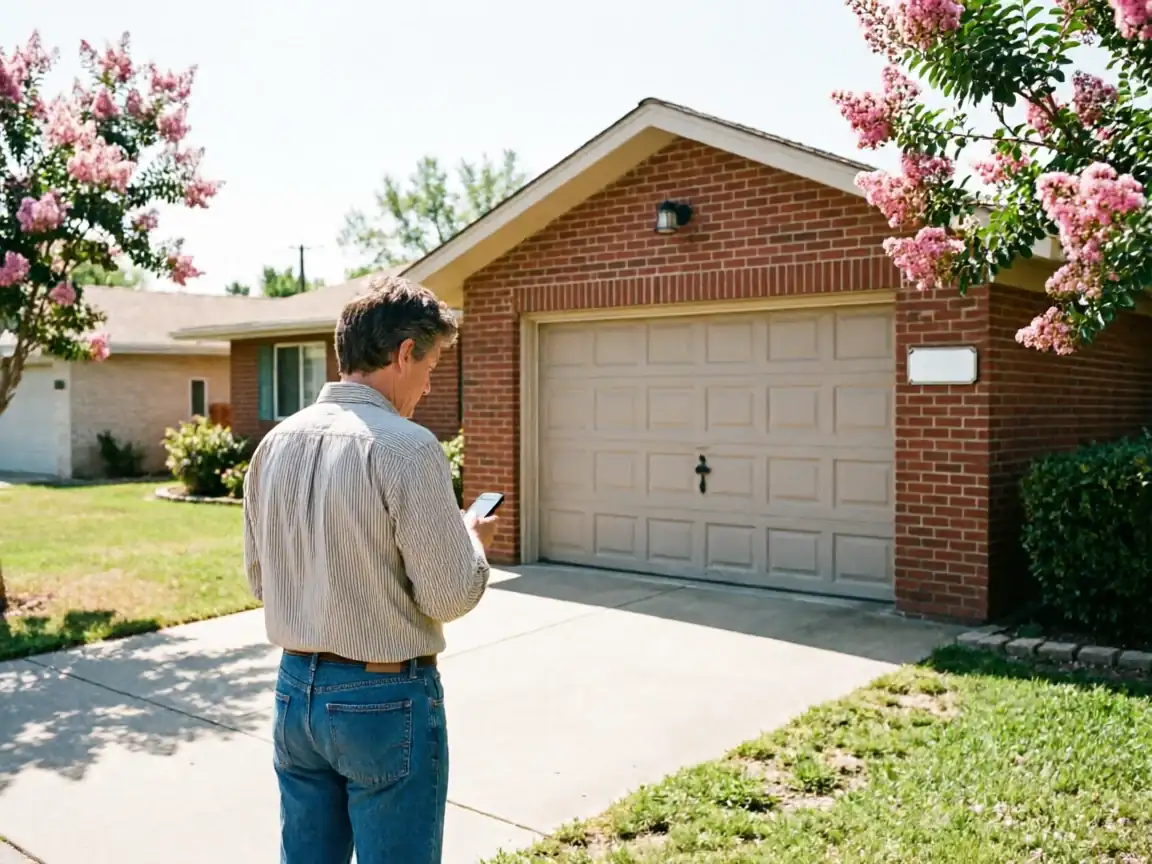
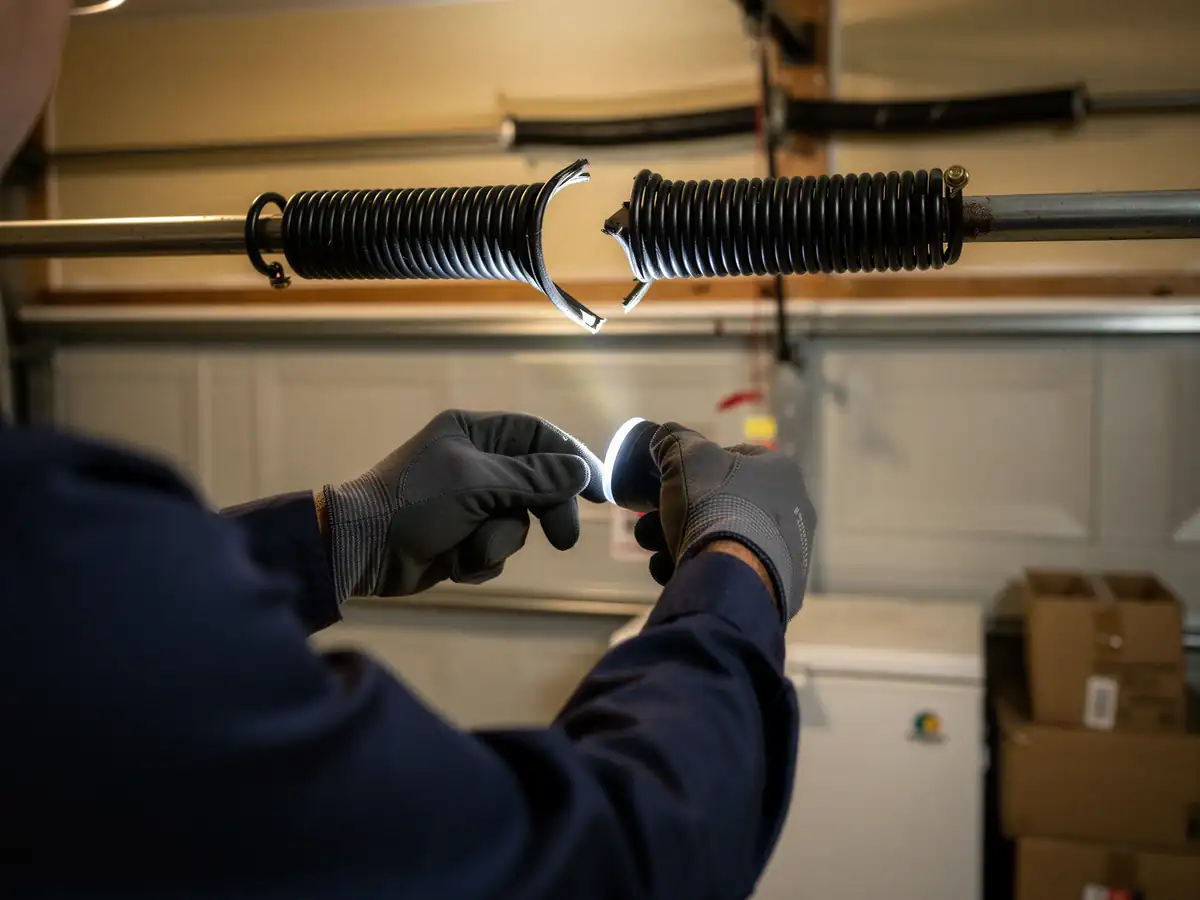
Reno's houses have a median build year of 1992, which puts most of the original garage door hardware past its expected life. A torsion spring rated for 10,000 cycles and installed when the house was framed has usually been swapped at least once by now, sometimes by a previous owner with mismatched parts. That's the job we see most here: a spring that's original or a cheap replacement, paired with rollers and cable that were never touched. Cost on a job like that depends on whether it's a single spring, a matched pair, and whether the drum or cable needs replacing with it - we don't quote a number sight unseen, because guessing wrong either way doesn't help you. What we can tell you is that a 1992-era door is old enough that patching one part often means the next part goes within a year or two. With median household income in this area at $92,857, most owners we talk to choose to replace the full spring and cable assembly in one visit rather than pay a service call twice for the same door.
Can You Do This Yourself
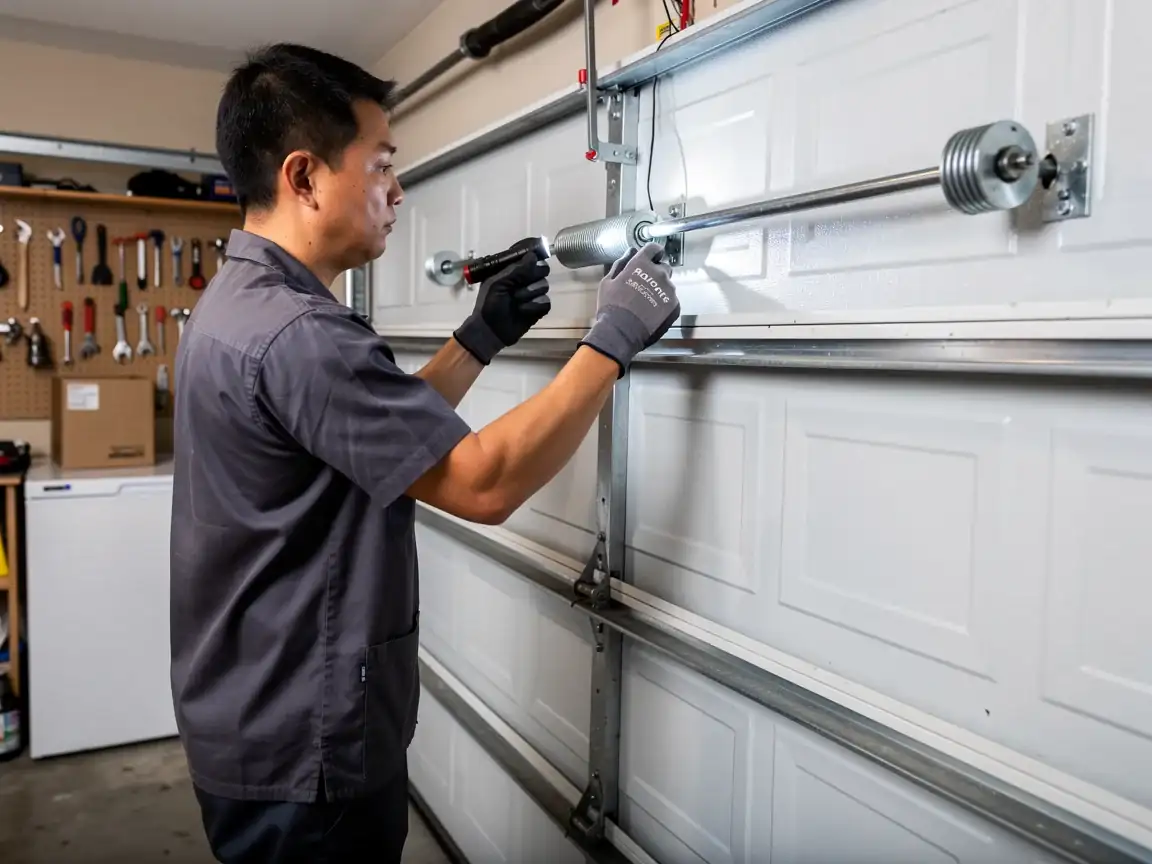
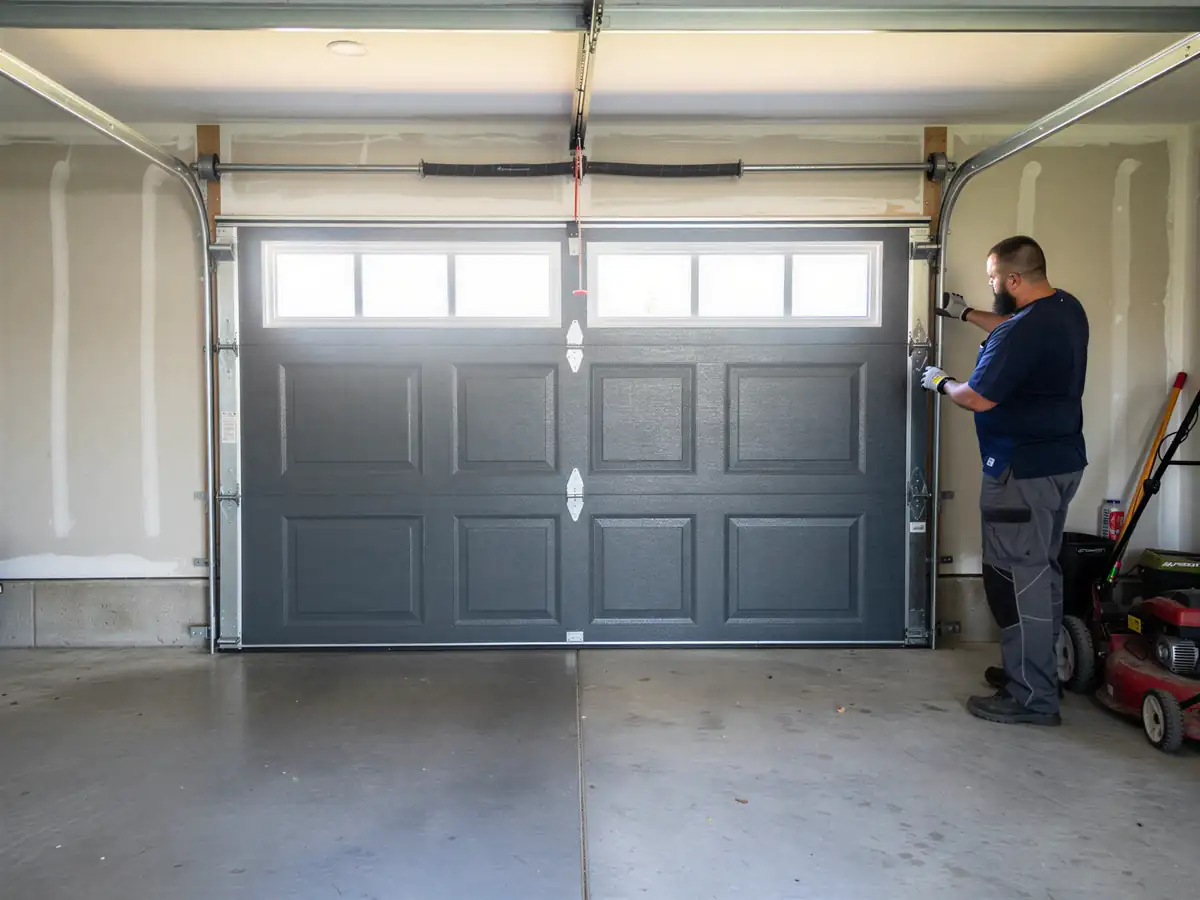
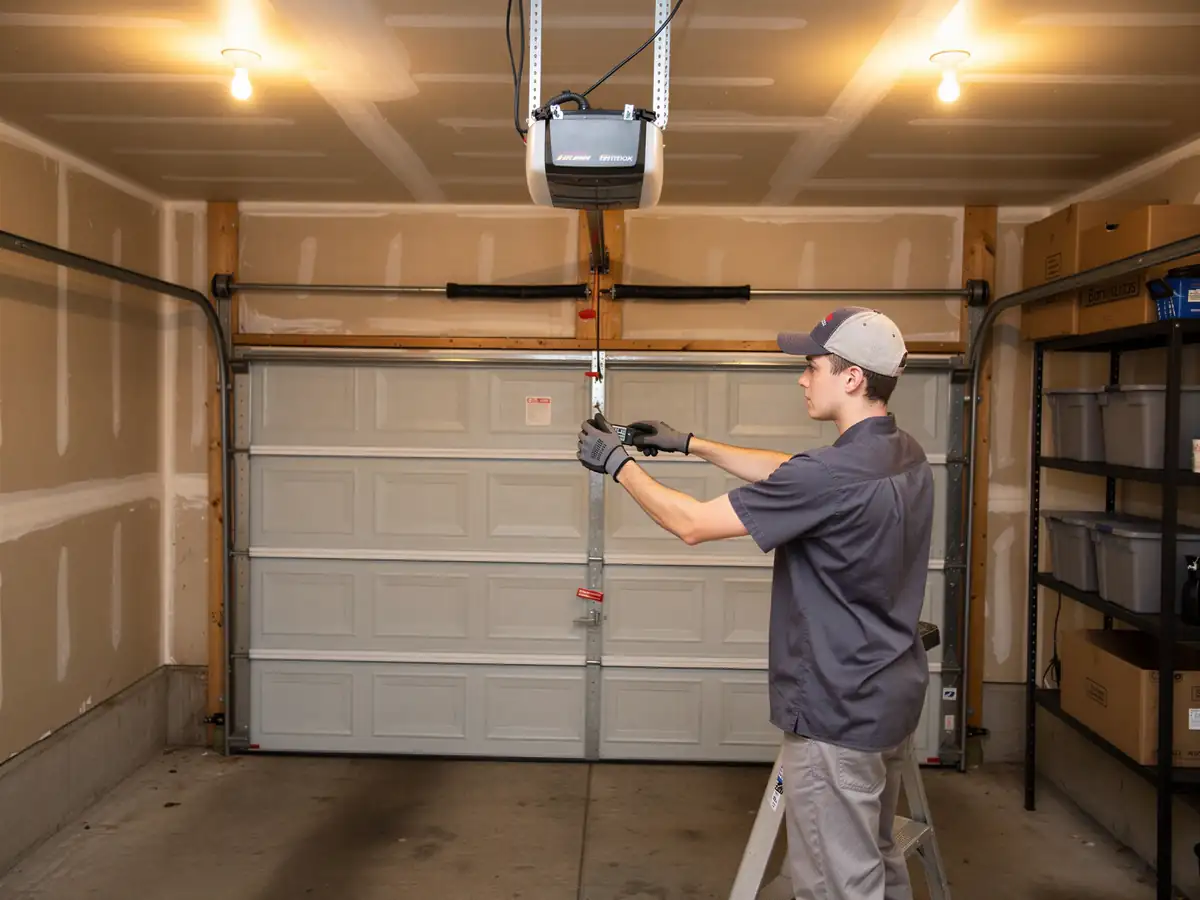
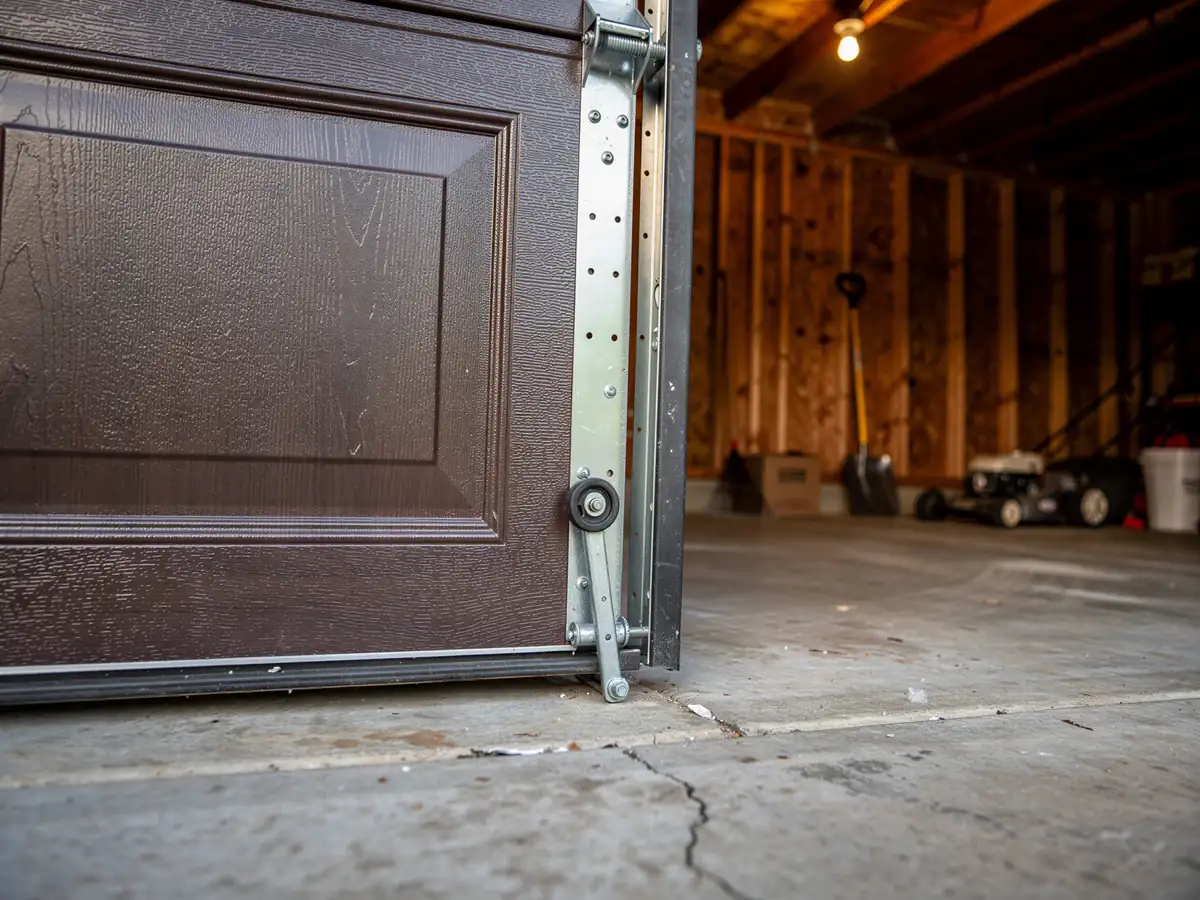
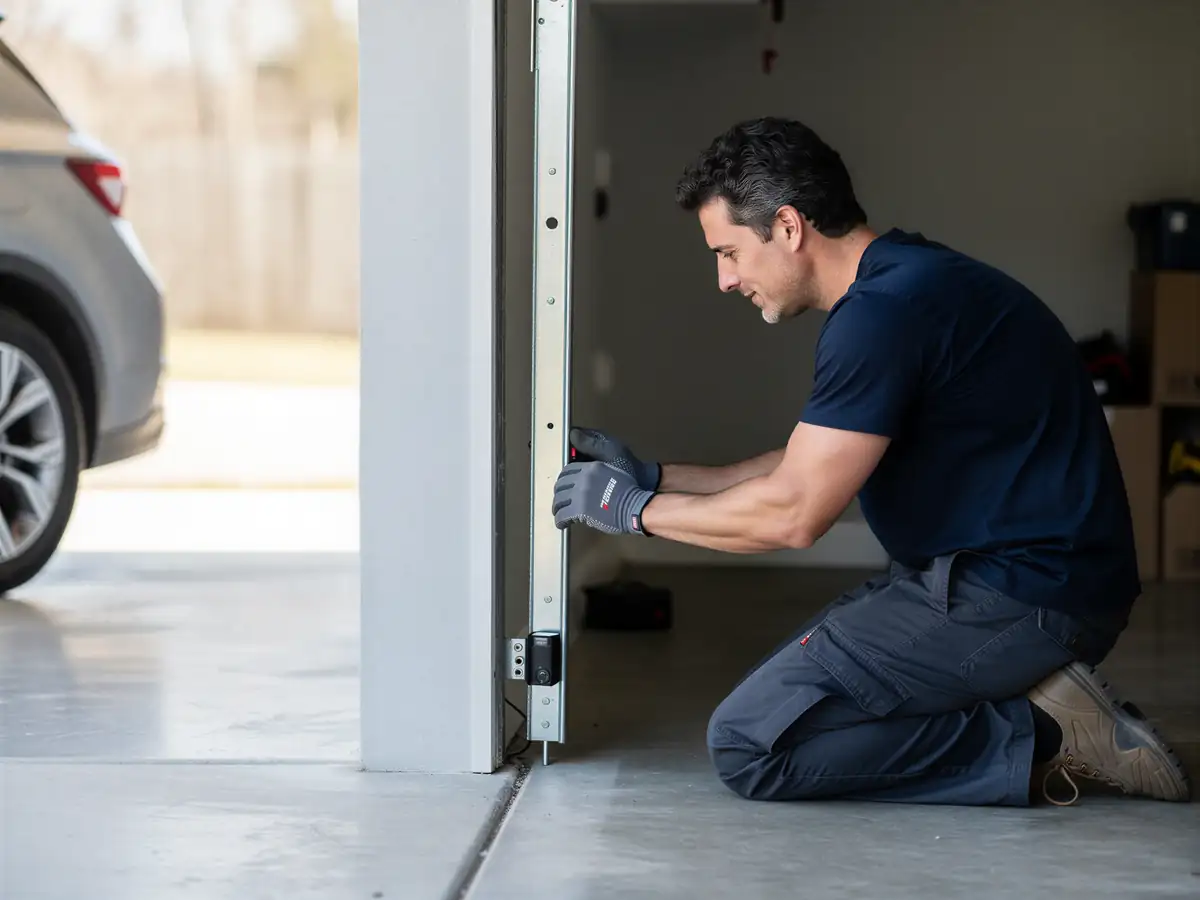
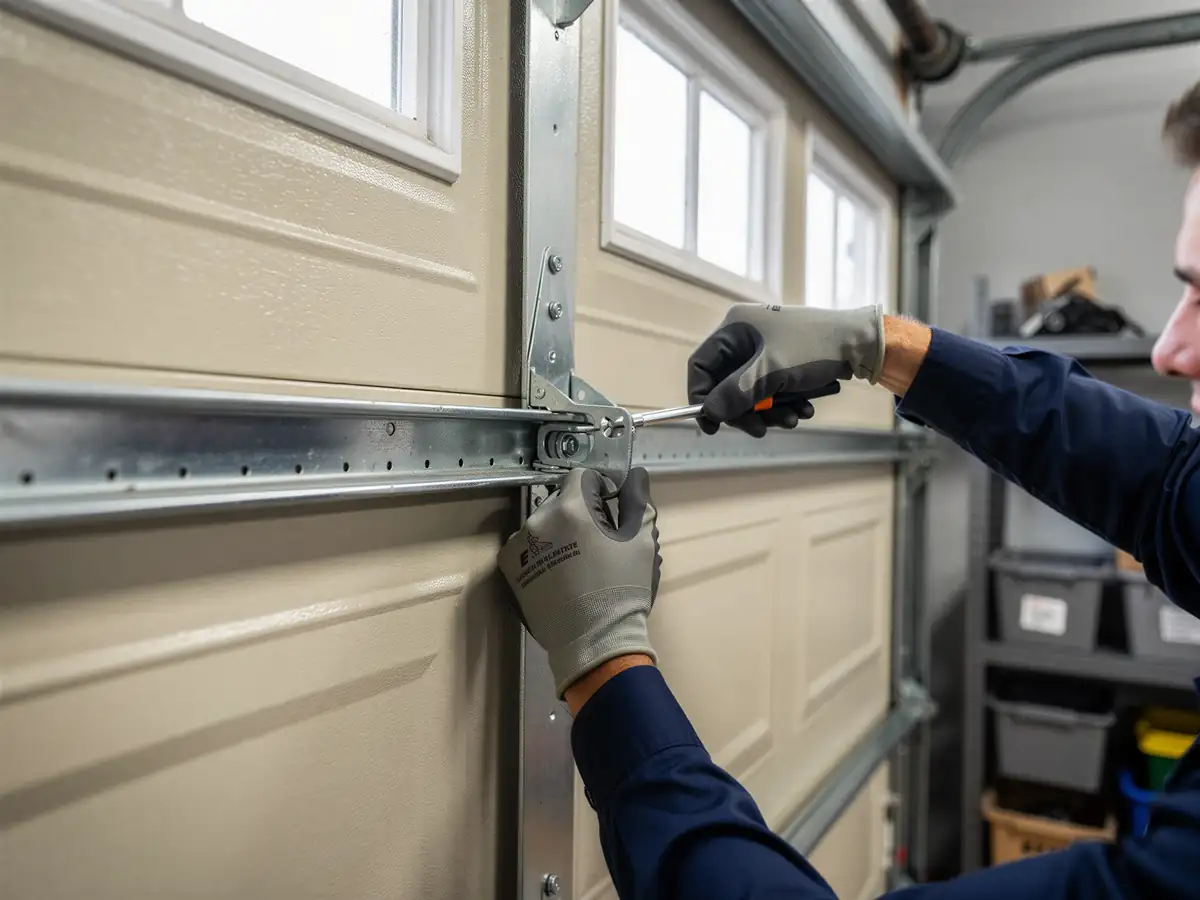
A torsion spring under tension can break a wrist or worse, and that doesn't change because your house was built in 1992 instead of 2015 - the spring doesn't know the difference, it just unwinds the same way either way. Where DIY gets Reno homeowners into trouble specifically is the age of the hardware: a door from the early 90s often has a drum or shaft that's been painted over, rusted lightly, or had a part swapped with something not quite matched to the rest of the system. That's harder to read correctly than new stock, even for someone who's watched a video on it. Rollers, weatherstrip, and tightening loose hardware are fair DIY territory on a door this age. Springs, cables, and anything involving the torsion bar are not - not because of a rule, but because the failure mode on a 1992 door with unknown repair history is less predictable than on a door you know the full service record of.
Why It Happens Here
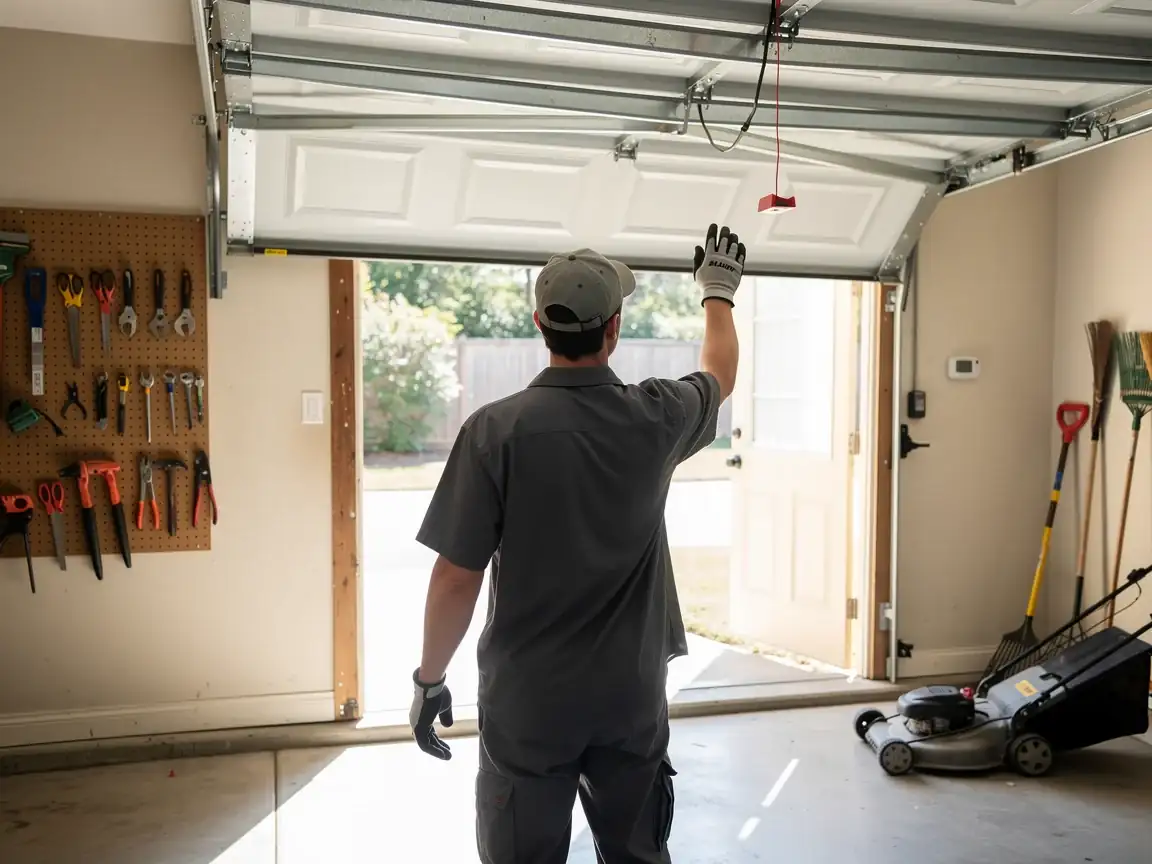
Moderate heat through the year wears differently on a 30-plus-year-old door than it does on a new one - the steel panels and the rollers that came with a 1992 install have already been through three decades of seasonal expansion and contraction, and the original lubricant and seals are long gone. That's compounded by the age of the spring, which loses tension gradually and then fails without much warning once it's past its rated cycles. Reno sits about 4 miles from our shop in Azle, and the housing pattern across this side of the service area - built mostly in the 1980s and 90s - means the same failure shows up on a lot of the 1,102 households out this way at roughly the same point in a door's life. It's not bad luck tied to one house; it's hardware of a certain age reaching the end of its run at close to the same time.