The Cost of This Job
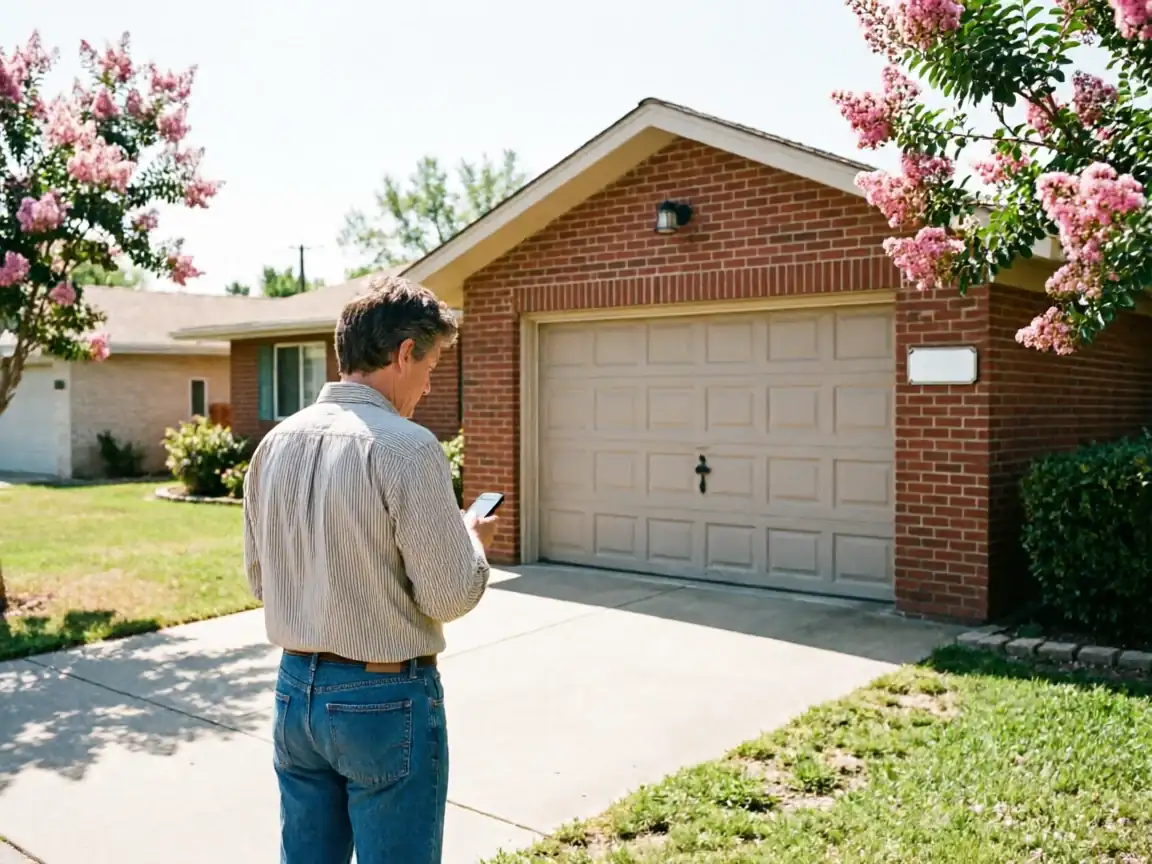
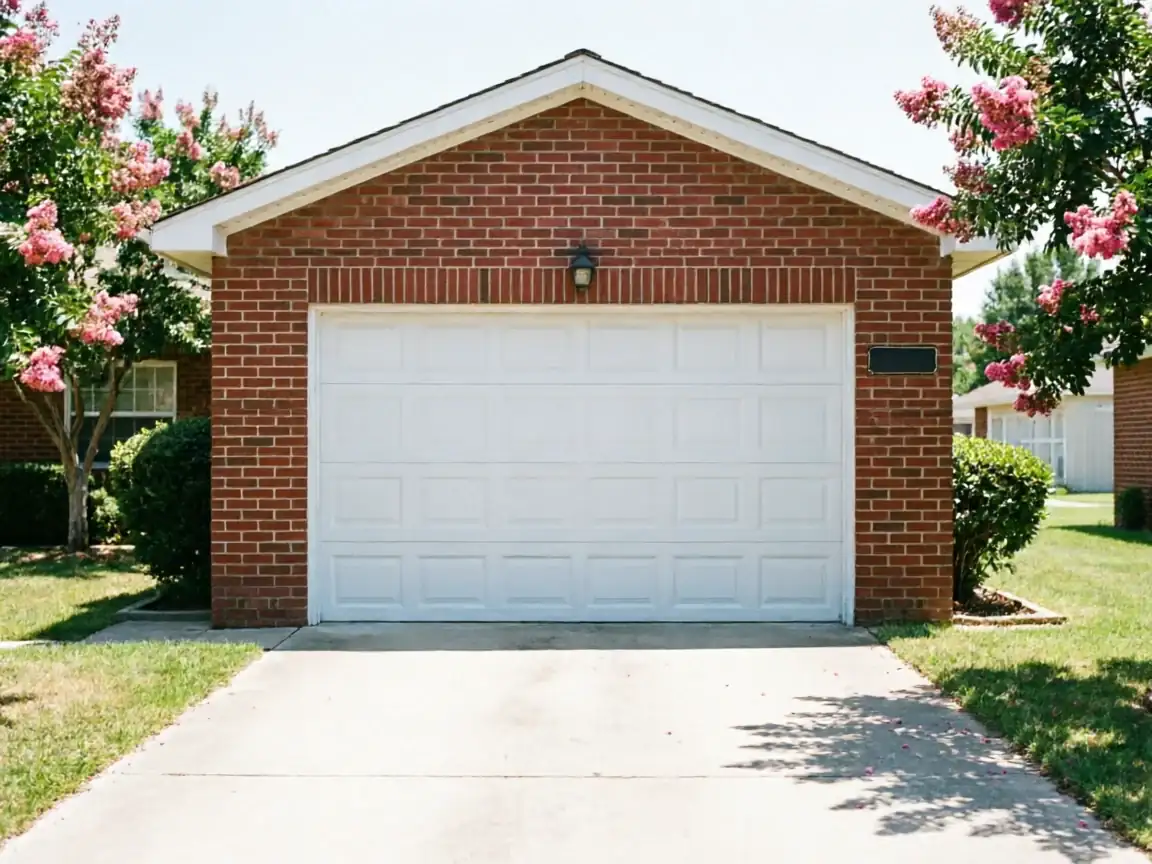
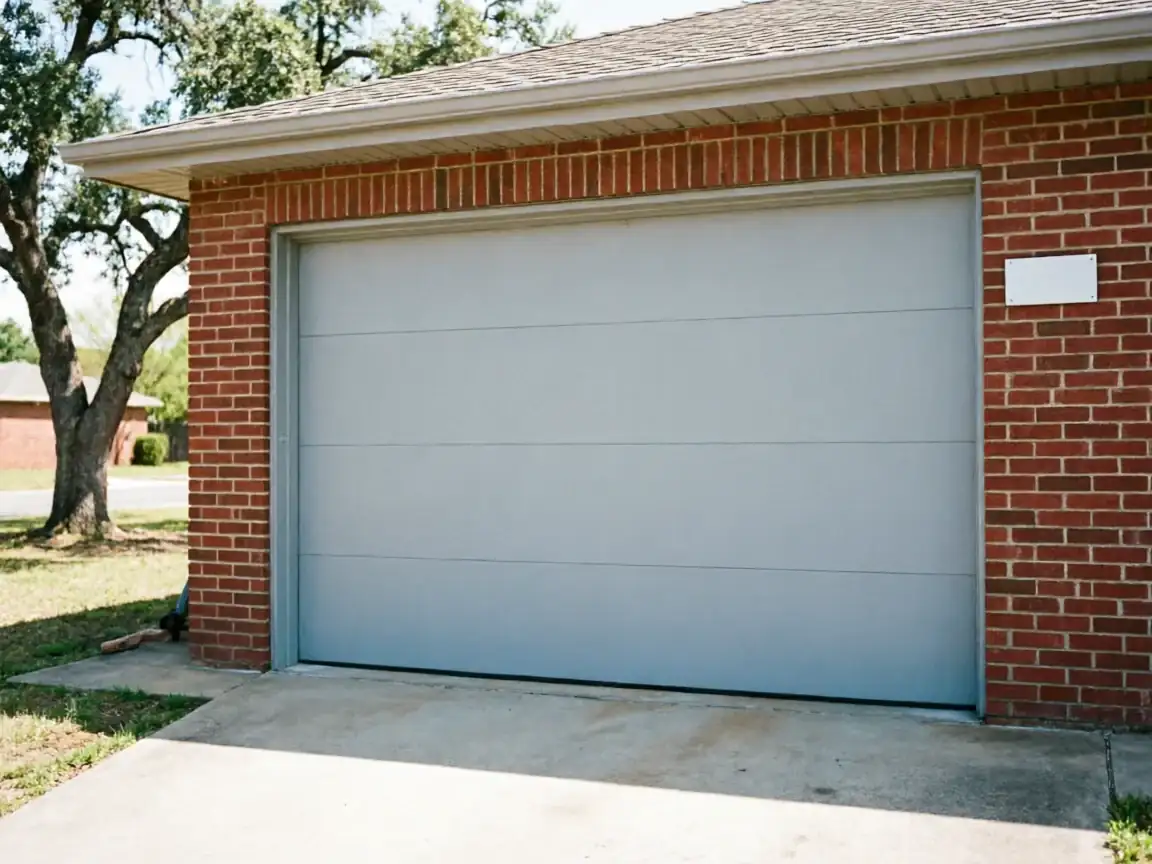
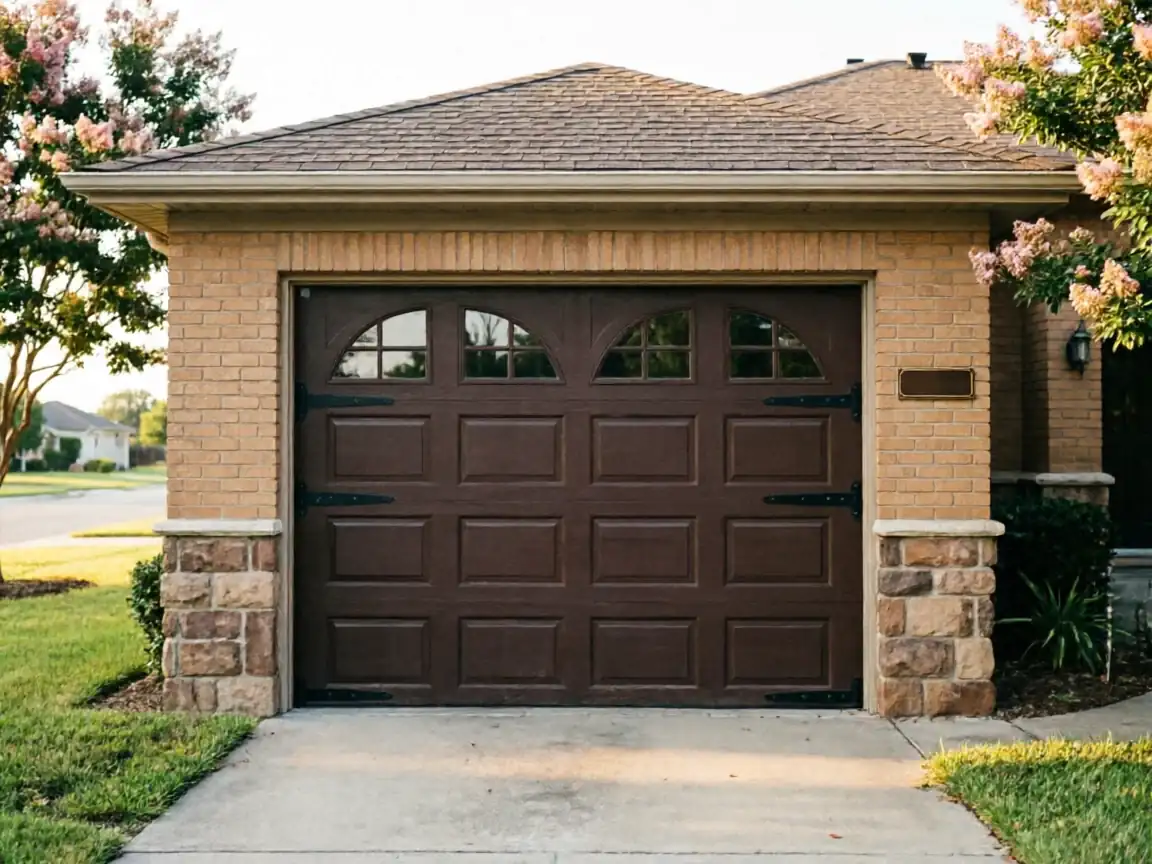
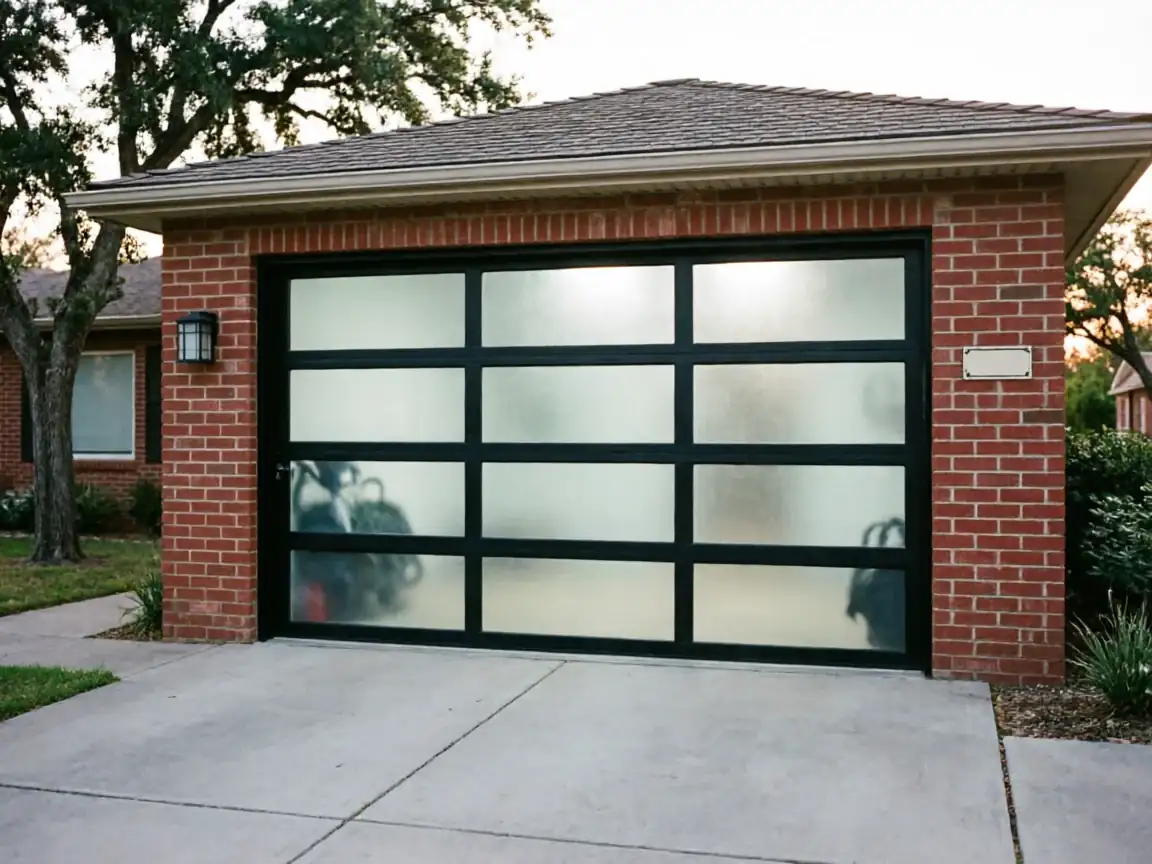
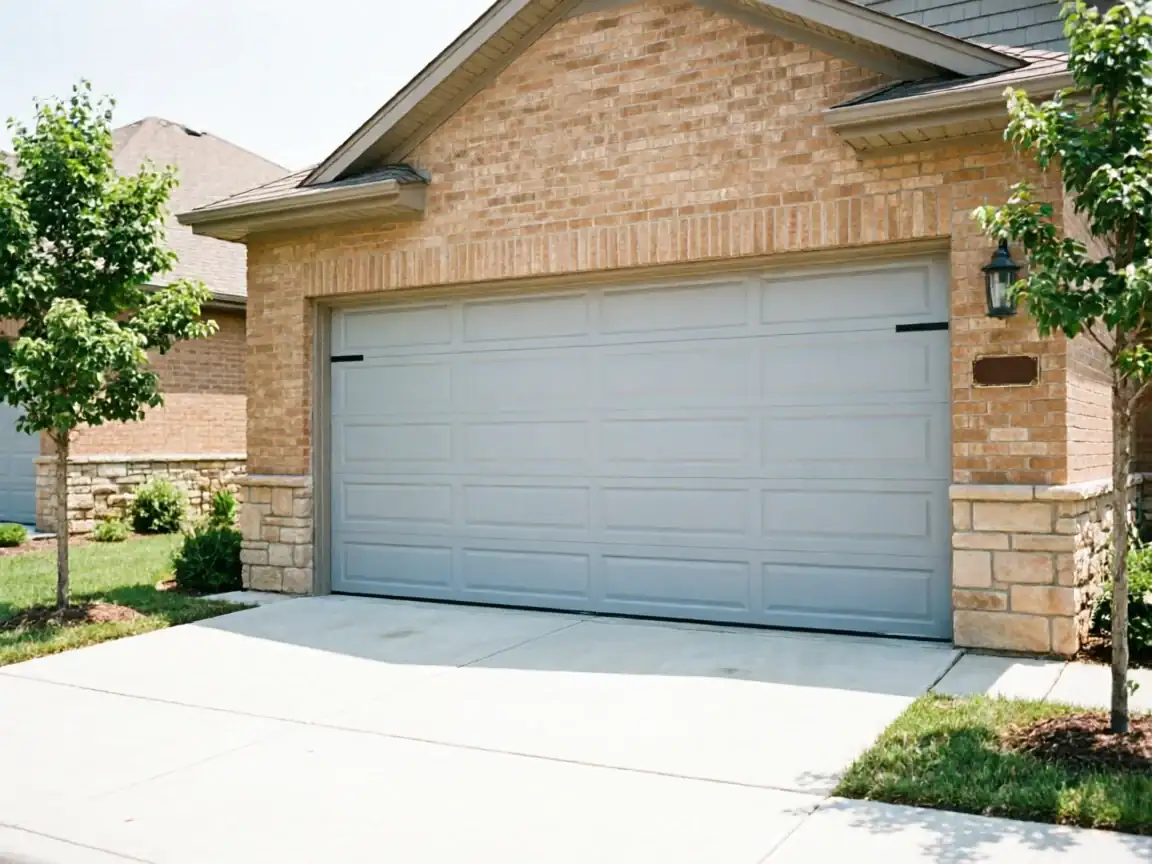
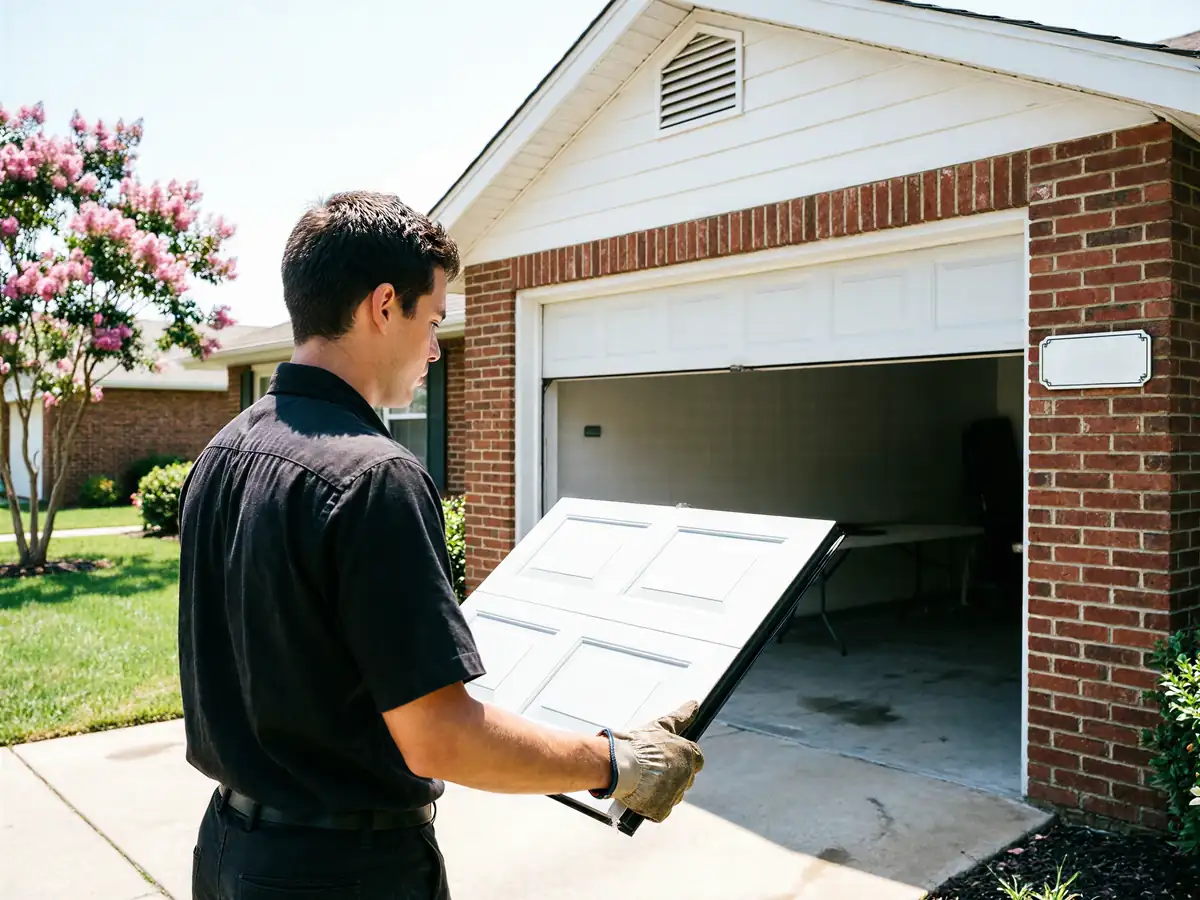
Most houses in Reno went up around 1992, which puts the garage door itself squarely in the steel-sectional era - raised-panel steel doors in standard 16x7 double or 9x7 single sizes, not the custom or carriage-style doors you'd find on newer builds elsewhere in the area. That matters for cost, because standard sizes mean standard panel stock, not a special order. A single damaged section on a door that size is usually a swap-in job, not a full-door replacement, as long as the track and springs underneath are original to the door and haven't been upgraded or mismatched over the years. We quote the job after we see which panel is hit and whether the door's track width still matches current stock, since 30-year-old doors sometimes don't. We don't publish a flat number here because the cost swings with panel count and whether the run has been discontinued - we'll tell you on site, not over the phone.
Can You Do This Yourself
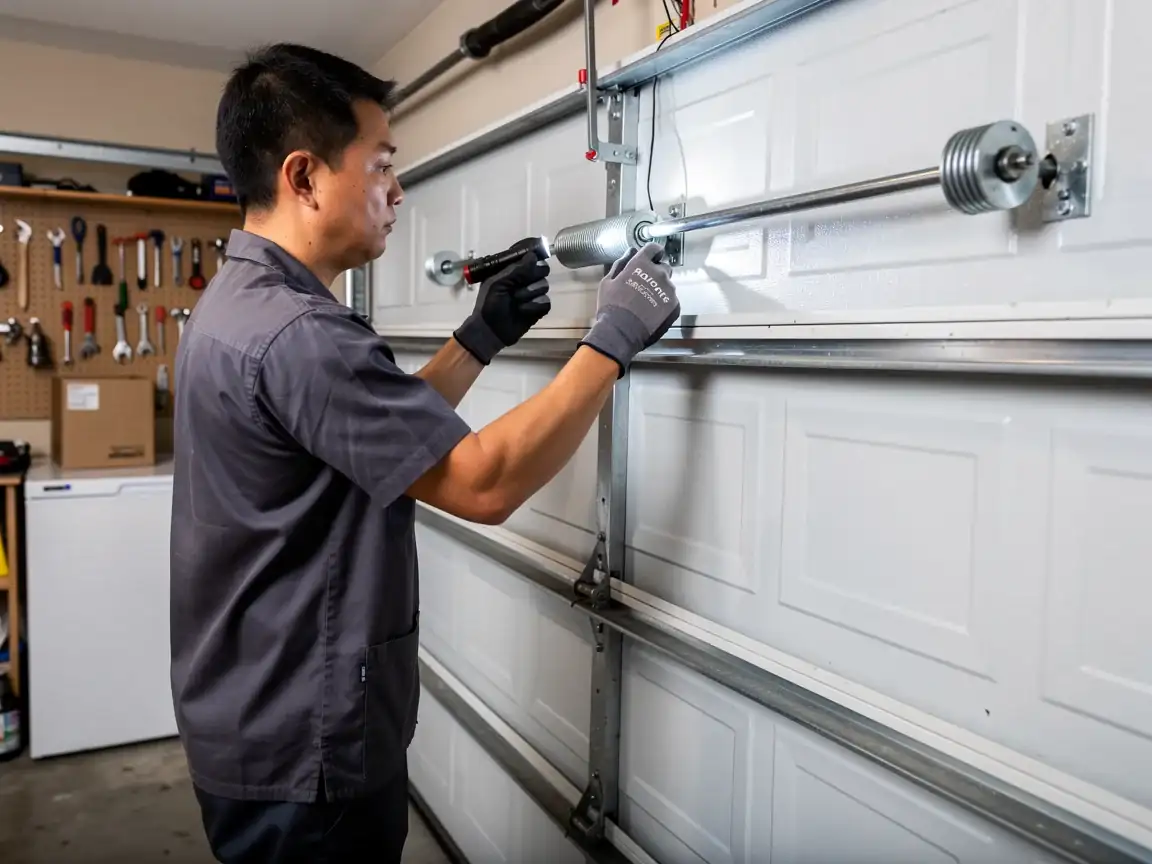
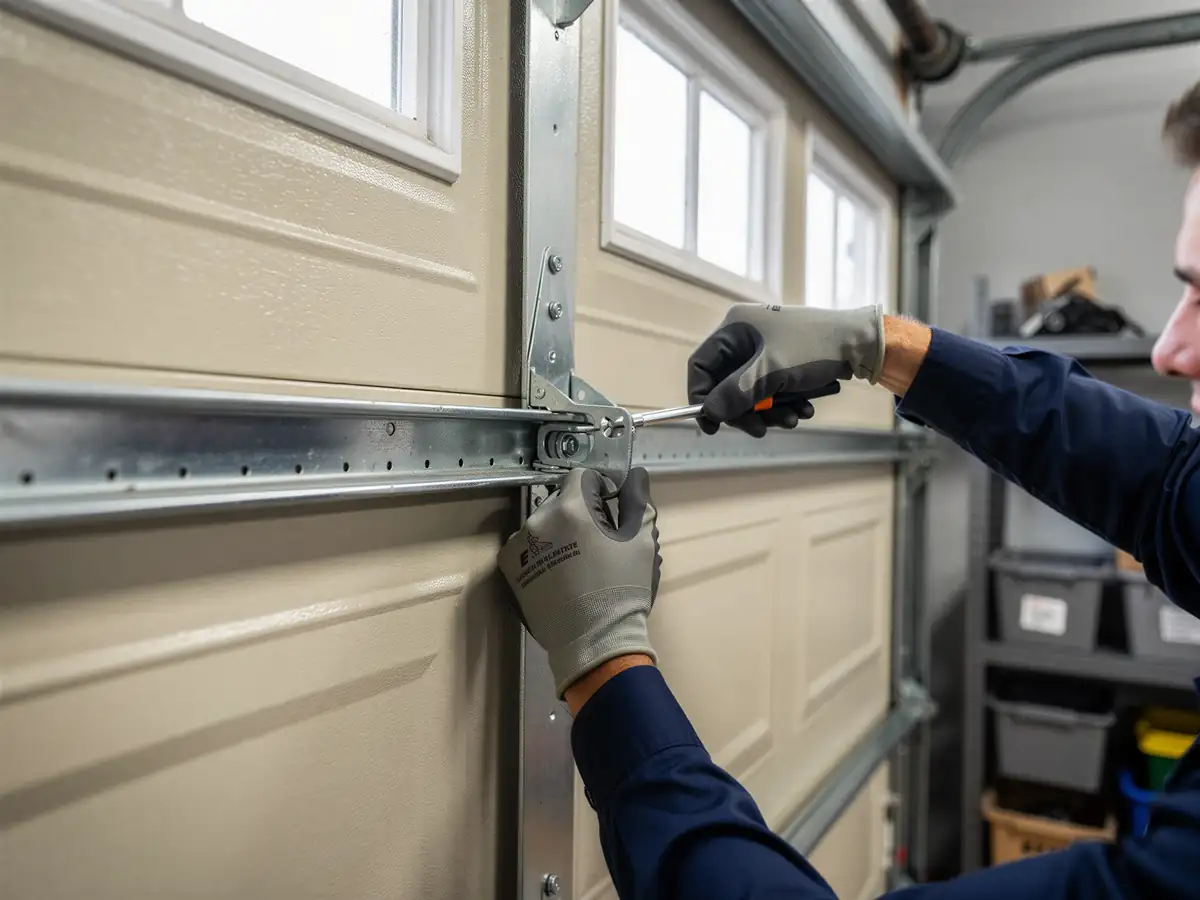
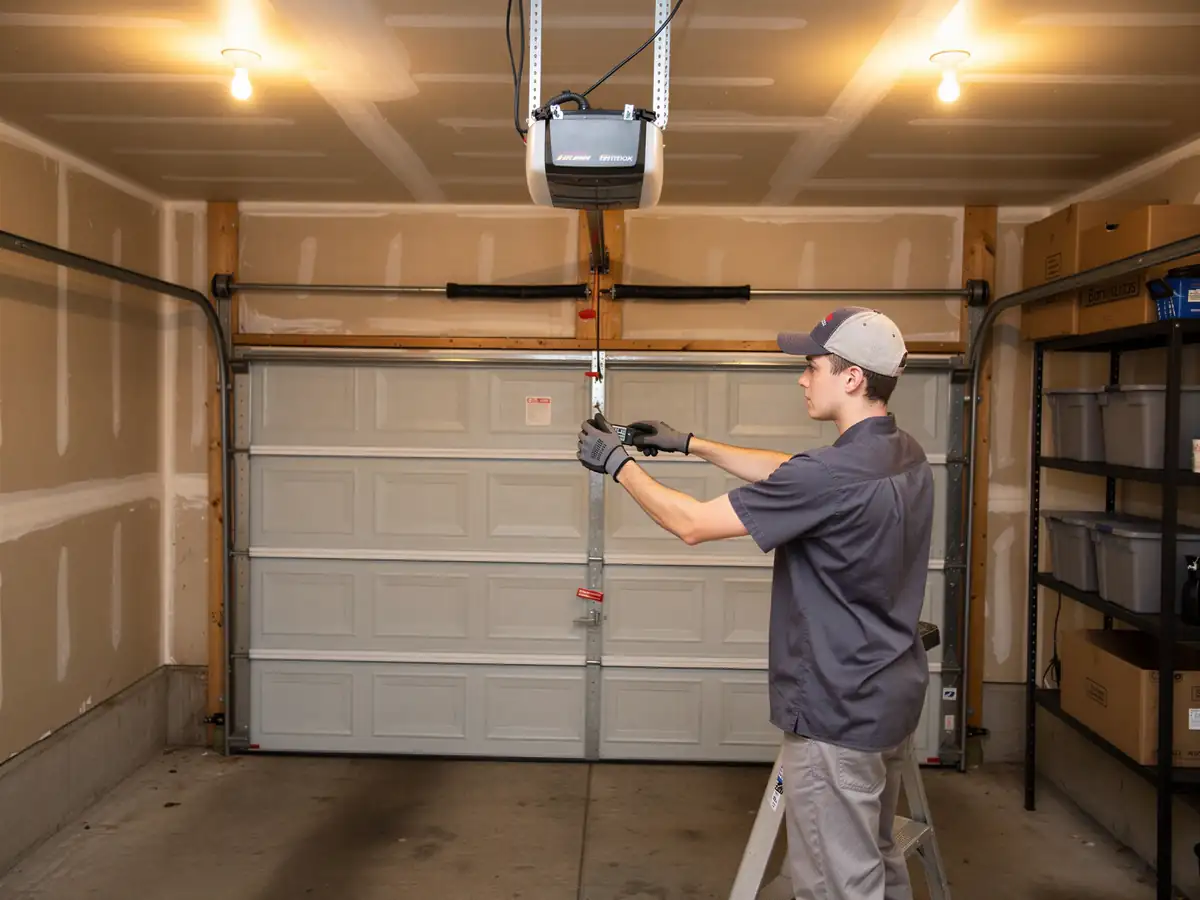
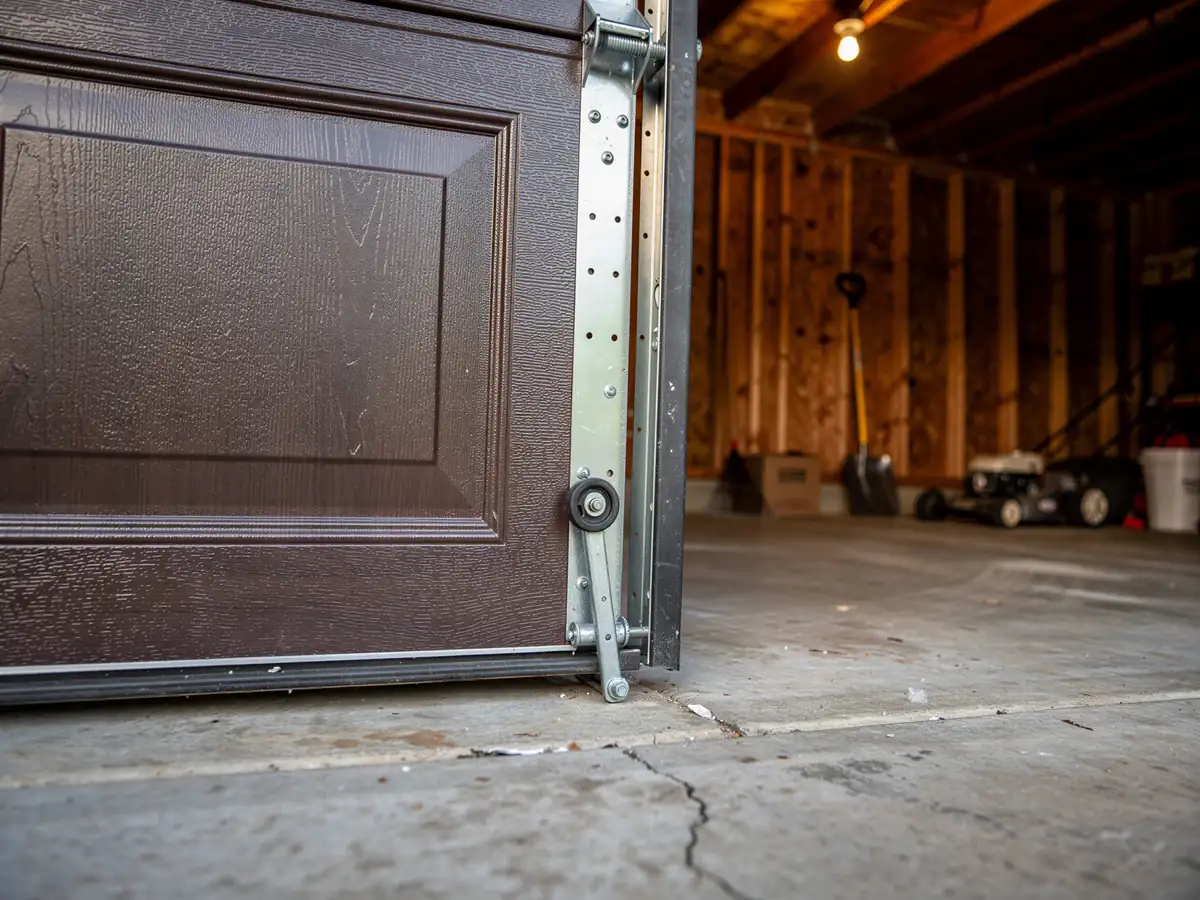
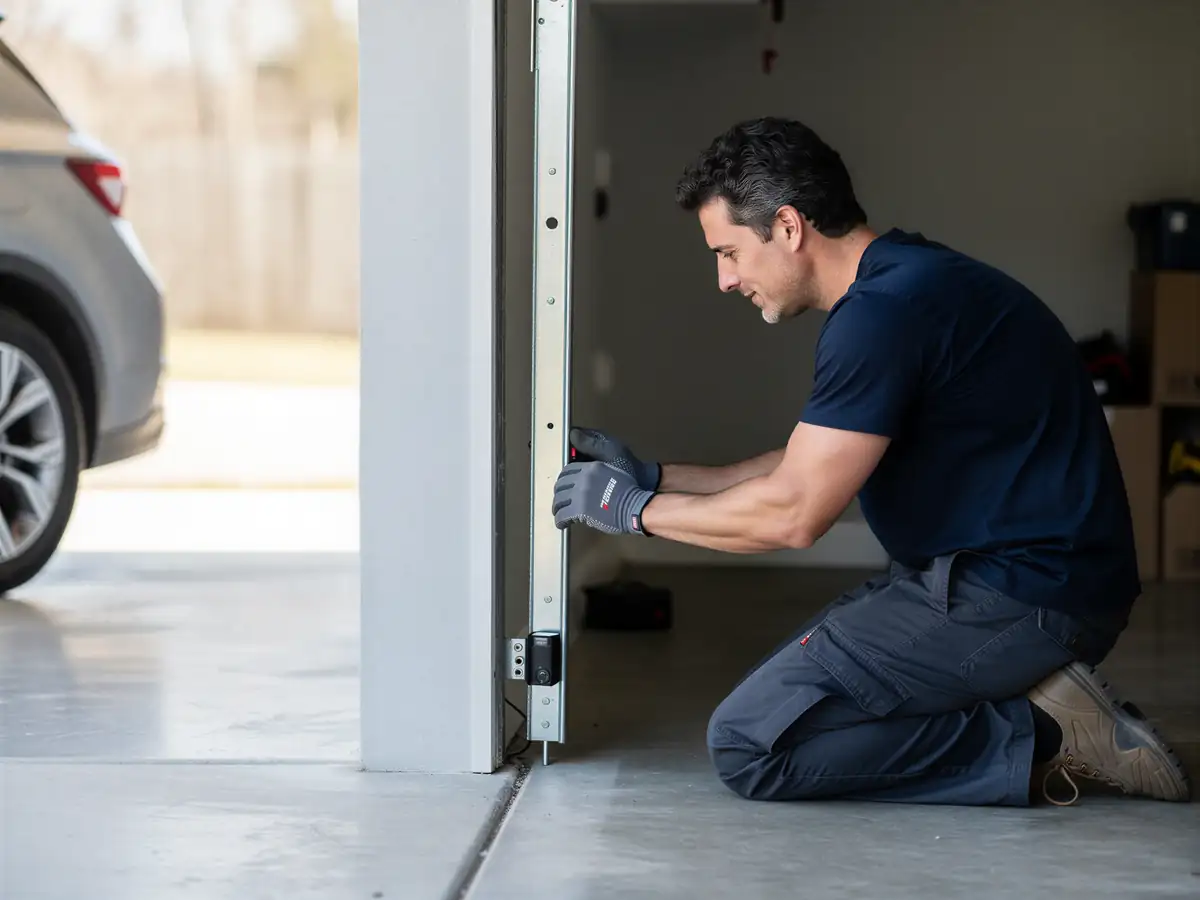
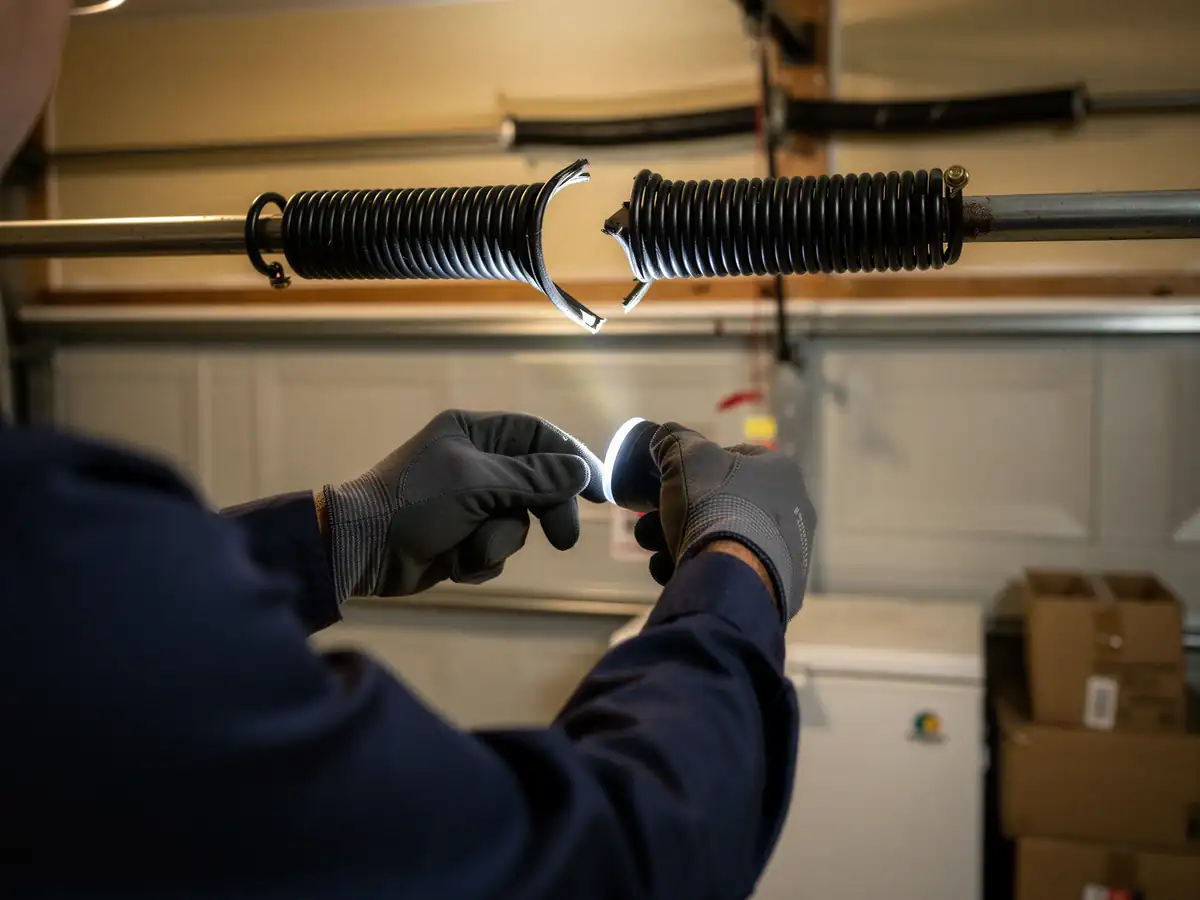
A single cracked or dented panel on a steel sectional door is one of the more DIY-friendly garage door jobs, provided the door is still on its original springs and the panel is a bolt-in, not a welded or riveted-in section - common on some early-90s runs. You unbolt the hinges, slide the old section out, slide the new one in, rebolt. Where it goes wrong: pinching a cable while the door is off its track, or not noticing the spring is already fatigued and failing while the door's apart and unsupported. If your panel sits at the bottom near the rollers, or the door is a double and the track geometry is tight, that's where we'd tell you to call rather than improvise - a double door off-track with no spring tension is heavier than it looks.
Why It Happens Here
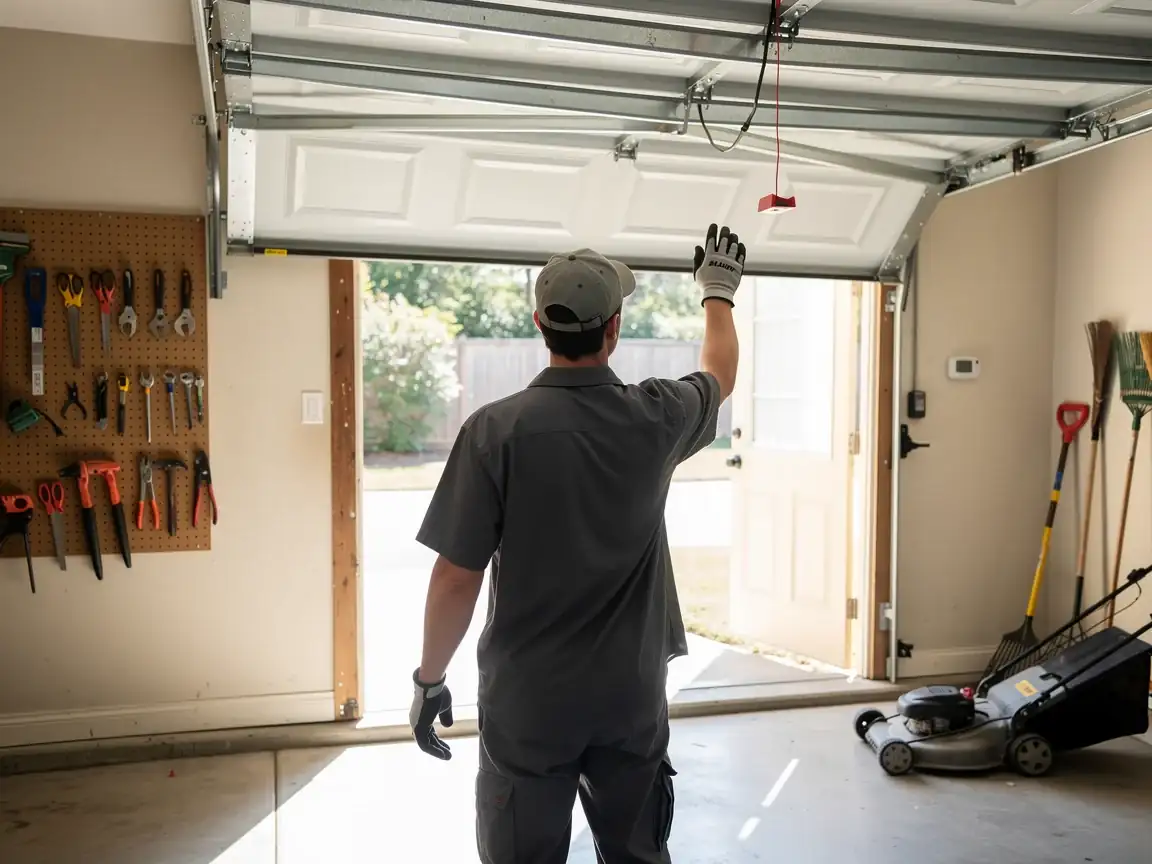
Reno's garage doors are mostly original to builds from the early 1990s, and three decades of regional heat is hard on steel panels in a specific way: thermal expansion works the seams between panel sections, and a door that's taken one solid impact - a trailer hitch, a basketball, a backed-into mower - tends to crack along a seam that's already been flexing for 30 years rather than holding firm like a newer door would. We see this pattern across the area's 1980s-90s housing stock generally, not just here, but a 1992-built door has had more heat cycles behind it than a door built in 2005. It's one reason a single bad panel on an older door sometimes reveals track wear you didn't know was there.