The Cost of This Job
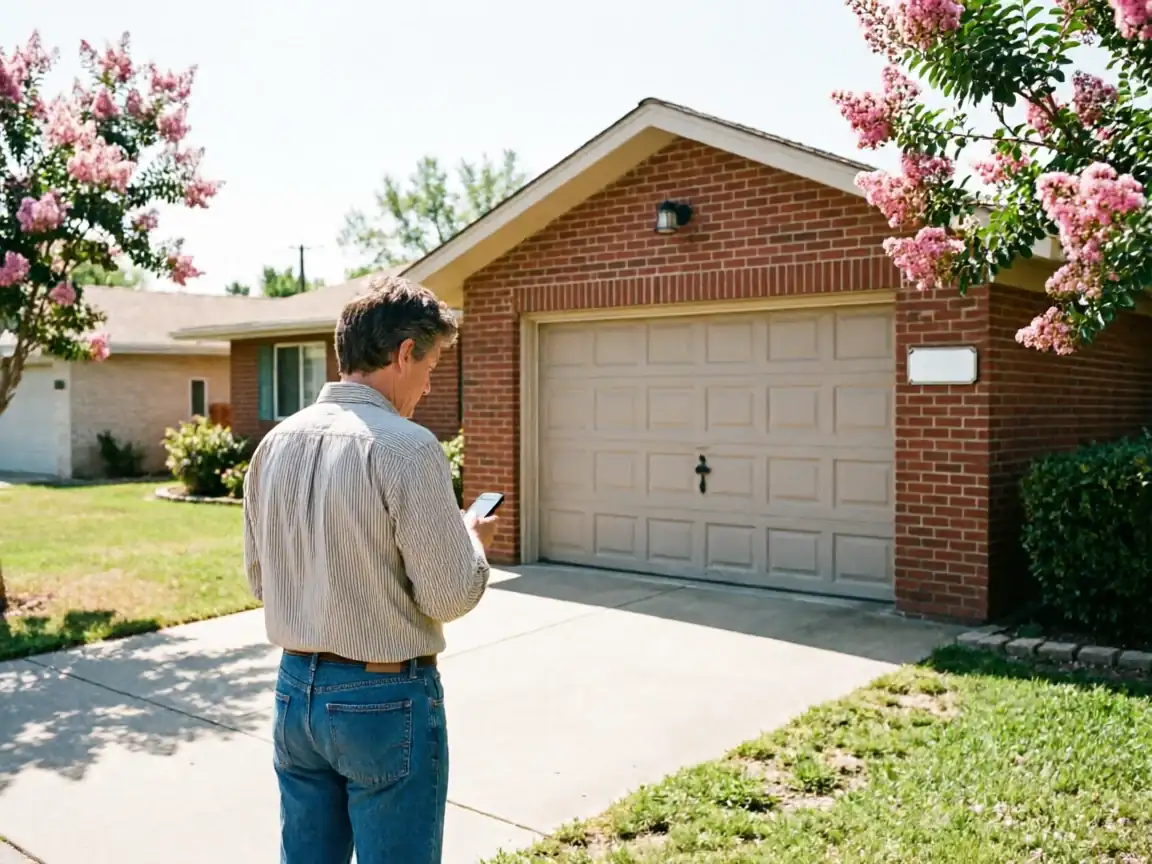
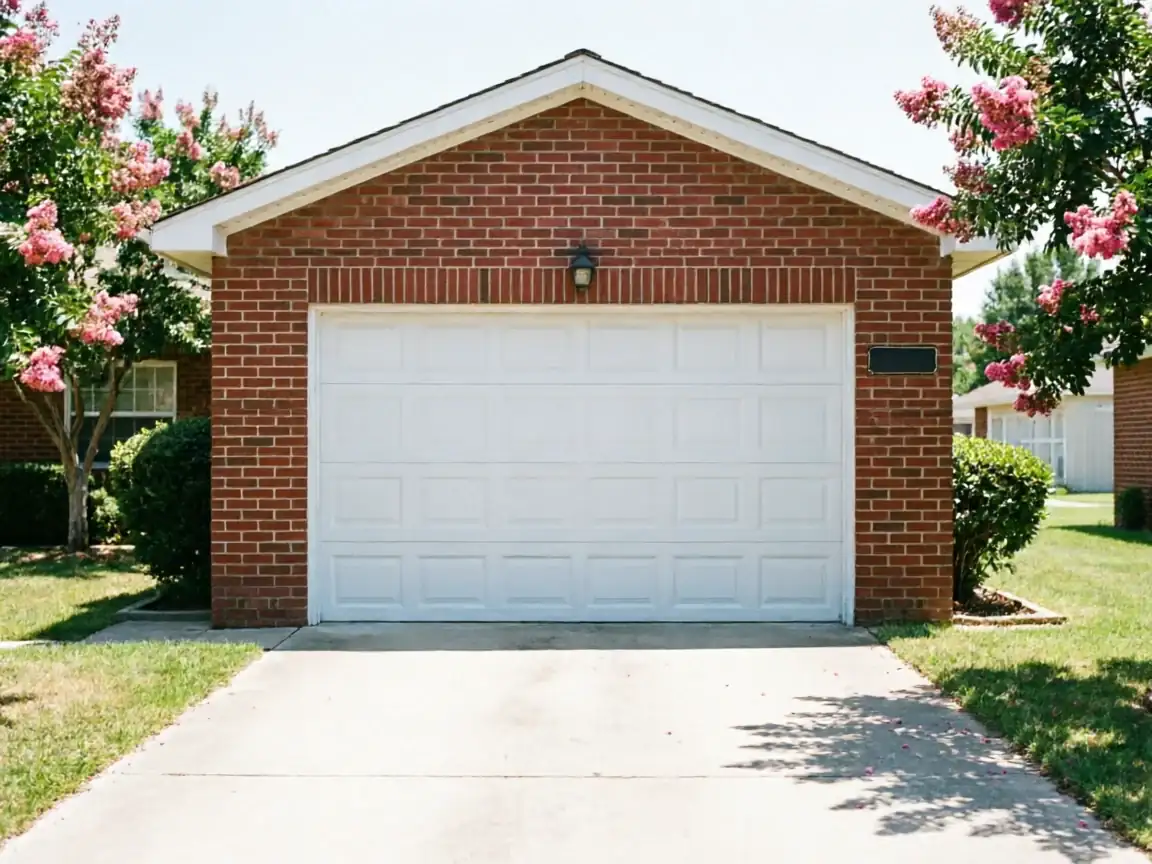
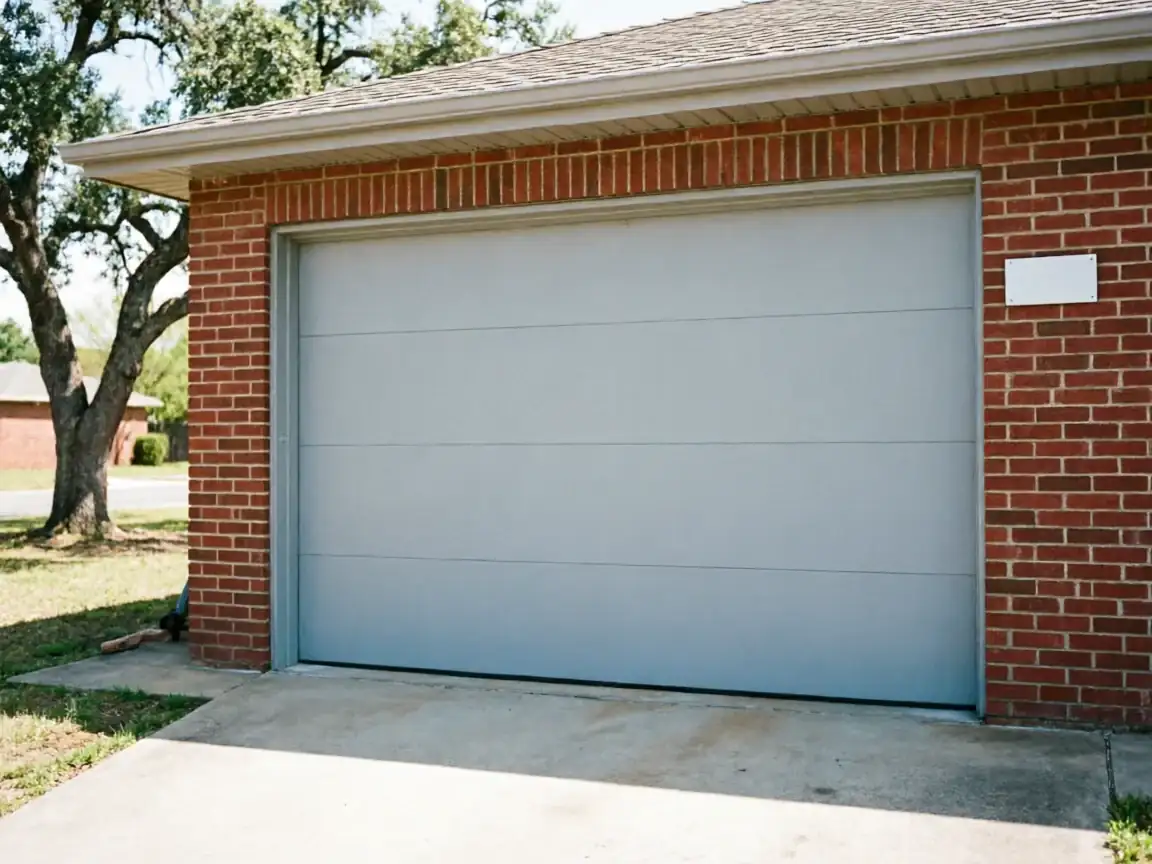
Reno is a small place - about 1,102 households, not a sprawling subdivision grid - so the installs we run out here tend to be single-family garages built to a fairly consistent spec rather than a mix of twelve different eras stacked on top of each other. That consistency actually helps on cost: when most of the housing went up around 1992, the opening sizes, header heights, and track clearances repeat from house to house, so a crew isn't guessing or custom-fitting as often.
We don't post a flat number here because the real cost swings on door material, insulation, number of panels, and whether the opener gets replaced at the same time - none of which we'll guess at before seeing the opening. What we can say is that homes from this build era in Reno usually take a standard 16x7 or 9x7 steel door without structural surprises, which keeps labor predictable. If your header has been modified, or the framing's been patched over the years, that's the kind of thing that adds time and cost, and we'll flag it before we start, not after.
One honest limit: we quote on-site, not over the phone, because header width and track clearance vary enough house to house that a phone estimate is just a guess dressed up as a number.
Can You Do This Yourself
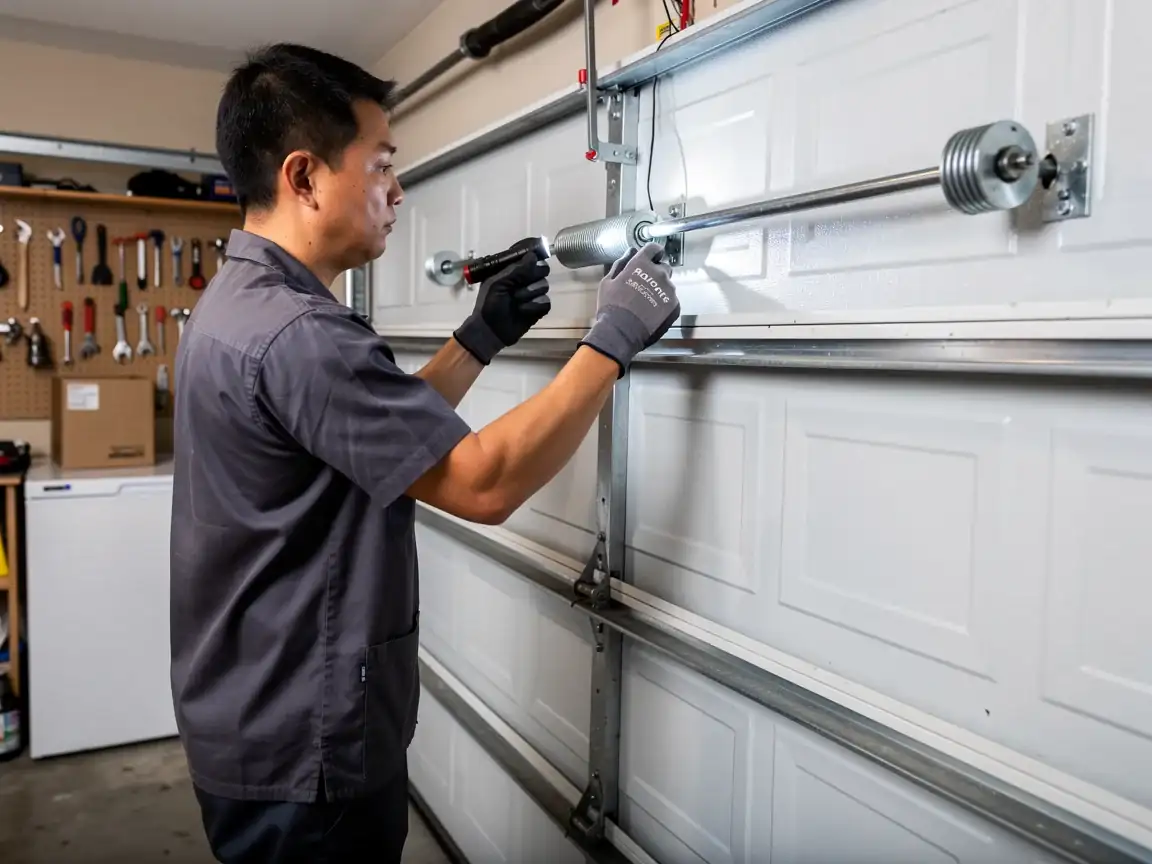
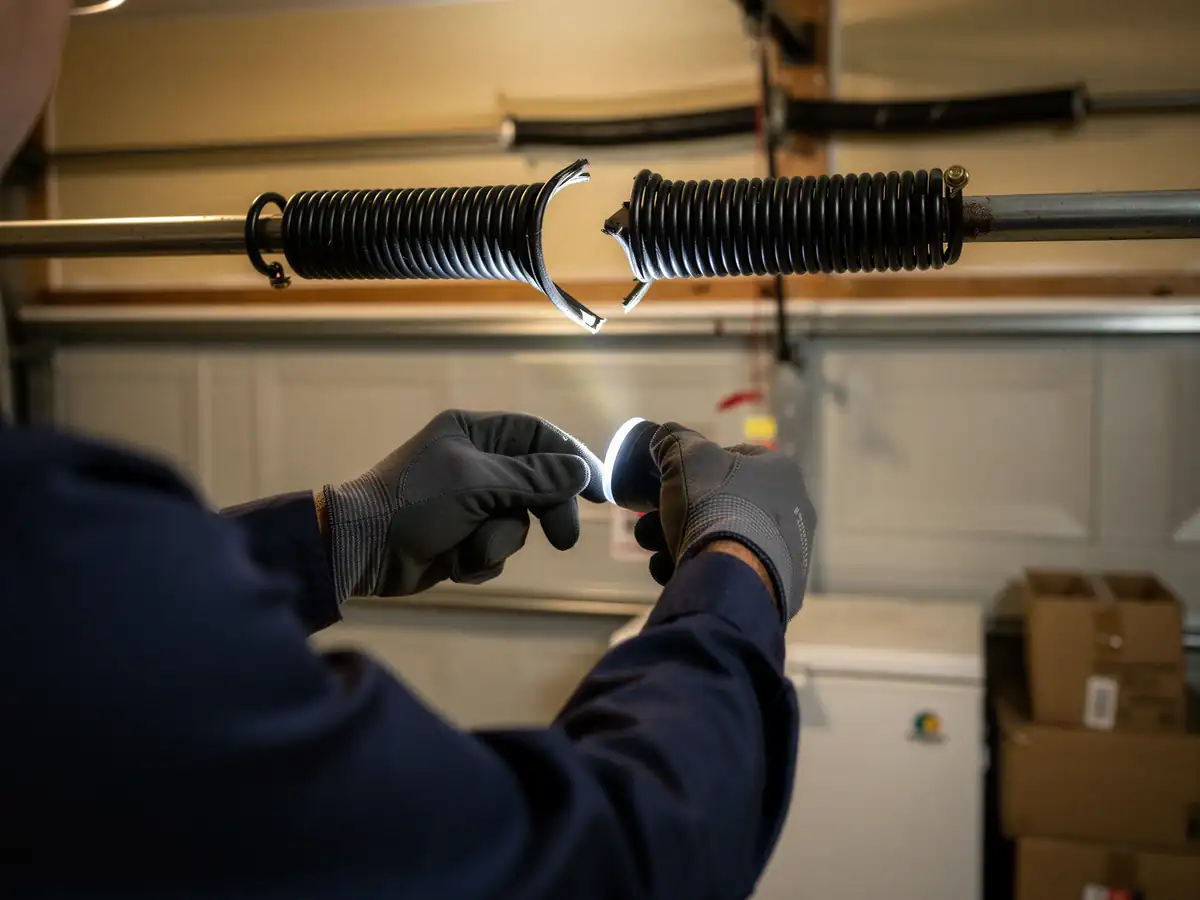
A new garage door is not a weekend bolt-on job, and the places people get hurt are predictable: torsion springs under load, and misjudging the weight of a panel going up alone. If your house in Reno dates from the early 90s build wave, odds are you've still got the original torsion hardware, which has had three decades to work loose, rust at the end bearing, or just wear past spec. Swapping the door skin without addressing that hardware is how a new door ends up hanging on old, tired springs.
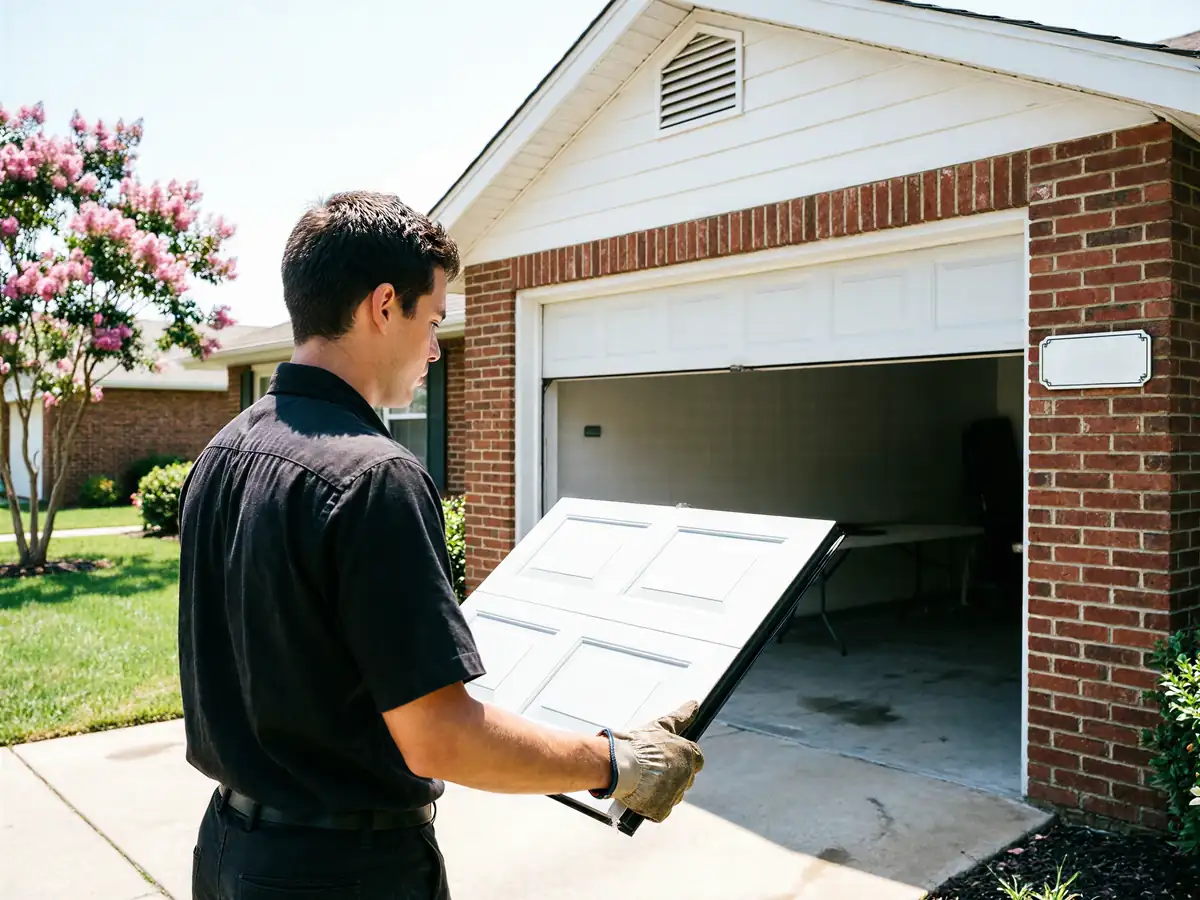
What you can reasonably do yourself: pull the old door off its track, clear the opening, and have the rough dimensions ready before a crew shows up - that saves time on-site. What we don't recommend doing yourself: setting spring tension, hanging a full-weight insulated door alone, or wiring a new opener into existing circuits without checking the breaker rating. None of that is about being clumsy - it's about the door weighing more than it looks like it weighs, and a spring that's been coiled under tension for thirty years not behaving the way a brand-new one does.
If you want to do the demo and prep yourself and have us handle the install and spring sizing, say so when you call - that's a normal way to split the job.
What the Fix Involves
On a house built around 1992, the garage opening itself is rarely the problem
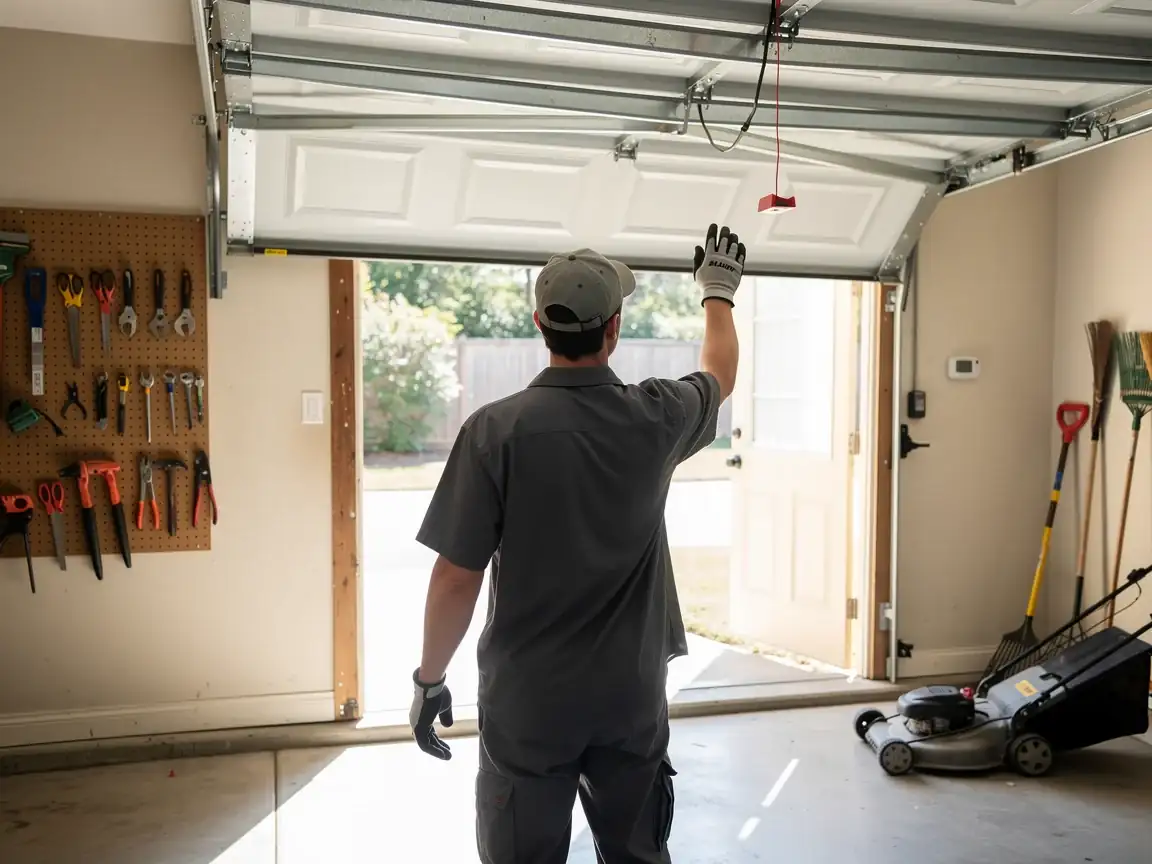
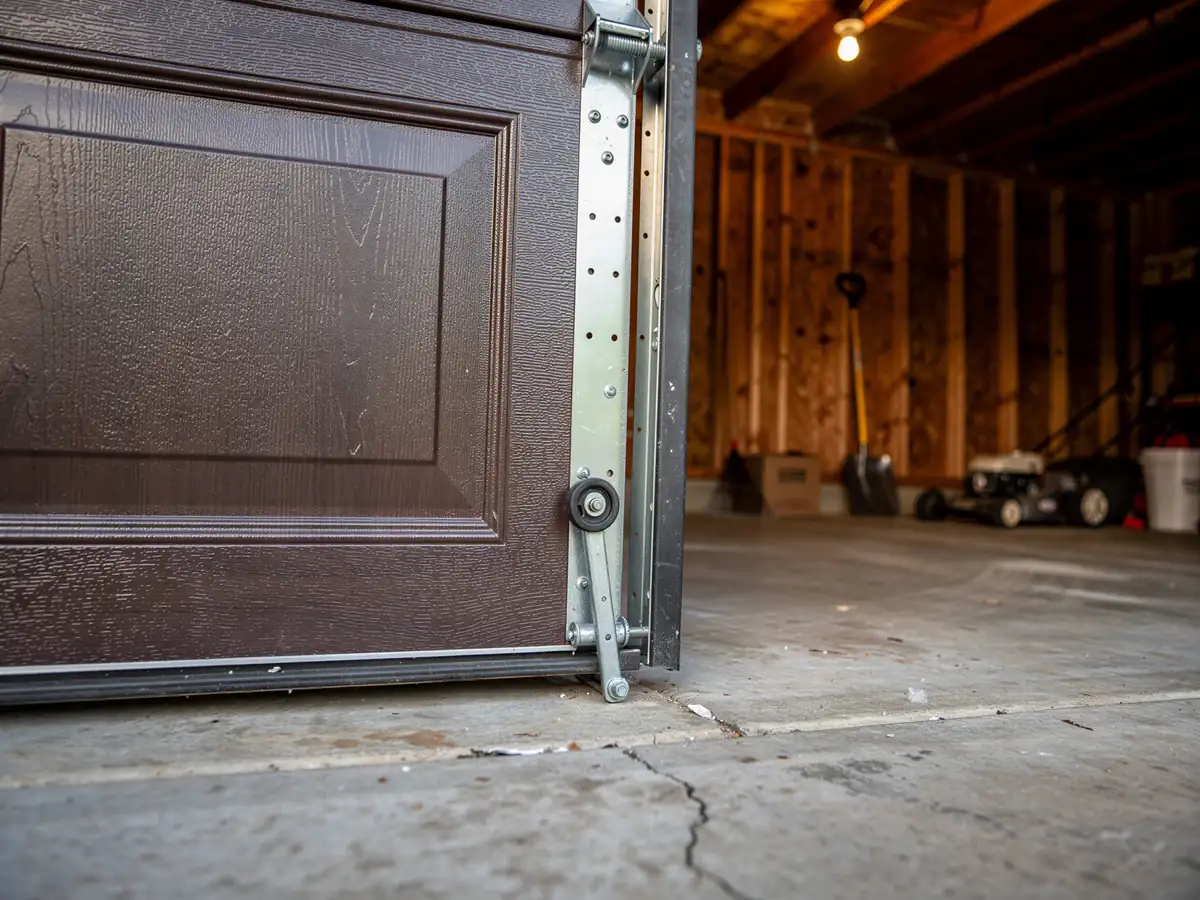
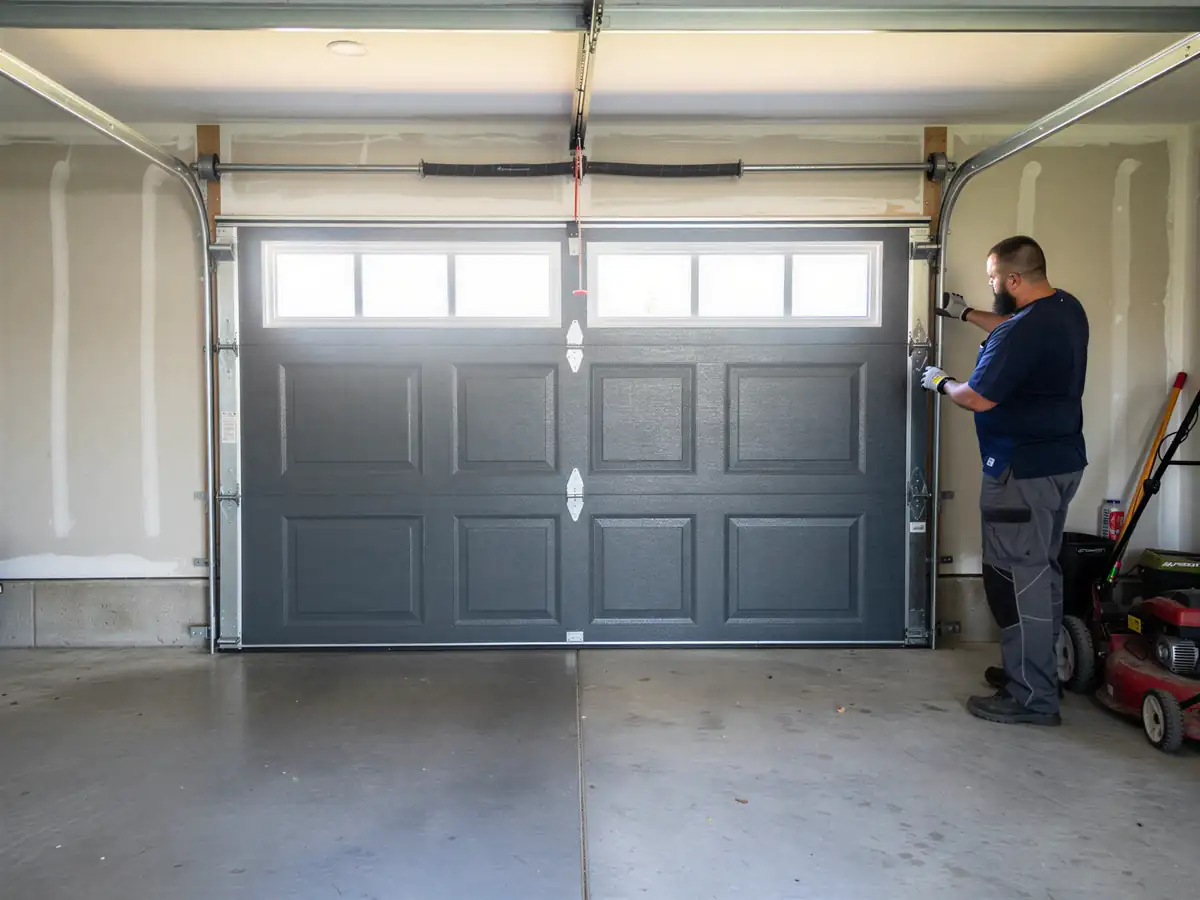
Those openings were framed to a fairly standard width for that era, so a new door fits without reframing in most cases. The work is in matching the door to hardware that's aged thirty-plus years: torsion springs sized for the original door's weight, tracks that have shifted slightly as the slab settled, and an opener that may predate the current safety-sensor requirements.
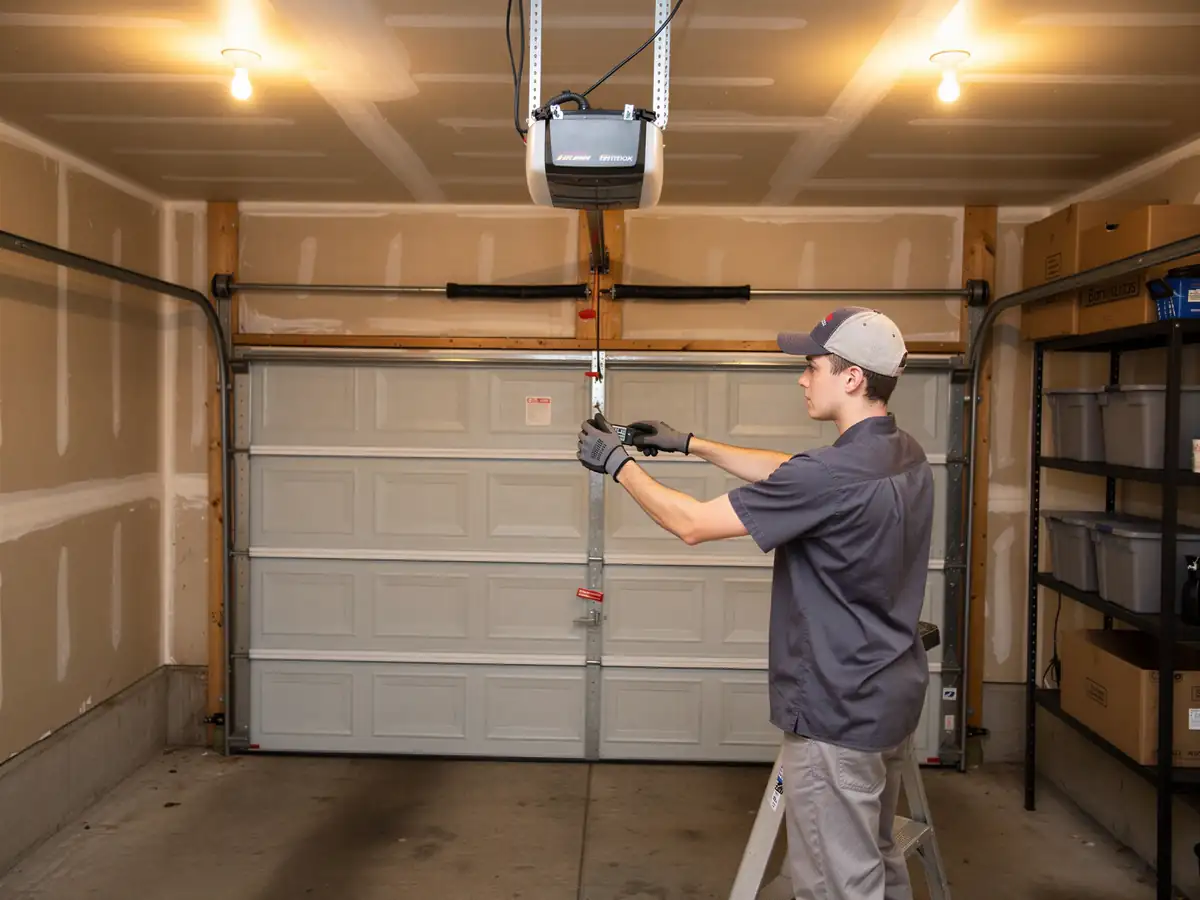
A proper install means pulling the old door and track assembly, checking the jambs for square
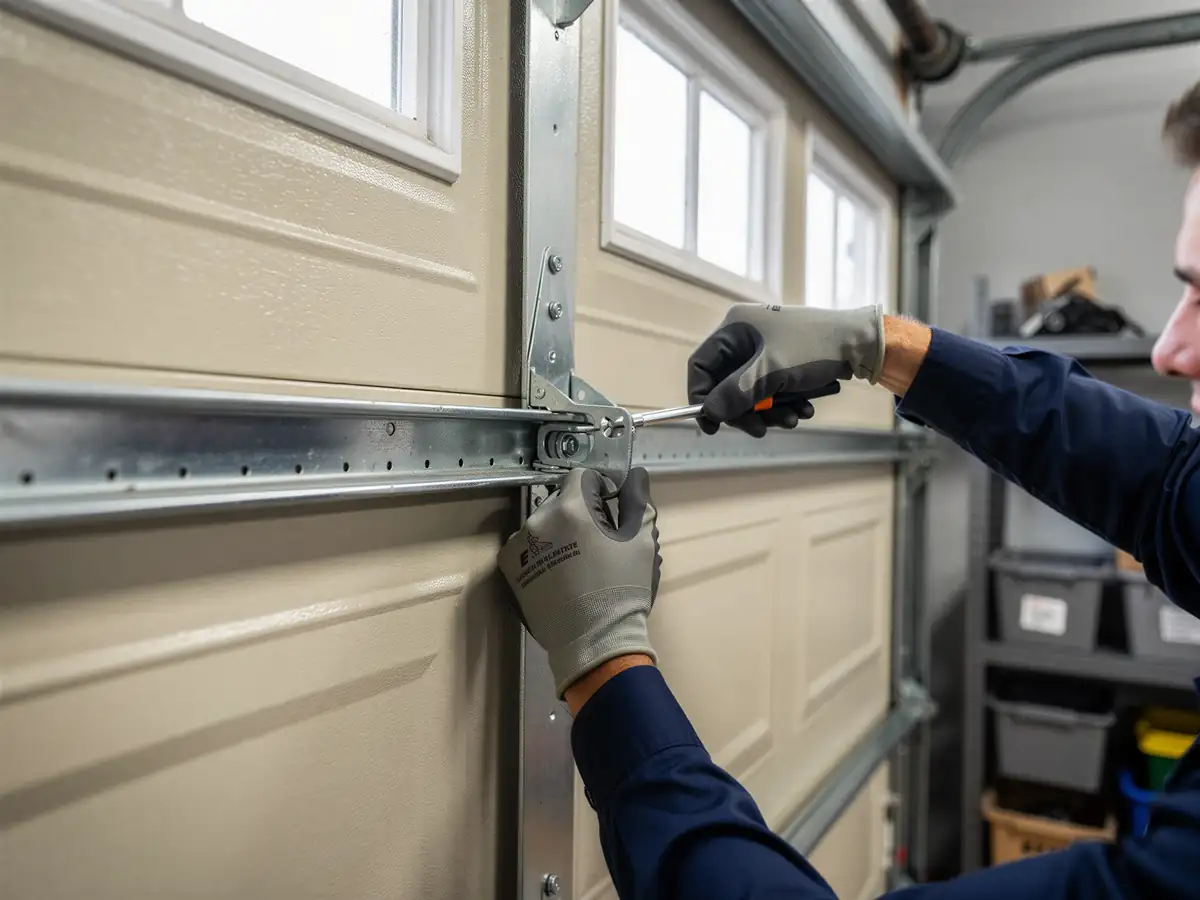
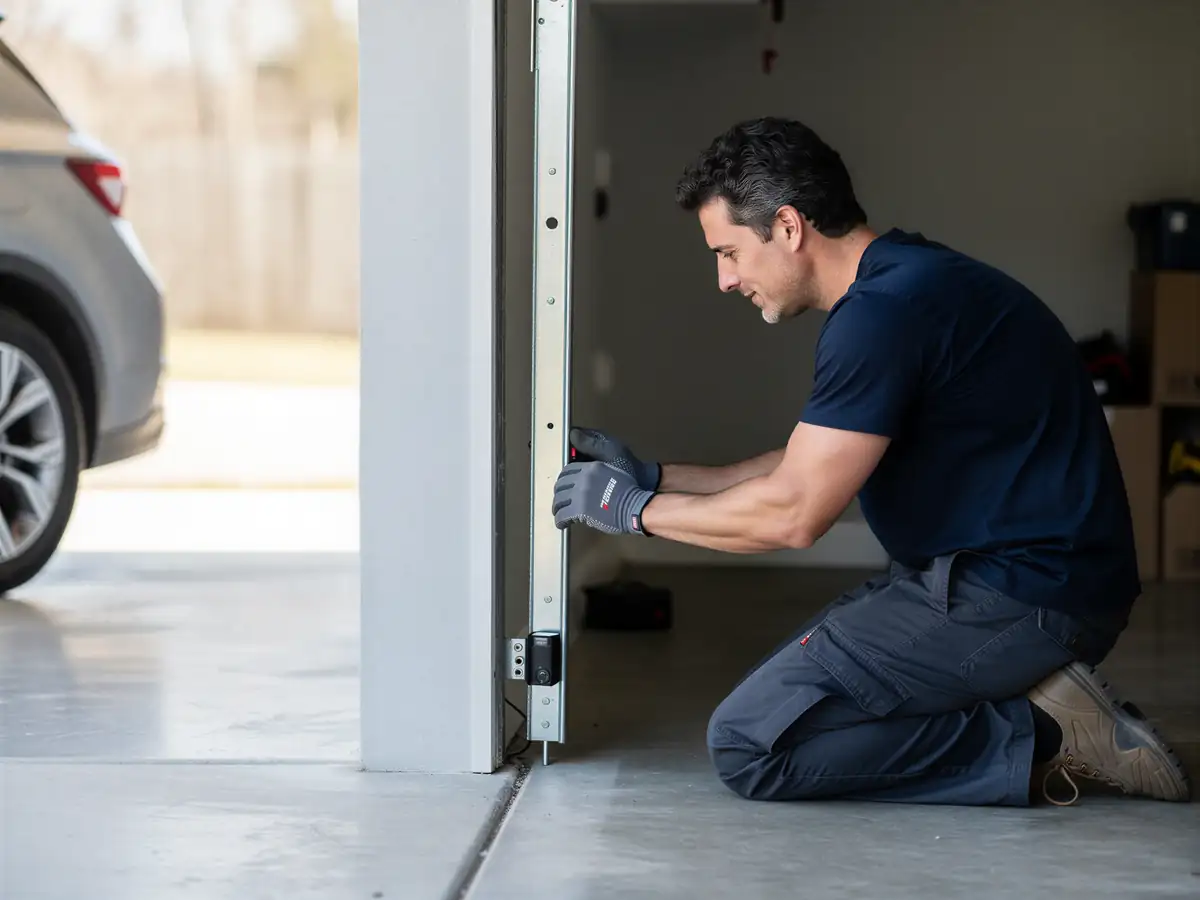
Setting new track to the opening, sizing springs to the actual new door weight (not reusing the old spring count because it's convenient), and mounting the opener with working photo-eye sensors. If the header's been touched by a prior owner's project, that gets addressed before the door goes up - hanging a new door on a bad header is how you get a callback in six months.
We don't cut structural framing or do header repair as part of a standard install
If the opening needs carpentry work beyond trim, that's a separate conversation before the door goes on order.
Why It Happens Here
Reno's housing largely dates to the early 1990s, the tail end of the broader 1953 to 2010 build range across this service area, and that matters for one reason: doors and openers from that era are now old enough that springs are past their rated cycle count and openers predate modern safety standards, but the houses aren't so old that structural quirks from the 1950s-60s stock show up. It's a narrower, more predictable failure pattern than you'd see in an older neighborhood.
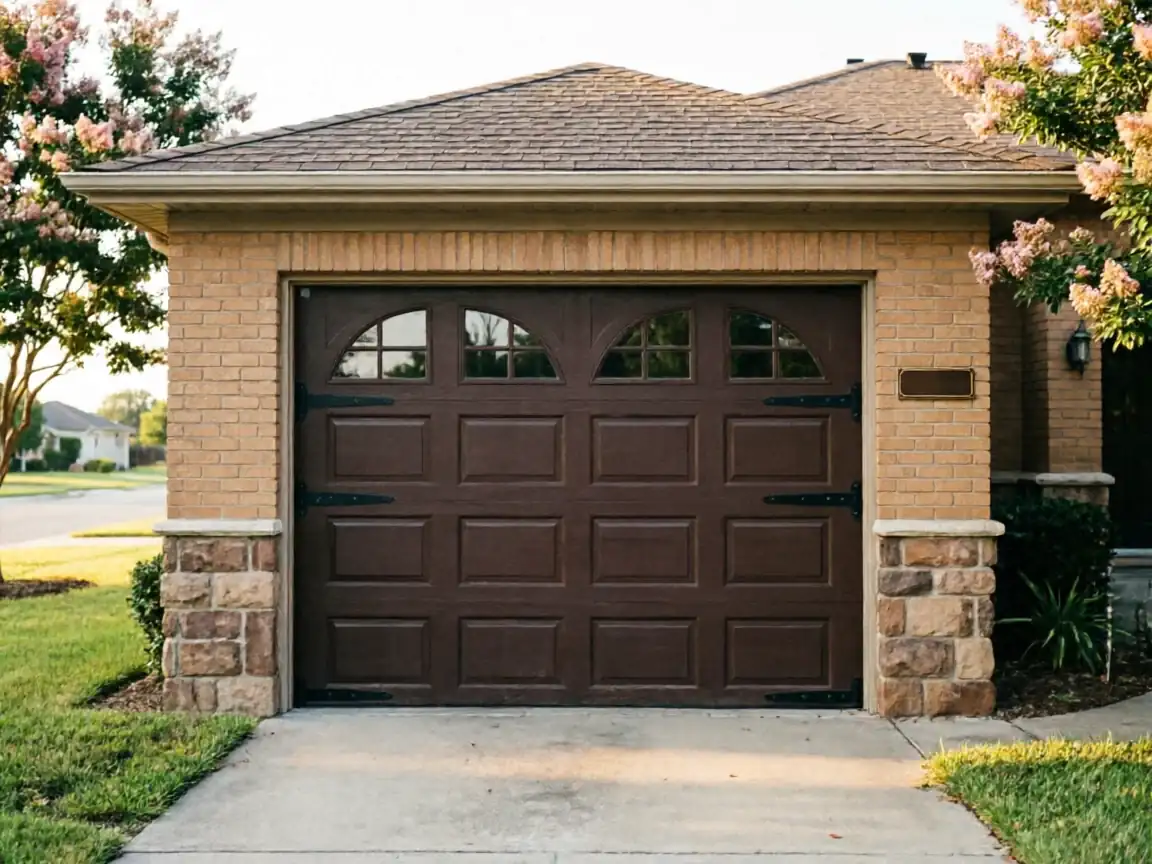
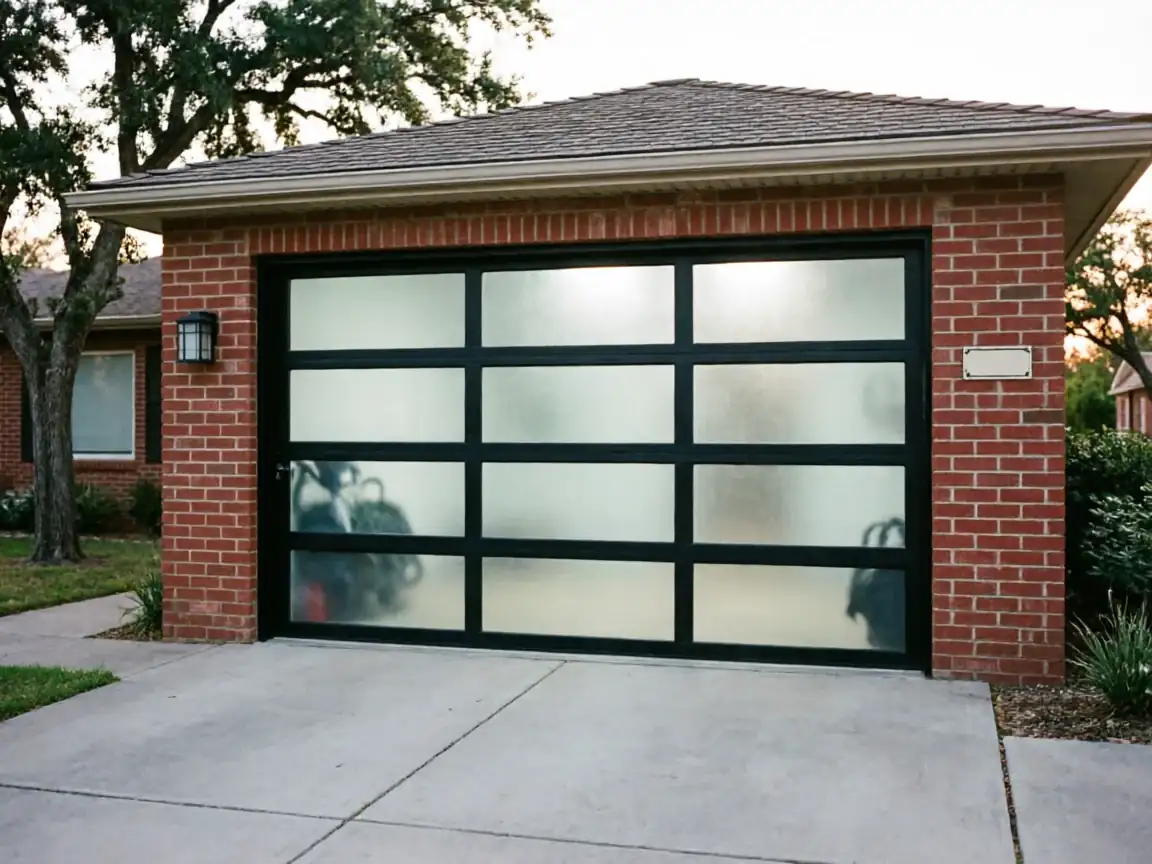
The climate here runs moderate on heat exposure, so we're not dealing with the kind of extreme thermal cycling that warps steel panels fast - wear in Reno tends to come from age and use, not weather stress. With household income in the area running above the regional median, we also see more owners opting for insulated or heavier-gauge doors on replacement rather than the builder-grade door that went up originally, since the upgrade cost difference is smaller relative to the rest of the household budget.
Reno sits about 4 miles from our Azle shop, close enough that we treat it as a standard service run, not a special trip.