The Cost of This Job
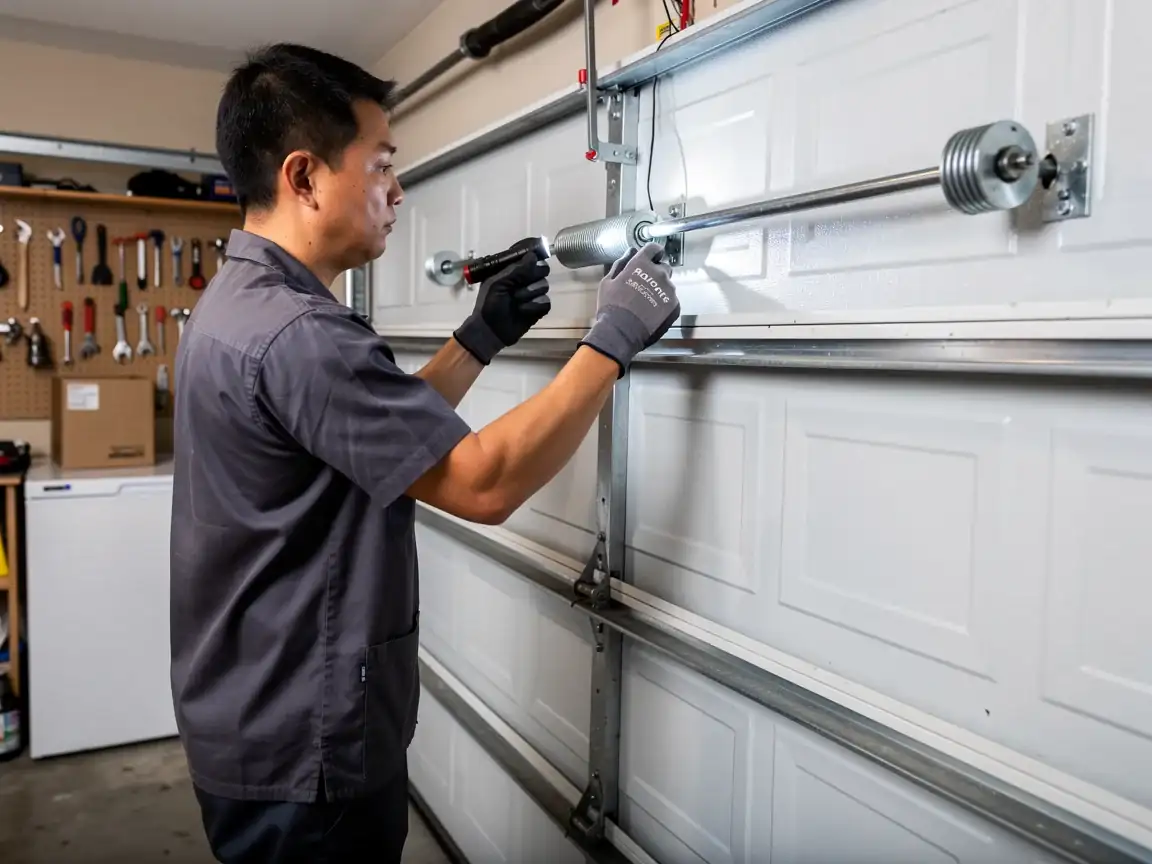
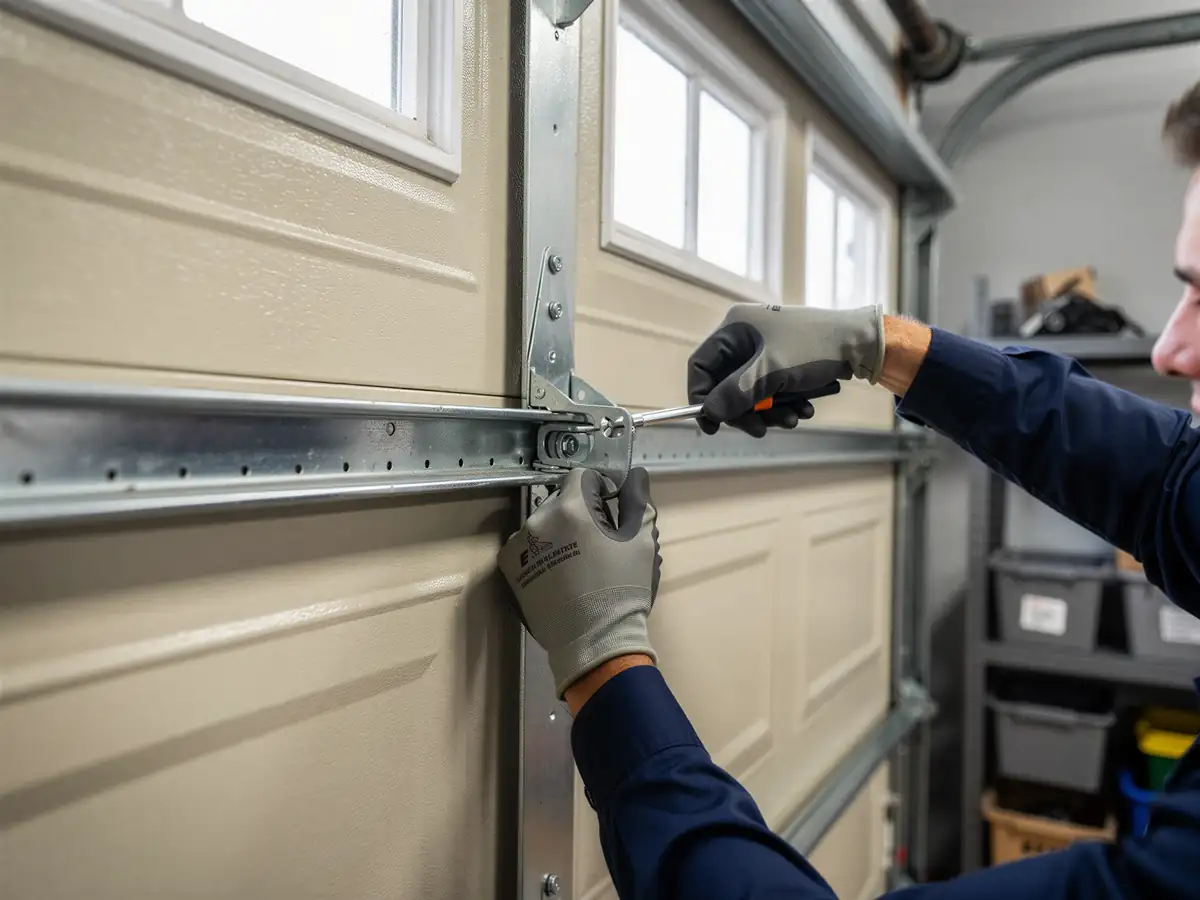
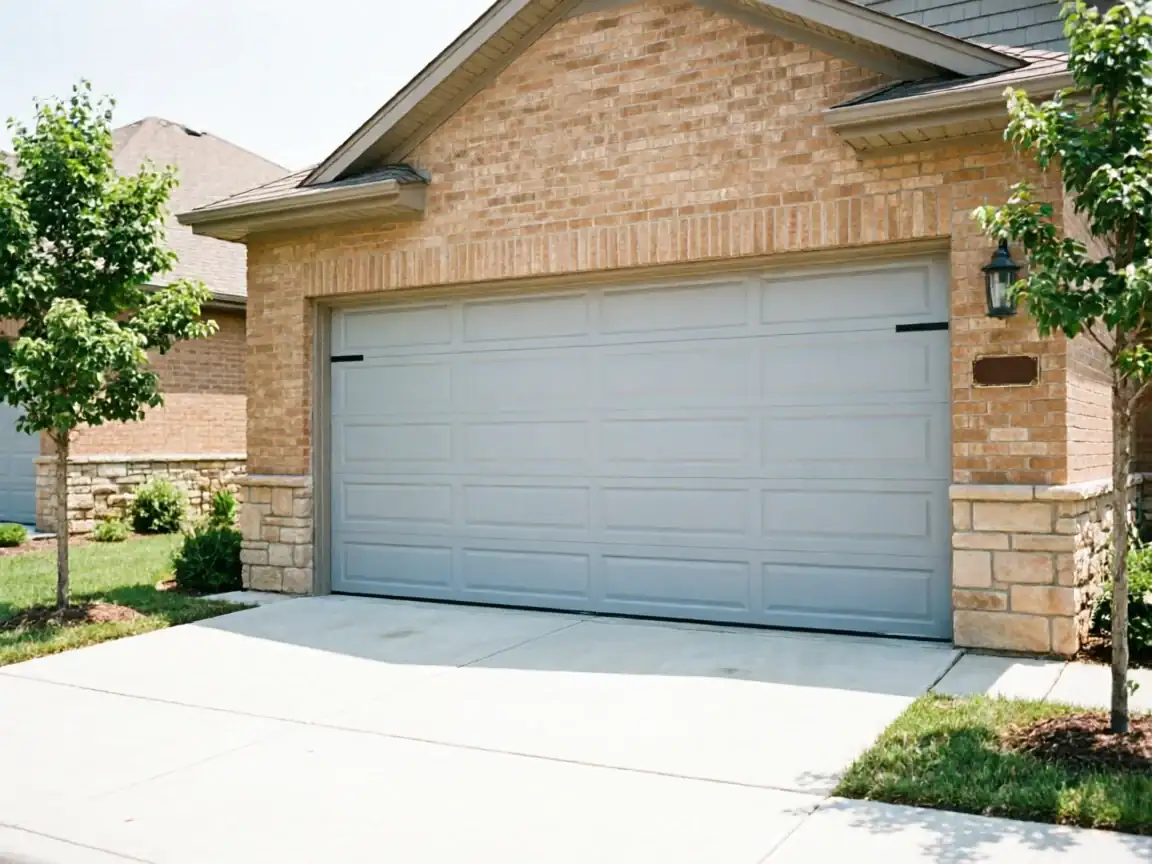
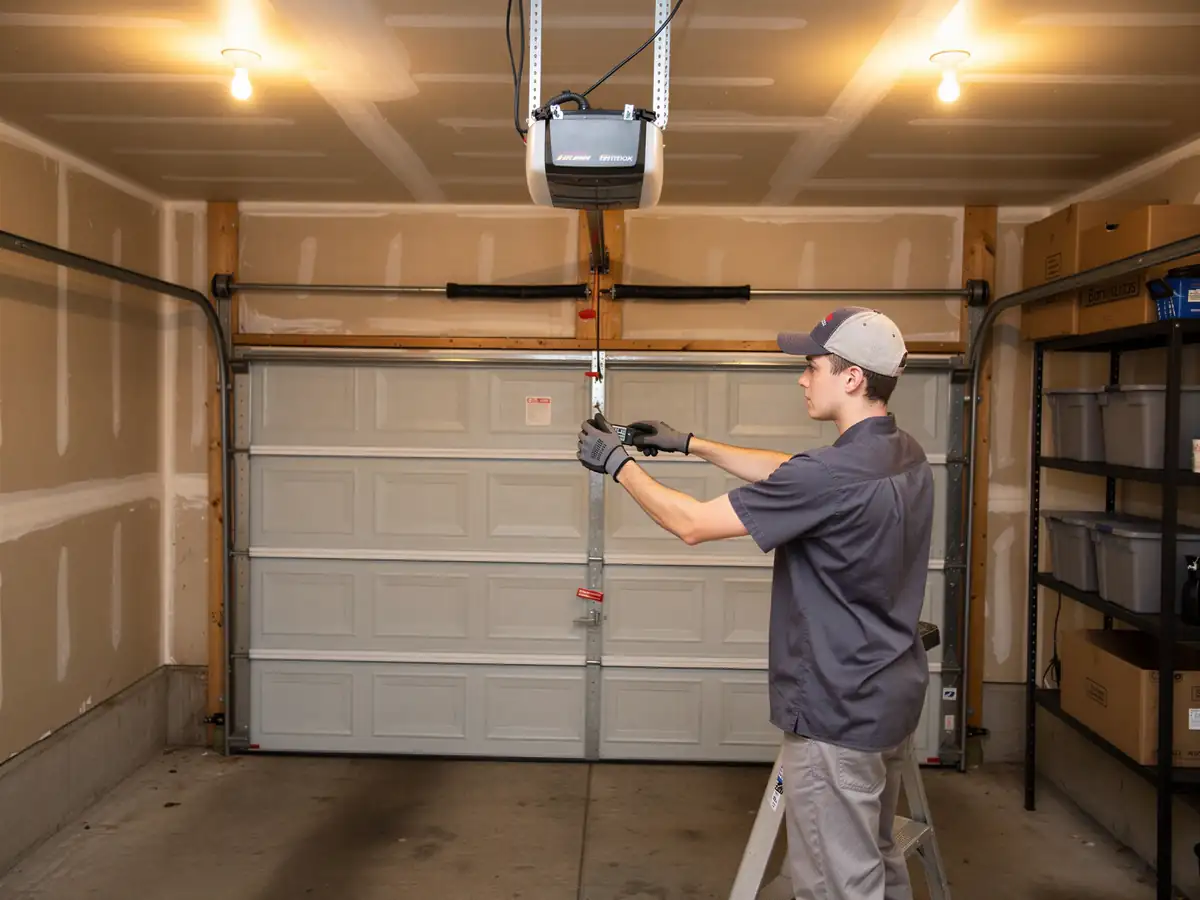
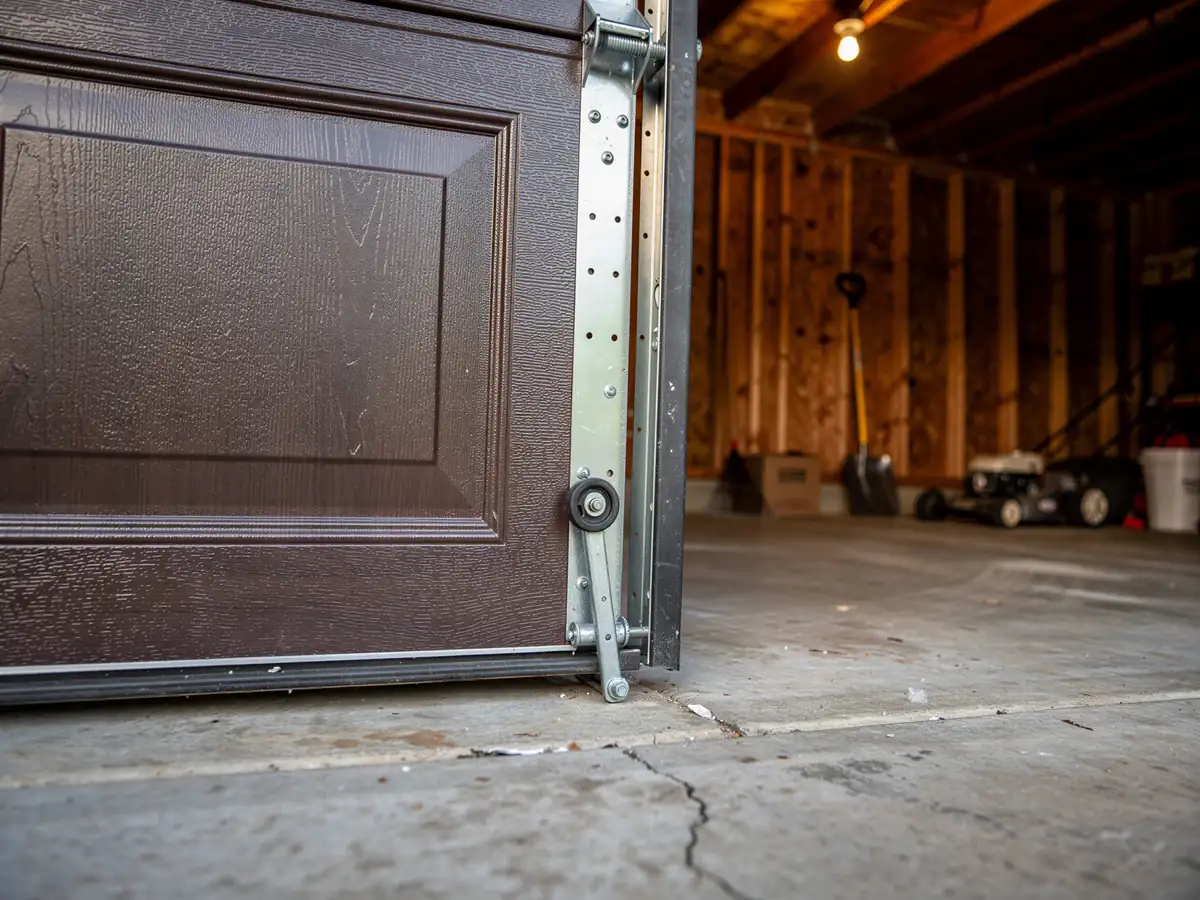
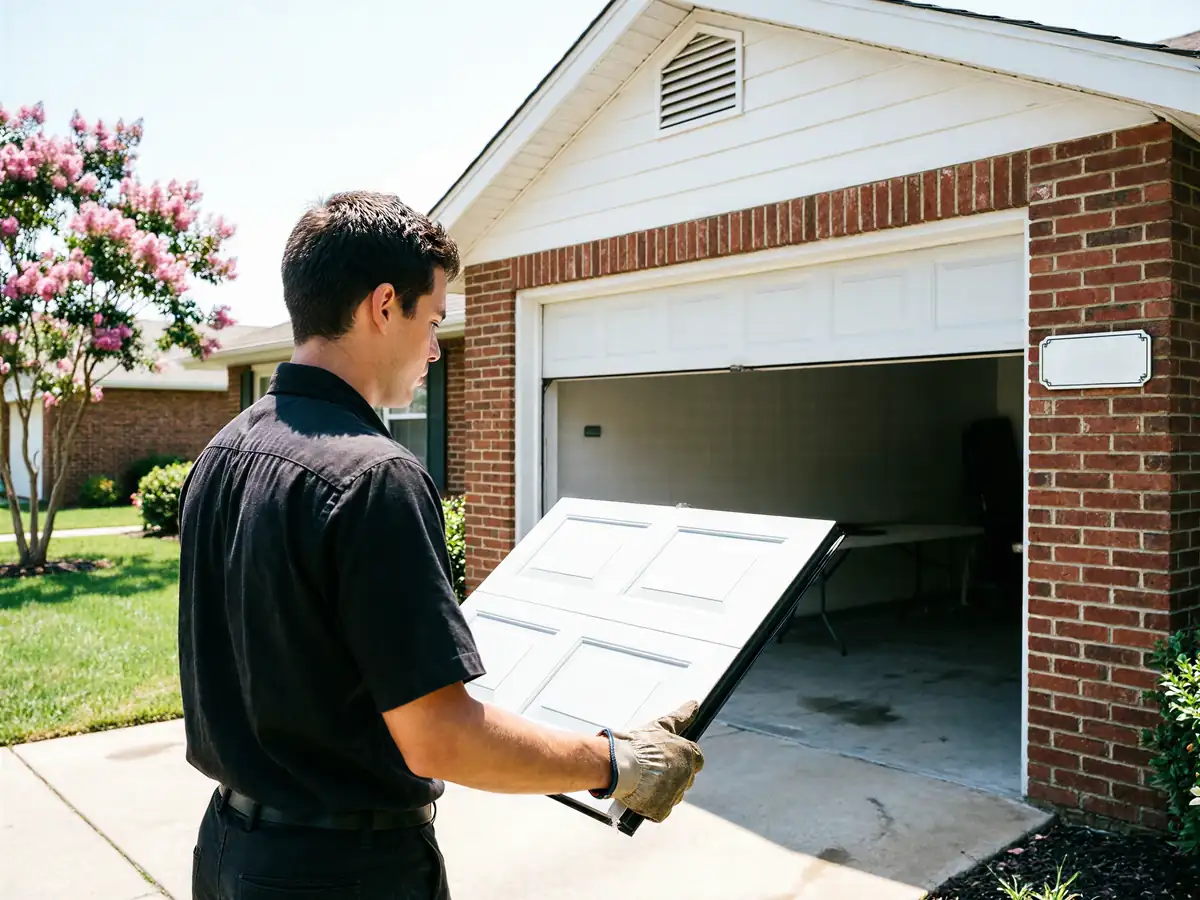
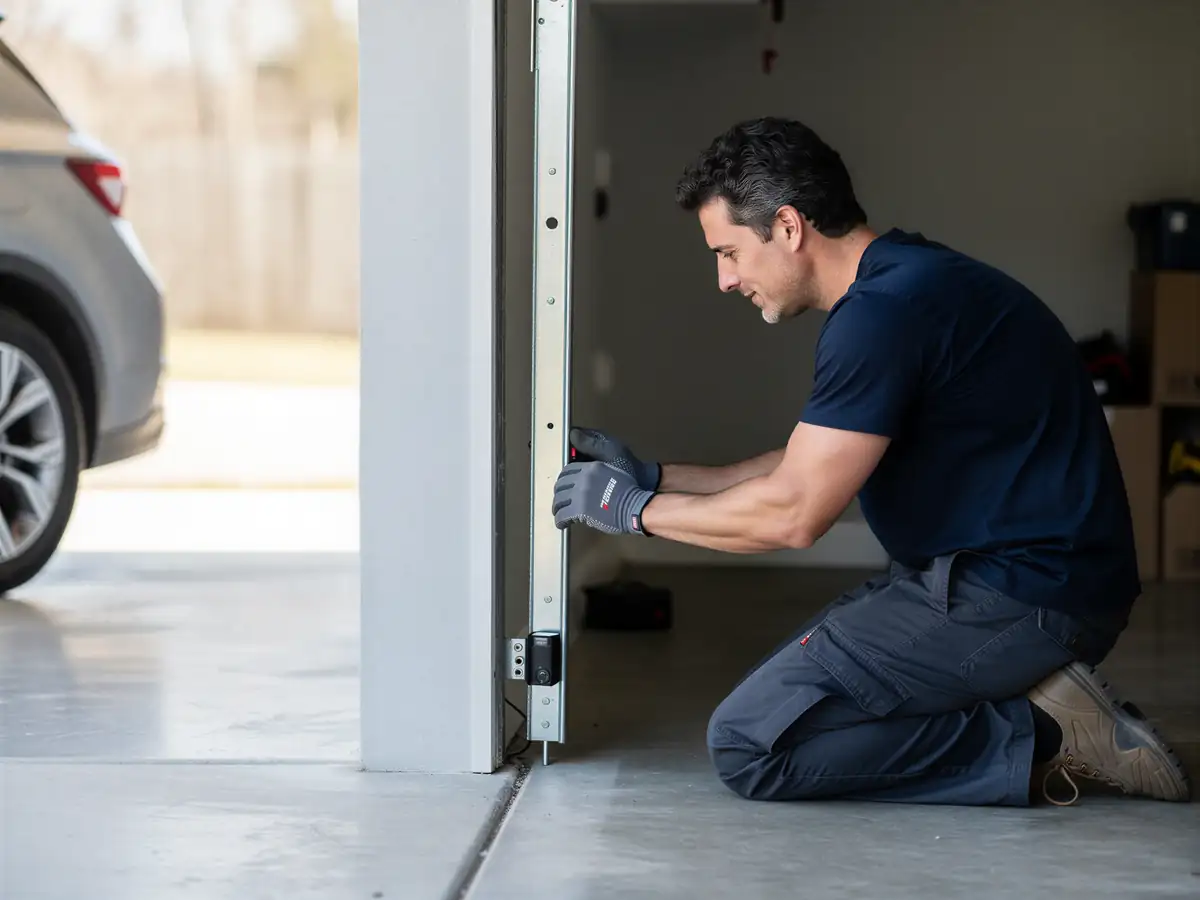
Azle Garage Door Pros covers a service area where homes were built anywhere from 1953 to 2010, with the overall median landing at 1991. Reno sits almost exactly on that line, with a local median build year of 1992. That matters more than it sounds like it should. A 1960s torsion setup and a 2008 belt-drive opener need different maintenance calls - different spring counts, different lubricant types, different failure points. Reno doesn't have much of either extreme. Most doors here are standard torsion-spring units on steel track, installed when galvanized hardware and single-panel steel doors were the norm, and that keeps the job itself fairly predictable: lubricate the rollers and hinges, check spring tension and cable wear, confirm the opener's safety reverse still trips, and look at weatherstripping that's now over thirty years old on the original installs. We don't quote a flat number here because panel count, opener age, and whether a door has ever had the springs replaced all move the job. What we can say is that a Reno maintenance call rarely turns into a surprise full-system replacement the way it sometimes does in blocks of much older housing - the hardware here tends to be consistent enough that a technician knows what he's walking into before he opens the truck.
Can You Do This Yourself
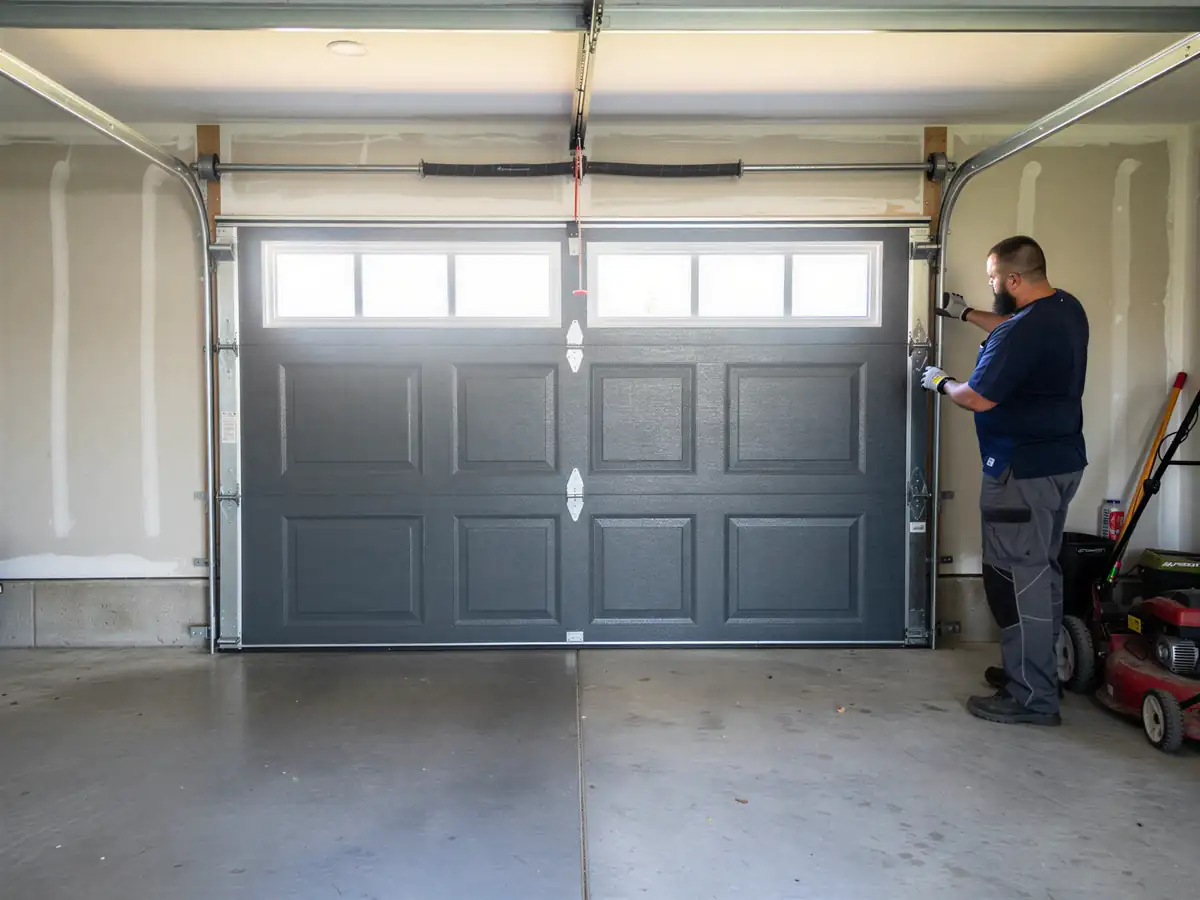
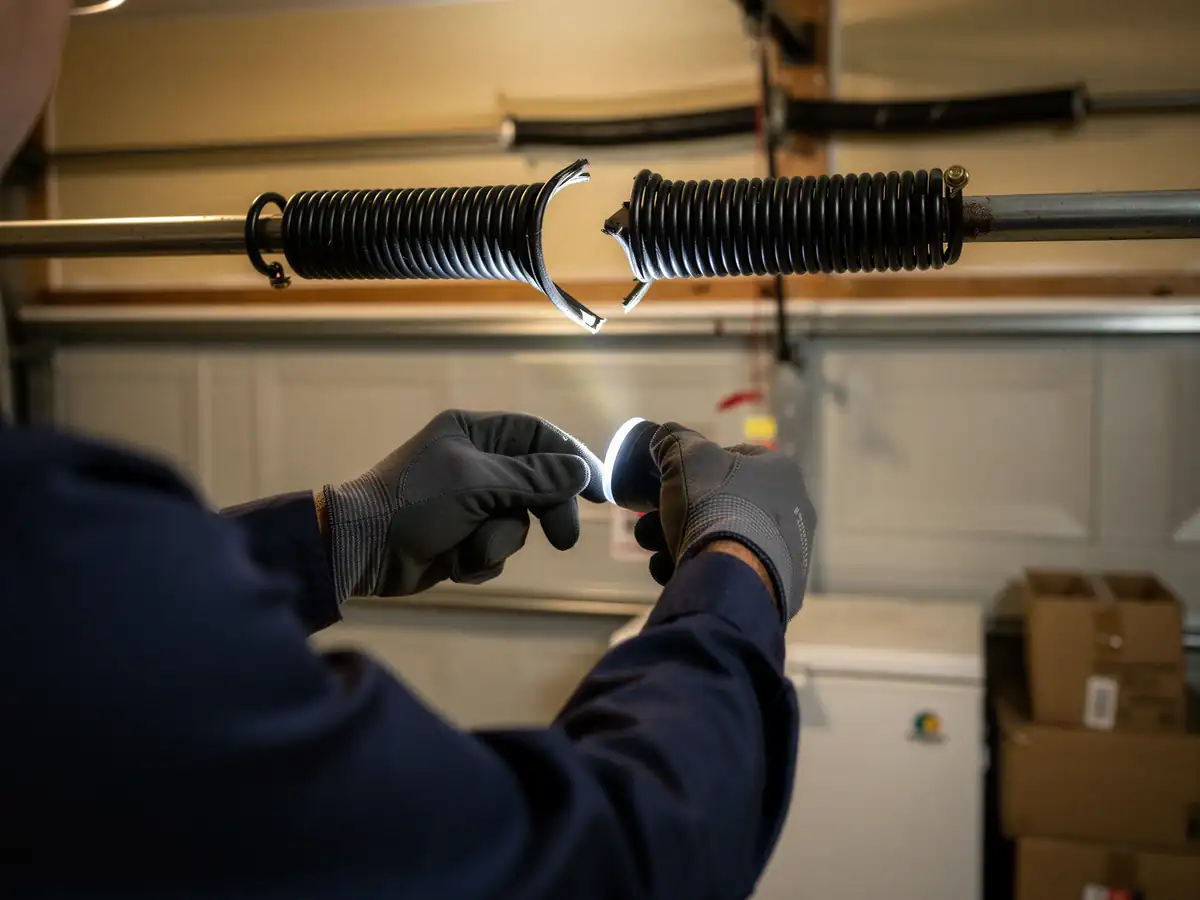
Some of it, yes. Wiping down tracks, checking that the photo-eye sensors are aligned, and listening for grinding on the rollers are things any homeowner can do on a Saturday morning. With 1,102 households in Reno, this isn't a community short on people who'd rather handle it themselves than wait on a call - and the median income here, $92,857, runs a bit above the $90,970 average across the wider service area, which tends to show up as more owners doing a tune-up before something fails rather than after. Where we'd pull you back is spring tension. A torsion spring on a door built around 1992 has been wound and under load for three decades; backing it off or re-tensioning it without the right bars is how people lose fingers, not a line we're adding for effect. Lubrication, visual inspection, and tightening loose hardware bolts are fine for a homeowner. Spring adjustment, cable replacement, and anything involving the torsion tube are not - not because the job is mysterious, but because the stored energy in that spring doesn't forgive a mistake.
Why It Happens Here
Reno's hardware problems trace back to one fact: most of the doors went in close to 1992, which means a large share of the springs, rollers, and cable are now past the point where maintenance alone keeps them reliable. That's a different conversation than in parts of the service area with housing stock from 1953 or from 2010 - Reno's fleet aged together, so a lot of these doors are hitting worn rollers and fatigued springs around the same calendar window. The moderate-heat climate band helps some; it doesn't bake seals the way a hotter region would, but thirty-plus years of summer heat cycles still take lubricant and rubber down to nothing eventually. At 4 miles from Azle, Reno is the closest of the 24 communities on our route, which doesn't change the mechanics of the door but does mean a maintenance visit isn't a long haul for the truck. Across the full service area's 31,213 households, Reno's 1,102 are a small slice, but the build-year clustering here makes maintenance timing more predictable than in blocks of mixed-era housing.