What the Fix Involves
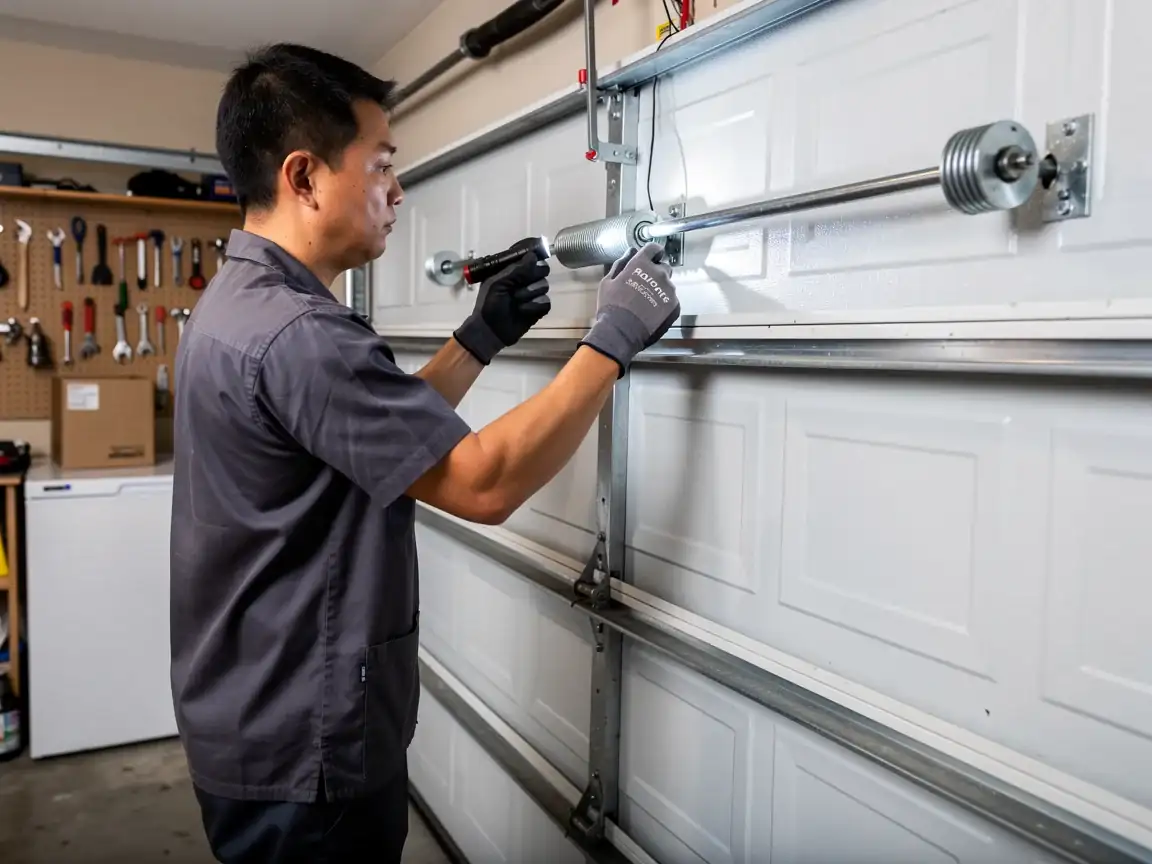
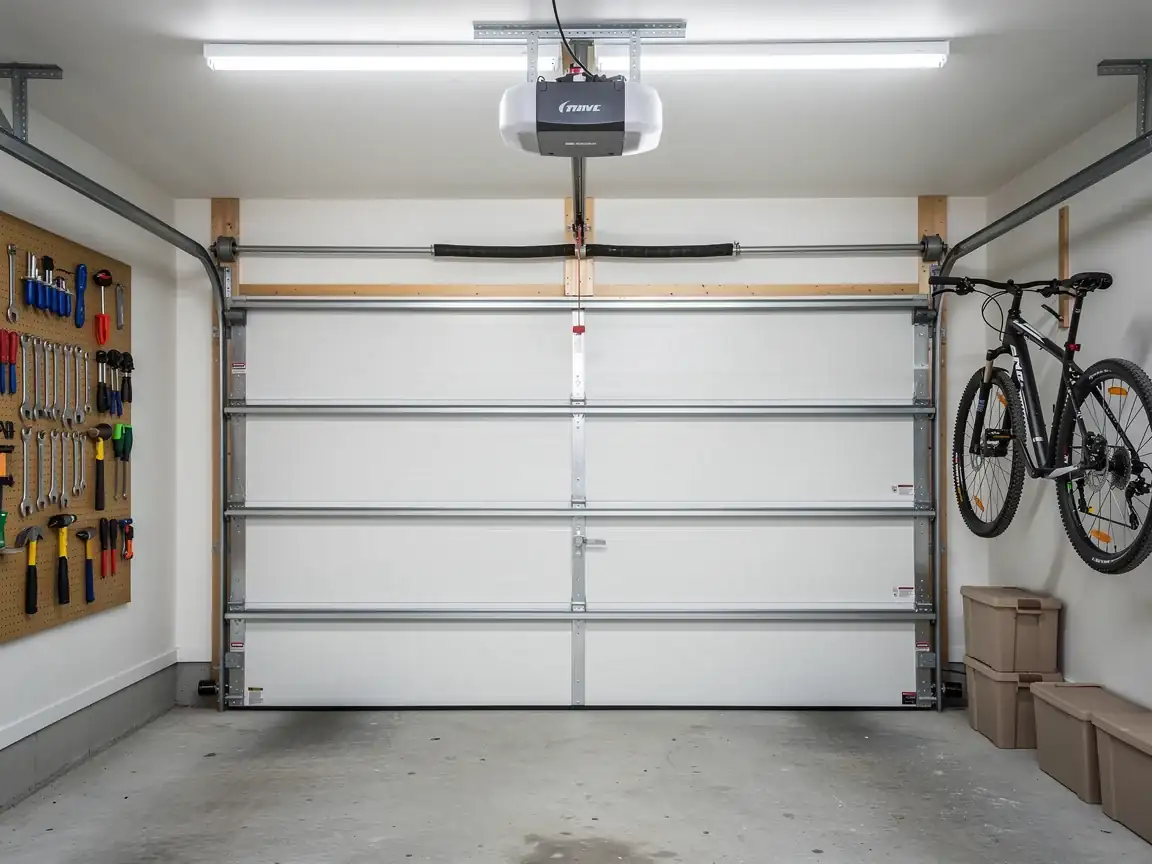
Springtown's median home was built around 1986, which puts most of the garage doors here a few years ahead of the broader service area's 1991 median. That gap matters more than it sounds. A door from the mid-80s is more likely to run on a steel torsion shaft with a bearing plate design that got phased out by the early 90s, and the opener bolted next to it is more likely to be a first-generation chain-drive unit than anything with a modern logic board. When we get a call out of Springtown, we're not guessing at what's behind the panel - we're expecting older torsion hardware and planning the job around it before we leave Azle. That's a 10-mile drive each way, so we try to nail down what's wrong on the phone first: broken spring, opener dead, track bent, or door off its rollers. Giving us that detail up front means we roll out with the right part already on the truck instead of making a second trip.
How It Shows Up
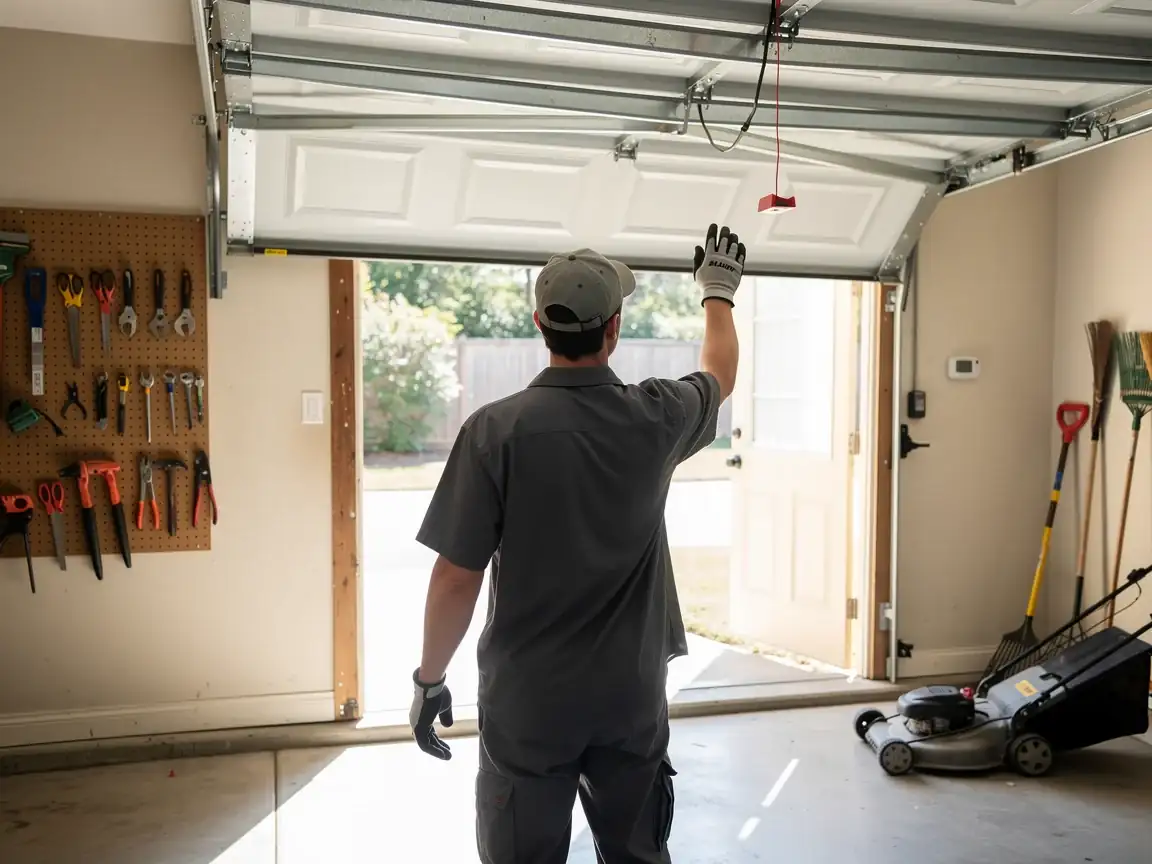
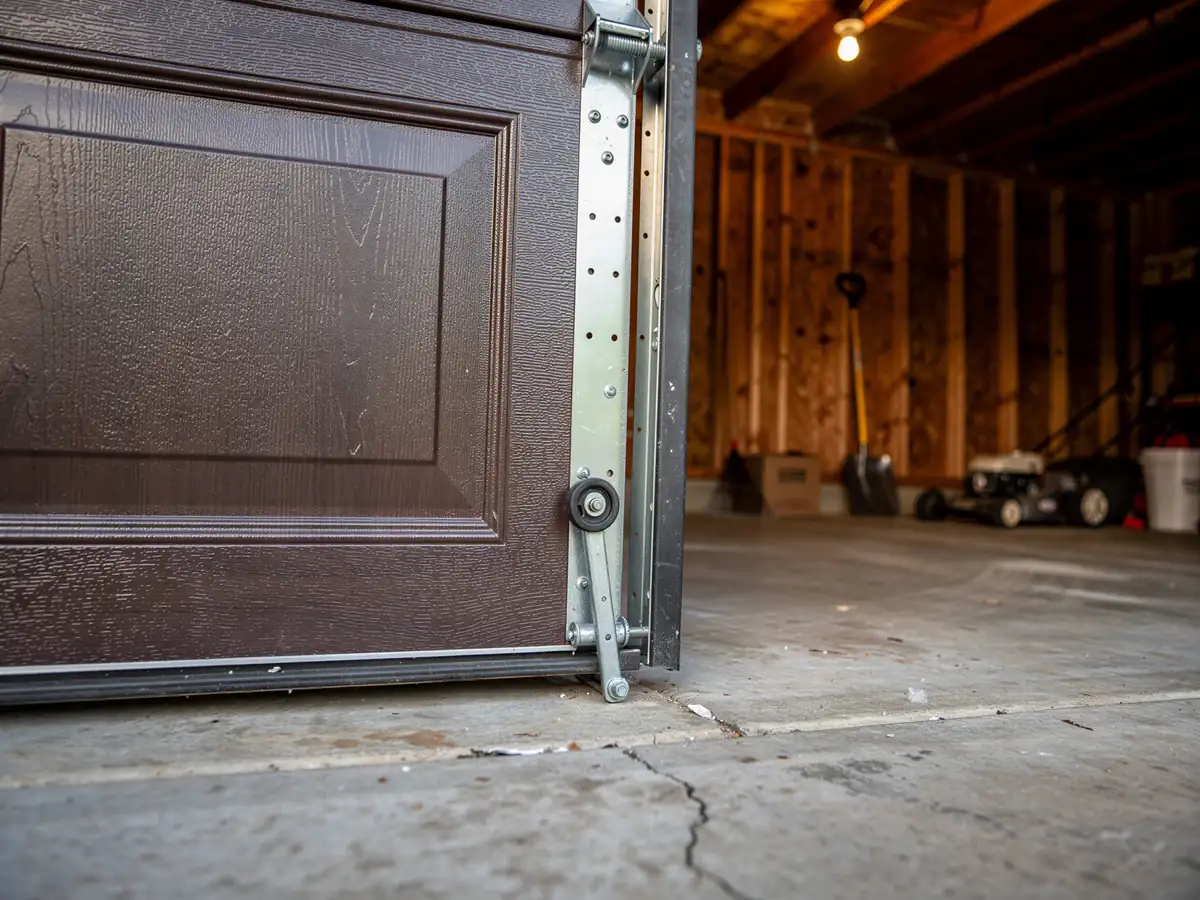
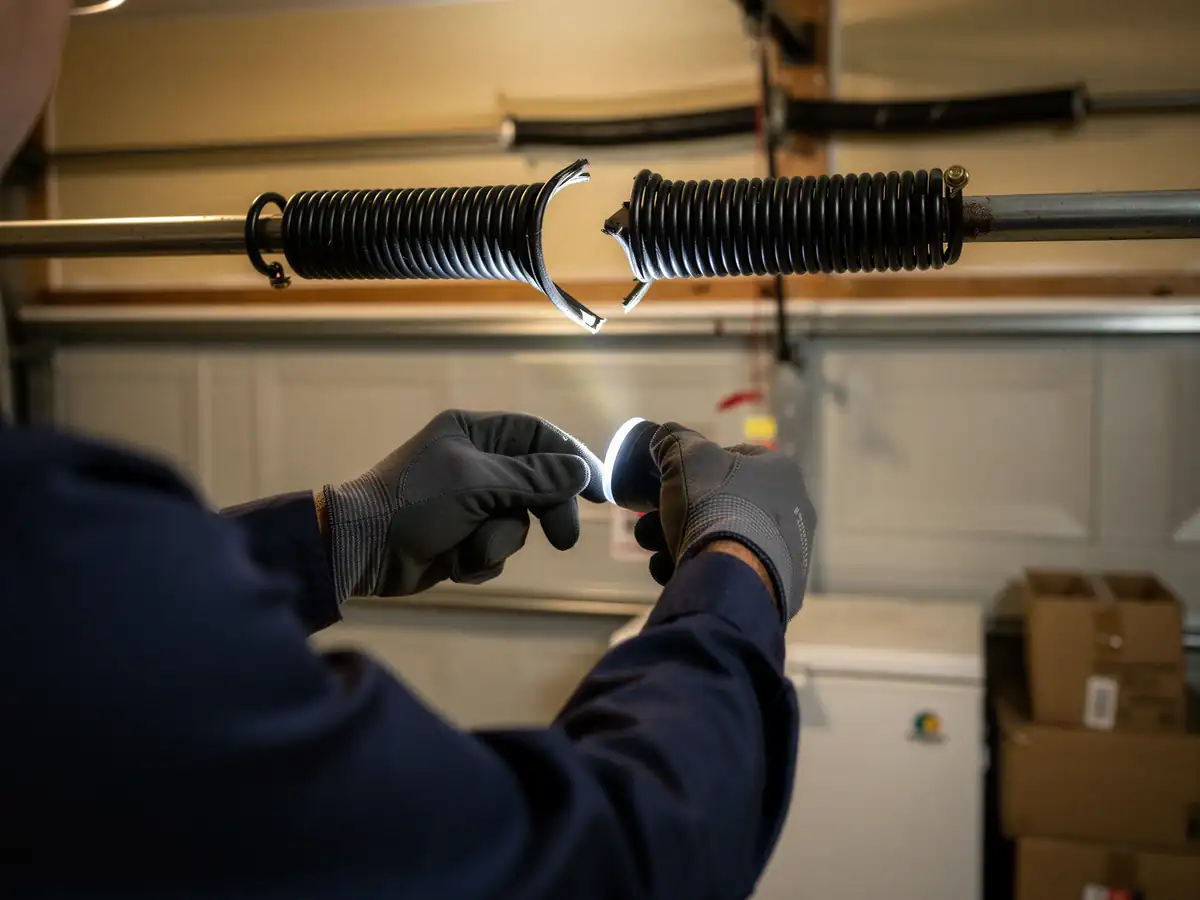
On a door this age, the failure usually isn't subtle. Springs on 1980s torsion setups weren't built with today's cycle-life coatings, so they tend to snap rather than slowly fray - you'll hear a bang, and the door won't lift, or it'll lift a few inches and stop. Rollers on original hardware are often steel-on-steel with no nylon sleeve, so the other common complaint is a door that's loud and jerky going up and down, even when nothing's technically broken yet. Openers from that build era are the third pattern: chain drives that have run the same motor and gear set for close to four decades finally strip the gear or burn the capacitor. None of these are Springtown-specific faults in the sense that no other town has them, but they're what we expect to find more often here than in a neighborhood built in the 2000s, because the housing stock skews that direction.
Why It Happens Here
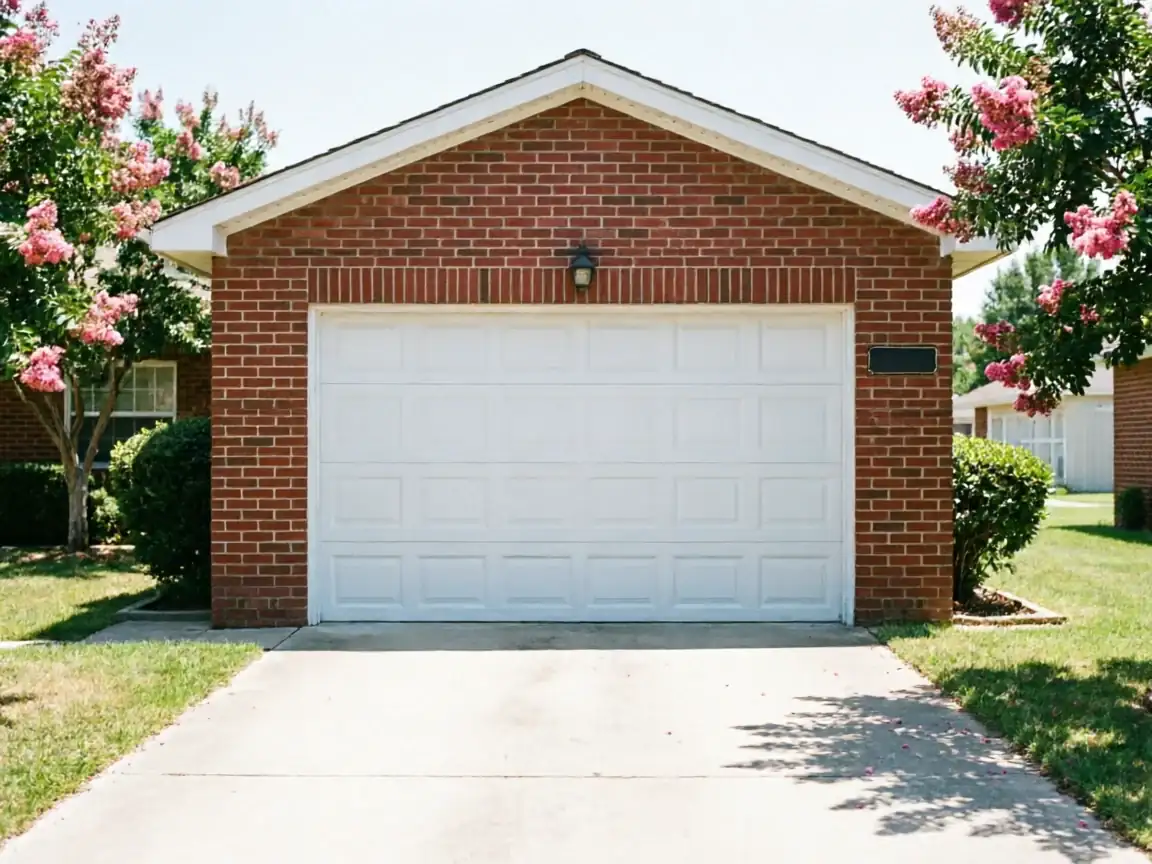
Springtown's housing runs older than the service area's overall median - 1986 against 1991 - which lines up with the broader pattern of 1980s-90s stock across most of the named communities we cover. A door and track installed in 1986 has had roughly four decades of cycles, and torsion springs are rated in cycles, not years, so even a well-maintained spring from that install is closer to the end of its life than one from a 2005 build. Households here also run smaller in number than the service area overall - Springtown has around 1,176 compared to the area's 31,213 - which isn't a mechanical fact, but it does mean fewer of these doors have been touched by a second or third owner replacing hardware along the way. A lot of what we find is still the original spring and the original opener.
Stocked Parts
Because the mid-80s torsion shaft and bearing-plate pattern shows up often enough out this way, we carry springs sized for that era's doors, along with the steel rollers and lift cables that match older track hardware. What we don't stock are parts for high-end insulated doors with proprietary opener electronics - those are special-order, and if your door's console or panel needs one, we'll tell you the lead time before we start rather than promise a same-day fix we can't deliver. On an older Springtown door, though, the common failures - spring, cable, roller, basic chain-drive opener - are usually parts we already have on the truck.