What the Fix Involves
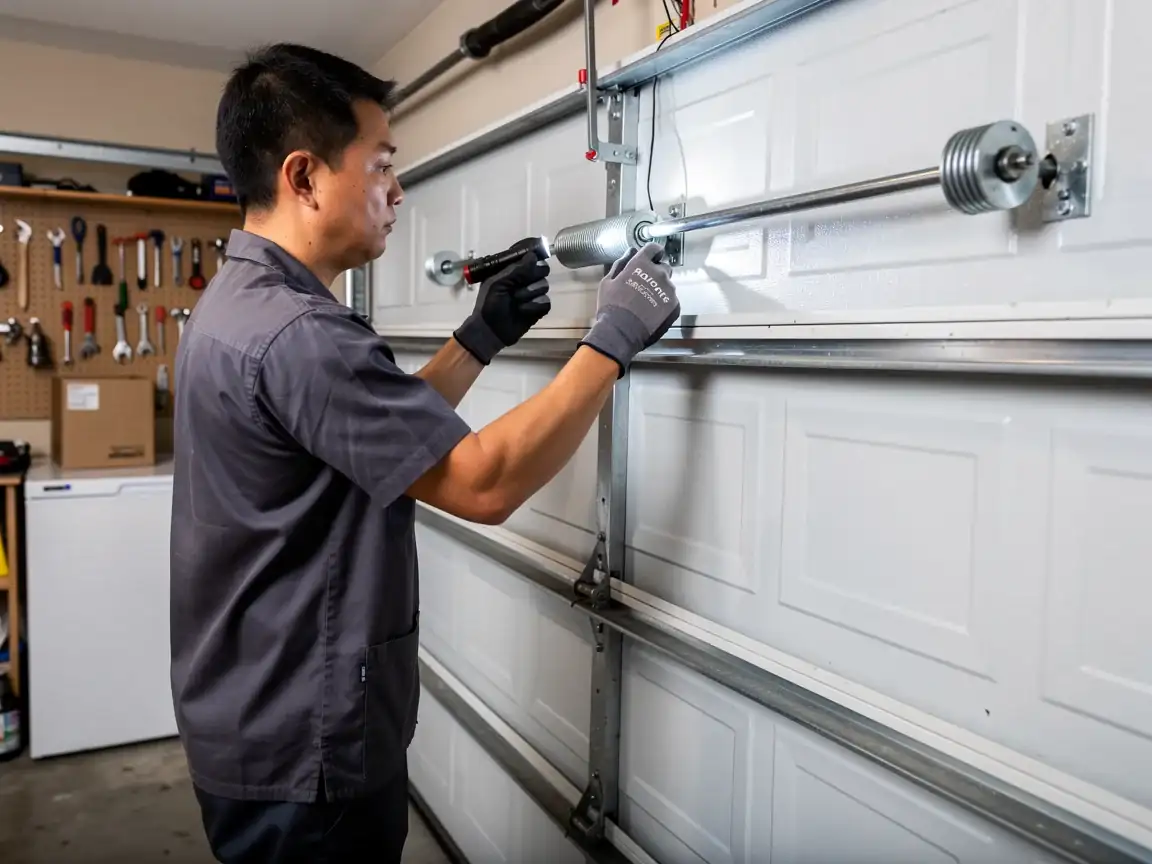
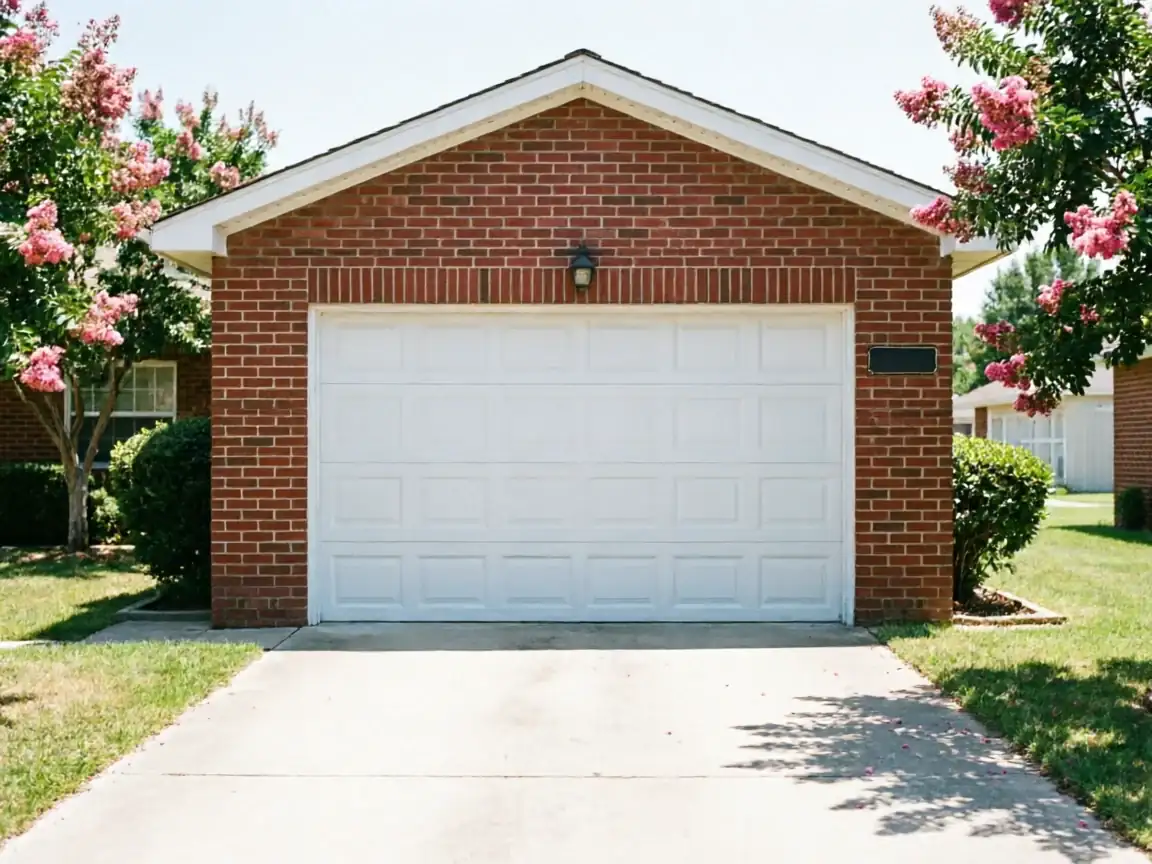
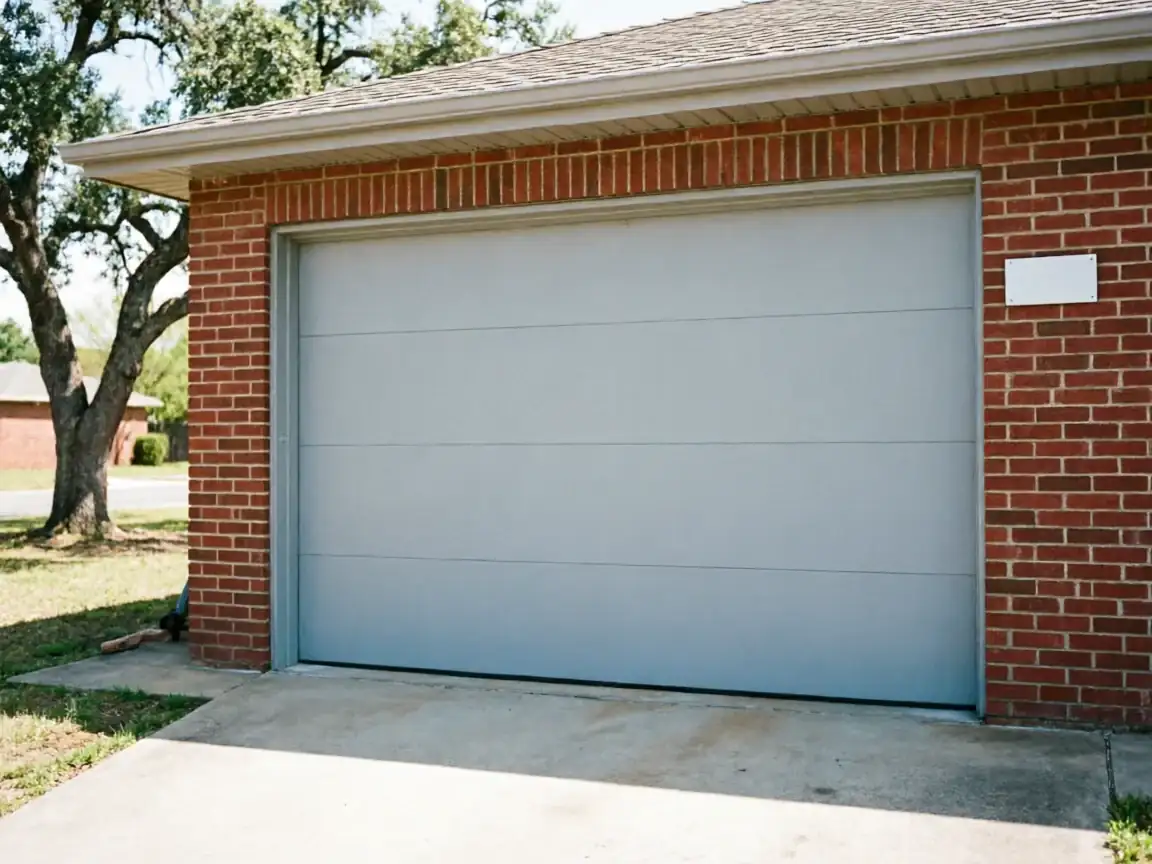
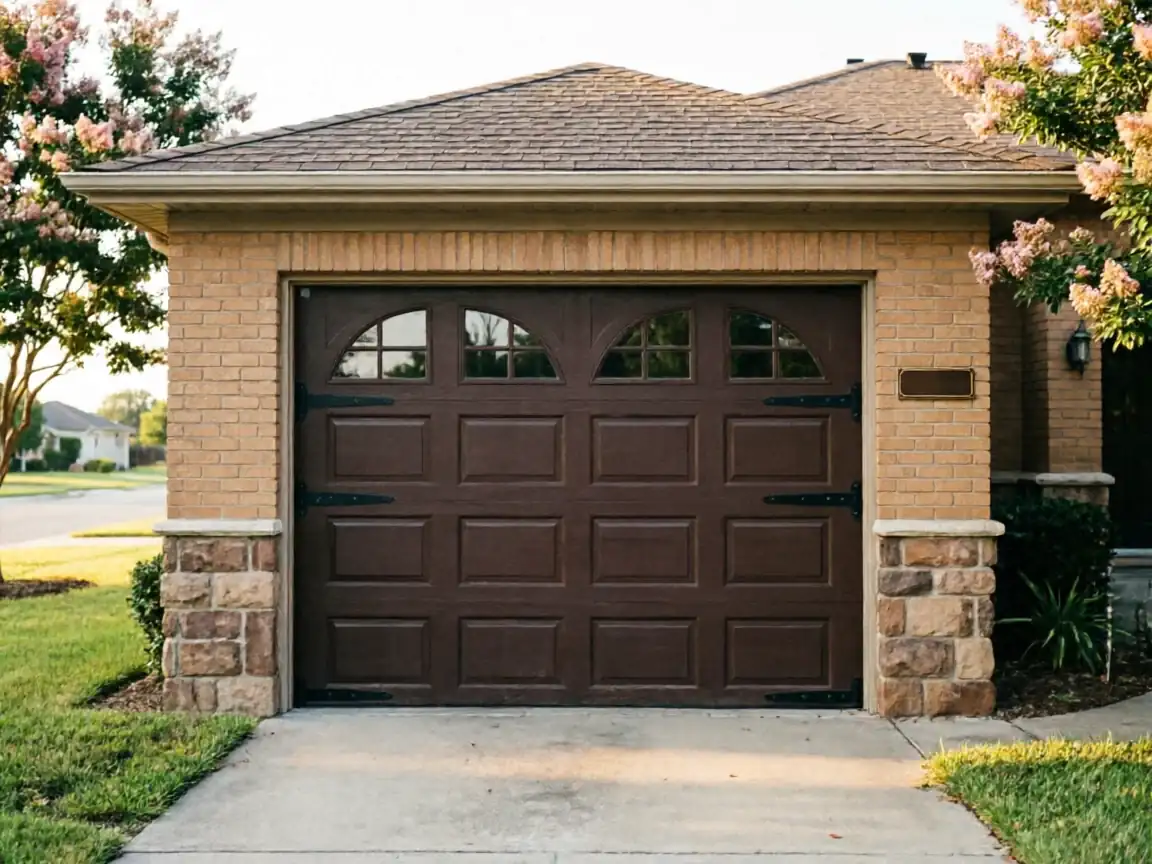
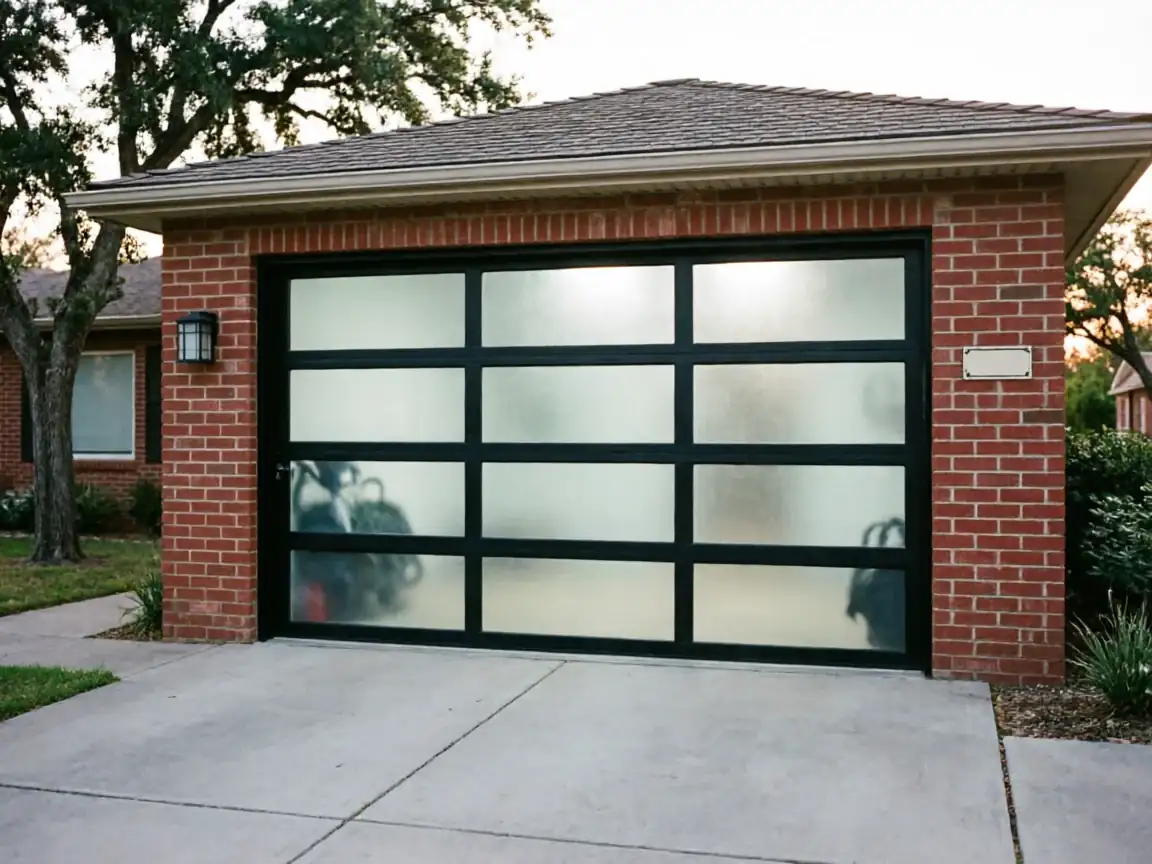
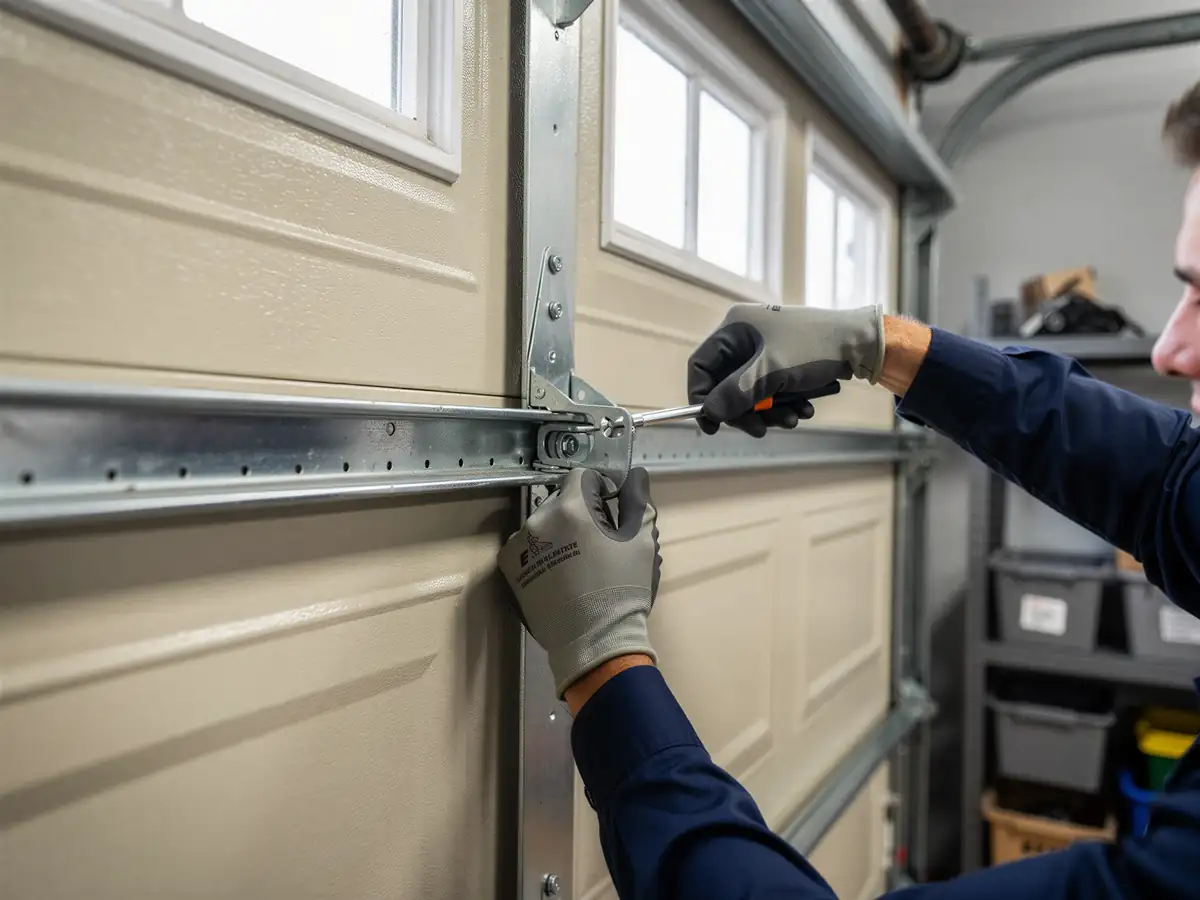
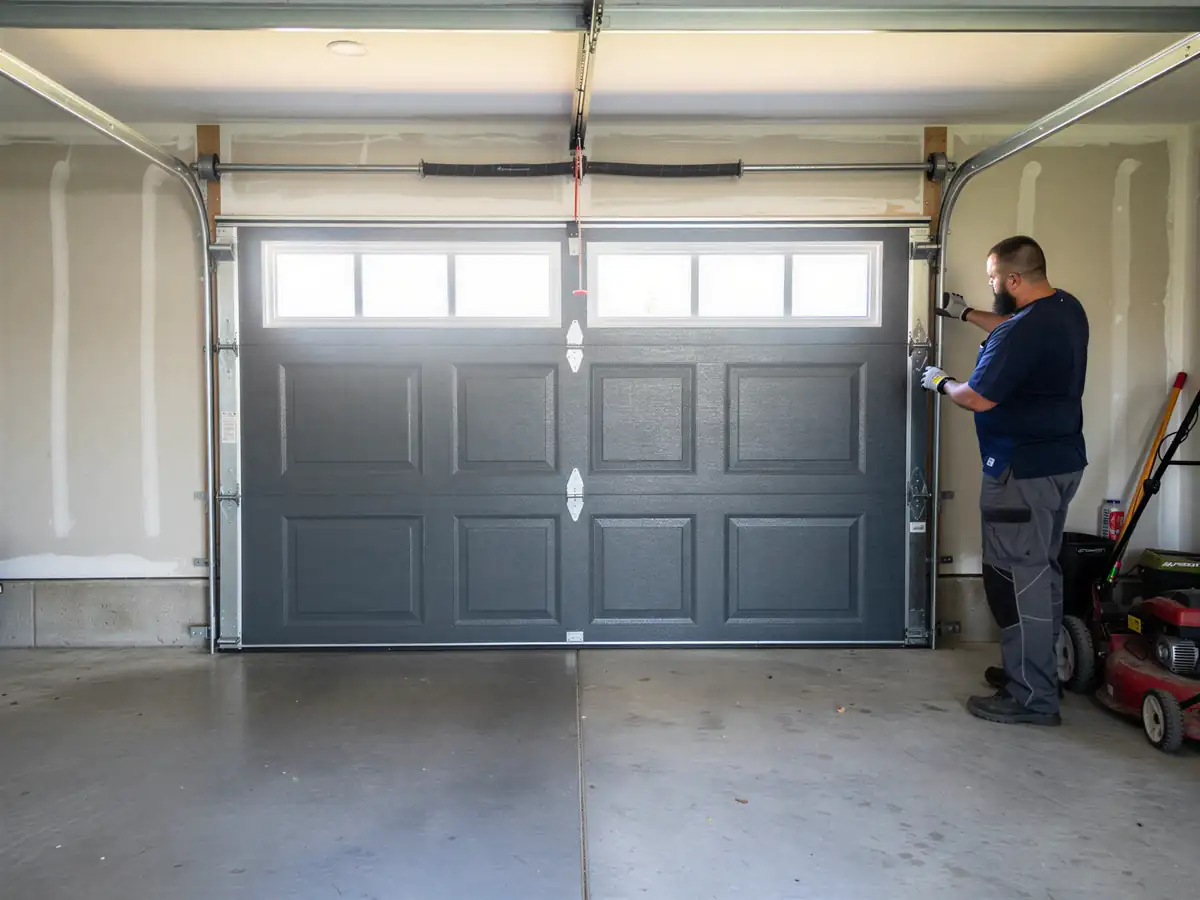
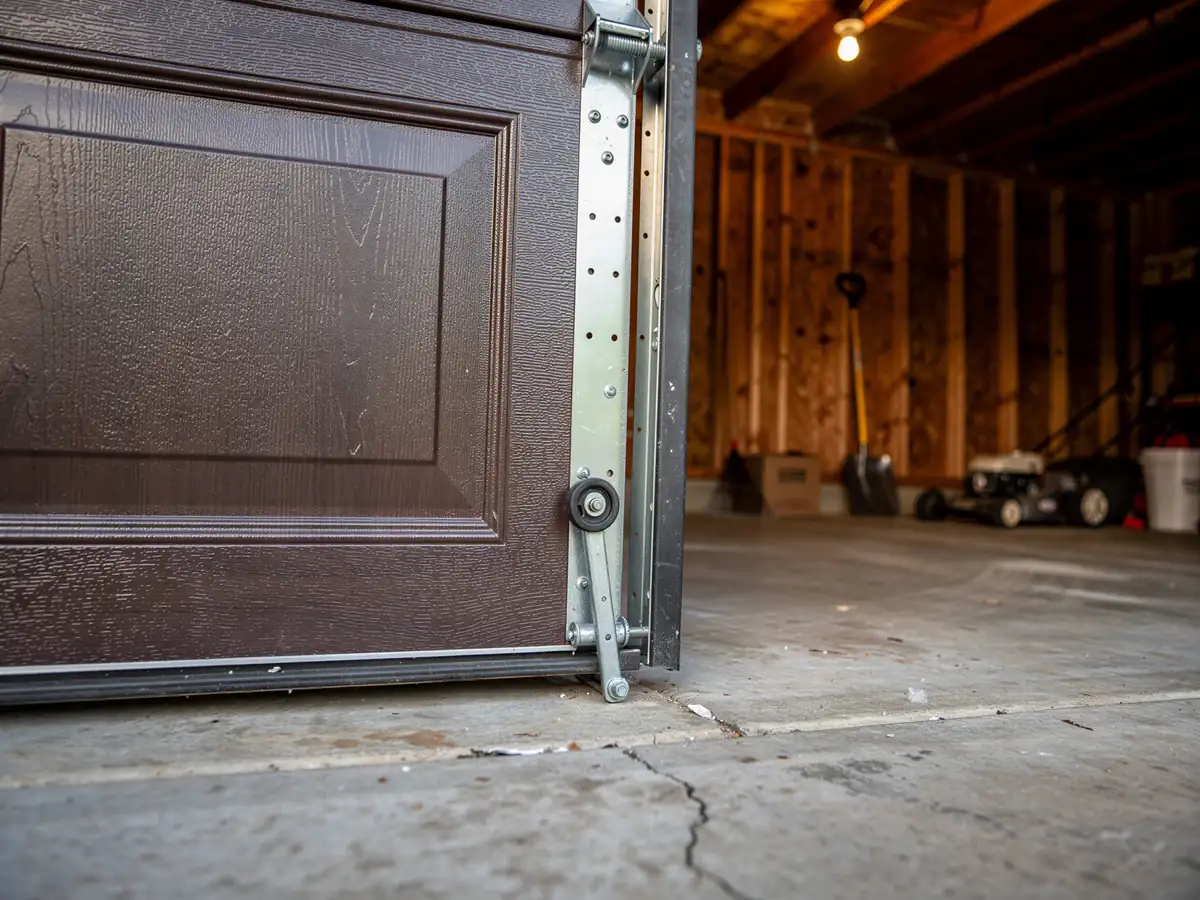
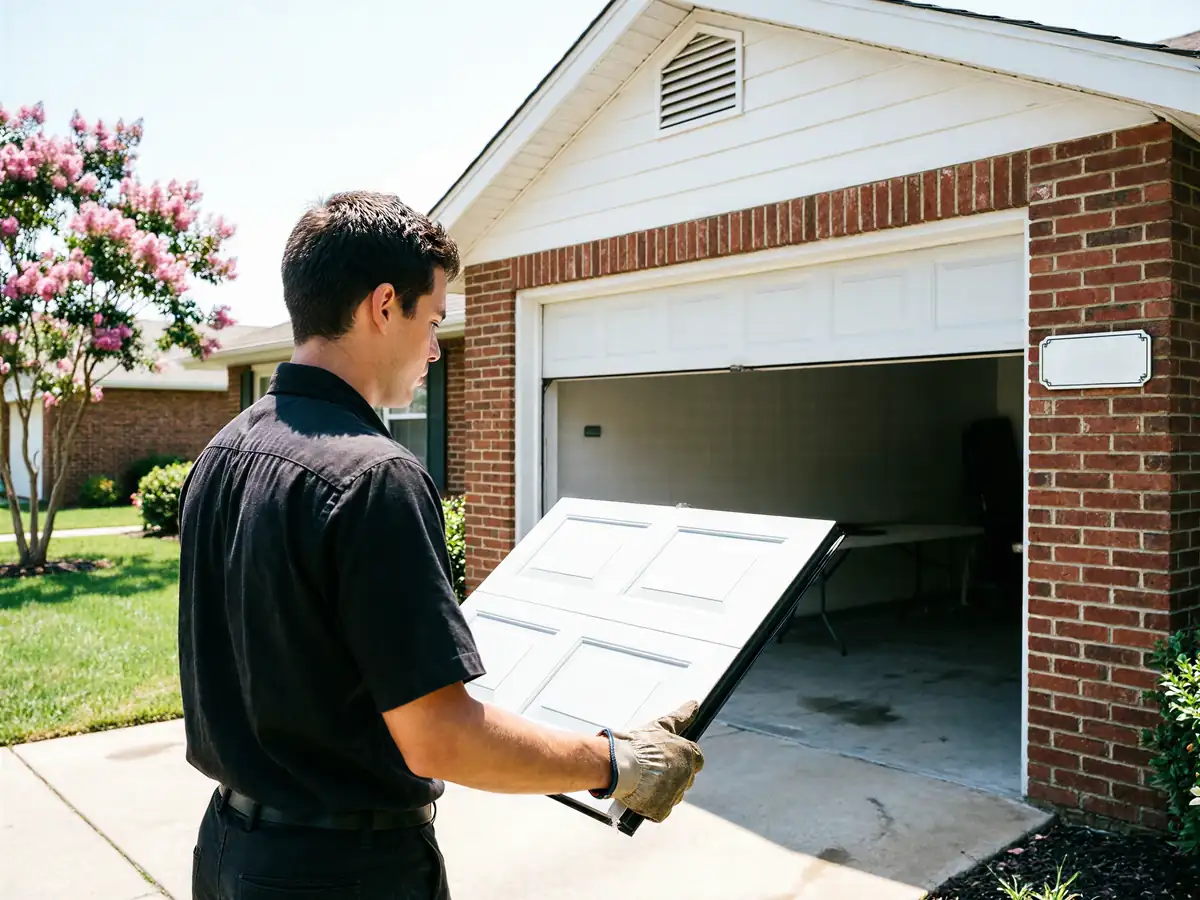
Springtown is a small town - about 1,176 households, not a sprawling market - which means the panel work out here tends to follow a narrower set of patterns rather than a wide spread of door ages and brands. Panel replacement means pulling the damaged section off the door without disturbing the sections above and below it, matching the new panel's profile and hinge spacing to what's already hanging, and re-torquing the track so the door doesn't bind on one side. On a steel sectional door this is usually a single-panel swap. On an older wood-composite door, the whole section sometimes has to come off because the panel and the stile are one piece, not two. We bring panels sized to what's common on this stock, not a universal kit, because a mismatched panel throws the roller alignment off within a season. The job also includes checking the hinges tied to that panel - a bent hinge is often what cracked the panel in the first place, and replacing the panel without fixing the hinge just repeats the damage. We don't guess at panel width on-site; we confirm it against the door's existing hardware before the truck leaves for the return trip.
How It Shows Up
With a median build year of 1986, most Springtown garage doors are in their fourth decade. Panel damage here usually isn't from a single hard hit - it's fatigue. You'll see a bow or a soft crease across the bottom panel where years of opener pressure and sun exposure have worked the steel thin, or a split along a wood-composite seam where moisture got into the core. Cars backing into the bottom panel is the other common cause, and on a door this age the bottom panel is often already the weakest one, so a light bump does more damage than it would on a newer door. A door built in the late 80s also tends to run on narrower track than current doors, which means a replacement panel has to be checked against the actual track width on site, not ordered off a size chart. If the door racks or won't sit flush after a hit, that's usually the track going out with the panel, not just the panel.
Why It Happens Here
Springtown's median household income is $70,254, noticeably below the wider service area's $90,970, and that shows up in how long a damaged panel sits before someone calls about it. A lot of owners here patch a dent or leave a crack alone until the door starts binding or won't seal at the bottom, which means by the time we see the door, the panel damage has often pulled a hinge or a roller out of alignment with it. That's not a knock on anyone - it's just the pattern. The area's broader housing stock runs from 1953 to 2010 with a median around 1991, and Springtown's own median of 1986 sits right in that older half, which means original hardware is still common and panels sized for it aren't always something a big-box store carries off the shelf.
Stocked Parts
We carry panels and matching hinges sized for the steel and wood-composite doors common to the 1980s builds through this area, since that's what most Springtown calls turn out to be. What we don't keep on the truck is every discontinued panel profile from every manufacturer - some older wood-composite doors used a stile-and-panel design that's no longer made, and for those we're sometimes matching as close as possible rather than matching exact, or recommending a full door swap once the cost of chasing an obsolete panel gets close to what a new door costs. That's the honest limit: if the panel's gone out of production, we'll tell you before we quote the job, not after.