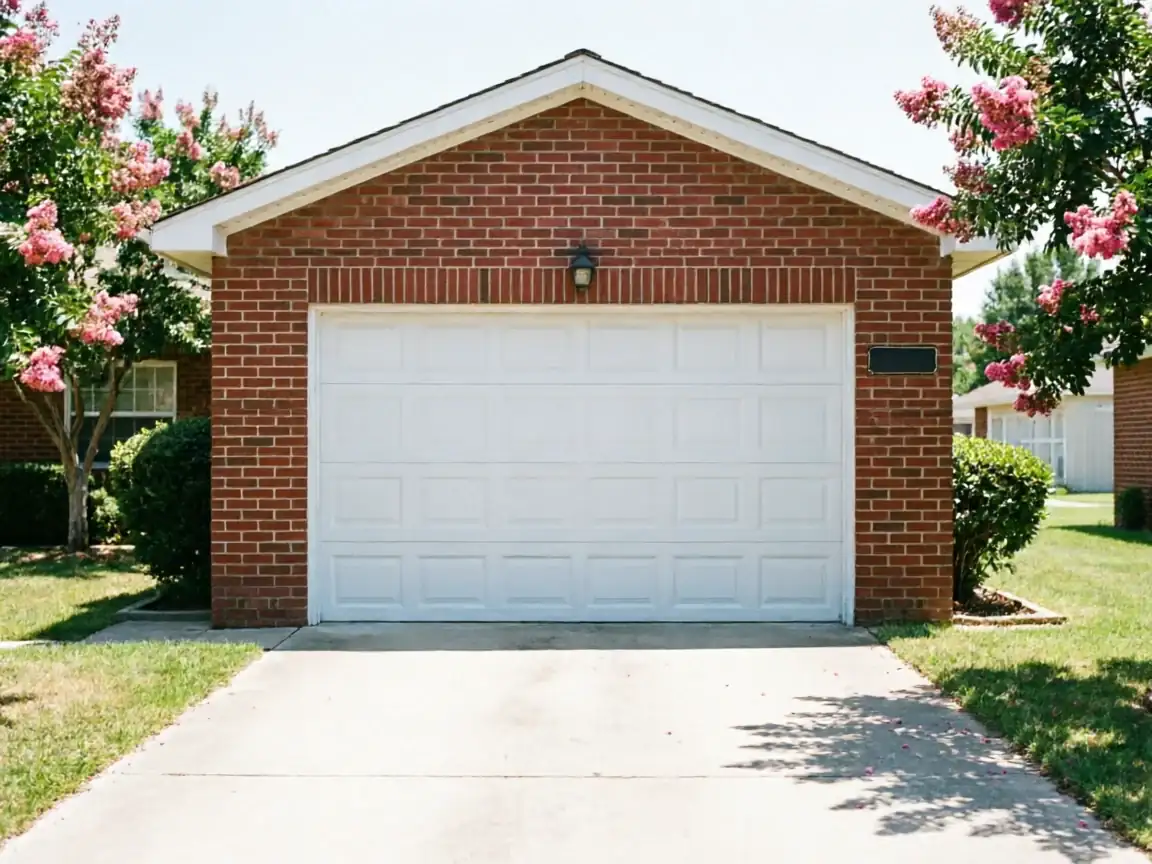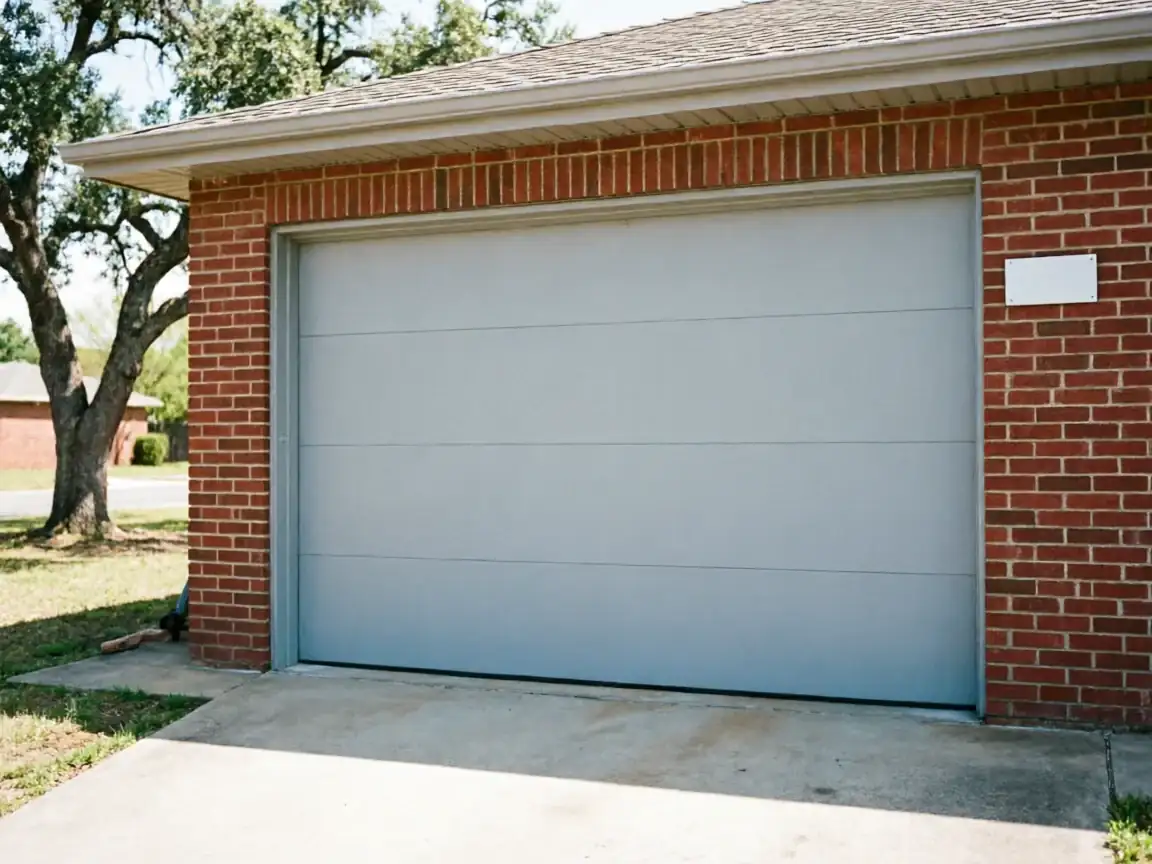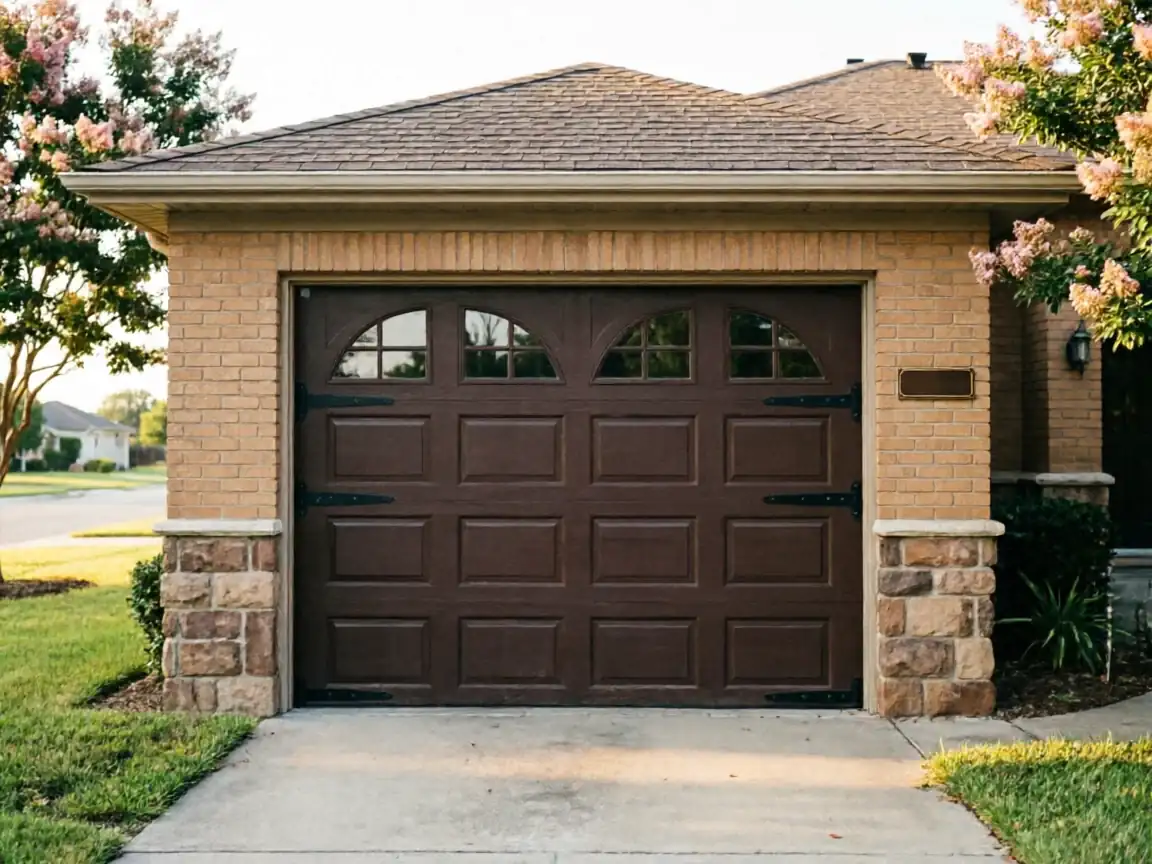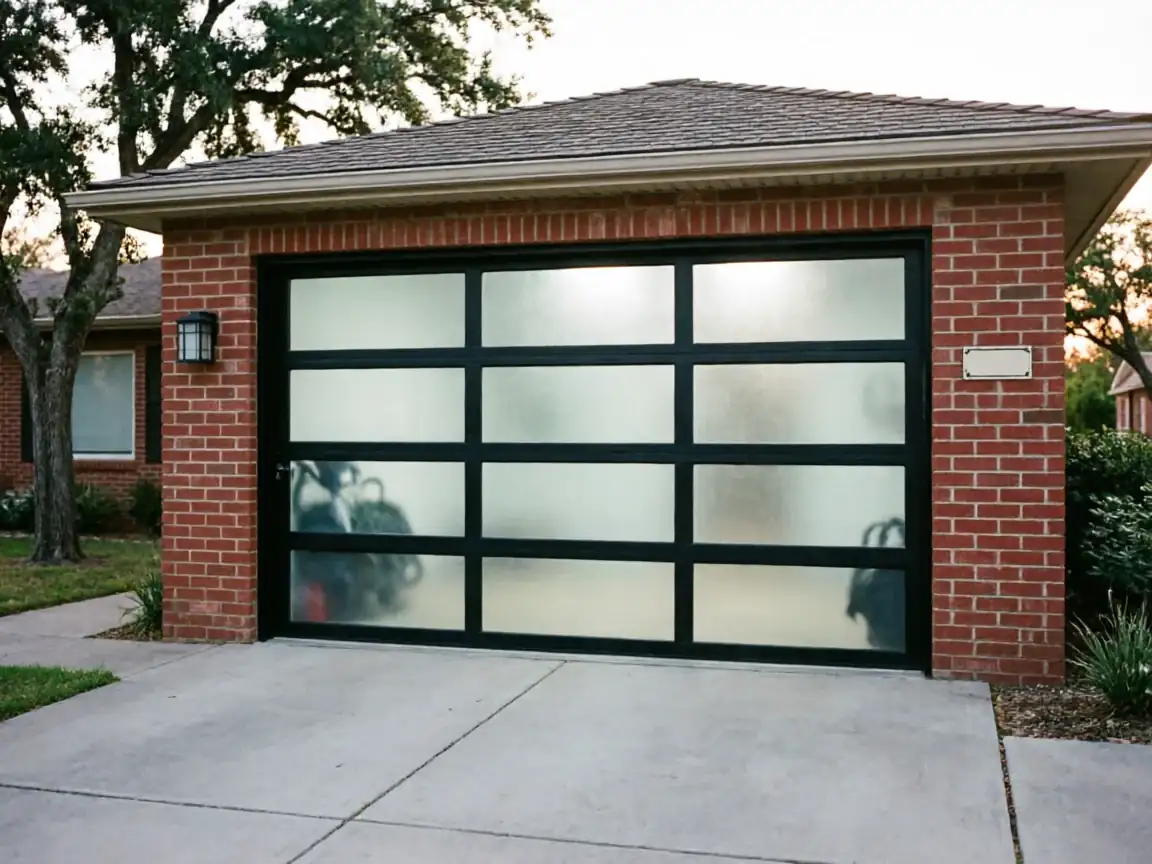
What the Fix Involves
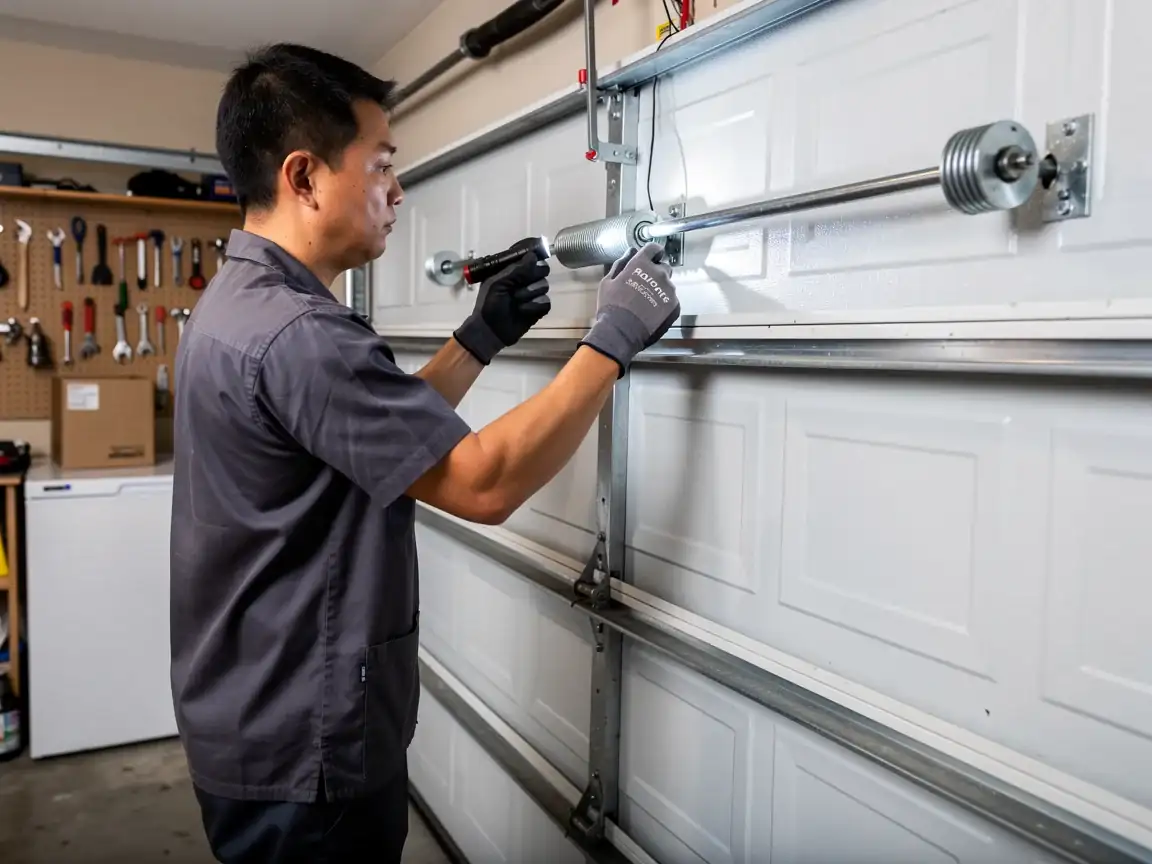
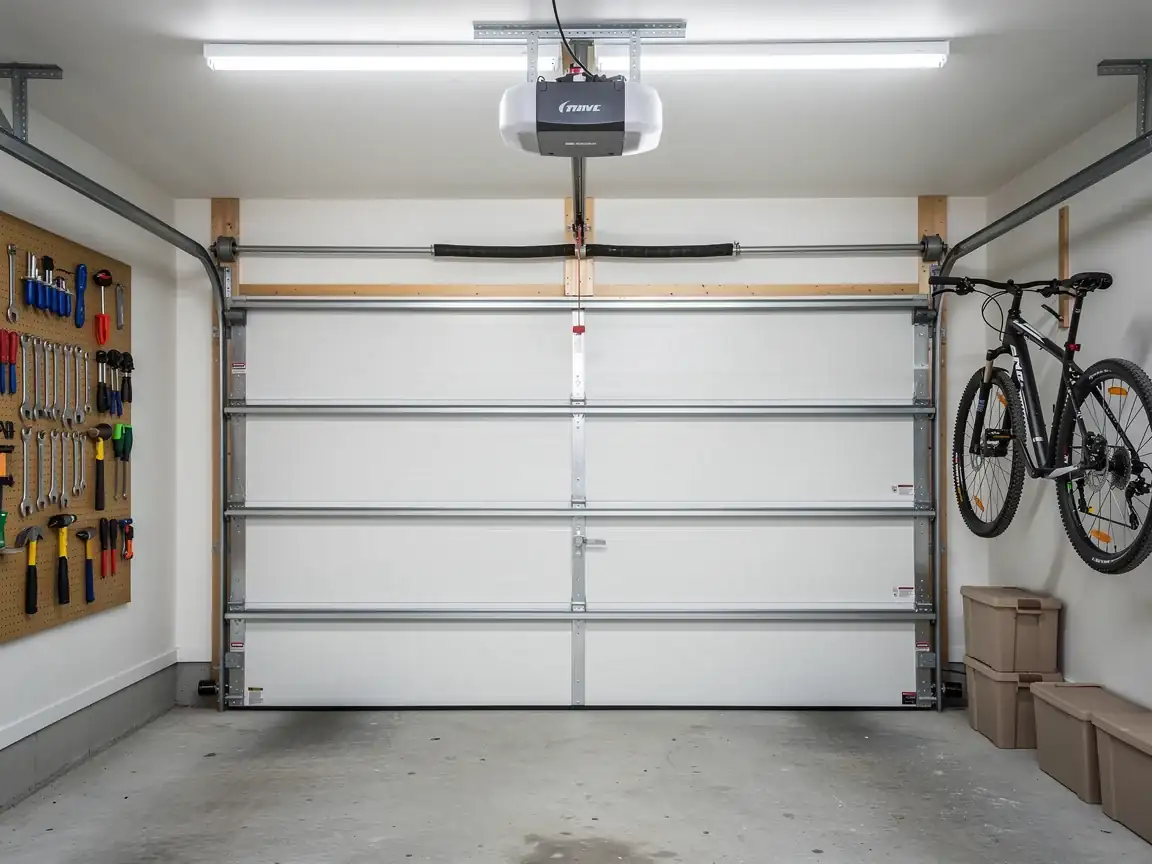
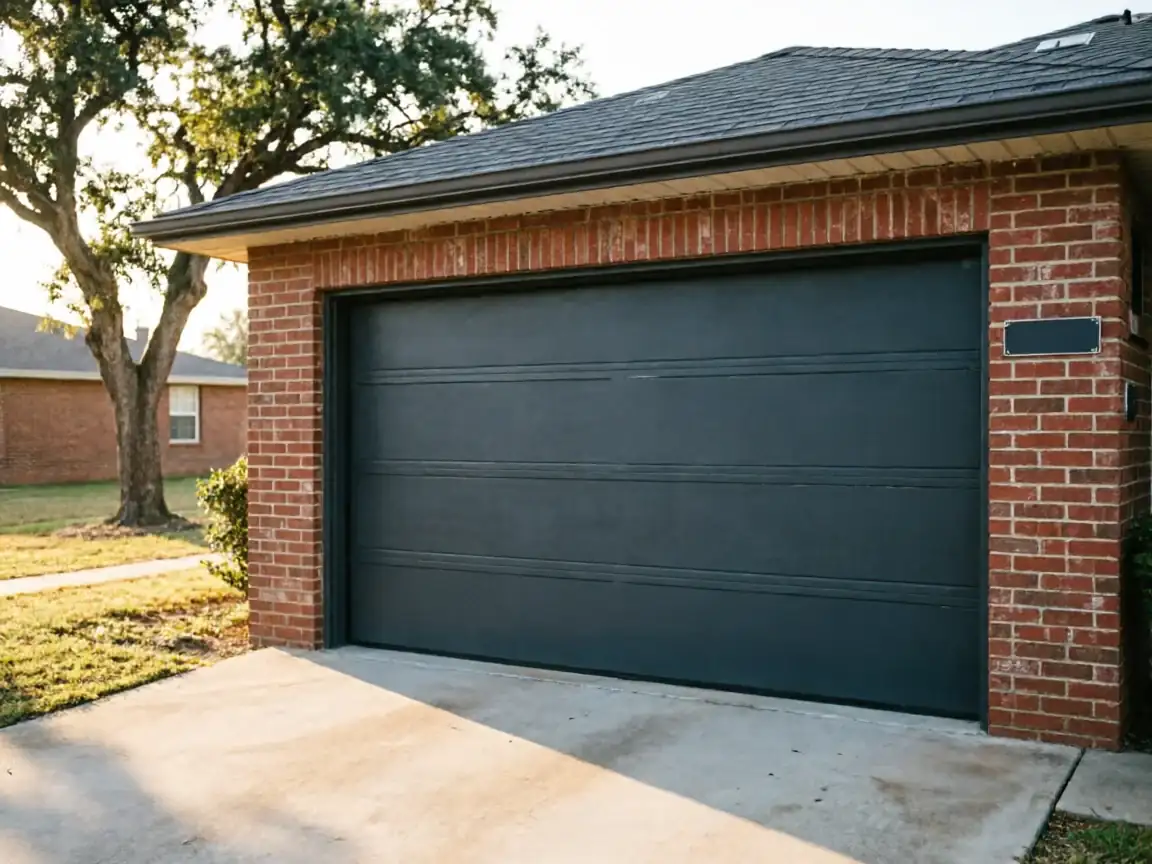
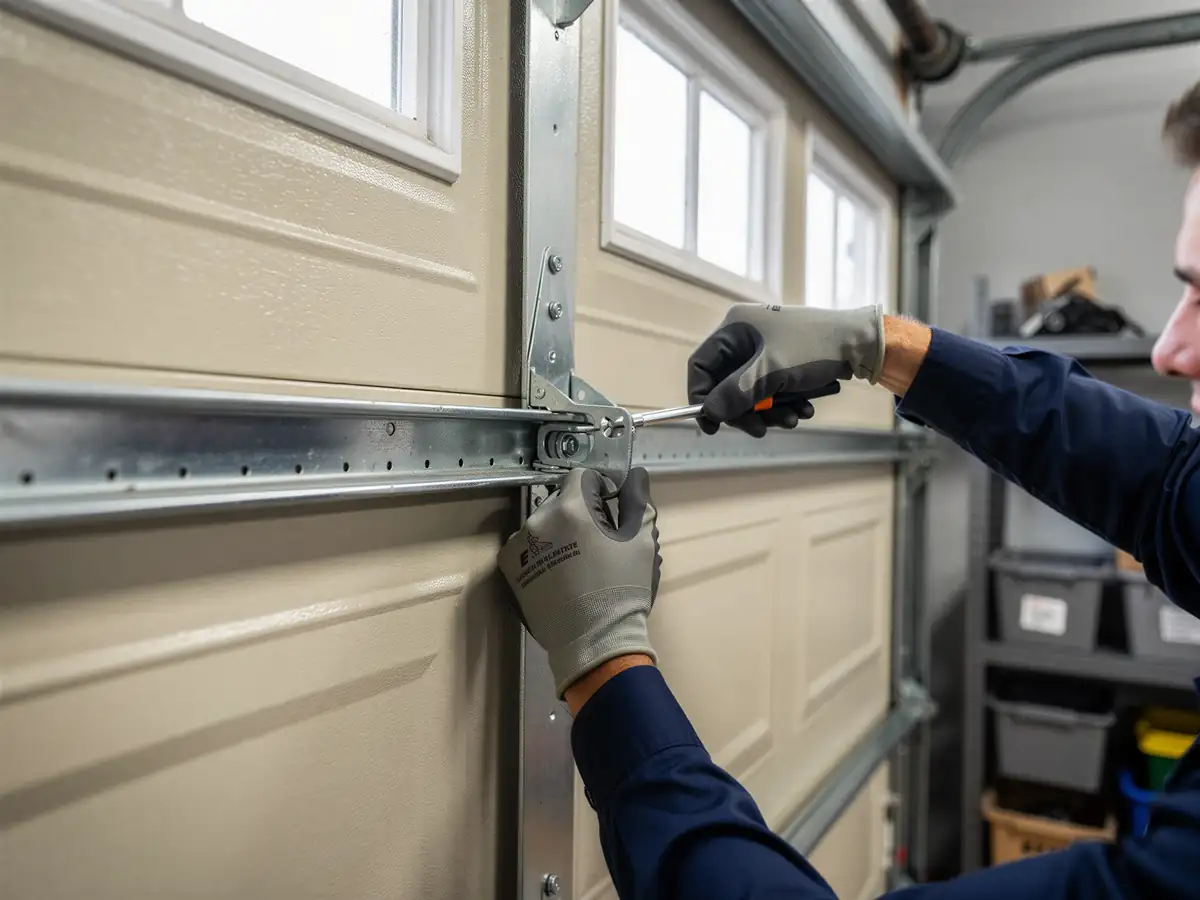
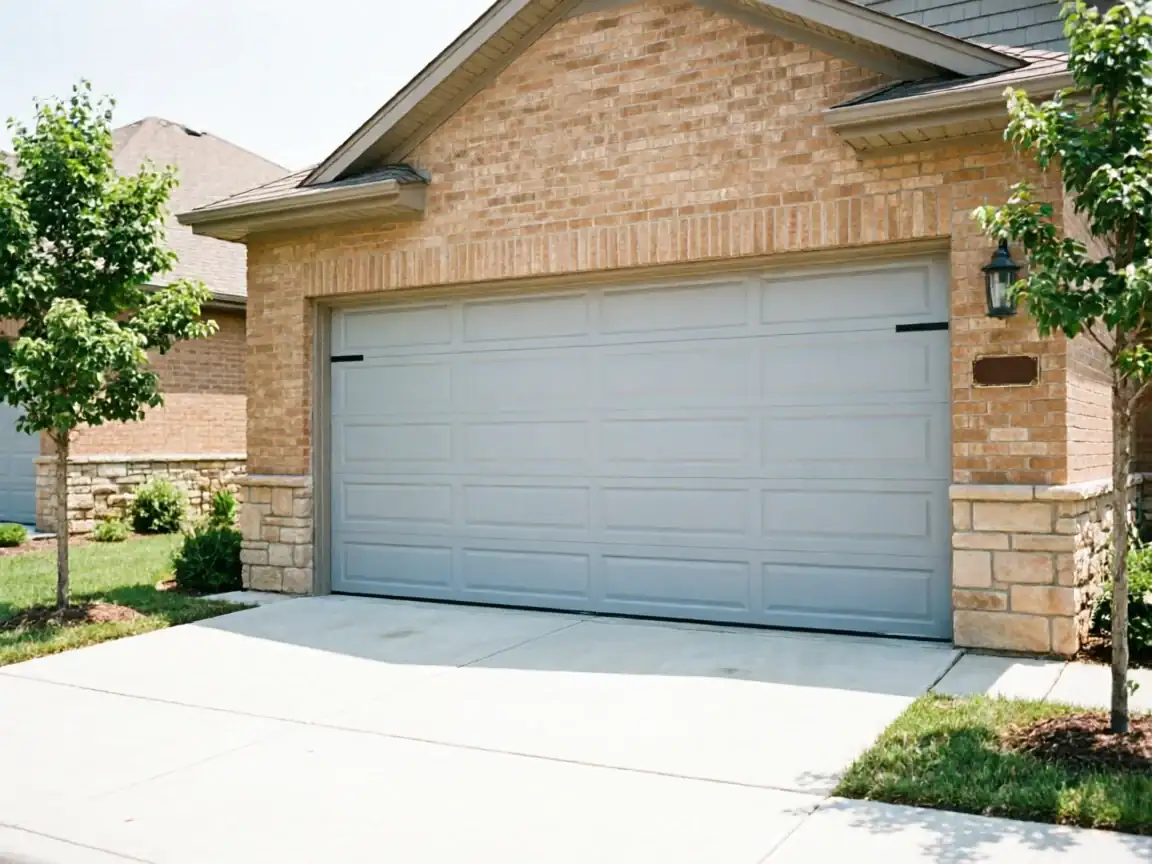
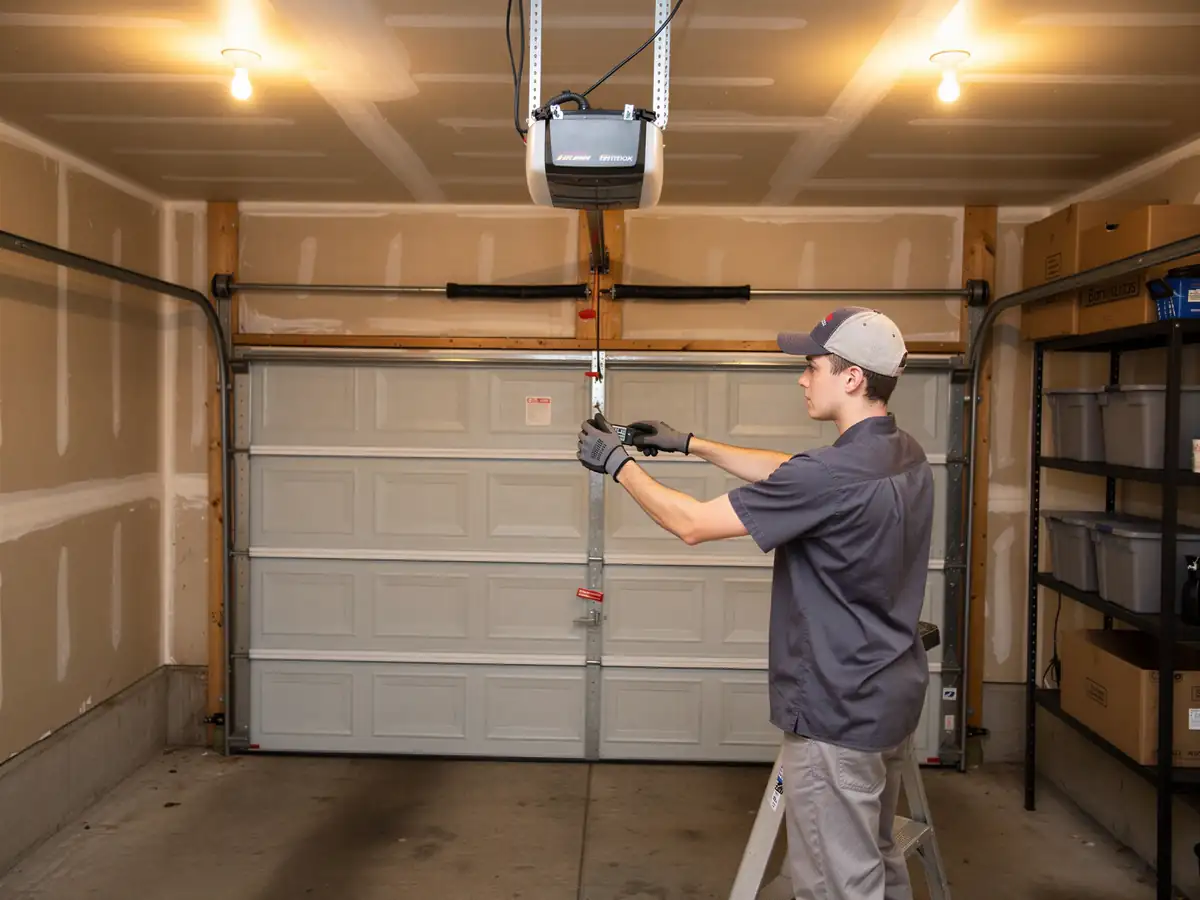
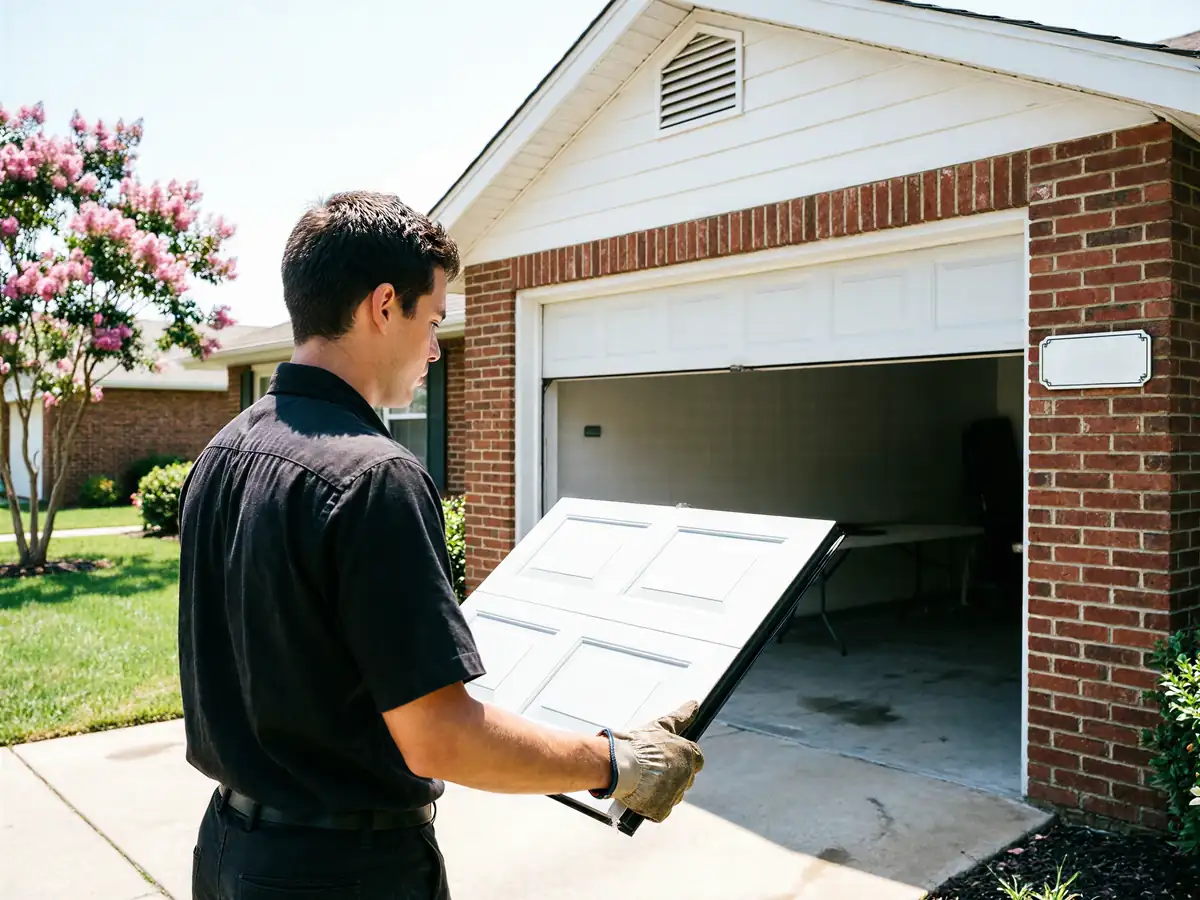
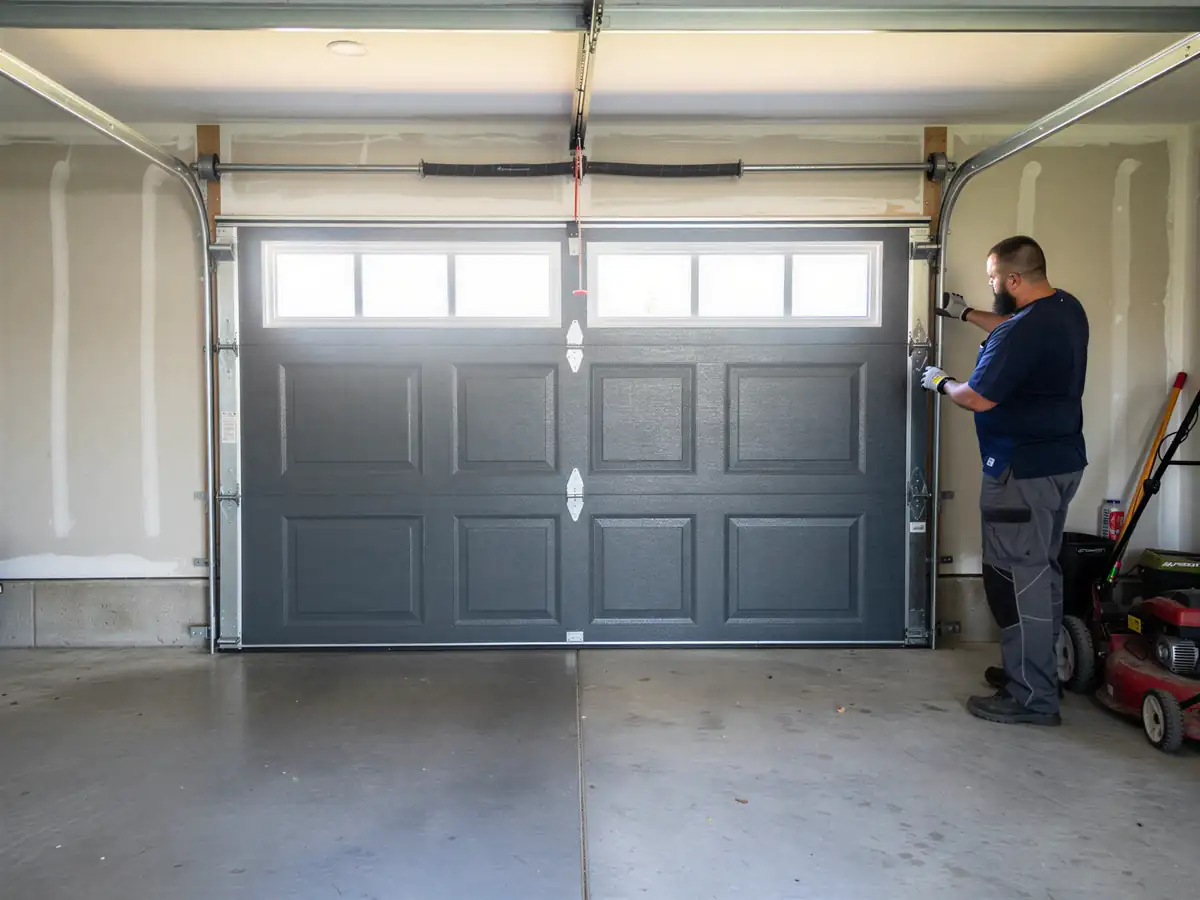
The fault we run into most in Springtown isn't a broken spring or a stuck opener - it's a door that's structurally original to a house built around 1986, running hardware nobody makes parts for anymore. A new installation here usually means pulling out a single steel panel door hung on a short-track, two-spring extension setup and replacing the whole assembly: door, track, springs, and often the opener bracket that was built around the old frame.
That 1986 figure matters more than it sounds like it should. Across the wider Azle service area, homes span 1953 through 2010 with a median build year of 1991, and most of the 24 named communities we cover sit in that 1980s-to-90s band. Springtown's housing clusters right at the front edge of that range, which puts it just ahead of the shift to torsion-bar systems that became the standard a few years later. We size the new door and hardware to the actual stud spacing and header height of a mid-80s build, not to whatever a big-box store's stock unit assumes.
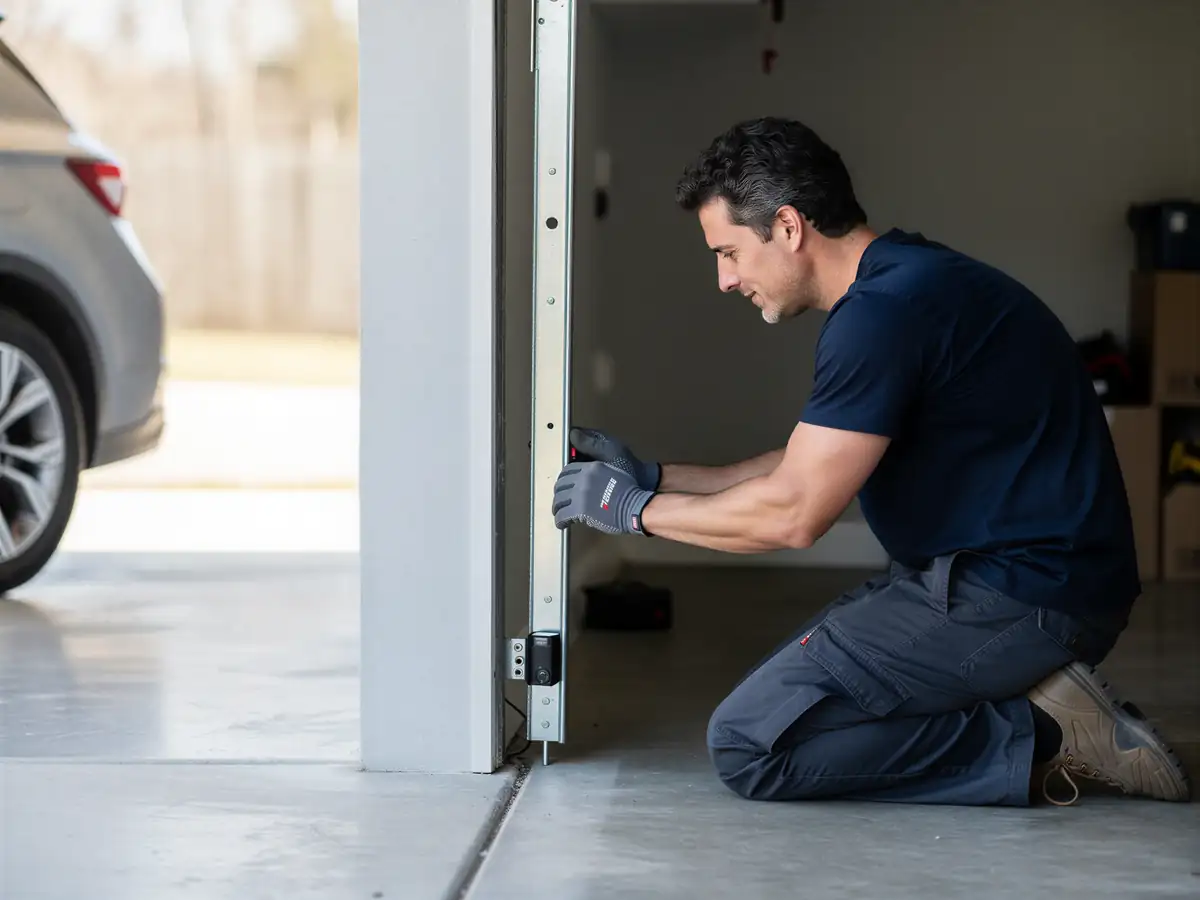
A full install, done right, also means checking that the opening itself hasn't shifted. Houses from this era settle over three and a half decades, and a header that's a quarter-inch out of square will bind a brand new door just as fast as it bound the old one.
How It Shows Up
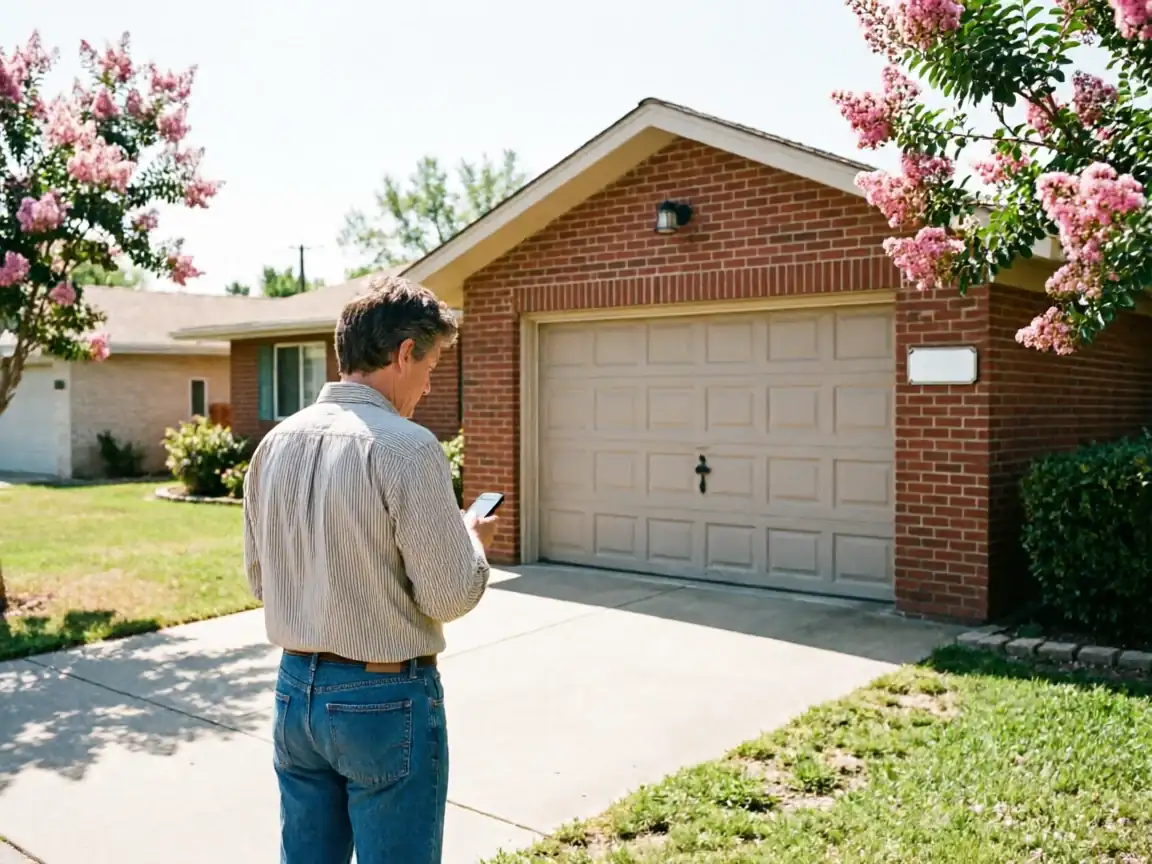
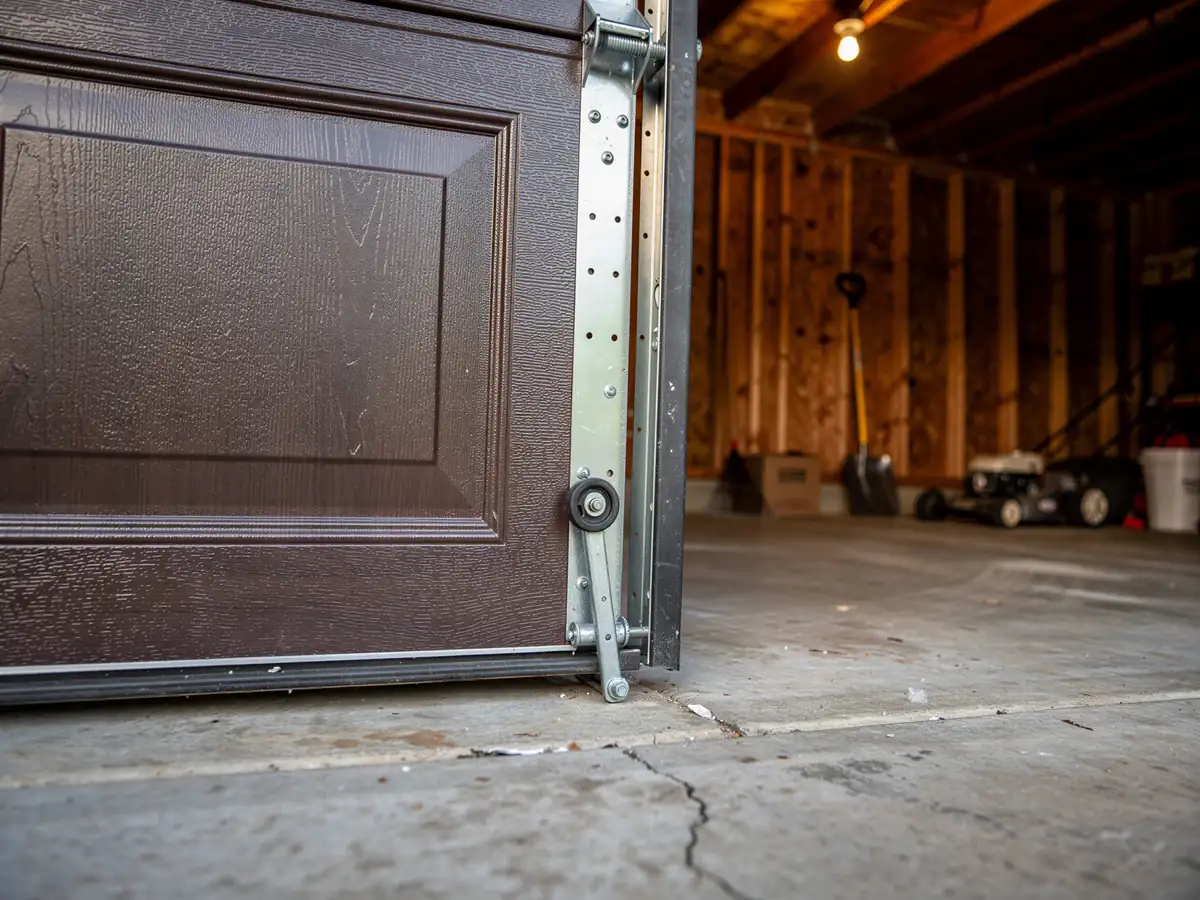
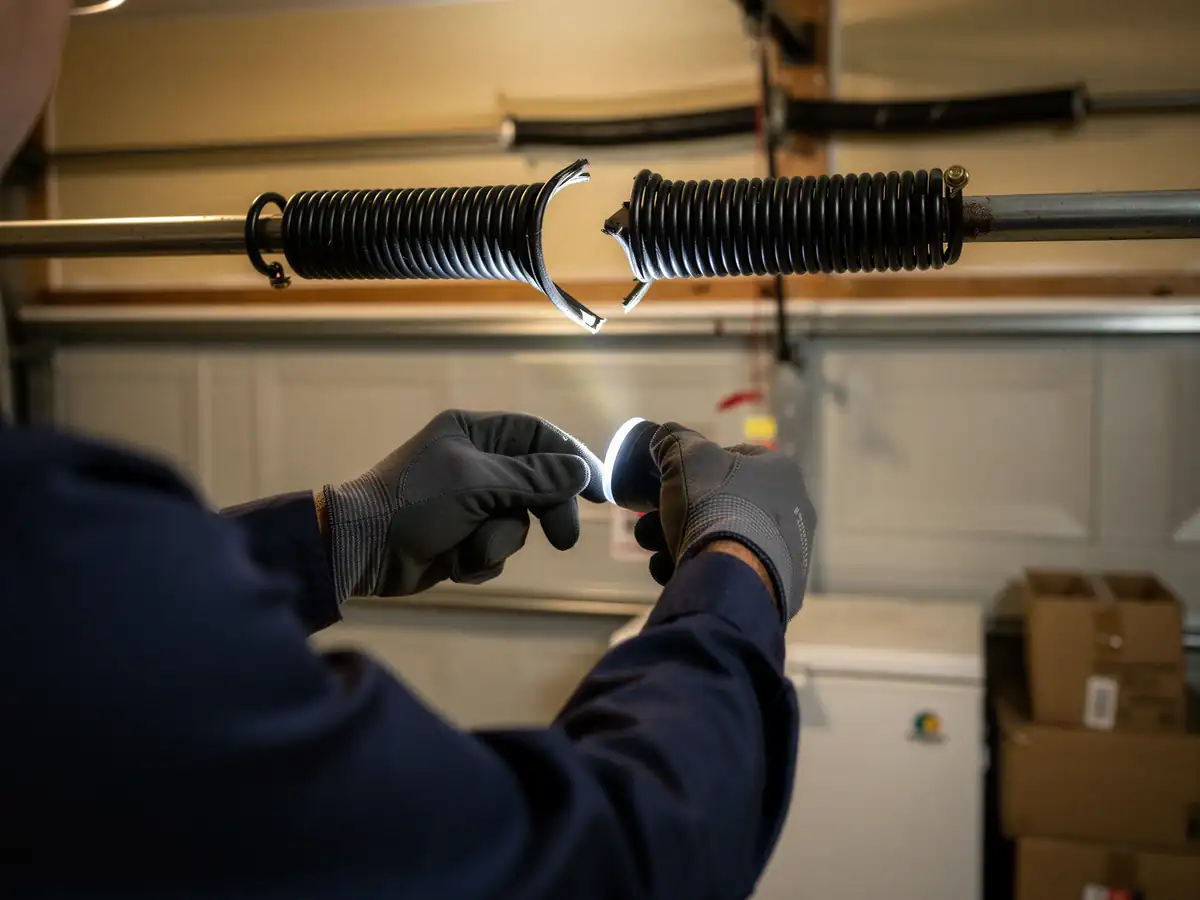
Owners usually notice the same door working harder every year before it quits outright: the opener strains on the way up, the door drops the last foot instead of lowering evenly, or one side lags behind the other on the track. On a short-cable extension spring setup like the ones common to Springtown's 1986-era builds, that lag is the tell - the springs have stretched unevenly and the door is being lifted lopsided.
Some owners try to fix the symptom and replace just the opener, only to find the new motor straining against the same worn springs and track within a year. That's the point where installing a new door - rather than patching the old one piece by piece - actually makes financial sense, because the labor to keep swapping individual parts on a 35-plus-year-old frame adds up faster than most people expect.
With heat as the dominant climate factor here, panel warping on cheaper original steel is another thing we see on doors from this era - sun-facing panels that have bowed slightly outward over the decades, which throws off the track alignment even before a spring fails.
Getting It Booked In
We run the Springtown side of the service area out of our Azle shop, about 10 miles out
So a new install here gets scheduled as a dedicated trip rather than a drop-in between closer jobs. That means we load the truck with the door, track, and spring hardware sized for the job before we ever head out, based on measurements and photos you send ahead of time.
- 10 miles
Because Springtown has about 1,176 households
It's not a town with a garage door lot or a same-day stock yard of its own - any door you want installed here comes out from Azle on the truck already picked for your opening. That's worth knowing upfront: if you want to see the door panel in person before committing, that happens at the measuring visit, not as a walk-in.
- 1,176 households
Once we've confirmed the opening size and the header is square
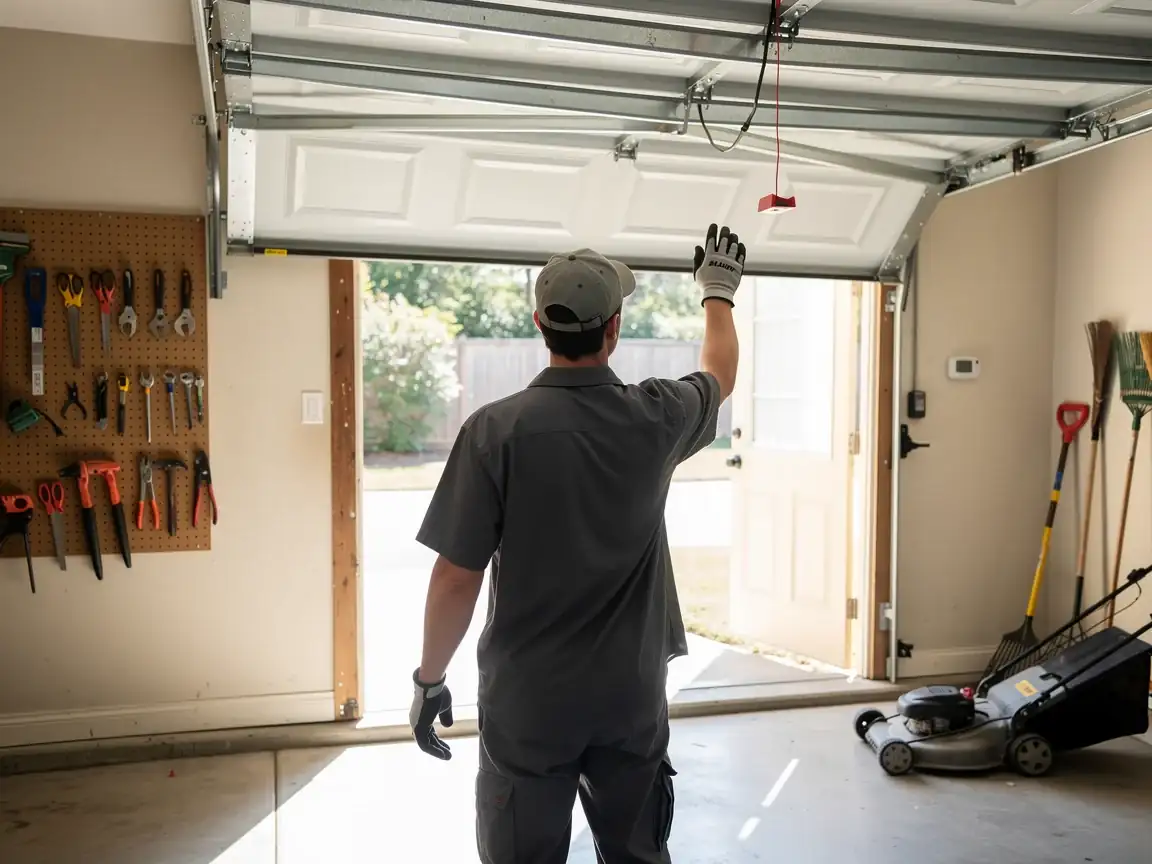
Booking the install itself is straightforward. Most of the work on a single door replacement in a house this age is removing the old hardware cleanly, not fighting anything exotic.
Why It Happens Here
Springtown's housing clusters tightly around 1986, which puts it a touch ahead of the broader area's median build year of 1991 and well inside the 1953-2010 range that covers most of the 24 communities we serve. That specific window matters because it's the last stretch before torsion-bar systems became the default - homes from this era were built with the short-cable extension spring setup that's now the harder system to source parts for.
Median household income across the full service area runs near $90,970, but Springtown's own figure sits closer to $70,254. That gap shows up in which door lines we bring on a Springtown job - we're not loading the truck with the premium insulated models that make sense in the higher-income pockets of the area; we're bringing the mid-range steel and composite doors that fit what this town's homeowners are actually asking for.
Heat is the dominant climate factor across the service area, and on a 1986-built door with original panel steel, decades of sun exposure usually show up as slight warping before the hardware itself fails.
Stocked Parts
We carry standard torsion springs, cables, rollers, and track sized for the door dimensions common across the area's 1980s-90s housing stock, which covers most of what a Springtown install needs. Where it gets slower is matching an original short-cable extension spring system exactly - that hardware isn't something distributors keep on the shelf the way they do modern torsion parts, so a like-for-like replacement on an unmodified 1986 door can mean an extra day or two of lead time on a specific part.
That's the honest limitation worth saying plainly: if you want us to match the old system piece for piece instead of converting to a torsion setup during the install, tell us that up front, because it changes what's already on the truck versus what we need to order.
For a full new door - panel, track, springs, and opener bracket together - we stock what covers the sizes and weights typical of the area's older single and double garage openings, so a standard install doesn't usually wait on parts at all.
Can You Do This Yourself
Swapping a garage door yourself is possible if you've done it before and have a second set of hands
The panel sections aren't light, and getting the first section square in the track is where most DIY installs go wrong. Where it stops being a reasonable weekend job is the springs. An extension spring under tension, especially an old one on a 1986-era short-track setup, can whip hard enough to break a hand or worse if it lets go while you're working on it.
If your house still has the original short-cable extension system
The honest answer is that converting to a modern torsion setup during the install is usually worth the extra cost over trying to match the old hardware. Torsion systems are safer to service going forward and parts for them are easier to find for the next thirty years than parts for what's currently on your header.
We're not going to tell you every repair needs a truck
A stuck sensor or a loose track bolt is often something an owner can handle. A full door swap on a house this age, with springs under that kind of tension, isn't in that category.