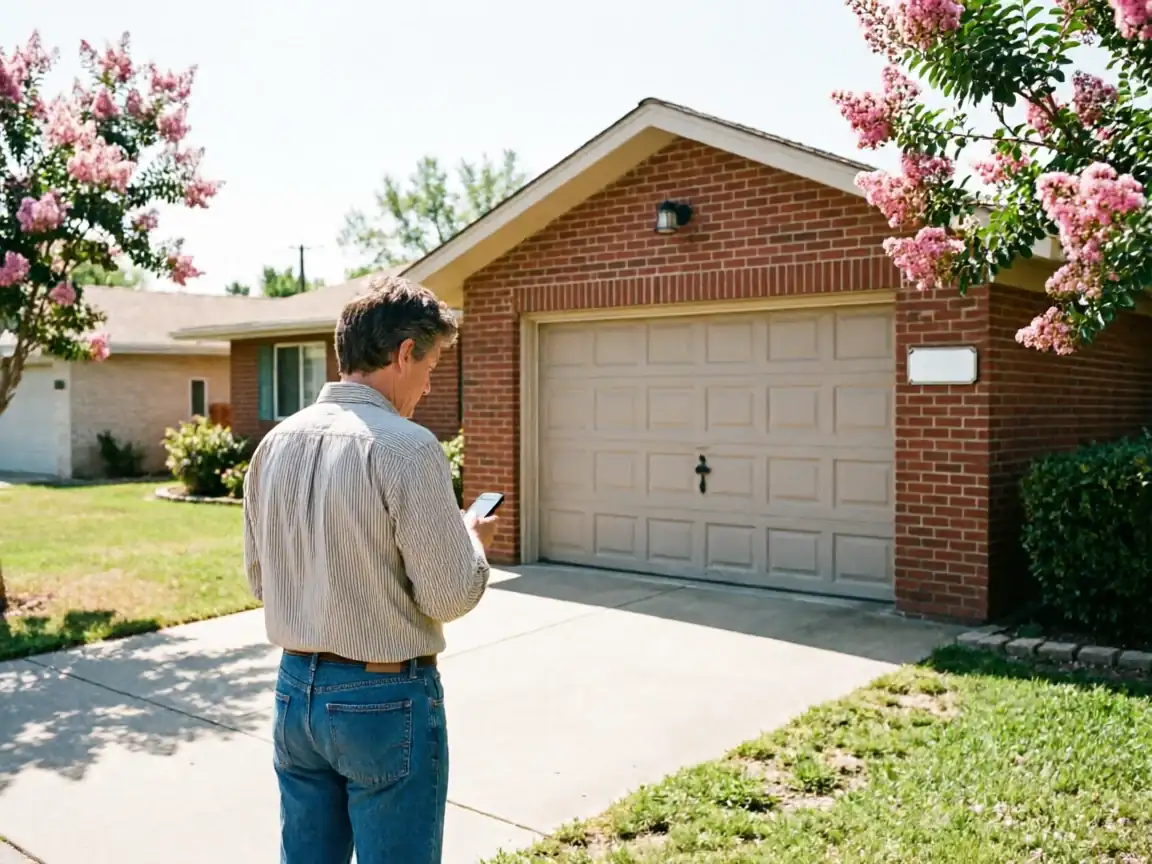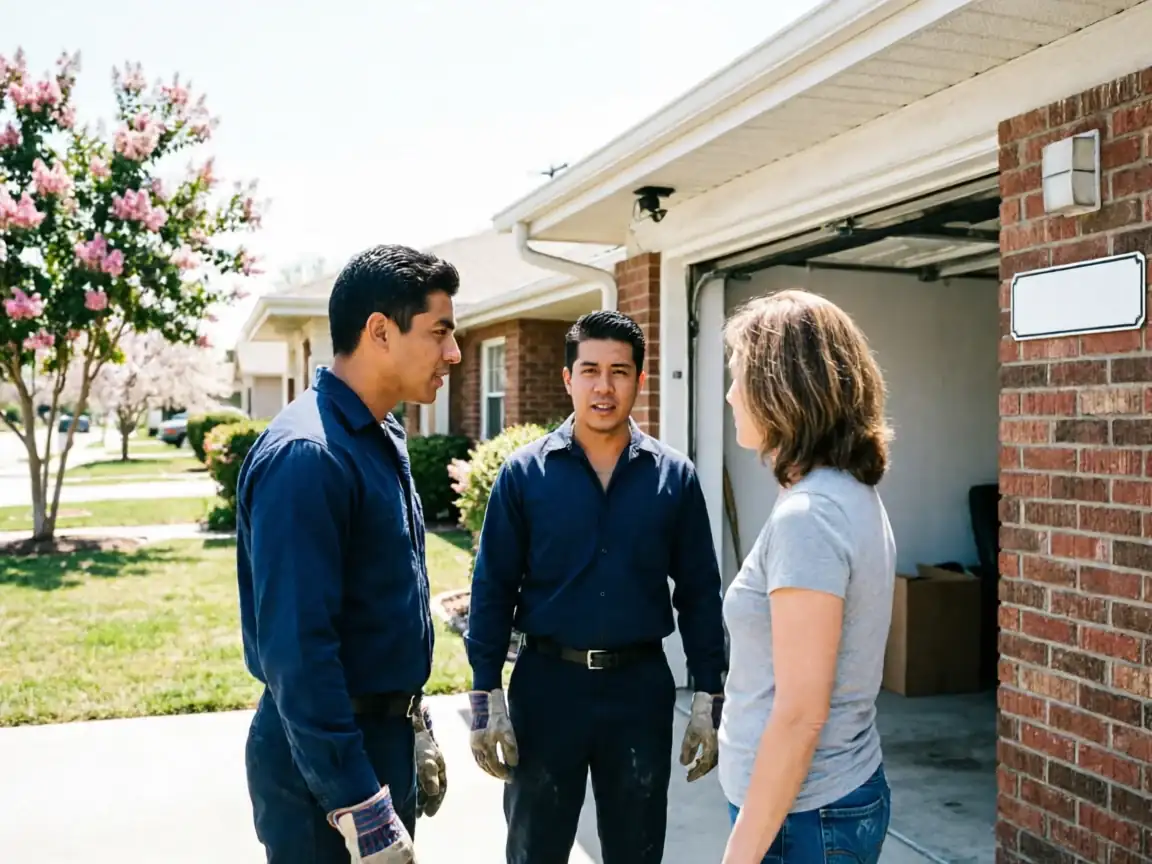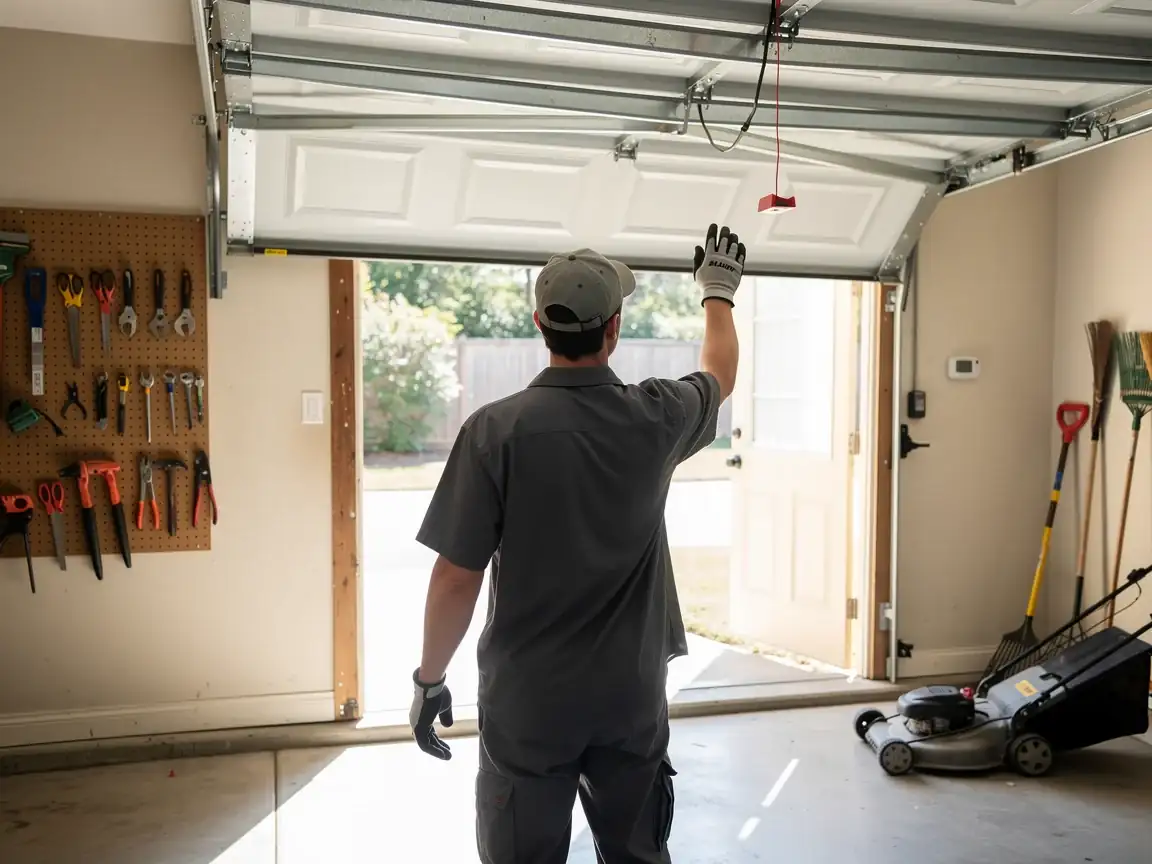
What the Fix Involves
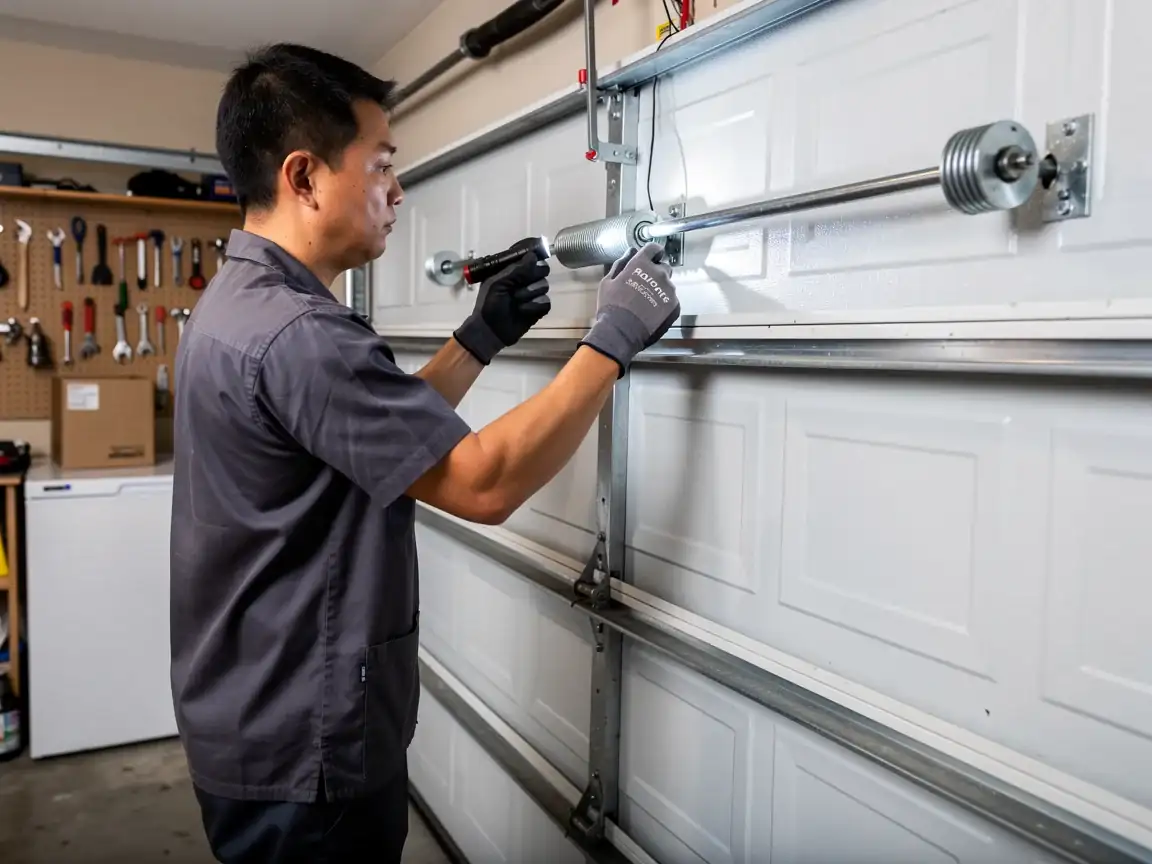
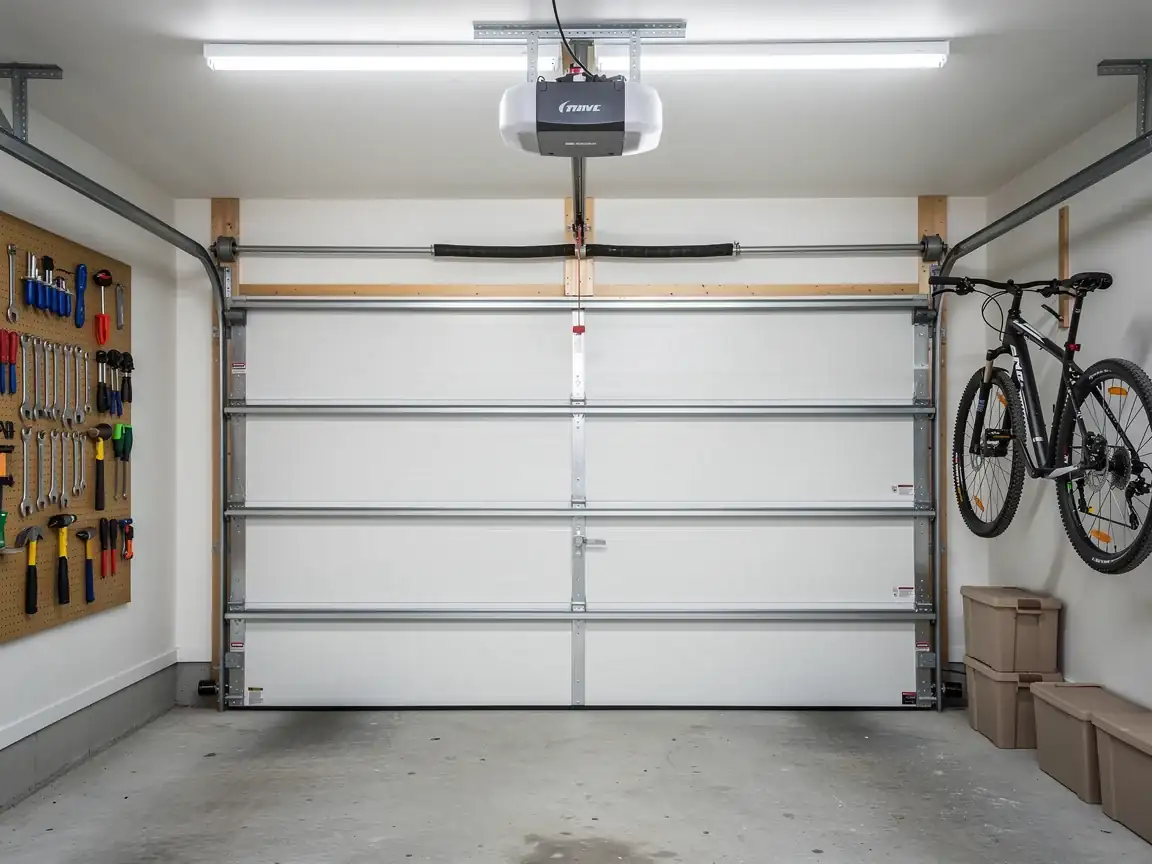
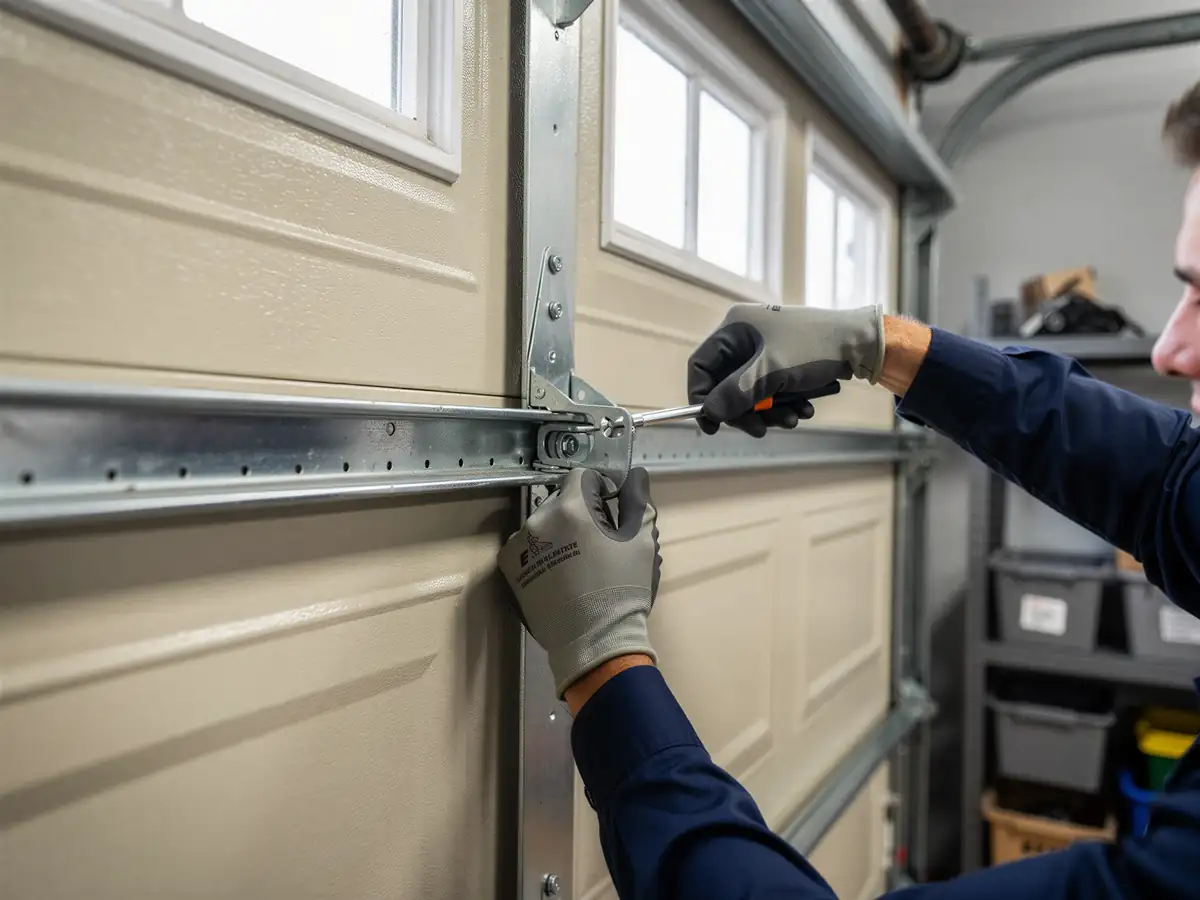
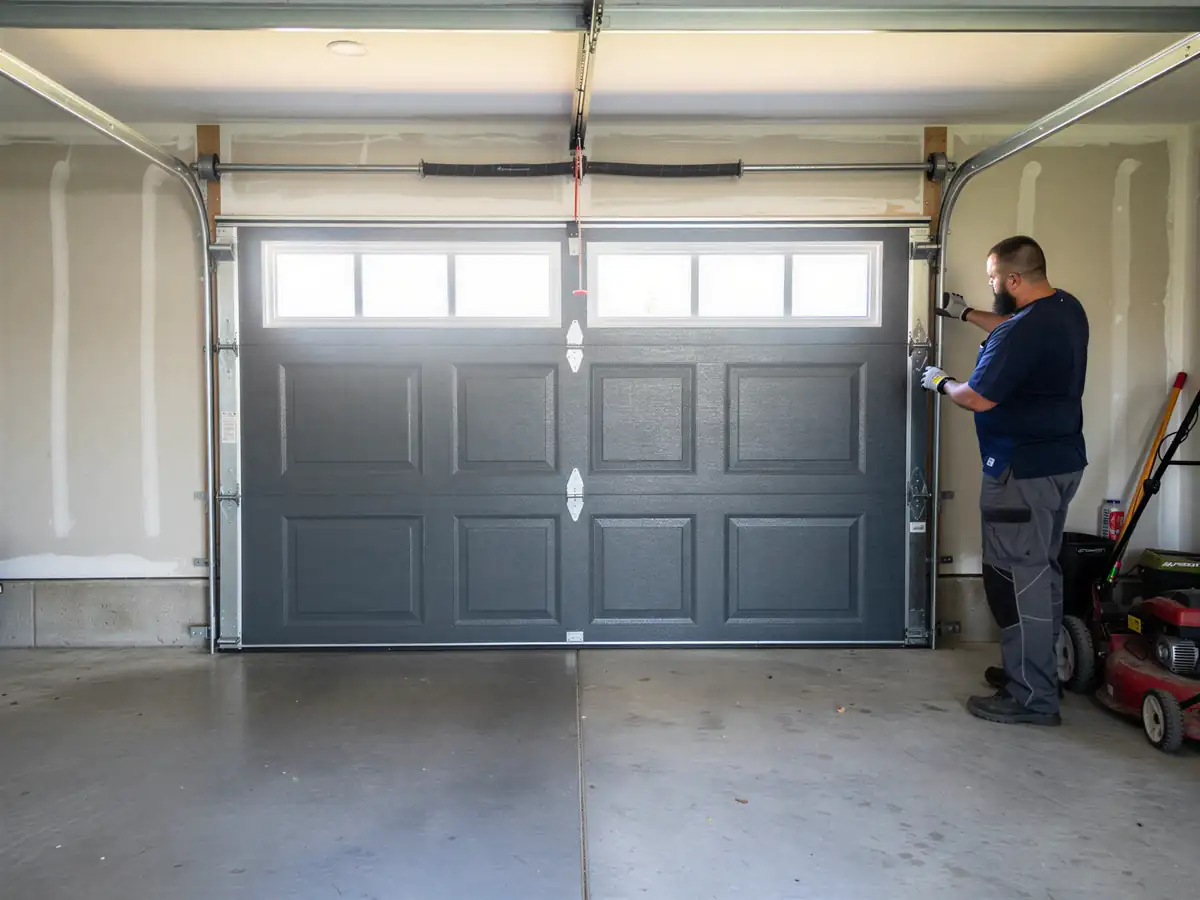
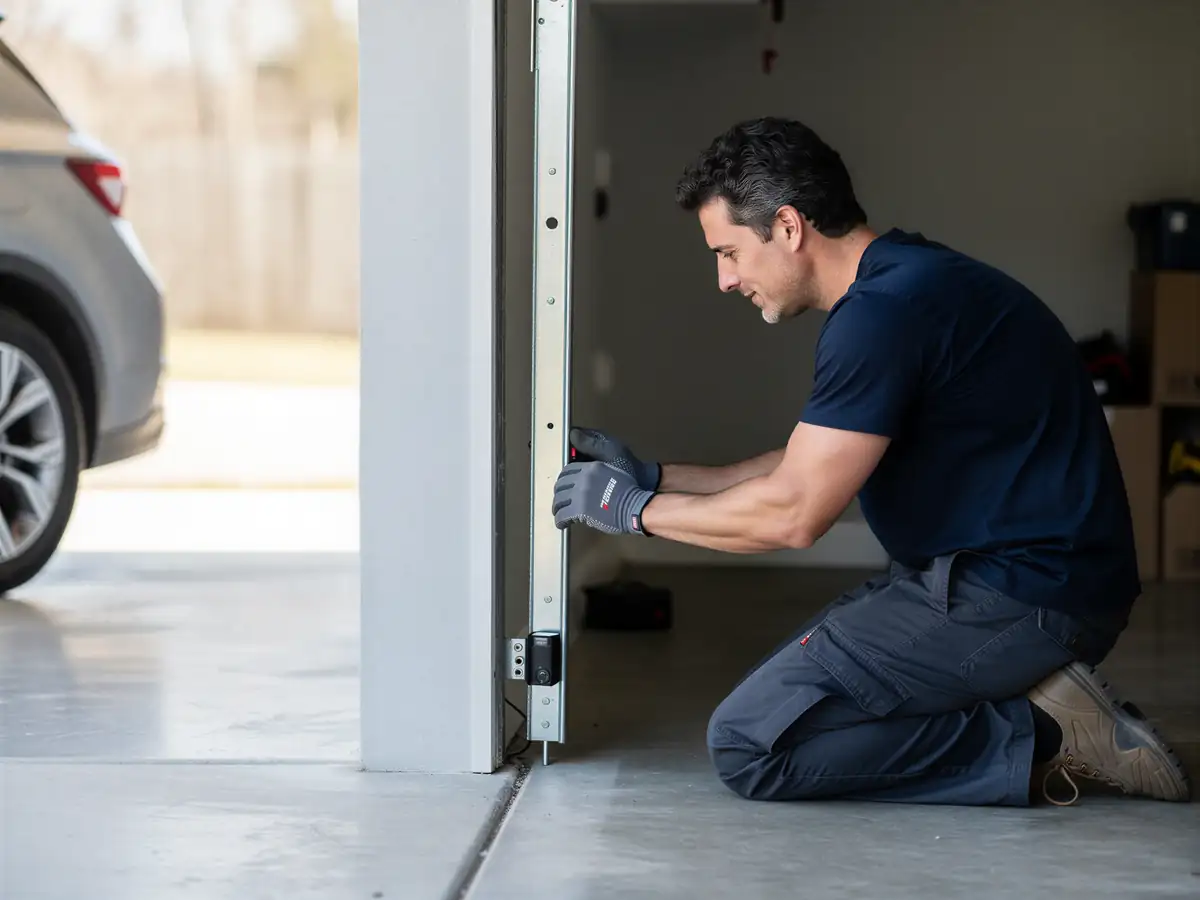
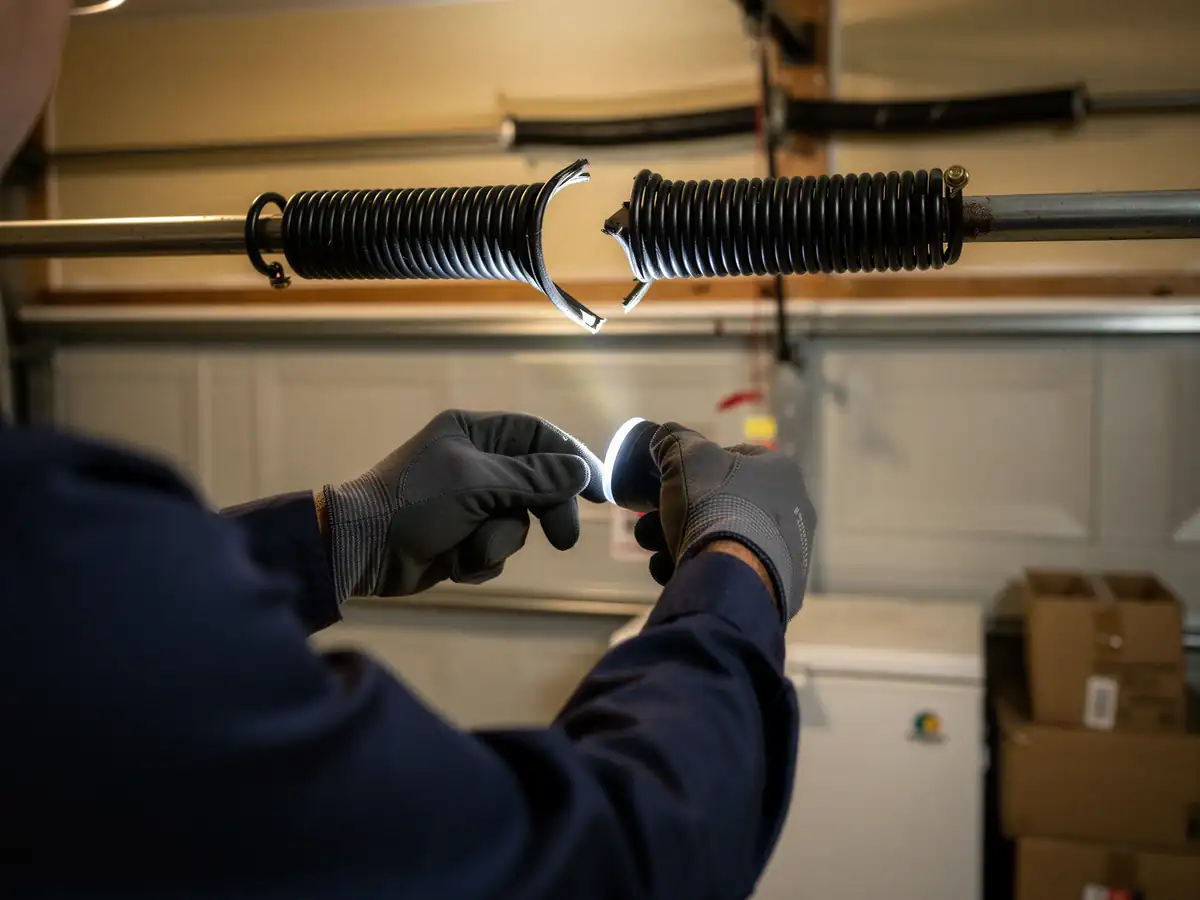
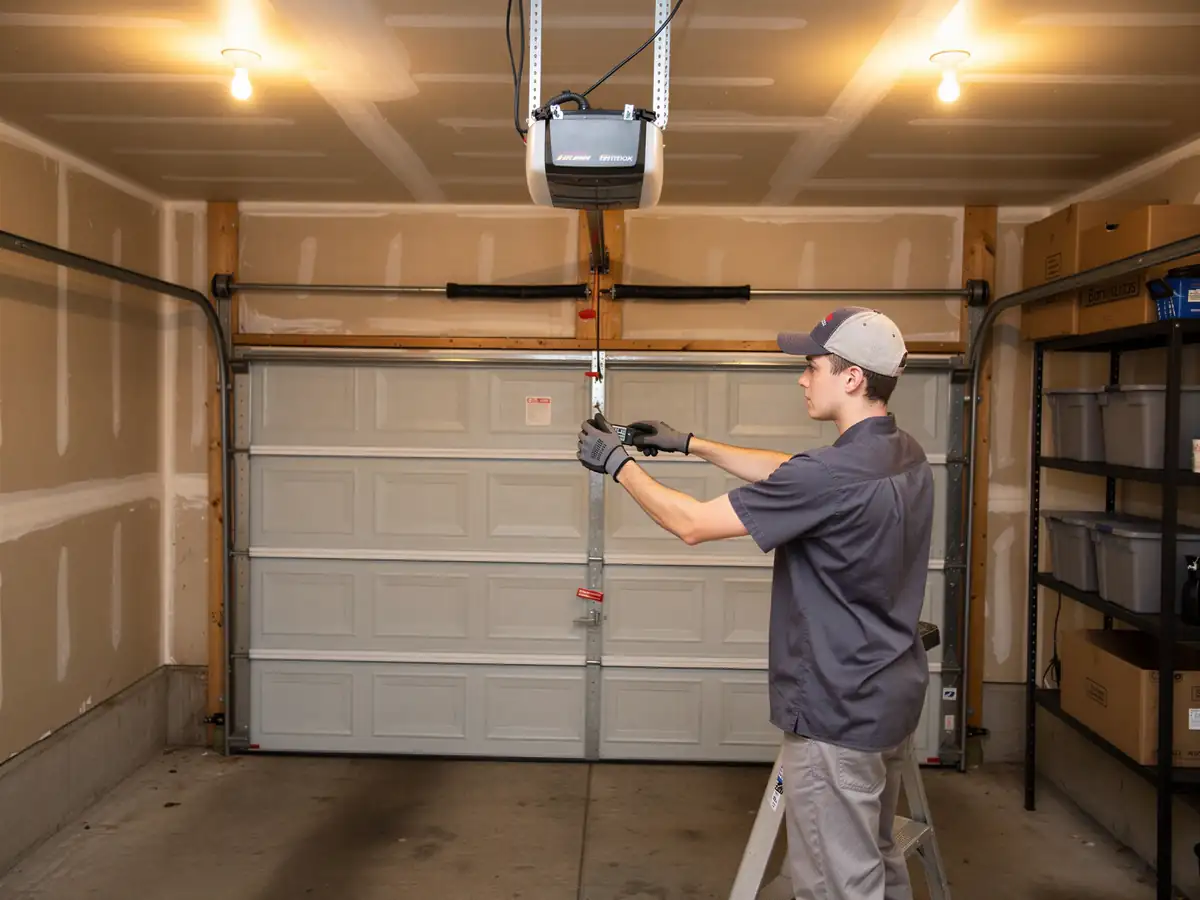
Springtown sits about 10 miles from our shop in Azle, which is close enough that a truck can carry the usual opener parts out without a special order run, but far enough that we plan the job before we leave rather than guessing on site. For an opener repair that means we're diagnosing over the phone first - is the unit humming but not moving, is it reversing before it closes, did the remote just stop talking to it - so that when the truck does make the drive, it's carrying the gear chain, belt, drive sprocket, or logic board the job actually needs instead of a partial guess. The fix itself is standard trade work: pull the cover, check the capacitor and circuit board for burn marks, test the safety sensors, and replace the worn drive component rather than the whole unit if the motor's still good. Most of what fails on a residential opener is mechanical - the gear or belt wears out, the trolley carriage cracks, the wall button corrodes - and those are same-visit fixes once we're there with the right part.
How It Shows Up
A lot of Springtown's housing went up in the mid-1980s, with the typical home here dating to around 1986. Openers from that era of construction, or replacements installed since, are now old enough that chain drives have stretched, belt drives have started to fray, and circuit boards are at the age where capacitors dry out. You'll notice it as a door that jerks instead of gliding, a motor that runs for a few seconds and stops, or a remote range that's shrunk to almost nothing. Some owners hear a grinding or slapping sound before anything actually fails - that's usually the chain or belt telling you it's close to done.
Why It Happens Here
Springtown's housing stock clusters mid-1980s, which puts a large share of original or first-replacement openers right in the window where chain and belt drives wear out and older circuit boards start failing from age rather than any one event. With 1,176 households in town, it's not a large market, and most of the openers we see on these calls are either the builder-grade units that came with 1980s construction or a straightforward retail replacement installed sometime since - not the newer battery-backup, Wi-Fi models you'd see in a subdivision built in the last five years. That age profile is also why logic boards show up more often as the actual fault here than they would in a newer neighborhood - heat cycling over three-plus decades degrades the soldering and capacitors even when the motor itself is fine.
Stocked Parts
The truck carries common gear kits, drive belts and chains, trolley carriages, safety sensor pairs, and a handful of logic boards that fit the mid-1980s-to-2000s opener models most common in Springtown's housing. What we don't always have on the truck is a board for a specific newer smart opener - some of those are model-specific and need to be ordered, which means a second trip. We'll tell you up front if that's the case rather than make you wait at the house while we figure it out.